What Is an AML Check for Crypto Wallets?
An AML check crypto scan analyzes a blockchain address to detect illicit activity, stolen funds, and sanctions violations. AML stands for Anti-Money Laundering—a compliance requirement that financial institutions and exchanges use to prevent criminal proceeds from entering the financial system. In crypto, an AML check examines transaction history, wallet behavior, and connections to known risk sources like mixers, darknet markets, scams, and sanctioned entities. The check produces a risk score and flags specific threats. Unlike traditional banking, crypto AML checks are transparent: anyone can verify a wallet's history on the blockchain. This is critical because exchanges freeze accounts and reject deposits linked to tainted coins, and receiving stolen or sanctioned funds can trigger account bans, asset seizure, or legal liability.
How Does AML Risk Scoring Work?
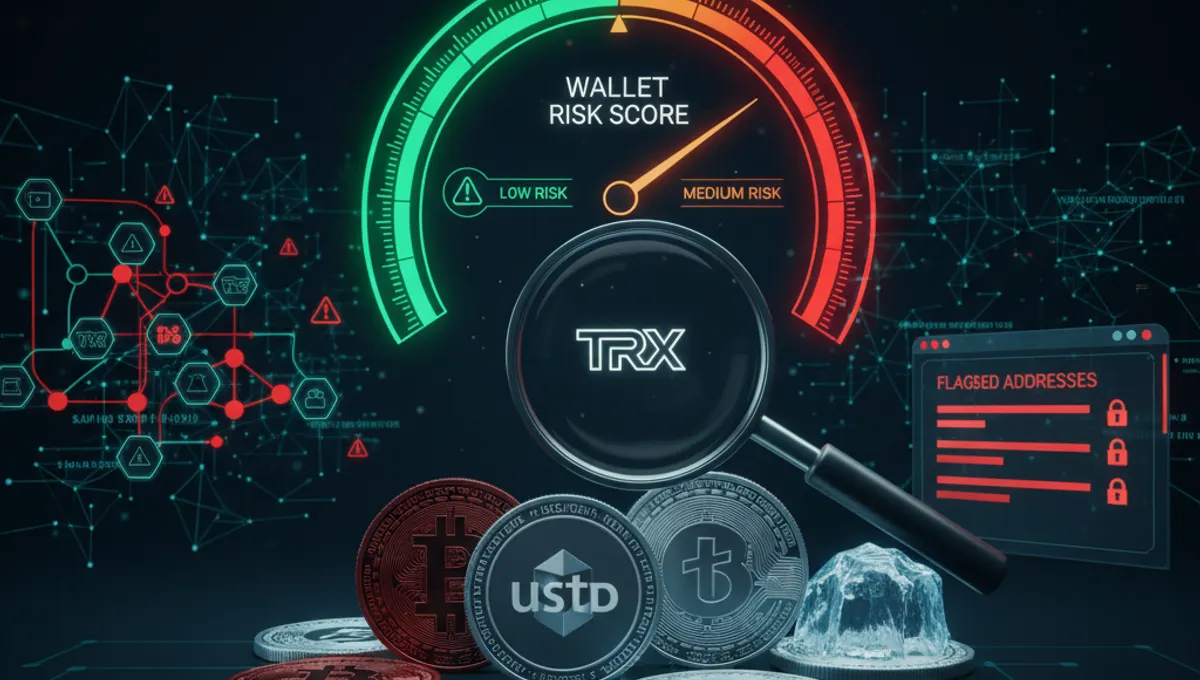
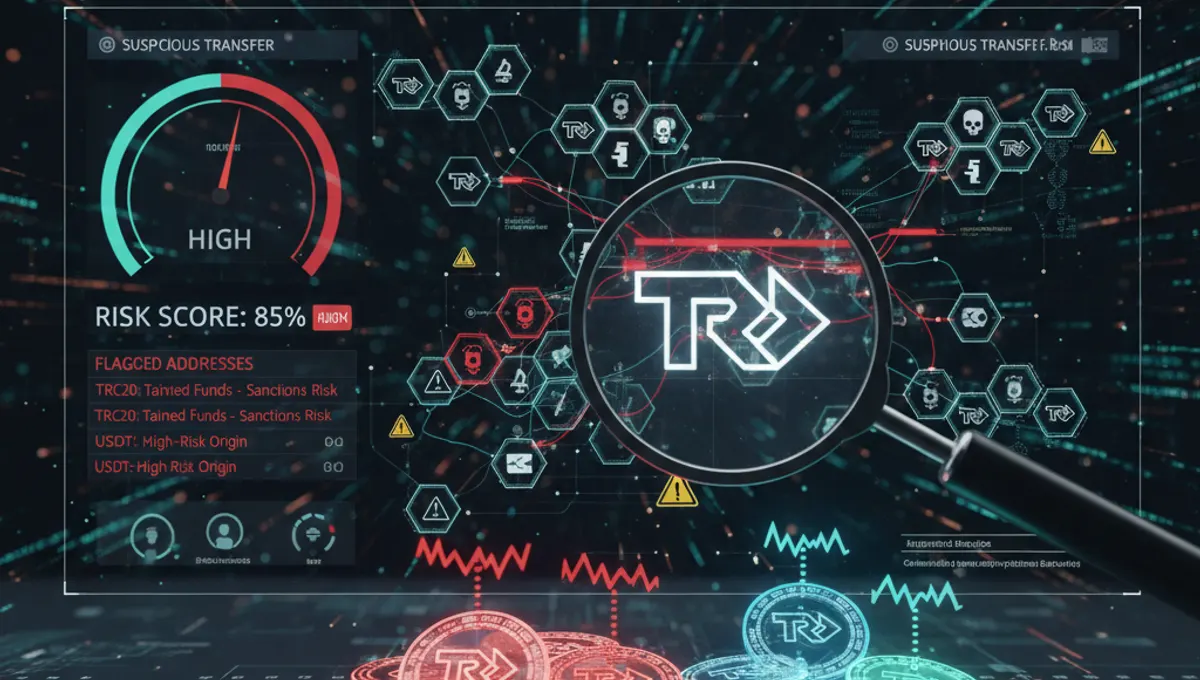
An AML risk score is a numerical rating (typically 0–100 or 0–1000) that reflects the likelihood a wallet or transaction is connected to illicit activity. Risk scores are calculated by analyzing several factors: transaction patterns (rapid movements, round-number transfers), wallet age and activity frequency, connections to known bad actors (mixers, darknet addresses, scams), and whether funds originated from sanctioned entities or stolen sources. A low score (green) indicates minimal risk; a medium score (yellow) suggests caution; a high score (red) signals serious compliance concerns. Different services use different thresholds, but generally scores above 70–80 are considered high-risk. Exchanges and custodians set their own acceptance thresholds—some reject any score above 50, others tolerate up to 75. Understanding your wallet's risk score before sending or receiving funds prevents unexpected rejections and regulatory complications.
Step-by-Step: How to AML Check a Crypto Wallet
To perform an AML check on a wallet address, follow these steps:
1. Identify the blockchain and address type (Bitcoin, Tron, Ethereum, USDT TRC20, etc.).
2. Copy the full wallet address—ensure no typos, as one character changes the address entirely.
3. Visit a trusted AML screening service (see the AML Services directory on this site for verified options).
4. Paste the address into the search field and run the scan.
5. Review the risk score, flagged categories (mixer exposure, darknet links, stolen funds, sanctions), and transaction history.
6. Check the detailed report for specific risk factors and their sources.
7. If the score is acceptable for your use case, proceed; if flagged as high-risk, contact the sender or decline the transaction.
The entire process takes seconds to minutes. Most services show results instantly. For USDT TRC20 and Tron addresses, ensure the service supports TRC20 tokens, as some tools only cover Bitcoin and Ethereum.
What Are AML Check Requirements and Acceptable Risk Thresholds?
AML check requirements vary by jurisdiction and institution. Exchanges typically require AML checks on deposits above certain thresholds (often $1,000–$10,000 equivalent), though many now screen all incoming transfers. Custodians and institutional wallets mandate AML checks on all transactions. For personal users, there is no legal requirement to AML check incoming crypto, but doing so protects you from receiving stolen or sanctioned funds, which can result in frozen accounts or legal complications. Acceptable risk thresholds depend on your use case: retail traders often accept scores up to 50–60, while institutional buyers and exchanges demand scores below 20–30. If you receive coins flagged as high-risk, you face three options: hold them (risking future exchange rejection), attempt to trace their origin and remediate, or reject the transaction. Many users set a personal policy: accept only green-flag addresses (score below 30) to avoid compliance headaches.
AML Check Process for Tron, USDT, and Bitcoin Addresses
Each blockchain requires slightly different screening approaches. For Bitcoin addresses, AML checks focus on transaction history, mixing services, and darknet connections. For Tron and USDT TRC20 addresses, checks examine token movement, smart contract interactions, and TRC20-specific risk patterns. Bitcoin addresses are pseudonymous but traceable; Tron addresses are similarly transparent. When checking a Tron address, verify the service supports TRC20 tokens and Tron's blockchain data. USDT on Tron (USDT TRC20) is screened by analyzing the token holder's transaction history and any associated wallets. Bitcoin addresses are checked against known mixer outputs, ransomware wallets, and darknet markets. The AML check process is identical across blockchains: paste the address, run the scan, review the risk score and flags. Use services listed in the AML Services directory to ensure accurate, up-to-date screening across all major blockchains.
What Happens If Your Crypto Is Flagged as Tainted or High-Risk?
If an AML check flags your coins as tainted or high-risk, several outcomes are possible. Exchanges may freeze your account or reject deposits containing those coins. Custodians may refuse to hold the assets. You may face delays while compliance teams investigate. In severe cases (sanctioned funds, stolen coins), authorities may seize the assets. If you receive flagged coins, your options are limited: you can attempt to trace the source and remediate (e.g., if the coins were stolen and recovered, provide proof of restitution), hold the coins and hope for delisting (unlikely), or accept the loss. To avoid this situation, always AML check incoming addresses before accepting transfers. If you send coins and they are later flagged, the recipient may refuse them, so verify your wallet's risk score before sending to exchanges or institutional buyers. Proactive screening prevents compliance violations and protects your reputation.
Comparing AML Check Services and Fees
AML check services vary in coverage, accuracy, and cost. Some offer free basic scans with limited detail; others charge per check or subscription fees. Free services typically provide a risk score and basic flags but lack detailed transaction history or remediation guidance. Paid services offer comprehensive reports, historical data, transaction tracing, and ongoing monitoring. The AML check fee ranges from free to $10–$50 per scan, depending on the service and report depth. Subscription models may cost $50–$500 monthly for unlimited checks. When choosing a service, verify it covers your blockchain (Bitcoin, Tron, Ethereum, USDT), provides transparent methodology, and updates its risk data regularly. Check the AML Services directory on this site for a curated list of verified providers. Compare their coverage, speed, and pricing to find the best fit for your needs. For occasional users, free or pay-per-check services suffice; for frequent traders or institutions, subscriptions are more cost-effective.
Frequently asked questions
How long does an AML check take?
Most AML checks complete in seconds to a few minutes. The scan analyzes blockchain data and compares it against known risk databases in real-time. Some detailed reports may take 5–10 minutes if the service performs additional investigation or manual review. Instant results are standard for basic risk scores.
Can I AML check a crypto wallet for free?
Yes, many services offer free basic AML checks with a risk score and general flags. Free scans typically lack detailed transaction history or remediation guidance. Paid services provide comprehensive reports. Check the AML Services directory on this site for free and paid options that suit your needs.
What does a high AML risk score mean?
A high AML risk score (typically above 70–80) indicates the wallet or transaction is connected to illicit activity such as mixers, darknet markets, stolen funds, or sanctions violations. Exchanges often reject deposits from high-risk addresses. A high score does not prove guilt but signals caution and potential compliance issues.
Do I need to AML check every crypto transaction?
There is no legal requirement for personal users, but screening incoming transfers protects you from receiving stolen or sanctioned funds. Exchanges and custodians mandate AML checks on deposits. Best practice is to AML check before accepting large transfers or sending to institutional buyers to avoid account freezes.
Can I AML check a Tron address the same way as Bitcoin?
Yes, the process is identical: paste the address into an AML screening service and run the scan. Ensure the service supports Tron and TRC20 tokens. Tron addresses are screened for the same risk factors as Bitcoin—mixers, darknet exposure, stolen funds, and sanctions—but use Tron's blockchain data instead.