What Is an AML Check for Tron Wallets?
An AML check on a Tron address examines the wallet's transaction history and fund sources against compliance databases. The screening identifies whether the wallet has received or sent funds linked to high-risk categories: stolen cryptocurrency, darknet markets, gambling platforms, sanctioned jurisdictions, and cryptocurrency mixers. Tron operates as a blockchain with public transaction records, so all TRX and USDT TRC20 transfers are traceable. An AML check crypto process uses blockchain analytics to flag wallets that pose regulatory or reputational risk. Unlike traditional banking, Tron addresses are pseudonymous, but the underlying transaction graph reveals patterns. Exchanges and custodians increasingly require AML checks before accepting deposits, especially for large USDT TRC20 transfers. A clean AML check means the wallet has no known high-risk exposure; a flagged wallet may face deposit holds, account freezes, or transaction rejection.
How Does AML Risk Scoring Work for Tron?
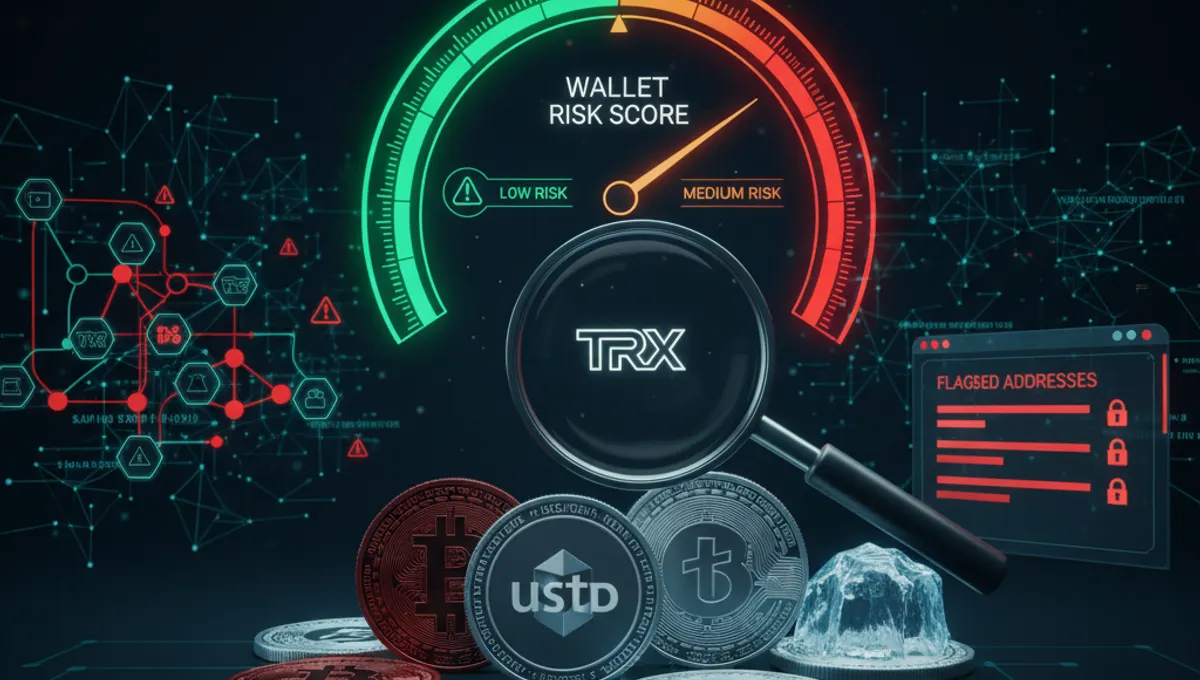
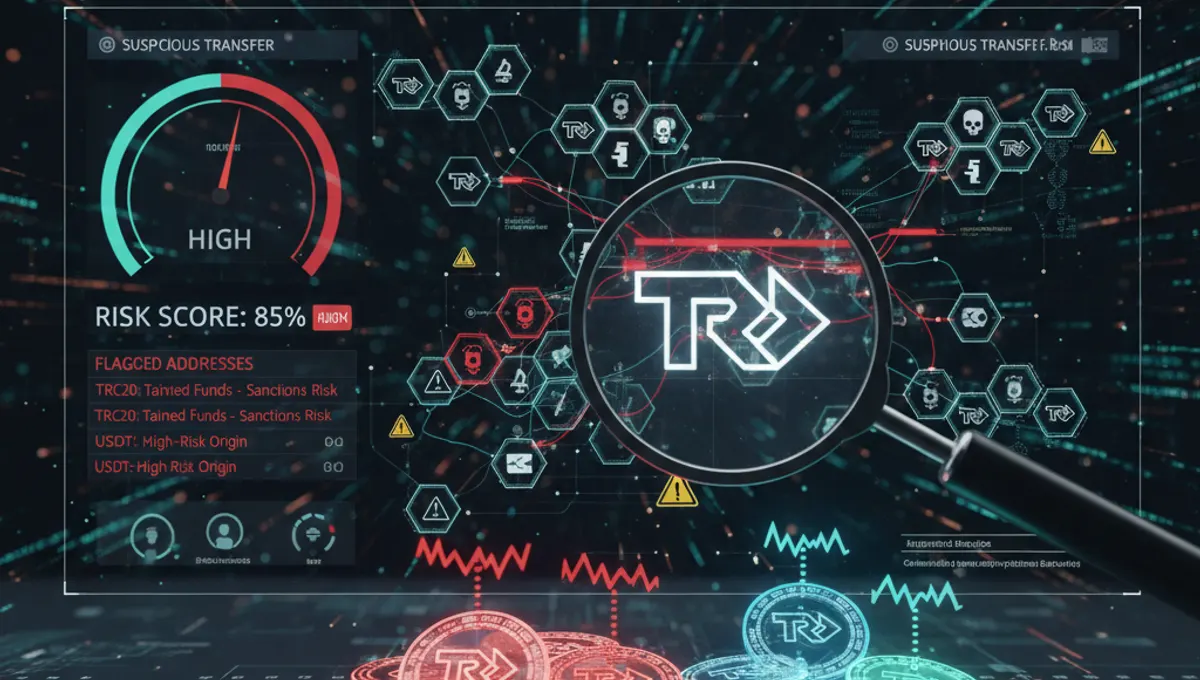
AML risk scores for Tron addresses are calculated by analyzing transaction patterns, fund sources, and behavioral signals. Scoring systems typically range from 0 to 100 or use categorical labels (low, medium, high, critical). A low risk score indicates the wallet has clean transaction history with no known exposure to illicit activity. A high or critical score suggests the wallet has received funds from or sent to known high-risk addresses, mixers, or sanctioned entities. Risk scoring considers several factors: the age of the wallet, transaction frequency, concentration of funds from single sources, and proximity to known bad actors in the transaction graph. Tron's public ledger allows analysts to trace fund flows backward and forward. If a wallet received USDT TRC20 from a mixer or stolen funds address, that exposure typically increases the risk score. Acceptable thresholds vary by exchange and custodian; most accept wallets with scores below 25–30, while scores above 50 often trigger manual review or rejection. Understanding your wallet's risk score before attempting a deposit prevents unexpected freezes.
Step-by-Step: How to Check a Tron Address for AML Risk
To perform an AML check on a Tron address, follow these steps:
1. Obtain the Tron wallet address you want to screen (a TRX address begins with T and is 34 characters long).
2. Visit a trusted AML screening service that supports Tron and USDT TRC20 (check the curated list of verified AML services on this site for options).
3. Enter the Tron address in the search field.
4. Review the generated report, which typically includes:
- Risk score or rating
- Transaction history summary
- Known exposure to high-risk categories (mixers, darknet, stolen funds, sanctions)
- Fund source analysis
5. Assess whether the risk level is acceptable for your use case. If you are receiving funds, a low score is preferable. If you are sending, confirm the recipient address is not flagged.
6. If the address shows medium or high risk, investigate further or contact the service provider for clarification.
7. Document the AML check result for compliance records if required by your exchange or custodian.
Most AML check services return results within seconds. Some offer free basic checks with limited detail; comprehensive reports may require a fee. The AML check process is straightforward and requires no technical knowledge.
What Risk Categories Trigger High AML Scores on Tron?
Several risk categories commonly cause Tron addresses to receive elevated AML scores. Mixer exposure occurs when a wallet has received or sent funds through a cryptocurrency mixer, which obscures transaction trails. Darknet market exposure flags wallets linked to known darknet marketplace addresses. Stolen funds indicate the wallet received cryptocurrency traced to theft, hacking, or fraud. Sanctioned entity exposure means the wallet has transacted with addresses linked to individuals or organizations on sanctions lists. Gambling platform exposure may flag wallets with activity on decentralized or centralized gambling services, depending on the jurisdiction and service provider's policy. Scam-related funds are traced to known Ponzi schemes, rug pulls, or fraudulent projects. High transaction velocity or unusual patterns (sudden large transfers, rapid consolidation) can also elevate scores. Frozen USDT on Tron is often a result of high AML scores; if your USDT TRC20 is frozen on an exchange, the wallet likely triggered a compliance alert. Understanding these categories helps you evaluate whether a flagged wallet is genuinely risky or flagged for a benign reason.
AML Check Requirements and Fees
AML check requirements vary by service provider and use case. Most exchanges require an AML check crypto wallet screening before accepting deposits above a certain threshold, typically USD 1,000–5,000 equivalent. Some services offer free AML checks with basic information (risk score only), while detailed reports with transaction analysis and source tracing incur a fee, usually USD 5–50 per check. The AML check fee depends on report depth and whether the service provides ongoing monitoring. Institutional users may pay subscription fees for batch checking or API access. Requirements also depend on your jurisdiction and the exchange's compliance policy. If you are receiving USDT TRC20 from an unknown source, performing an AML check before accepting the transfer is prudent. If you are sending, checking the recipient's address reduces the risk of sending to a frozen or flagged wallet. For businesses handling multiple Tron transactions, batch AML checking services may offer discounts. Always verify the AML check service's credibility by reviewing its methodology and checking the curated list of verified AML services on this site.
What to Do If Your Tron Wallet Is Flagged
If your Tron address receives a high AML risk score, take these steps:
1. Review the report details to understand which risk category triggered the flag. If the flag is due to a legitimate transaction (e.g., you received funds from a mixer for privacy reasons), document your explanation.
2. Contact the exchange or custodian where you attempted to deposit. Provide context and ask whether the flag can be reviewed or appealed.
3. If the flag is incorrect or based on outdated information, request a re-scan or provide evidence of legitimate fund sources.
4. Avoid attempting multiple deposits in quick succession, as this may worsen your compliance profile.
5. For future transactions, use a new Tron address with a clean history if the flagged address cannot be cleared.
6. If you suspect the flag is due to receiving stolen funds unknowingly, report the incident to the exchange and consider consulting a compliance advisor.
Exchanges may freeze USDT or other assets on flagged wallets pending manual review. This process can take days to weeks. In some cases, exchanges may permanently reject deposits from high-risk addresses. Proactive AML checking before receiving large transfers prevents these complications.
Comparing AML Check Services for Tron
Several AML check services support Tron and USDT TRC20 screening. When choosing a service, consider these factors: coverage (does it support Tron, Bitcoin, Ethereum, and other blockchains you use?), report detail (does it provide risk scores, transaction history, and source analysis?), speed (most return results in seconds), cost (free basic checks vs. paid detailed reports), and credibility (is the service recognized by exchanges and regulators?). Some services offer browser extensions or API integrations for seamless wallet checking. Others provide batch processing for high-volume users. Free AML checks typically show only a risk score; paid reports include transaction graphs and detailed risk category breakdowns. For the most reliable and comprehensive AML check crypto wallet screening, consult the curated list of verified AML services on this site. These services have been evaluated for accuracy, compliance alignment, and user trust. Starting with a trusted service ensures you receive credible risk assessments and avoid unreliable tools that may provide false negatives or positives.
Frequently asked questions
How long does an AML check on a Tron address take?
Most AML checks on Tron addresses return results within seconds to a few minutes. The screening analyzes the wallet's transaction history against compliance databases in real time. Some detailed reports with full transaction tracing may take slightly longer, but typically complete within 5–10 minutes. Batch checks for multiple addresses may require more time depending on the service.
What is an acceptable AML risk score for Tron wallets?
Most exchanges accept Tron wallets with AML risk scores below 25–30 without additional review. Scores between 30–50 may trigger manual verification. Scores above 50 often result in deposit rejection or account freezes. Acceptable thresholds vary by exchange policy. Always check your specific exchange's requirements before attempting a deposit.
Can I check a Tron address for free?
Yes, many AML check services offer free basic screening that returns a risk score and general risk category. Free checks typically lack detailed transaction analysis and source tracing. Comprehensive reports with full transaction graphs usually require a fee of USD 5–50. Free checks are sufficient for quick risk assessment before receiving USDT TRC20 or TRX.
What does it mean if my Tron wallet shows mixer exposure?
Mixer exposure means your wallet has received or sent funds through a cryptocurrency mixer, which obscures transaction trails. While mixing itself is not illegal, it raises compliance concerns because it can indicate an attempt to hide fund sources. Exchanges may flag or freeze wallets with mixer exposure. If you used a mixer for privacy, document this for compliance purposes.
Will my USDT TRC20 be frozen if my wallet has a high AML score?
A high AML score on your Tron wallet may trigger a deposit hold or freeze on USDT TRC20 and other assets. Exchanges perform AML checks on incoming deposits; if your wallet is flagged, the exchange may freeze funds pending manual review. This can last days to weeks. Performing an AML check before attempting a deposit helps prevent unexpected freezes.