What Are AML Check Requirements?
AML (Anti-Money Laundering) check requirements are compliance rules that financial institutions and cryptocurrency exchanges enforce to detect and prevent illicit activity. For crypto wallets, these requirements include verifying that wallet addresses have not been linked to sanctions lists, darknet markets, mixers, or stolen funds. Exchanges typically perform AML checks before accepting deposits or processing withdrawals. The scope of an AML check crypto process includes transaction history review, source-of-funds verification, and risk scoring. Regulators in most jurisdictions require exchanges to maintain these controls, making AML checks a mandatory part of crypto compliance rather than optional screening.
How Does the AML Check Process Work?
The AML check process follows a standard workflow: first, the wallet address is submitted to screening systems that cross-reference it against known sanctions lists, terrorist financing databases, and darknet market addresses. Second, the transaction history is analyzed to identify patterns such as rapid fund movement, interaction with high-risk entities, or mixing service usage. Third, a risk score is assigned based on the findings. Fourth, the results are reviewed by compliance staff if the score exceeds internal thresholds. For USDT TRC20 and Bitcoin addresses, this process typically completes within minutes to hours. The AML check fee, if charged separately, varies by service provider; many exchanges bundle screening into their standard operations at no direct cost to users.
What Risk Score Levels Mean
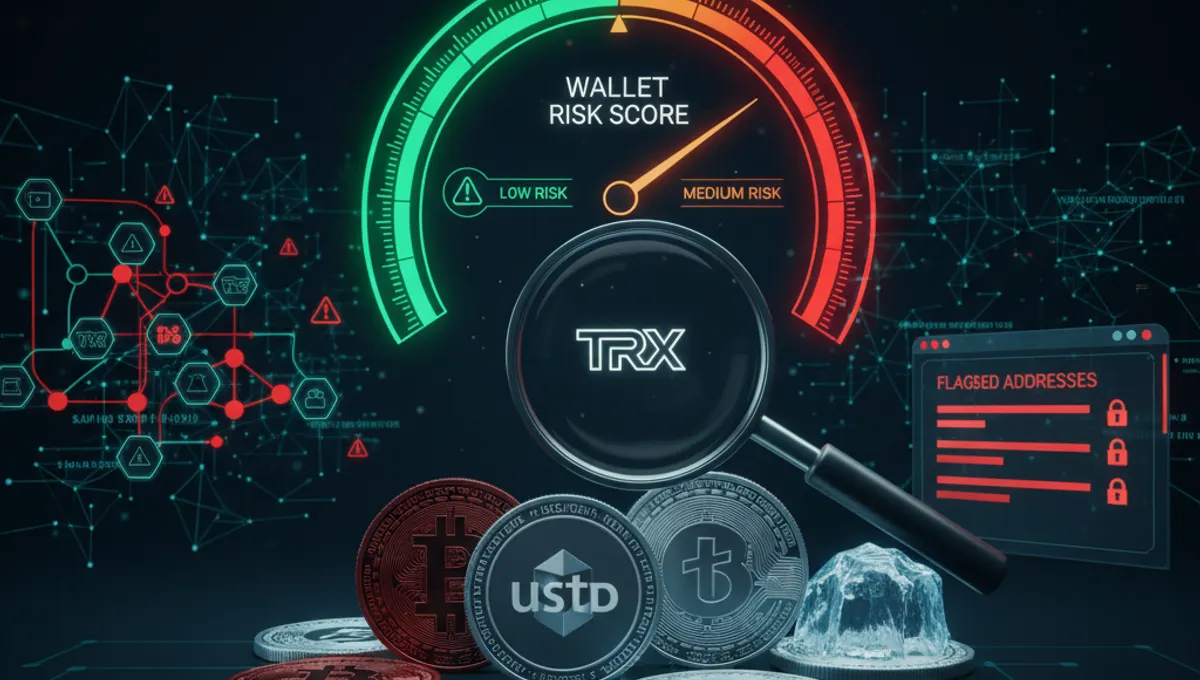
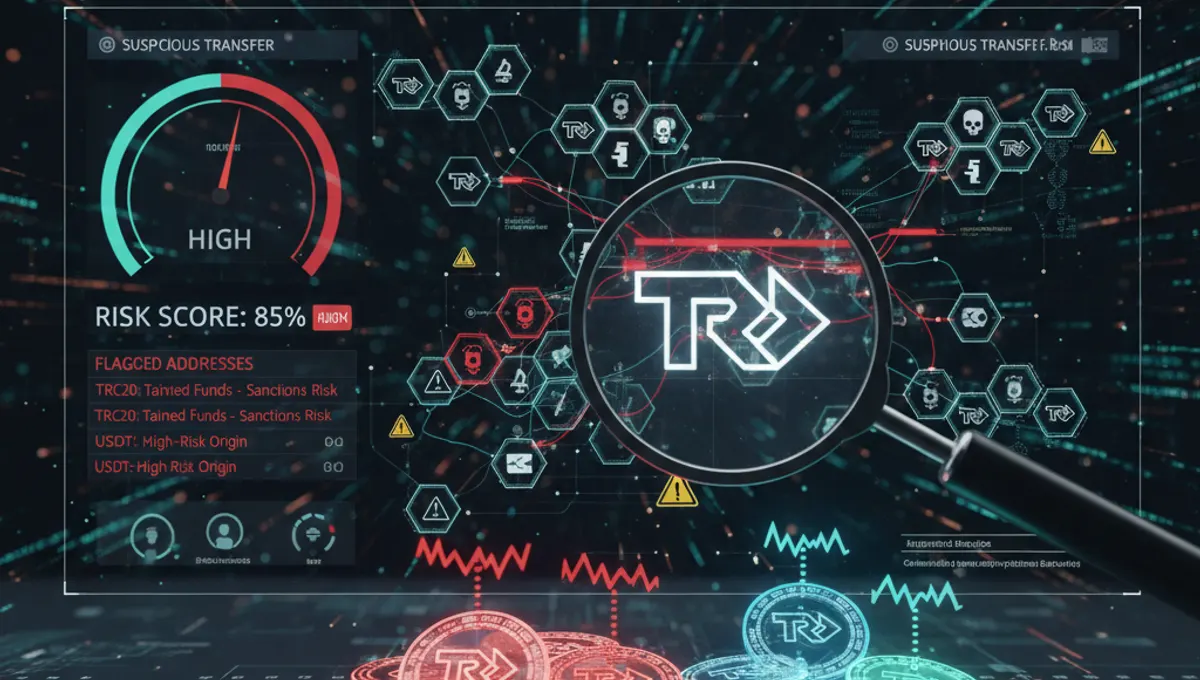
Risk scores typically range from 0 (clean) to 100 (high risk), though some systems use percentage scales or categorical ratings. A score of 0–20 generally indicates no detected issues; funds from these addresses are accepted by most exchanges without delay. Scores of 21–50 suggest minor concerns such as interaction with unverified entities or low-volume mixer usage; exchanges may flag these for manual review but usually allow transactions. Scores of 51–80 indicate moderate risk, including direct mixer involvement or transaction patterns resembling layering; exchanges often require additional documentation or impose temporary holds. Scores above 80 signal high risk from sanctions exposure, darknet market links, or stolen funds; exchanges typically reject these addresses outright. Understanding your wallet's risk score before sending funds prevents unexpected rejections and account freezes.
How to Check a Wallet Before Receiving USDT or TRX
Before accepting funds into your wallet, follow these steps to verify the sender's address: (1) Obtain the sender's wallet address in full. (2) Visit a trusted AML screening service—our curated list of verified AML services on the AML Services page includes tools that support Tron, USDT TRC20, and Bitcoin screening. (3) Enter the address and initiate the scan. (4) Review the risk score, sanctions matches, and transaction history summary. (5) If the score is below 50 and no sanctions flags appear, the address is generally safe. (6) If the score exceeds 50 or sanctions are detected, ask the sender for clarification or decline the transaction. This AML check tron and USDT screening takes minutes and protects you from receiving frozen or seized funds.
Common Risk Categories in AML Checks
AML check crypto screening identifies several risk categories that trigger flags: Sanctions exposure occurs when an address is linked to individuals or entities on OFAC, EU, or UN sanctions lists. Darknet market interaction includes transactions with known illegal marketplaces. Mixer usage indicates funds passed through privacy-mixing services, which obscure transaction trails. Stolen funds are identified through blockchain analysis linking addresses to known theft or hacks. Scam proceeds come from addresses associated with Ponzi schemes, rug pulls, or phishing attacks. Gambling platform interaction may trigger flags depending on jurisdiction and exchange policy. Ransomware payments are flagged when linked to known extortion campaigns. Each category carries different compliance weight; sanctions exposure typically results in immediate rejection, while mixer usage may allow transaction with manual review.
What Happens If Your Wallet Is Flagged as High Risk
If your wallet receives a high risk score during an AML check, several outcomes are possible. Exchanges may temporarily freeze your account pending manual compliance review, which can take days or weeks. Your USDT or other stablecoins may be held in escrow while investigators verify your source of funds. You may be required to provide documentation such as proof of purchase, invoices, or bank statements explaining the transaction history. In severe cases involving sanctions or stolen funds, exchanges permanently ban the address and may report it to regulators. If your coins are flagged as dirty or tainted, you cannot easily transfer them to another exchange; most will reject them on arrival. To avoid this situation, use reputable exchanges for all transactions, avoid mixing services, and maintain clear records of fund sources. If flagged, contact the exchange's compliance team immediately with supporting documentation.
Acceptable AML Check Risk Thresholds
Most exchanges set internal thresholds for accepting deposits: addresses with risk scores below 30 are typically accepted without review. Scores between 30 and 60 may trigger additional verification steps such as KYC (Know Your Customer) documentation or source-of-funds confirmation. Scores above 60 are often rejected automatically or escalated to compliance teams for manual decision-making. However, thresholds vary significantly between exchanges; some are more conservative, rejecting scores above 40, while others tolerate scores up to 70 if no sanctions flags are present. Before sending large amounts, check your receiving exchange's published AML policy or contact their support team to confirm their specific thresholds. Using our verified AML services list allows you to screen addresses against the same standards many exchanges use, reducing surprises at deposit time.
Frequently asked questions
What is the difference between AML check and KYC?
AML checks screen wallet addresses and transaction history for illicit activity and sanctions exposure. KYC (Know Your Customer) verifies the identity of the person or entity controlling the wallet through documents like passports or business licenses. Both are required by exchanges; AML checks the funds, KYC checks the person.
How long does an AML check crypto wallet take?
Most AML check crypto scans complete within minutes to a few hours. Automated screening against sanctions lists and known darknet addresses is instant. Manual compliance review, if triggered by a high risk score, can take 1–7 days depending on exchange workload and documentation requirements.
Can I use a mixer to clean my crypto before an AML check?
No. Using a mixer to obscure transaction history is flagged as high-risk behavior during AML checks and often triggers sanctions or rejection. Mixers are associated with money laundering; exchanges and compliance systems specifically detect mixer interactions. Attempting to hide funds this way increases risk rather than reducing it.
What should I do if my USDT TRC20 address is flagged as high risk?
Contact your exchange's compliance team immediately with documentation explaining your transaction history and source of funds. Provide invoices, purchase receipts, or bank statements. Cooperate fully with their investigation. If the flag is a false positive, they may clear it. If linked to genuine illicit activity, the funds may be frozen or seized.
Are there free AML check tools for Bitcoin and Tron addresses?
Yes, several services offer free basic screening with limited reports. However, comprehensive AML check crypto analysis typically requires paid plans. Our verified AML services page lists trusted tools offering both free and premium options for Bitcoin, Tron, and USDT screening.