What Is an AML Crypto Check and Why It Matters
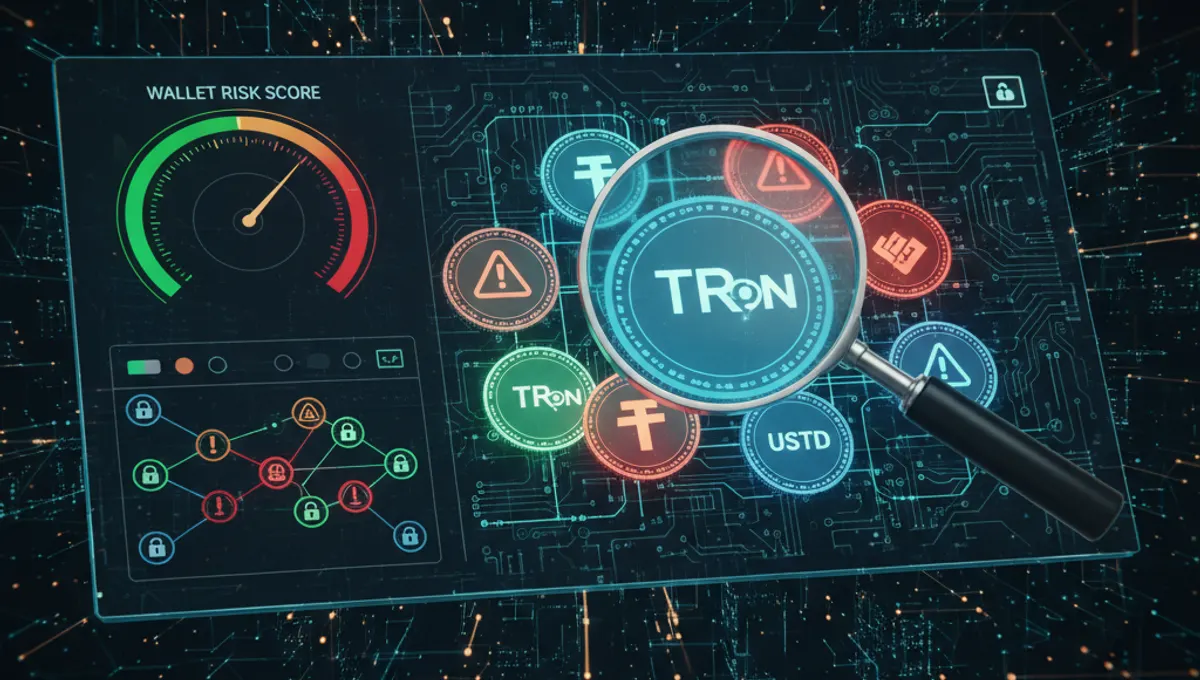
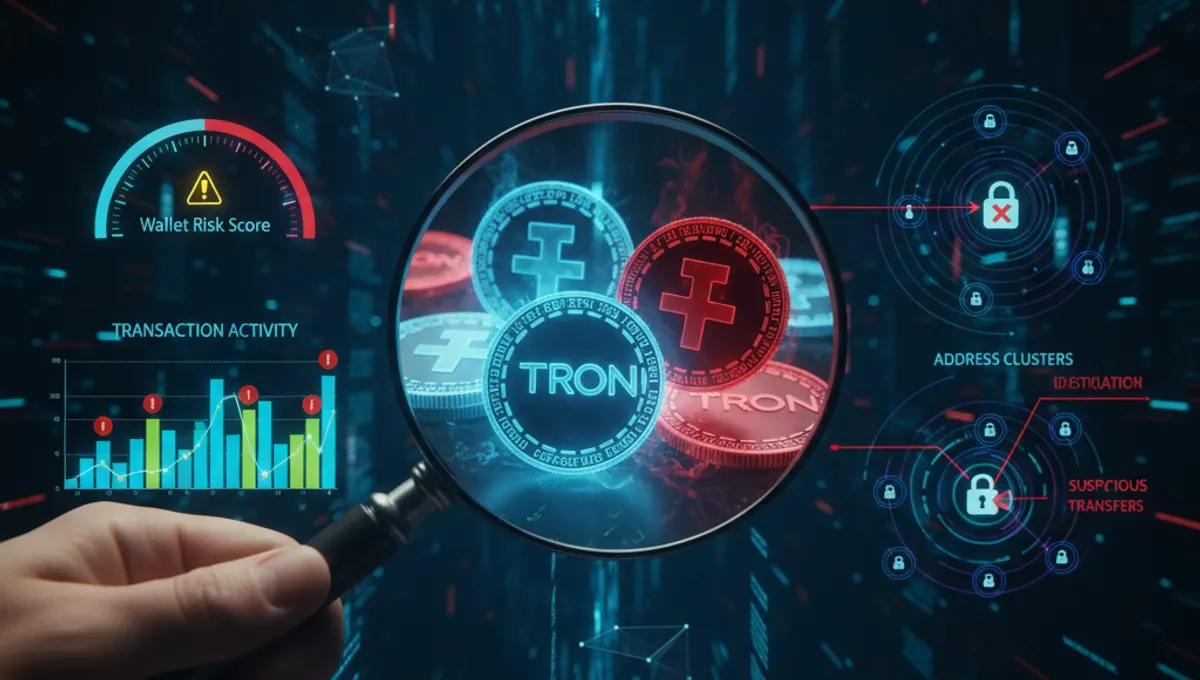
An AML crypto check is a compliance scan that examines a wallet's transaction history and linked entities to assign a risk score. AML stands for anti-money laundering, and these checks flag addresses tied to theft, sanctions, mixers, darknet markets, and scams. When you receive USDT on Tron or Bitcoin, the sending wallet may carry risk that propagates to you. Exchanges and custodians use AML screening to freeze accounts holding tainted coins, so a free wallet check before accepting funds protects you from receiving coins that could be locked or seized. Risk scoring ranges from low (clean, minimal exposure) to critical (direct darknet or theft connection). Understanding your wallet's score helps you decide whether to accept a transfer or request a different source.
How AML Crypto Wallet Check Risk Scores Work
Risk scores are calculated by analyzing on-chain transaction patterns, entity clustering, and historical incident databases. A wallet receives a score based on how many hops it is from known bad actors, whether it has interacted with mixers or sanctioned addresses, and if any of its received funds originated from theft or fraud. Low-risk wallets typically have direct, transparent transaction histories with no mixer or darknet exposure. Medium-risk wallets may have received funds from exchanges or peer-to-peer transfers with some indirect exposure. High and critical scores indicate direct or near-direct connections to stolen funds, sanctions lists, or illegal marketplaces. Free AML crypto check tools often show a simplified score (e.g., 1–10 or low/medium/high) and highlight the top risk factors. Paid services provide deeper forensics, including full transaction graphs and entity names. When checking a TRX or USDT address, the risk score reflects the entire transaction chain, not just the current balance.
Step-by-Step: How to Check a Crypto Wallet Before Receiving Funds
Follow these steps to run a free AML crypto check on any address:
1. Copy the wallet address you want to screen (Tron, Bitcoin, Ethereum, or other chain).
2. Visit a free blockchain analytics or AML screening tool (our curated AML Services page lists verified platforms with free tiers).
3. Paste the address into the search field and select the correct blockchain.
4. Review the risk score and summary: look for flags like mixer exposure, darknet connections, or theft history.
5. Check the transaction timeline: does the wallet show recent activity or dormant funds?
6. Examine linked entities: some tools show exchange names or known scam labels.
7. Decide: if the score is low or medium with no theft flags, the address is generally safe. If high or critical, ask the sender for clarification or request funds from a different address.
For USDT TRC20 checks, ensure the tool supports Tron; for Bitcoin, verify it scans the main chain. Most free checks complete in seconds.
Understanding Risk Score Levels and What They Mean
Risk scores typically fall into four categories:
**Low Risk (0–2):** Clean transaction history, no mixer or darknet exposure, minimal indirect connections to flagged entities. Safe to receive and hold.
**Medium Risk (3–5):** Some exposure to exchanges, peer-to-peer networks, or indirect connections to flagged addresses. Generally acceptable, but monitor for further activity.
**High Risk (6–8):** Direct or near-direct exposure to mixers, sanctioned entities, or theft incidents. Many exchanges will flag or freeze accounts holding these coins.
**Critical Risk (9–10):** Direct connection to darknet markets, recent theft, active sanctions lists, or known scam wallets. Exchanges will almost certainly reject or freeze these funds.
When you receive USDT or TRX, a medium-risk score is usually acceptable if the sender is known and legitimate. High or critical scores warrant investigation: ask the sender why their wallet shows risk, or decline the transfer. Free AML crypto checks display these levels in simple terms; paid tools provide detailed breakdowns of each risk factor.
Free vs. Paid AML Crypto Check Tools: What You Get
Free AML crypto check tools offer basic risk scoring, transaction summaries, and entity labels. They work well for quick screening before receiving a single transfer. Limitations include fewer historical records, simplified risk categories, and no detailed forensics or API access.
Paid services provide deeper analysis: full transaction graphs, entity clustering, sanctions list matching, darknet marketplace detection, and downloadable reports for compliance. They also offer batch checking, API integration, and real-time monitoring for businesses.
For individual users checking a TRX or USDT address occasionally, free tools are sufficient. For businesses, exchanges, or frequent crypto operations, paid subscriptions provide the forensic depth needed for KYT (Know Your Transaction) compliance.
Our AML Services page curates verified platforms offering both free and premium tiers. Starting with a free check there is the safest way to screen wallets without committing to a subscription. Many services let you run 5–10 free checks per month before requiring payment.
What to Do If Your Wallet Is Flagged as Tainted or High-Risk
If an AML crypto check reveals your wallet or received funds are flagged:
1. **Verify the source:** Ask the sender why their wallet shows risk. Legitimate users may have received funds from exchanges or peer networks that appear flagged but are safe.
2. **Check the specific risk factor:** Is it mixer exposure, sanctions, theft, or just indirect connections? Mixer exposure alone is not illegal but may trigger exchange freezes.
3. **Contact your exchange:** If you hold the coins on an exchange, ask support whether they will accept deposits from this address. Some exchanges are stricter than others.
4. **Trace the origin:** Use a free AML crypto check to follow the transaction chain backward. If the funds came from a known theft or darknet market, do not accept them.
5. **Request alternative funds:** If the sender can provide funds from a cleaner address, ask them to do so.
6. **Document everything:** Keep records of your AML checks and communications in case you need to prove compliance.
If you have already received flagged funds, do not panic. Many wallets show medium risk without legal consequence. However, exchanges may freeze accounts or require additional KYC verification. Proactive screening prevents this headache.
How Exchanges Freeze USDT and Accounts Over AML Flags
Exchanges and custodians use AML screening to monitor incoming deposits. When you deposit USDT or other tokens, their systems run an automatic check on the sending wallet. If the address shows high or critical risk—especially direct theft or sanctions exposure—the exchange may:
1. **Freeze the deposit:** The funds arrive but remain locked pending review.
2. **Flag your account:** Your profile is marked for manual compliance review.
3. **Request KYC verification:** You may need to provide additional identity documents and proof of funds source.
4. **Reject the deposit:** Some exchanges automatically return high-risk transfers.
5. **Close your account:** In extreme cases (sanctions, known scam involvement), exchanges terminate accounts.
Frozen USDT on Tron or Bitcoin can take weeks to unfreeze, and there is no guarantee. Prevention is far simpler: run a free AML crypto check before accepting large transfers. If the score is high or critical, decline or request alternative funds. This simple step avoids account freezes, compliance headaches, and lost time.
Frequently asked questions
Can I check if a crypto wallet is clean for free?
Yes. Most blockchain analytics platforms offer free AML crypto checks with basic risk scoring. Visit a verified service on our AML Services page, paste the wallet address, and get a risk score within seconds. Free tiers typically allow 5–10 checks per month. For detailed forensics, paid subscriptions are required.
What does a high AML risk score mean for my USDT or Bitcoin?
A high AML risk score indicates the wallet has exposure to mixers, sanctions lists, theft, or darknet markets. Exchanges may freeze deposits from high-risk addresses or require additional KYC verification. If you receive funds from a high-risk wallet, contact your exchange before depositing to confirm they will accept it.
How do I check a Tron address for tainted coins?
Copy the Tron (TRX or USDT TRC20) address, visit a free AML screening tool that supports Tron, and paste the address. Select Tron as the blockchain and review the risk score and transaction history. Look for flags like mixer exposure, darknet connections, or theft incidents. Most checks complete in seconds.
Will an AML crypto check detect stolen funds?
Yes. Free and paid AML checks compare wallet activity against theft incident databases and known scam addresses. If a wallet has received stolen funds, the check will flag it with a high or critical risk score and note the theft connection. However, detection depends on the incident being reported to the analytics platform.
What is the difference between free and paid AML crypto checks?
Free checks provide basic risk scores and entity labels, suitable for occasional wallet screening. Paid services offer detailed transaction graphs, sanctions matching, darknet detection, batch checking, and API access for compliance teams. For individual users, free checks are sufficient; businesses need paid subscriptions for full KYT coverage.