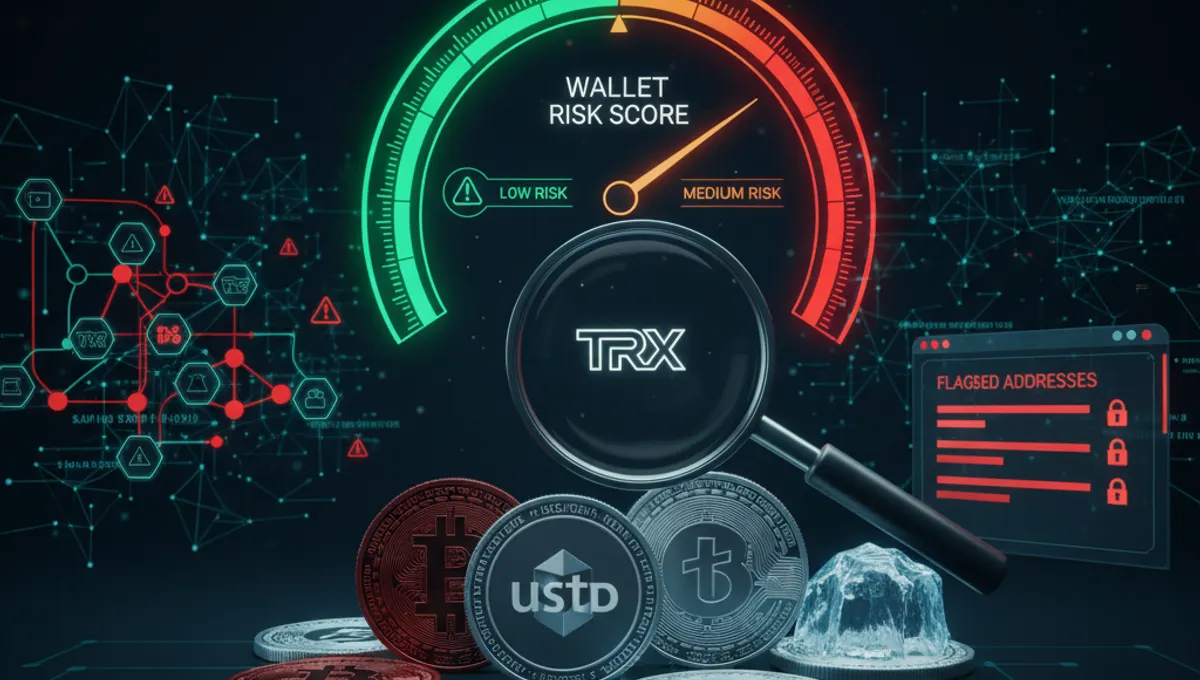
What Is an AML Check Fee and Why Does It Vary?
An AML check fee covers the cost of running your wallet address through blockchain analytics databases, sanctions lists, and risk-scoring algorithms. The fee structure depends on several factors: whether you're checking one address or hundreds, the blockchain (Bitcoin, Tron, Ethereum), the depth of analysis (basic risk score versus full transaction history), and whether you need real-time monitoring. Some services charge per check, others use monthly subscriptions, and a few offer free tiers with limited functionality. Enterprise clients often negotiate custom pricing. The variation reflects differences in data quality, update frequency, and the sophistication of the underlying detection models.
How AML Check Fee Pricing Models Work
Most AML services use one of three pricing approaches. Pay-per-check models charge a fixed amount for each wallet scan—useful if you screen addresses infrequently. Subscription plans offer monthly or annual rates with a set number of checks included, ideal for businesses that screen regularly. Freemium models provide basic AML check crypto functionality at no cost but limit results or checks per month, with paid upgrades for detailed reports. Some platforms charge extra for specific features: historical transaction analysis, darknet exposure detection, or USDT TRC20 compliance reports. Understanding your screening volume and use case—whether you're a trader verifying a single address or an exchange running thousands of daily checks—determines which model offers the best value.
AML Check Fee by Service Type and Blockchain
Fees differ based on the blockchain and service tier. Bitcoin and Ethereum address screening typically costs less than specialized Tron or USDT TRC20 analysis because more services support these networks. A basic AML check process for a single address might range from free (with limited data) to a few dollars for a full risk report. Bulk screening or API access for continuous monitoring commands higher fees. Tron-specific screening may cost more because fewer providers focus on that blockchain. Services listed on our curated AML Services directory show transparent pricing—checking there gives you a clear picture of what different providers charge and what's included in each tier. Enterprise solutions for compliance teams naturally cost more but include features like transaction monitoring, alert systems, and regulatory reporting.
AML Check Requirements and How They Affect Cost
The scope of your AML check requirements directly impacts the fee. A simple risk score (flagging whether a wallet has darknet or mixer exposure) costs less than a forensic analysis that traces every transaction back to its source. Sanctions screening—checking if an address belongs to a sanctioned entity—is often bundled into standard fees but may be charged separately for high-frequency checks. KYT (Know Your Transaction) monitoring, which tracks ongoing activity, costs more than a one-time snapshot. If you need compliance documentation for regulatory purposes, expect higher fees to cover report generation and audit trails. Defining your exact requirements before choosing a service prevents paying for unused features.
Free vs. Paid AML Check Crypto Options
Free AML check crypto tools exist but come with trade-offs. Some services offer one or two free checks per month to let you test their platform; others provide free basic risk scoring but charge for detailed reports. Free options typically show whether a wallet has a high, medium, or low risk score and flag obvious red flags like mixer or darknet exposure. Paid services deliver deeper analysis: full transaction histories, entity identification, stolen fund detection, and frozen USDT warnings. For occasional users, free tiers suffice. For businesses handling customer deposits or compliance-sensitive transactions, paid services justify their AML fee through accuracy, speed, and legal defensibility. Our AML Services page lists verified providers with transparent free and paid tiers so you can compare directly.
How to Choose an AML Service Based on Fee and Features
Start by defining your screening volume and use case. If you check fewer than 10 addresses monthly, a free or low-cost per-check service works. If you screen 100+ addresses, a subscription becomes cost-effective. Next, verify the service covers your blockchain: Bitcoin, Ethereum, Tron, or USDT TRC20. Check what's included in the AML fee—risk score, sanctions screening, darknet detection, and transaction history. Read reviews and test free trials to confirm accuracy. Avoid services that hide pricing or charge surprise fees for API access. Our directory of verified AML services provides side-by-side comparisons of pricing, coverage, and features, making it easier to find the right fit without overpaying.
What Happens If Your Wallet Is Flagged After an AML Check
If an AML check reveals a high-risk score or tainted funds, your wallet may face restrictions. Exchanges can freeze USDT or other assets pending investigation. Your account may be suspended until you provide proof of funds origin. If your coins are flagged as stolen or linked to sanctions, recovery is difficult—most exchanges will not release them. The AML check process is designed to catch these issues before they become problems. If you receive flagged coins, act quickly: contact the exchange, provide transaction history, and cooperate with their compliance team. Prevention is cheaper than remediation. Always verify the source of incoming crypto and use AML screening before accepting large transfers.
Frequently asked questions
How much does an AML check cost?
Costs range from free (basic risk score) to several dollars per check for detailed reports. Subscription plans typically cost $10–100+ monthly depending on check volume. Enterprise pricing is custom. Check our AML Services directory for transparent pricing from verified providers.
Do I have to pay for an AML check every time?
Not necessarily. Free tiers offer limited checks monthly. Paid subscriptions include multiple checks. Some services charge per check, others charge per month. Choose based on your screening frequency.
What does an AML fee include?
Typically: risk score, sanctions screening, darknet/mixer detection, and basic transaction history. Premium fees add forensic analysis, stolen fund tracking, and compliance reports. Verify what each service includes before paying.
Is there a free AML check for Tron addresses?
Some services offer one or two free Tron checks monthly. Full AML check Tron screening usually requires a paid plan. Test free tiers first to see if they meet your needs before committing to an AML fee.
Why do AML fees vary between services?
Variation reflects data quality, blockchain coverage, update frequency, and analysis depth. Services with real-time monitoring and forensic tools charge more. Compare features on our AML Services page to find the best value for your use case.