What Is the AML Check Process and Why It Matters
The AML check process combines blockchain analysis with regulatory screening to evaluate whether funds are clean or compromised. When you initiate an AML check on a crypto wallet, the system traces the wallet's transaction history backward, looking for red flags: connections to known mixers, darknet marketplaces, scam addresses, sanctioned entities, or stolen fund pools. Exchanges and custodians use this process to comply with anti-money laundering regulations and prevent account freezes. A single transaction involving tainted USDT on Tron or a flagged Bitcoin address can trigger account restrictions, making pre-transaction screening essential. The process protects both you and financial institutions from regulatory penalties and reputational damage.
How AML Risk Scoring Works
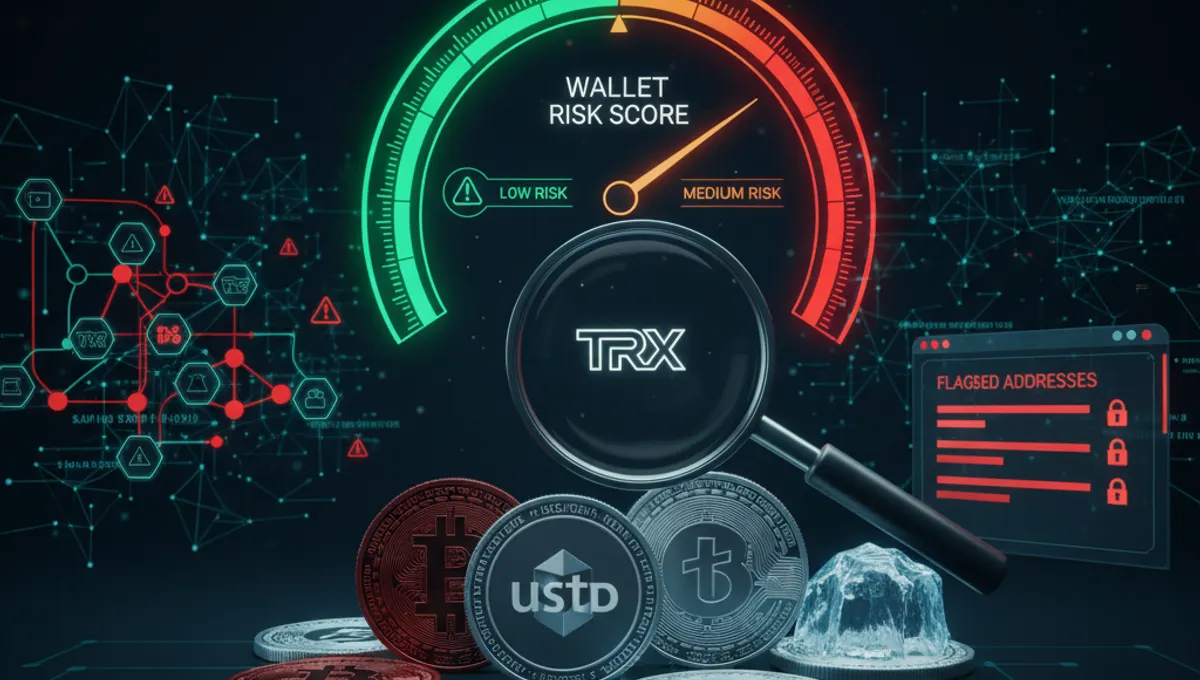
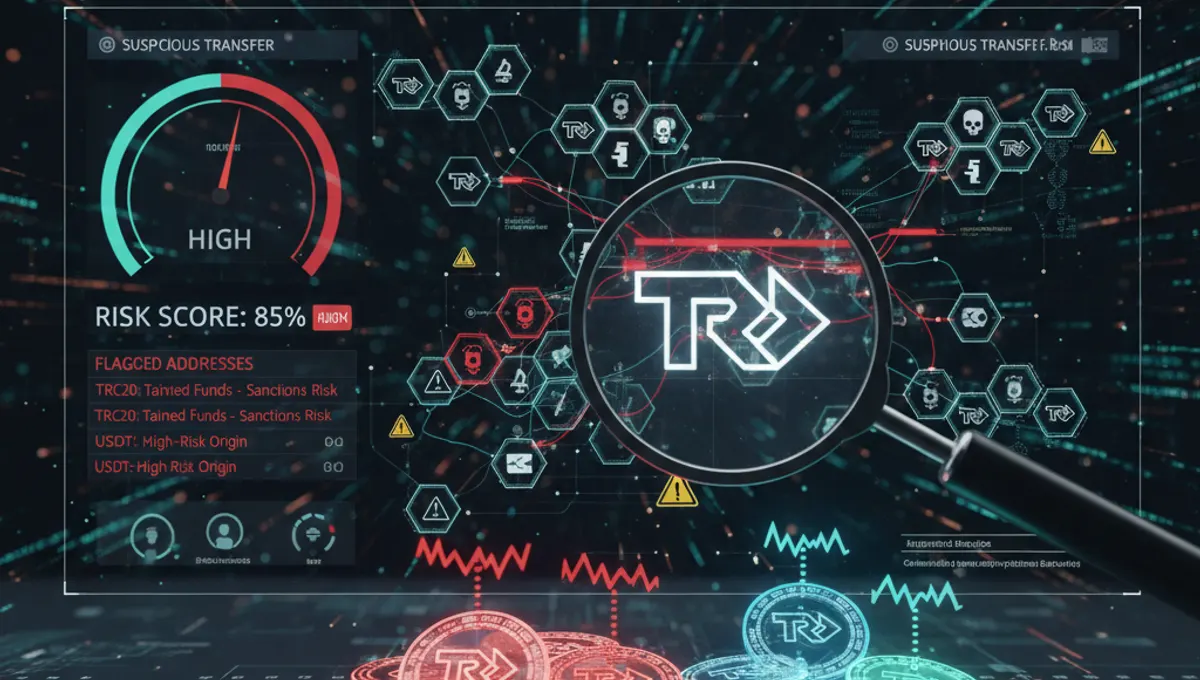
Risk scoring in an AML check process assigns a numerical or categorical rating to a wallet based on transaction patterns and historical data. Most systems use a scale from low (clean funds) to high (significant red flags). The scoring algorithm examines factors like transaction frequency, wallet age, fund mixing behavior, and connections to known risky addresses. A wallet receiving funds directly from a known gambling site or mixer may receive a higher risk score than one with steady peer-to-peer transfers. Risk scores are not binary; they reflect the degree of concern. A medium-risk score might indicate unverified fund sources, while a high score suggests direct links to theft, sanctions, or illegal markets. Understanding your wallet's risk score before moving large amounts of USDT TRC20 or Bitcoin helps you decide whether to proceed or investigate further.
Step-by-Step AML Check Process for Your Crypto Wallet
To perform an AML check on a crypto wallet, follow these steps:
1. Gather the wallet address: Copy the full address of the wallet you want to check (Bitcoin, Tron, Ethereum, or other supported chains).
2. Select a screening service: Visit the verified AML services listed on our AML Services page to find a trusted provider that supports your wallet type.
3. Enter the address: Paste the wallet address into the screening tool.
4. Review the risk report: The service generates a report showing the risk score, transaction history summary, and any flagged connections.
5. Check for tainted coins: Look for warnings about stolen funds, darknet exposure, or sanctions involvement.
6. Assess the AML check fee: Note any costs associated with the check (some services offer free basic checks with limited data).
7. Make a decision: If the risk is acceptable, proceed; if not, investigate further or decline the transaction.
This process typically takes seconds to minutes and provides immediate clarity on wallet safety.
AML Check Requirements for Exchanges and Custodians
Most regulated exchanges and custodians require an AML check on incoming deposits above certain thresholds, though the exact requirements vary by jurisdiction and institution. When you deposit USDT on Tron or send Bitcoin to an exchange, the platform may automatically screen the wallet address against sanctions lists, stolen fund databases, and transaction behavior patterns. Some exchanges require explicit AML check requirements before accepting large transfers, asking users to confirm the funds' origin or provide transaction documentation. Custodians holding crypto for institutions often conduct deeper AML checks, including tracing funds back multiple transaction hops. Failure to meet AML check requirements can result in account freezes, withdrawal delays, or permanent account closure. Understanding your exchange's specific AML check requirements before depositing helps you avoid surprises and compliance violations.
Common Risk Flags in AML Checks: What They Mean
During an AML check process, several risk flags may appear:
- Mixer exposure: Funds passed through a coin mixer or tumbler, obscuring their origin.
- Darknet connection: Wallet received funds from or sent to known darknet marketplace addresses.
- Stolen funds: Address linked to a known theft, hack, or fraud incident.
- Sanctions involvement: Wallet connected to sanctioned individuals, entities, or countries.
- Gambling activity: Funds sourced from or sent to gambling platforms (regulatory concern in some jurisdictions).
- Scam association: Address linked to known Ponzi schemes, rug pulls, or fraud.
- High-risk exchange: Funds from an unregulated or high-risk exchange with poor compliance.
A single flag does not automatically mean you cannot use the funds, but it signals the need for caution. Multiple flags or a high-risk score warrant deeper investigation or avoidance of the transaction.
AML Check Fee and Service Comparison
AML check fees vary widely depending on the service provider and depth of analysis. Some services offer free basic AML checks that provide a risk score and summary, while detailed reports with full transaction history and risk breakdown may cost a small fee per check. Enterprise-level AML check services for institutions charge subscription fees or per-transaction rates. When comparing services, consider not just the AML check fee but also the speed of results, supported blockchains (Tron, Bitcoin, USDT, Ethereum), accuracy of risk scoring, and quality of reporting. Free AML checks are useful for quick screening, but paid services often provide more comprehensive data and faster results. Our AML Services page curates verified providers with transparent pricing, helping you choose a service that matches your needs and budget without overpaying for unnecessary features.
What to Do If Your Wallet Receives Tainted Coins
If an AML check reveals that your wallet has received tainted or flagged funds, take these steps:
1. Do not immediately move the funds: Transferring tainted coins may trigger additional scrutiny and compliance holds.
2. Document the source: If you received the funds legitimately (e.g., from an employer or peer), gather proof of the transaction's origin.
3. Contact the sender: Ask the sender to clarify the fund source and provide documentation if needed.
4. Report to your exchange: If you plan to deposit the funds, inform your exchange of the situation and provide context.
5. Consider segregation: Move clean funds to a separate wallet to avoid commingling with flagged coins.
6. Consult compliance guidance: If the risk score is very high or involves sanctions, seek legal or compliance advice.
Most exchanges will not automatically freeze your account for receiving tainted coins once, especially if you can explain the source. However, repeated receipt of flagged funds or high-risk patterns may trigger account restrictions. Proactive transparency and documentation are your best defense.
Frequently asked questions
How long does an AML check process take?
Most AML checks complete in seconds to a few minutes. The system queries blockchain data and risk databases in real time. Some detailed reports may take longer if they require manual review, but standard automated checks are nearly instantaneous. Speed depends on the service provider and report complexity.
Is an AML check on a crypto wallet free?
Many services offer free basic AML checks that provide a risk score and summary. Detailed reports with full transaction history and risk breakdowns may charge a small fee per check. Enterprise and subscription services have different pricing models. Check the AML Services page for providers offering free or low-cost screening options.
Can I check a Tron USDT address before receiving funds?
Yes. You can perform an AML check on any Tron address, including USDT TRC20 wallets, before accepting a transfer. Enter the wallet address into a screening service to see its risk score, transaction history, and any flags. This helps you avoid receiving tainted coins or funds linked to sanctions or theft.
What does a high AML risk score mean for my Bitcoin wallet?
A high AML risk score indicates your Bitcoin wallet has significant red flags, such as connections to mixers, darknet markets, stolen funds, or sanctioned entities. It does not mean the funds are definitely illegal, but it signals heightened compliance risk. Exchanges may freeze your account or require additional documentation before accepting deposits from a high-risk wallet.
Will my exchange freeze my account if I deposit flagged crypto?
Possibly. If you deposit crypto with a high AML risk score or tainted coin flags, your exchange may freeze the account pending investigation or documentation. The outcome depends on the exchange's compliance policies, the severity of the flags, and your ability to explain the fund source. Proactive AML checks before depositing help you avoid this scenario.