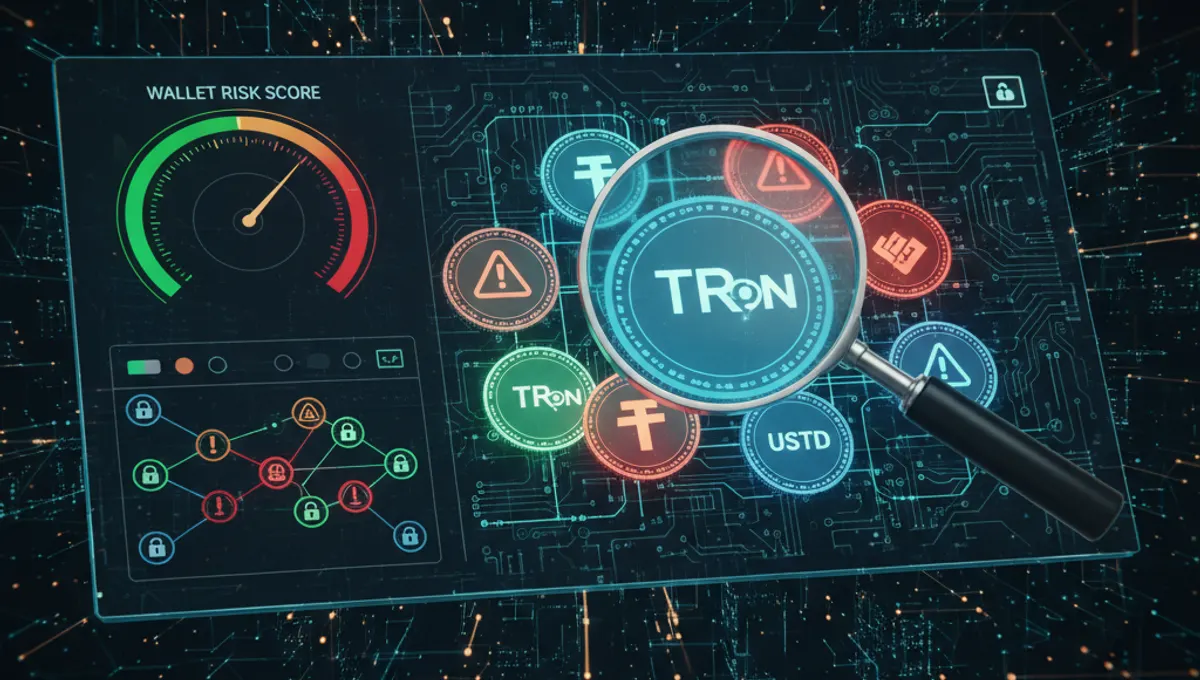
What Is a Free AML Crypto Check and Why Telegram Traders Need It
An AML crypto check scans a blockchain address against sanctions lists, known theft databases, mixer outputs, and darknet market wallets. When you receive USDT TRC20 or Bitcoin on Telegram, you have no way to know if those coins came from a scam, ransomware, or a frozen exchange account. Running a free AML crypto check takes seconds and flags high-risk addresses before the transaction settles. Telegram's peer-to-peer trading culture makes this essential: exchanges ban accounts that hold flagged coins, and compliance teams freeze wallets linked to sanctioned entities or stolen funds. A quick screening costs nothing and prevents costly account locks or regulatory complications.
How AML Risk Scoring Works for Crypto Wallets
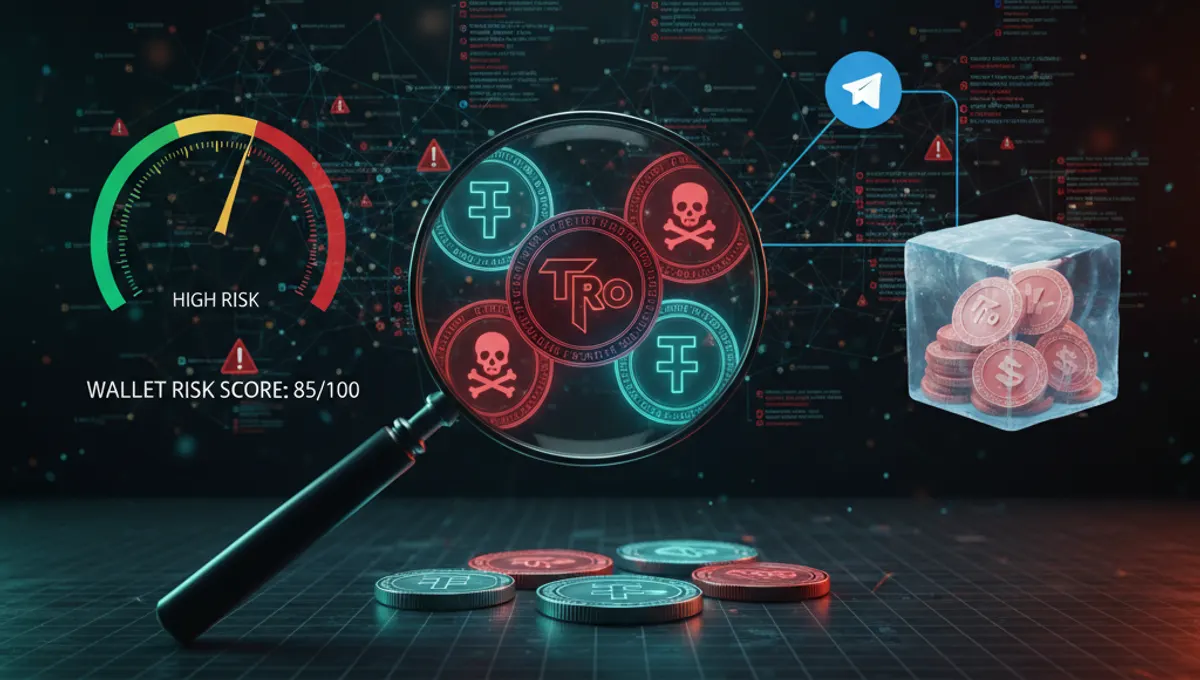
Risk scoring assigns a numerical or categorical rating to a wallet based on transaction history and associated entities. A low risk score means the address has clean transaction patterns and no known links to theft, sanctions, or darknet activity. A high risk score indicates the wallet has received funds from mixers, darknet markets, or addresses flagged by law enforcement. Most free AML crypto check tools use color coding (green, yellow, red) or numeric scales (0–100). Factors that raise risk include: direct transfers from known theft addresses, multiple mixer transactions, rapid fund movement to exchanges, and connections to sanctioned jurisdictions. Understanding these categories helps you decide whether to accept a payment or request an alternative wallet from your counterparty.
Step-by-Step: How to Run a Free AML Crypto Check on a Tron or Bitcoin Address
1. Copy the wallet address you want to screen (e.g., a TRX or USDT TRC20 address from Telegram).
2. Visit a free AML screening tool—check the curated list of verified AML services on our AML Services page for trusted no-cost options.
3. Paste the address into the search field.
4. Review the risk score and any flagged categories (sanctions, theft, mixer, darknet).
5. Read the transaction summary to understand why the score is high or low.
6. If the score is green or low, the wallet is likely safe to receive from.
7. If the score is red or high, ask your counterparty for an alternative address or decline the transaction.
Most free checks complete in under 10 seconds and require no account creation. Some tools offer limited free scans per day, so plan accordingly if you trade frequently.
Understanding Risk Score Levels and What They Mean
Risk scores typically fall into three bands:
Low Risk (0–30 or Green): The address has clean transaction history, no known theft or sanctions links, and minimal mixer exposure. Safe to receive funds from.
Medium Risk (31–70 or Yellow): The address has some exposure to higher-risk entities or transaction patterns, but no direct sanctions or theft flags. Use judgment; consider asking the sender for more context.
High Risk (71–100 or Red): The address has direct links to theft, sanctions lists, darknet markets, or heavy mixer usage. Do not receive funds from this wallet unless you have strong reason to trust the sender and understand the compliance risk.
These thresholds vary slightly between AML tools, so always check the specific risk factors listed alongside the score. A single transaction to a mixer does not automatically mean the wallet is compromised; context matters. Conversely, a wallet with multiple rapid transfers to exchanges may indicate layering activity.
What to Do If Your Crypto Wallet Is Flagged as Dirty or High-Risk
If you receive coins flagged as tainted and your exchange account is frozen or restricted, immediate action is needed. First, do not attempt to move the funds to another exchange; that may trigger additional compliance holds. Contact your exchange's support team with documentation of the transaction (sender address, timestamp, reason for receipt). Explain that you were unaware of the coin's history and request a review. Some exchanges will unfreeze accounts if the flagged amount is small or the violation is deemed unintentional. If the freeze persists, consult a compliance specialist or legal advisor familiar with crypto regulations in your jurisdiction. For future transactions, always run a free AML crypto check before accepting payment. If a sender cannot provide a clean wallet address, decline the trade. Prevention is far simpler than remediation.
Free vs. Paid AML Crypto Check Tools: What You Get
Free AML crypto checks typically offer basic risk scoring and flag major red flags (sanctions, theft, darknet). They work well for one-off peer-to-peer trades on Telegram. Paid plans add features like batch address screening, transaction monitoring, historical risk reports, and API access for businesses. For casual traders, free is sufficient. For active traders or businesses processing multiple addresses daily, a paid plan saves time and provides audit trails. Our curated list of verified AML services includes both free and premium options; start with the free tier to understand how scoring works, then upgrade if you need ongoing monitoring. Many services offer a free trial of premium features, so test before committing.
How to Avoid Receiving Tainted Coins on Telegram
Best practices for safe peer-to-peer trading:
1. Always request the sender's wallet address in advance and run a free AML crypto check before confirming the trade.
2. Ask the sender where the coins came from (exchange, mining, salary, etc.). Legitimate senders can explain their source.
3. Use established Telegram trading groups with reputation systems; avoid one-off offers from new members.
4. If a deal seems too good to be true (unusually low price, pressure to decide quickly), it likely involves stolen or frozen funds.
5. Keep records of all AML checks and sender information in case your exchange later flags the transaction.
6. If you trade frequently, set up alerts or use a service with transaction monitoring to catch issues early.
7. Never accept coins from wallets with high risk scores, even if the sender claims they are safe.
These steps take minutes and protect your account from compliance holds and frozen funds.
Frequently asked questions
Can I run a free AML crypto check on a Telegram wallet address
Yes. Copy the wallet address from Telegram, paste it into a free AML screening tool, and get a risk score in seconds. Most free tools require no account and allow several checks per day. Check our verified AML services list for trusted free options.
What does a high risk score mean for a crypto wallet
A high risk score (typically 71–100 or red flag) indicates the wallet has received funds from theft, sanctions lists, darknet markets, or heavy mixer usage. Do not receive coins from high-risk wallets unless you have strong reason to trust the sender and understand the compliance consequences.
Will my exchange account be frozen if I receive tainted USDT or TRX
Possibly. If the coins are flagged as stolen or sanctioned, your exchange may freeze the account pending review. Running a free AML crypto check before accepting payment prevents this. If frozen, contact support with proof you were unaware of the coin's history.
How long does a free AML crypto check take
Most free AML checks complete in under 10 seconds. The tool scans the address against sanctions lists, theft databases, and mixer records, then returns a risk score and summary. No account creation is required for basic screening.
Are free AML crypto checks accurate compared to paid services
Free checks are accurate for basic risk detection and flag major red flags like sanctions and known theft. Paid services add batch screening, historical reports, and API access. For peer-to-peer Telegram trades, free is sufficient; for business use, consider a paid plan.