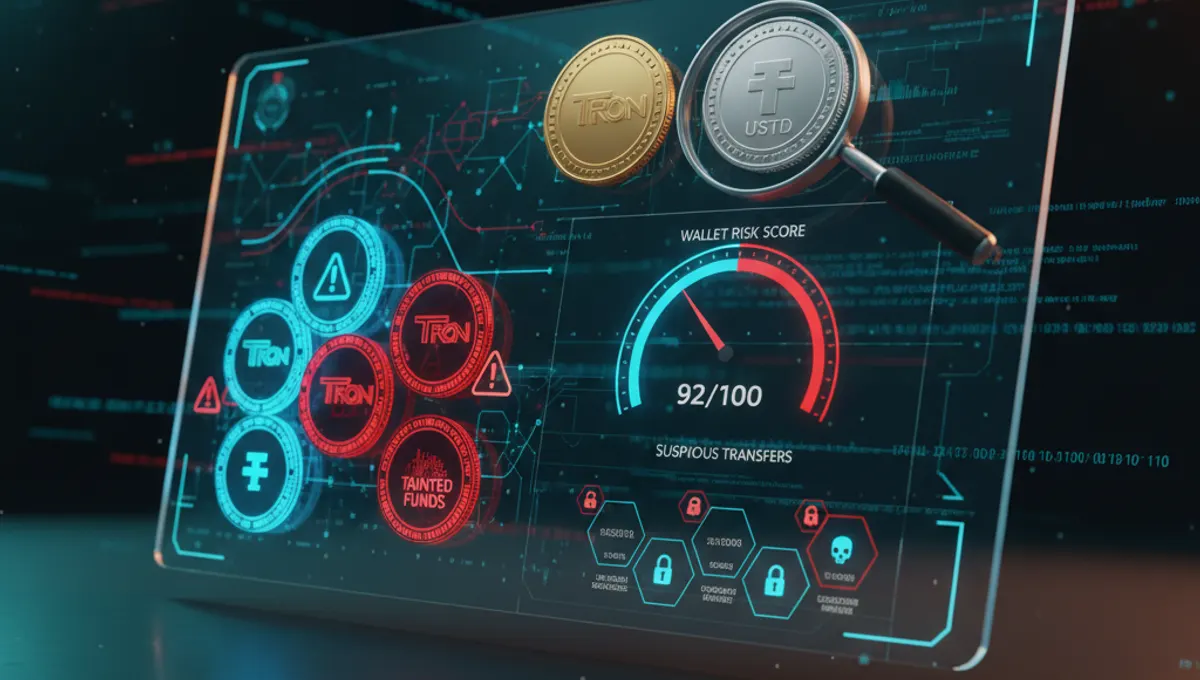
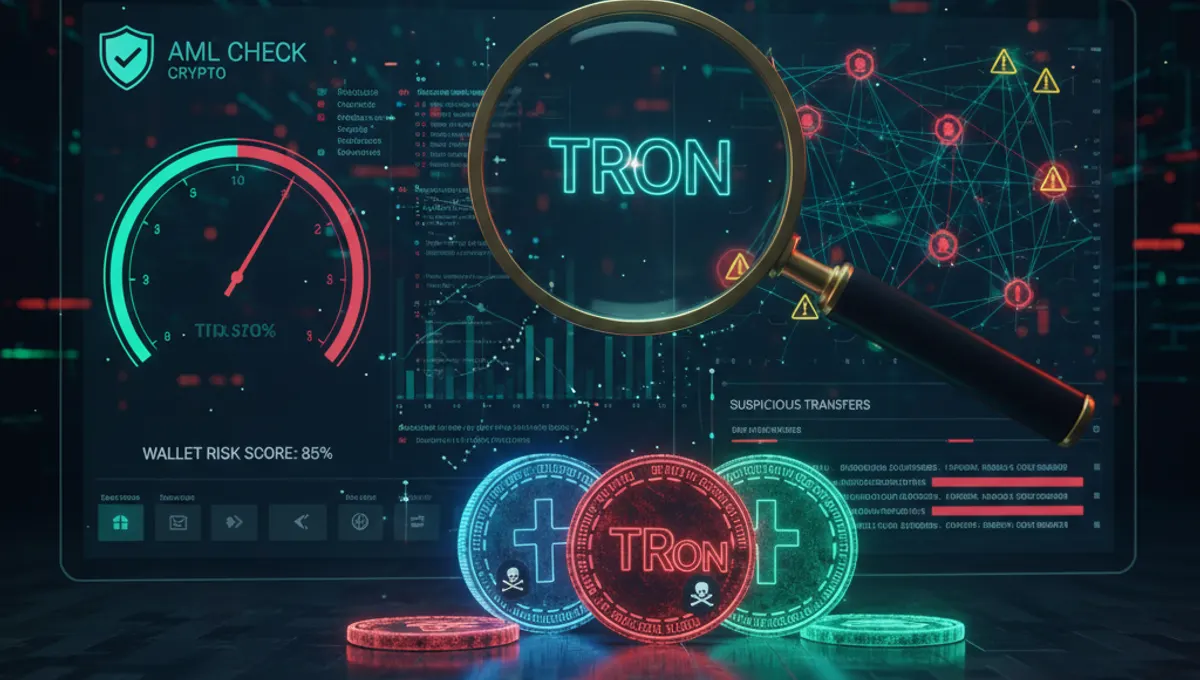
What Does an AML Check Crypto Wallet Do?
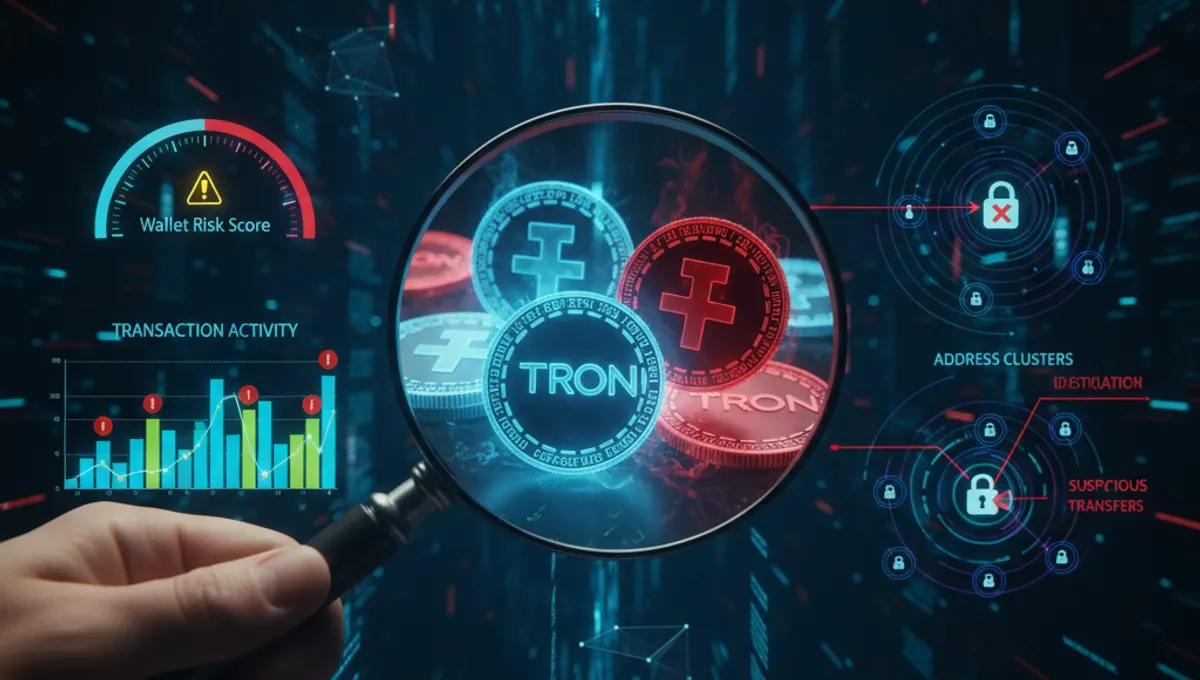
An AML check crypto wallet screens an address against multiple risk factors: transaction history with known mixers, darknet market connections, stolen fund traces, and sanctions list matches. The tool generates a risk score—typically ranging from low to critical—that indicates whether the wallet has been involved in suspicious activity. When you perform an AML crypto wallet check, you're looking for red flags like funds originating from exchange hacks, ransomware payments, or gambling platforms. The screening also flags frozen USDT or accounts banned by major exchanges. This process is essential for compliance teams, traders receiving large transfers, and anyone handling regulated assets. A proper wallet screening takes seconds and provides immediate clarity on whether an address is safe to transact with.
How to Check Crypto Wallet Balance and Risk Score
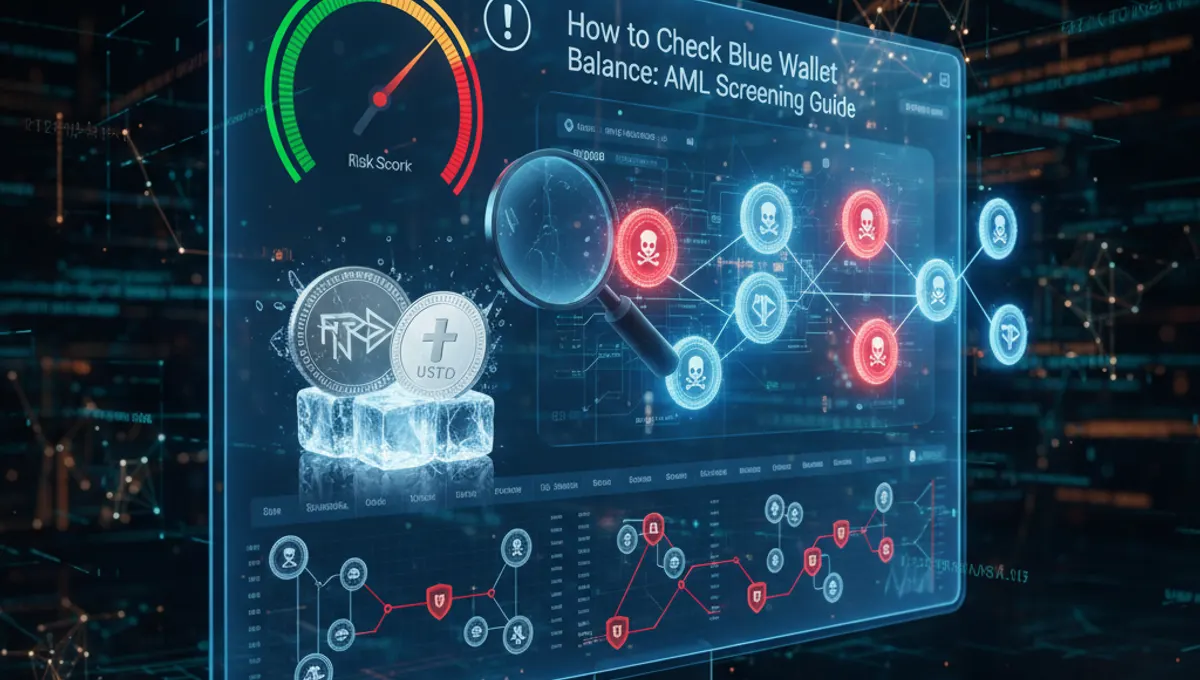
Checking a crypto wallet balance is straightforward on any blockchain explorer, but assessing risk requires a dedicated AML tool. Here's the process: First, copy the wallet address you want to verify. Second, navigate to a trusted AML screening service and paste the address into the search field. Third, the tool scans the address against its database of known risk indicators and returns a risk score within seconds. The risk score reflects the probability that the wallet has been involved in illicit activity. Most services display the score alongside specific risk categories: mixer exposure, darknet connections, stolen funds, sanctions matches, and exchange ban history. You can then review the transaction path to understand why a wallet received a particular score. This AML check crypto wallet process helps you decide whether to proceed with a transaction or request additional verification from the sender.
Step-by-Step: How to Check a Tron Address or USDT Wallet
Follow these steps to check a Tron address or USDT TRC20 wallet for AML risk: (1) Obtain the full wallet address from the recipient—ensure it's copied correctly to avoid sending to the wrong wallet. (2) Open an AML screening platform that supports Tron and USDT TRC20 addresses. (3) Paste the address into the search box and initiate the scan. (4) Review the returned risk score and risk category breakdown. (5) Check the transaction history section to see if the wallet has received funds from known mixers, darknet markets, or stolen fund sources. (6) Look for any sanctions list matches or exchange ban flags. (7) If the risk score is low or acceptable for your compliance threshold, proceed with the transfer. If the score is high or critical, contact the recipient to clarify the wallet's history or request an alternative address. This how to check crypto wallet balance and risk process takes 1–2 minutes and significantly reduces compliance exposure.
Understanding Risk Score Levels and What They Mean
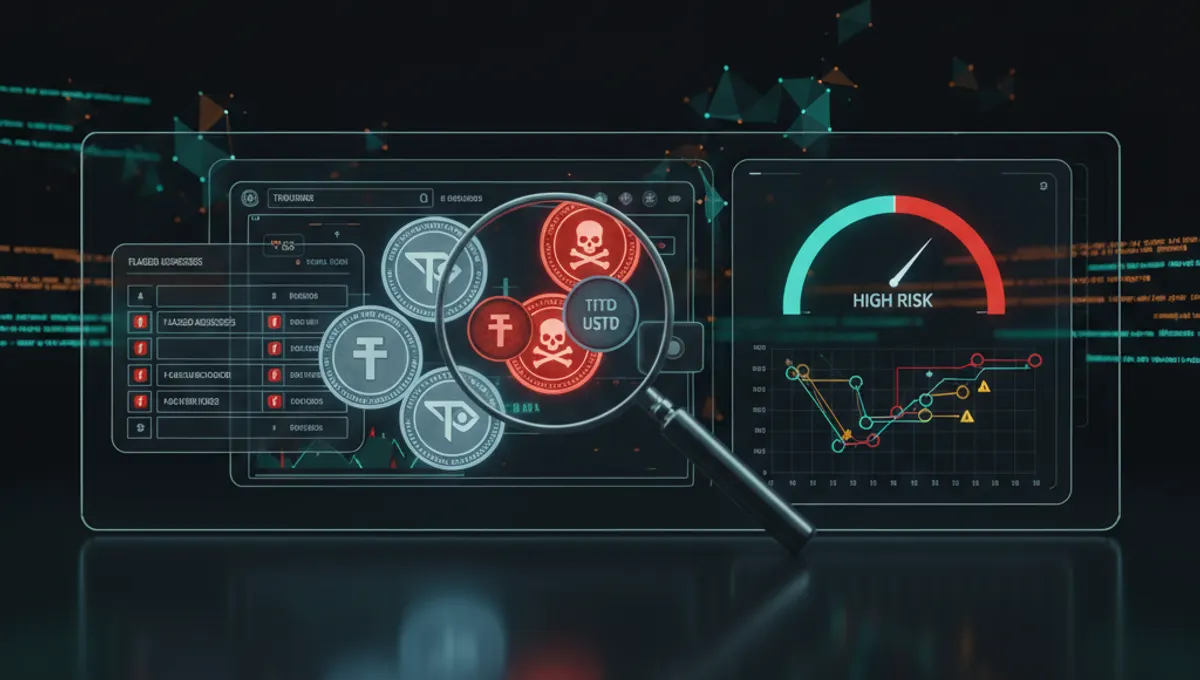
Risk scores typically fall into four categories: Low (0–25%) indicates minimal suspicious activity and is generally safe for transactions. Medium (26–50%) suggests some exposure to mixers or unverified sources but may be acceptable depending on your compliance policy. High (51–75%) flags significant mixer usage, darknet connections, or stolen fund traces and warrants additional due diligence. Critical (76–100%) indicates direct sanctions matches, major exchange bans, or confirmed stolen funds and should trigger transaction rejection. Each organization sets its own acceptable threshold based on regulatory requirements and risk appetite. A compliance officer might reject anything above 50%, while a retail trader may accept up to 60% for peer-to-peer transfers. The key is knowing your threshold before you receive funds. When you perform an AML check crypto wallet screening, compare the returned score against your policy and document the decision for audit purposes. This ensures consistent, defensible compliance decisions across all transactions.
What Happens If Your Wallet Is Flagged as High Risk?
If your wallet receives a high or critical AML risk score, several outcomes are possible. First, exchanges may freeze your account or delay withdrawals pending manual review. Second, incoming transfers from regulated sources may be rejected or reversed. Third, if you attempt to deposit flagged funds into an exchange, your account may be permanently banned. To mitigate this, document the source of any flagged funds—if you received them legitimately from a peer or business partner, provide transaction records and context to the exchange's compliance team. Some exchanges allow appeals with supporting evidence. If you're the sender and the recipient's wallet is flagged, request clarification from the recipient or use an alternative address. For ongoing compliance, use a trusted AML check service before accepting large transfers. The services listed on our AML Services page offer verified screening tools that integrate with your workflow and provide detailed reports for compliance records. Acting proactively prevents account freezes and regulatory complications.
Comparing AML Check Services: What to Look For
When selecting a tool to check crypto wallet addresses, evaluate these factors: Coverage—does it support Bitcoin, Ethereum, Tron, and USDT TRC20 addresses? Database size—larger databases catch more sanctions matches and stolen fund traces. Update frequency—real-time or near-real-time updates catch newly flagged addresses faster. Reporting—does it provide detailed transaction history and risk breakdowns, or just a score? Integration—can it connect to your exchange, wallet, or compliance platform? Cost—free tools offer basic screening; paid services provide deeper analysis and API access. Accuracy—check user reviews and case studies to verify the tool's detection rate. Our curated AML Services page lists verified screening platforms with transparent pricing and documented accuracy. Starting there ensures you're using tools trusted by compliance professionals and exchanges. Most services offer a free trial or limited free tier, so you can test multiple platforms before committing to a subscription.
Best Practices: Avoiding Tainted Coins and Dirty Crypto
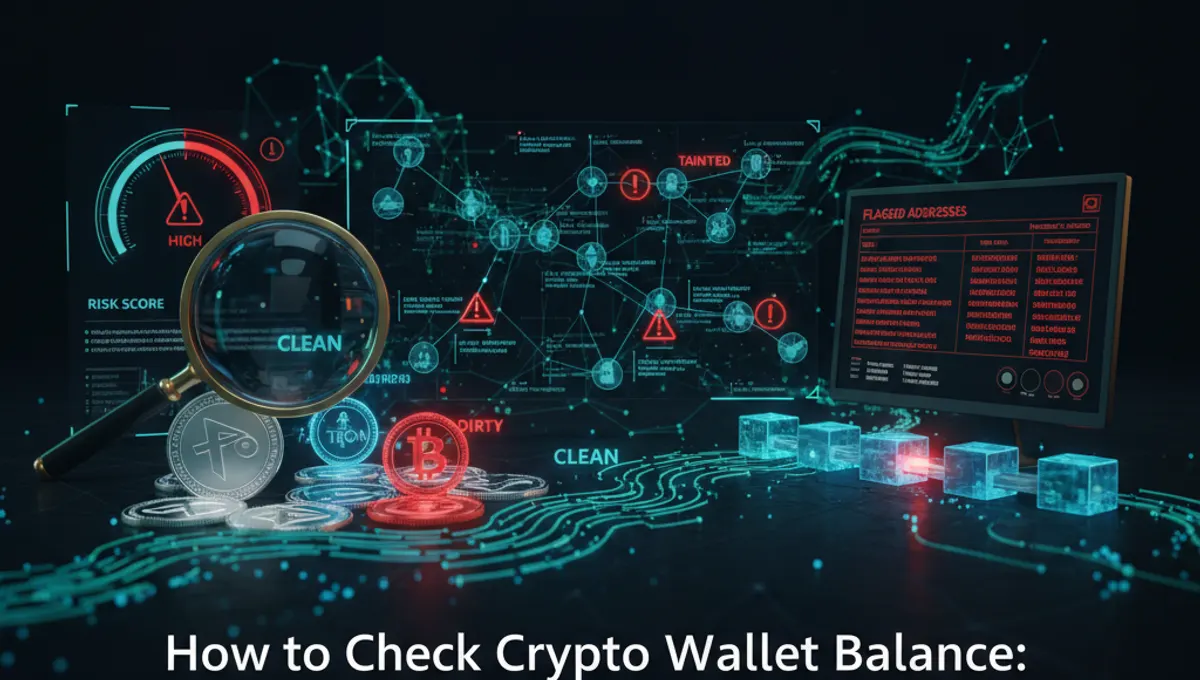
To protect yourself from receiving tainted coins or dirty crypto, adopt these practices: Always perform an AML check crypto wallet screening before accepting transfers above a certain threshold—define your threshold based on transaction size and counterparty risk. Request wallet addresses from trusted channels only; never use addresses from unsolicited messages or unverified links. Verify the recipient's identity through multiple channels before sending funds. Use exchanges and wallets that enforce transaction monitoring and flag high-risk deposits. Keep detailed records of all AML checks and transaction decisions for audit trails. If you operate a business or exchange, implement mandatory screening for all incoming deposits. Educate team members on the risks of mixers, darknet markets, and stolen funds. Review your wallet's transaction history regularly to spot unusual activity. If you discover your wallet has received flagged funds, report it to the relevant exchange and document your response. These practices, combined with regular AML wallet checks, significantly reduce your exposure to compliance violations and account freezes. Start with the verified services on our AML Services page to establish a reliable screening routine.
Frequently asked questions
Can I check a crypto wallet for free?
Yes, many AML screening services offer free basic checks with limited results. Free tiers typically show a risk score and general category flags but may not include detailed transaction history or sanctions list matches. Paid plans unlock full reports and API access. Our AML Services page lists both free and premium options so you can choose based on your needs.
How long does an AML check crypto wallet take?
Most AML checks complete in 1–5 seconds. The tool scans the address against its database and returns a risk score instantly. Detailed reports with transaction history may take a few seconds longer. Real-time screening is standard across reputable services, so delays usually indicate a technical issue rather than normal processing time.
What does a high AML risk score mean for my wallet?
A high risk score (typically 51–100%) indicates the wallet has received funds from mixers, darknet markets, stolen sources, or sanctioned entities. This doesn't mean you committed a crime, but it may trigger exchange freezes or deposit rejections. Contact your exchange's compliance team with supporting documentation if you received the funds legitimately.
Can I check a wallet before sending USDT or TRX?
Absolutely. Paste the recipient's Tron or USDT TRC20 address into an AML screening tool to verify it before sending. This prevents sending funds to a flagged or compromised wallet. Most services support TRC20 and other major blockchains, and the check takes seconds.
What if the wallet I want to send to is flagged as dirty crypto?
If a wallet is flagged as high or critical risk, contact the recipient to verify the address or request an alternative. If you proceed despite the flag, your funds may be frozen or your account banned by exchanges. Document your decision and the recipient's explanation for compliance records.