What Does Checking Crypto Wallet Balance Mean?
Checking your crypto wallet balance means viewing the current amount of cryptocurrency held at a specific address on the blockchain. For Bitcoin, you enter your address into a Bitcoin explorer; for Tron and USDT TRC20, you use a Tron explorer. The balance updates in real time as transactions confirm. However, balance alone tells you nothing about the source or risk profile of those funds. A wallet can hold a large balance of stolen or sanctioned coins, which exchanges will freeze or reject during withdrawal. That's why checking balance must be paired with an AML crypto wallet check to assess whether incoming funds carry compliance risk.
How to Check Your Wallet Balance on Blockchain Explorers
1. Copy your wallet address (public key).
2. Visit a blockchain explorer: for Bitcoin, use blockchain.com or blockchair.com; for Tron and USDT TRC20, use tronscan.org.
3. Paste your address into the search bar.
4. View your balance, transaction history, and token holdings.
5. Check the timestamp of the last transaction to confirm activity.
Blockchain explorers are free and do not require login. They show your balance in real time, but they do not flag risk. For that, you need an AML check crypto wallet service. Many users make the mistake of assuming a visible balance means the funds are safe to move or spend—they are not, if those coins are tainted or linked to sanctions.
Why Run an AML Check Before Receiving Crypto?
Exchanges and custodians now freeze accounts and reject deposits if incoming funds are flagged as tainted, stolen, or linked to sanctioned entities. An AML check crypto wallet screening detects these risks before money lands in your account. Risk categories include: coins from mixers (privacy-blending services), darknet market proceeds, scam wallets, stolen funds, and addresses on sanctions lists. A single deposit of flagged coins can trigger your exchange account ban, even if you did not knowingly receive them. Running an AML wallet check beforehand protects you from frozen USDT, rejected transactions, and compliance complications. This is especially critical for USDT TRC20 and Tron addresses, which are heavily used in high-risk regions.
How to Run an AML Check on a Crypto Wallet Address
1. Obtain the sending address (ask the sender or check the transaction details).
2. Visit a trusted AML screening service (our curated AML Services list on this site includes verified providers).
3. Enter the wallet address and select the blockchain (Bitcoin, Tron, Ethereum, etc.).
4. Run the scan; the service returns a risk score and detailed report.
5. Review the risk score, flagged categories, and transaction history.
6. Decide whether to accept the transfer based on the risk level.
Most AML check services return results in seconds. The report shows whether the address is linked to mixers, darknet markets, stolen funds, or sanctions lists. If the risk score is high, decline the transfer or contact the sender to clarify the source. For how to check blue wallet balance or other mobile wallets, the same principle applies: use a blockchain explorer to view balance, then run an AML check on the sending address before accepting funds.
Understanding AML Risk Scores and What They Mean
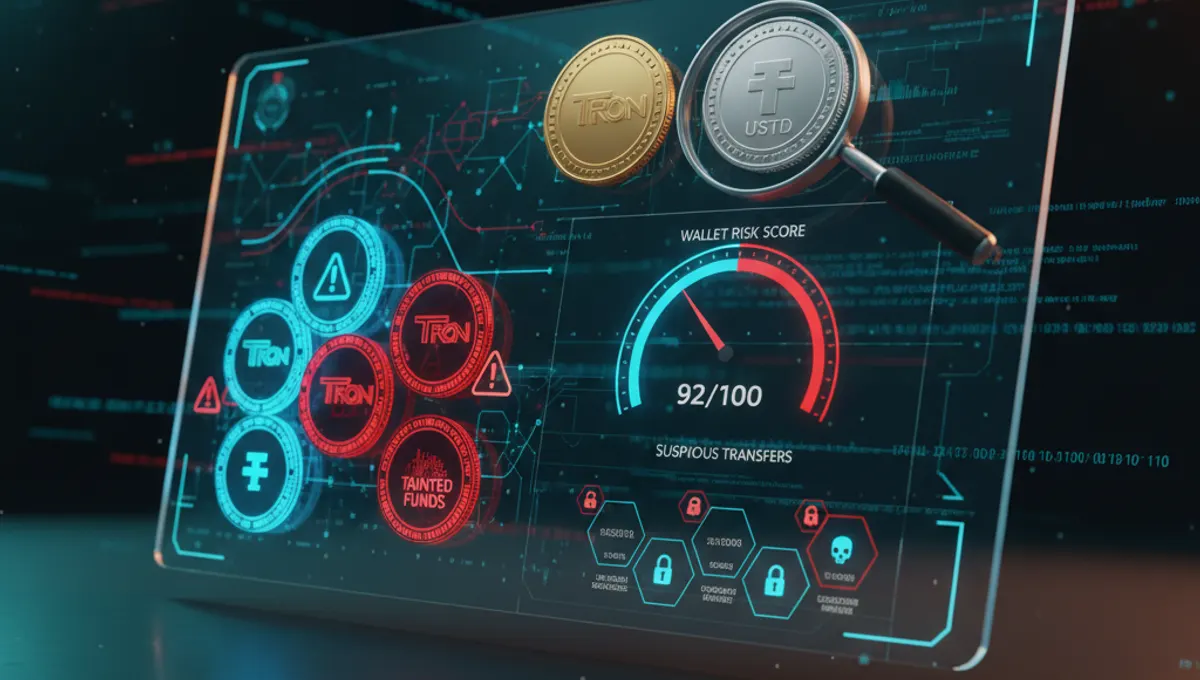
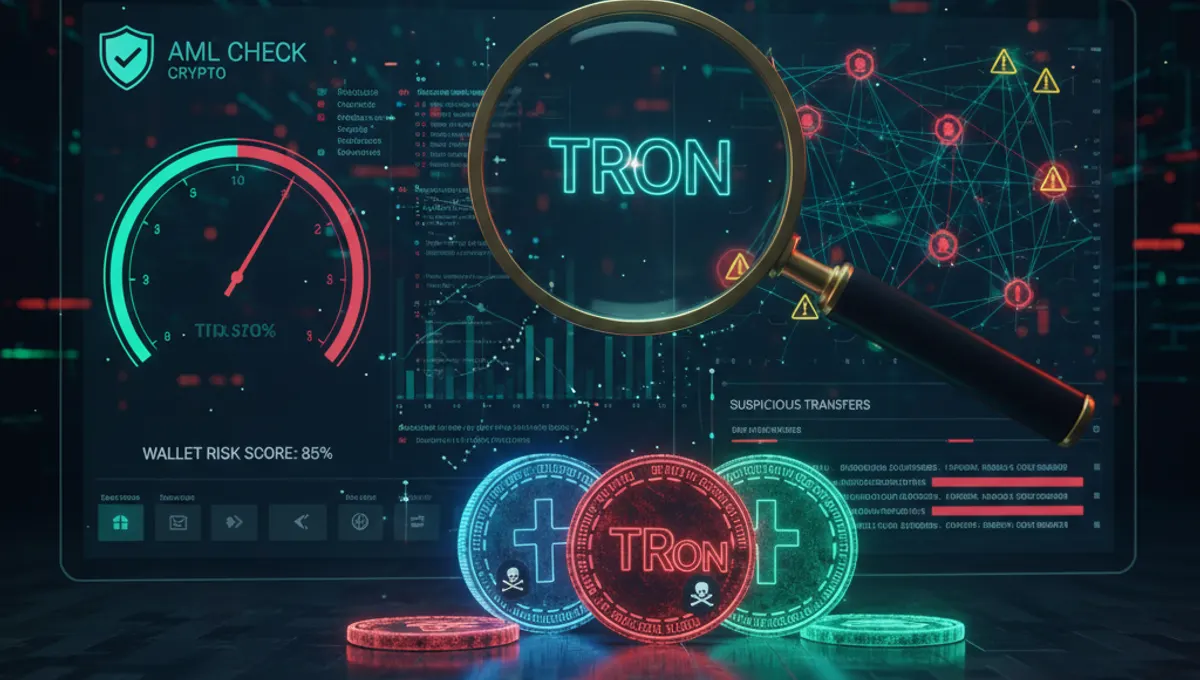
An AML risk score is a numerical rating (typically 0–100 or 0–10) that indicates the compliance risk of a wallet address. A score of 0–20 is generally low risk; 21–50 is medium risk; 51–100 is high risk. Low-risk addresses have clean transaction histories and no known links to illicit activity. Medium-risk addresses may have minor exposure to mixers or unverified sources but no direct sanctions or theft flags. High-risk addresses are linked to darknet markets, stolen funds, sanctions lists, or heavy mixer usage. Exchanges typically reject deposits from addresses scoring above 50–70, depending on their compliance policy. Risk scores are not permanent; they reflect the current state of blockchain data and threat intelligence. A wallet's score can improve if its funds are moved through legitimate channels, though historical taint may persist.
What to Do If Your Wallet Is Flagged as High Risk
If an incoming transfer is flagged as high risk, you have several options:
1. Reject the transfer: Ask the sender to use a different address or source.
2. Request clarification: Contact the sender and ask about the origin of the funds.
3. Consult compliance: If you are a business, involve your compliance team before accepting.
4. Do not deposit to an exchange: Frozen USDT and account bans are common if you deposit flagged coins.
5. Use a personal wallet first: Hold the coins in a non-custodial wallet while investigating, but understand that exchanges may still reject them later.
If you have already received flagged coins, do not panic. Many exchanges allow you to contact their compliance team to explain the source. However, prevention is far easier than remediation. Always run an AML check on the sending address before accepting large transfers, especially for USDT TRC20 and Tron addresses, which carry higher compliance scrutiny.
Comparing AML Screening Services for Wallet Checks
Several services offer AML checks for crypto wallets, with varying coverage, speed, and cost. Free services often provide basic risk scoring but limited detail on specific threats. Paid services typically offer deeper transaction analysis, sanctions list matching, and historical data. When choosing a service, verify that it covers your blockchain (Bitcoin, Tron, Ethereum, USDT TRC20) and provides clear, actionable risk reports. Our AML Services page curates verified providers that meet these standards, helping you avoid unreliable or outdated tools. Look for services that update their threat databases regularly, provide transparent methodology, and do not require unnecessary personal data. For routine wallet checks before receiving funds, a reliable mid-tier service strikes the balance between cost and accuracy. For high-value transactions or business compliance, invest in a comprehensive platform with ongoing monitoring and detailed reporting.
Frequently asked questions
Can I check my crypto wallet balance without revealing my identity?
Yes. Blockchain explorers are public and anonymous; you only need your wallet address. Paste it into any explorer (blockchain.com for Bitcoin, tronscan.org for Tron) and view your balance without login or personal data. However, if you withdraw to an exchange, the exchange will require identity verification.
What happens if I receive USDT from a flagged address?
If the USDT is flagged as tainted or linked to sanctions, exchanges may freeze your account or reject the deposit during withdrawal. You will not lose the coins in your wallet, but you may not be able to convert them to fiat currency. Always run an AML check on the sending address before accepting large USDT transfers.
How long does an AML check on a crypto wallet take?
Most AML screening services return results in seconds to a few minutes. The scan queries blockchain data and threat intelligence databases in real time. Some detailed reports may take longer, but basic risk scoring is instant. Speed depends on the service and network congestion.
Is there a free way to check if a crypto wallet is on a sanctions list?
Some free AML services offer basic sanctions screening, but coverage is limited. Comprehensive sanctions list matching typically requires a paid service. Our AML Services page lists verified providers, including options with free tiers, so you can compare coverage and cost before committing.
Can I improve my wallet's AML risk score?
A wallet's risk score reflects its historical transaction data and current blockchain state. You cannot directly change your score, but moving funds through legitimate, transparent channels over time may improve perception. However, historical taint (e.g., theft or mixer exposure) may persist indefinitely in threat databases.