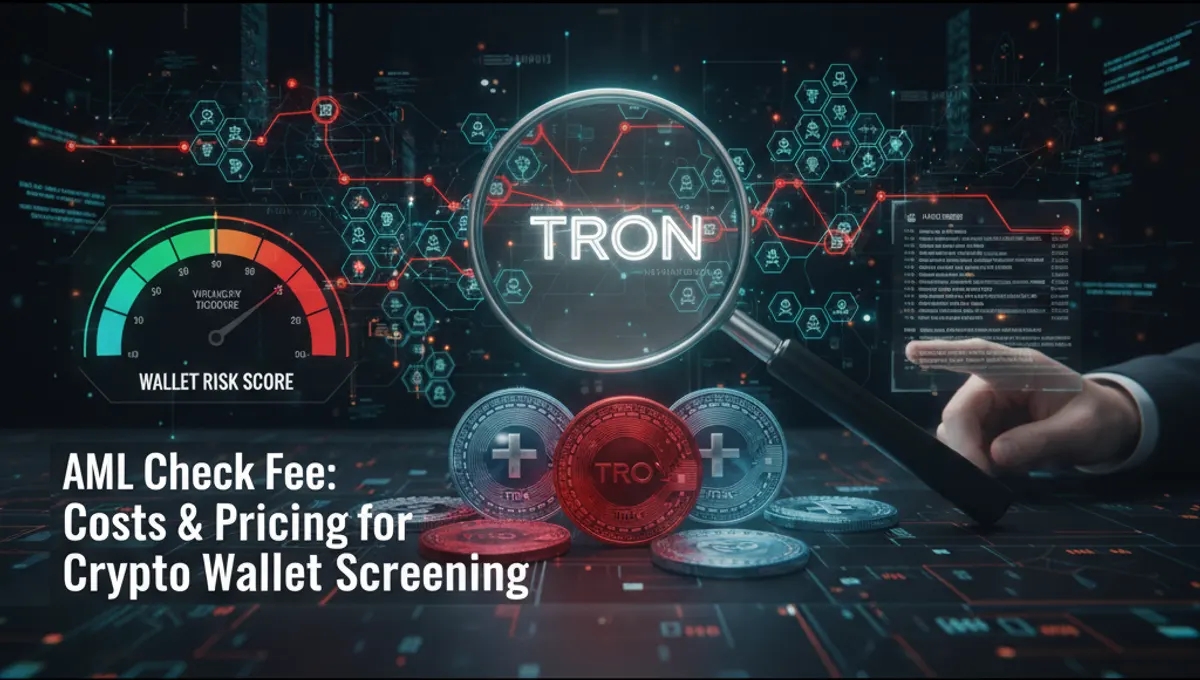
What Does an AML KYC Analyst Do
AML KYC analysts review customer information, transaction patterns, and wallet activity to identify suspicious behavior and regulatory violations. Their core responsibilities include conducting know-your-customer (KYC) due diligence, monitoring transactions for money laundering indicators, screening customers against sanctions lists, and documenting findings for compliance teams. In crypto-focused roles, analysts evaluate blockchain transactions, assess wallet risk scores, and flag tainted coins or darknet exposure. They prepare reports for regulators, support investigations, and recommend account freezes when necessary. The role bridges compliance policy and operational execution, requiring both analytical skills and understanding of financial regulations.
Typical AML KYC Analyst Salary Range
Entry-level AML KYC analysts typically earn between 45,000 and 60,000 USD annually, depending on location and employer. Mid-level analysts with 3–5 years of experience generally earn 60,000 to 85,000 USD. Senior analysts and compliance specialists with advanced certifications or crypto expertise command 85,000 to 120,000 USD or higher. Compensation varies significantly by geography: analysts in major financial hubs earn more than those in smaller markets. Crypto-specific compliance roles often pay premium salaries due to specialized knowledge demand. Bonuses, benefits, and stock options at fintech companies can add 10–30 percent to base salary. Government and regulatory agencies may offer lower base pay but stronger job security and pension benefits.
How AML Check Process Experience Affects Compensation
Analysts who understand the full AML check process—from initial customer screening through ongoing transaction monitoring—command higher salaries. Hands-on experience with wallet screening, risk scoring, and sanctions matching demonstrates practical compliance expertise. Professionals proficient in evaluating AML check requirements across multiple jurisdictions and platforms are valued more highly. Knowledge of how to conduct an AML check on crypto addresses, assess tainted coin risks, and interpret risk scores positions analysts for advancement. Employers reward analysts who can independently manage AML check workflows and train junior staff. Certifications like CAMS (Certified Anti-Money Laundering Specialist) or CCFE (Certified Cryptocurrency Forensics Examiner) correlate with higher compensation. Experience with blockchain analytics tools and understanding of TRC20, Bitcoin, and Ethereum transaction monitoring also increases earning potential.
AML Fee Structures and Budget Impact on Analyst Roles
Organizations invest in AML compliance through subscription fees for screening platforms, transaction monitoring tools, and third-party verification services. Understanding how AML fee models work—per-transaction, per-user, or tiered licensing—helps analysts justify compliance budgets and demonstrate ROI. Analysts who can optimize AML check fee spending by selecting appropriate service tiers and reducing false positives gain strategic value. Knowledge of cost-benefit analysis for different AML check fee structures positions analysts for compliance management roles. Some organizations calculate compliance costs per transaction or per customer screened, and analysts who can report these metrics effectively advance faster. Familiarity with how AML check fee negotiations work with vendors strengthens an analyst's profile for senior positions. This financial acumen, combined with technical compliance skills, creates pathways to compliance officer and director-level roles with significantly higher compensation.
Career Progression and Salary Growth Opportunities
AML KYC analysts typically progress to senior analyst, compliance specialist, or team lead roles within 5–7 years. Advancement to compliance manager or director positions can increase salary by 40–60 percent. Specialization in high-demand areas—such as crypto wallet screening, sanctions compliance, or transaction monitoring—accelerates career growth. Analysts who develop expertise in emerging risk categories like darknet exposure detection or frozen USDT investigation become more marketable. Pursuing advanced certifications and staying current with regulatory changes supports upward mobility. Lateral moves into related roles like financial crime investigation, regulatory affairs, or blockchain analytics expand career options and earning potential. Remote work opportunities in compliance have broadened geographic salary possibilities, allowing analysts to work for higher-paying employers regardless of location. Continuous learning about new AML check requirements and compliance technologies keeps analysts competitive for promotions.
Industry Sector Differences in AML Analyst Compensation
Traditional financial institutions—banks, insurance companies, investment firms—typically offer stable salaries and benefits for AML analysts. Cryptocurrency exchanges and fintech companies often pay higher base salaries and bonuses to attract specialized talent. Blockchain analytics firms and compliance software vendors compensate analysts competitively, especially those with crypto expertise. Government agencies and regulatory bodies offer lower base pay but strong job security and pension benefits. Consulting firms specializing in AML compliance often pay premium rates for experienced analysts. Smaller compliance boutiques may offer lower salaries but faster advancement and broader responsibility. The crypto sector's rapid growth has created demand for analysts with wallet screening, risk scoring, and blockchain transaction knowledge, driving higher compensation in that segment. Analysts considering career moves should weigh salary against job stability, learning opportunities, and long-term growth potential.
Building Skills That Increase AML Analyst Earning Potential
Technical proficiency with blockchain analysis tools, wallet screening platforms, and transaction monitoring software directly correlates with higher compensation. Understanding how to assess wallet risk scores, identify tainted coins, and detect sanctions violations demonstrates advanced competency. Knowledge of multiple blockchain networks—Bitcoin, Ethereum, Tron—and experience with USDT and TRC20 screening expands job opportunities. Strong data analysis skills, SQL proficiency, and familiarity with compliance databases enhance analyst value. Communication skills for writing clear compliance reports and presenting findings to senior management support career advancement. Project management experience and ability to lead compliance initiatives position analysts for leadership roles. Industry certifications, advanced degrees in finance or compliance, and continuous professional development increase earning potential. Analysts seeking to maximize salary should focus on building a combination of technical, analytical, and business skills while staying current with evolving AML check requirements and regulatory standards.
Frequently asked questions
What is the average AML KYC analyst salary in 2024
Entry-level analysts earn 45,000–60,000 USD annually; mid-level analysts earn 60,000–85,000 USD; senior analysts earn 85,000–120,000 USD or more. Compensation varies by location, employer type, and experience. Crypto-focused roles typically pay 10–30 percent higher than traditional finance positions.
How does crypto wallet screening experience affect AML analyst pay
Analysts with hands-on experience evaluating wallet risk scores, detecting tainted coins, and screening blockchain addresses command premium salaries. Expertise in Bitcoin, Ethereum, and Tron address screening, combined with knowledge of AML check processes, increases earning potential by 15–25 percent compared to analysts without blockchain experience.
What certifications boost AML analyst salary
CAMS (Certified Anti-Money Laundering Specialist) certification typically increases salary by 10–20 percent. CCFE (Certified Cryptocurrency Forensics Examiner) and blockchain-specific certifications command even higher premiums. Advanced degrees in finance, compliance, or forensic accounting also support higher compensation and faster career advancement.
Do AML analysts earn bonuses or performance pay
Many employers offer bonuses ranging from 10–30 percent of base salary, especially at fintech and crypto companies. Performance metrics may include transaction monitoring accuracy, false positive reduction, and successful case investigations. Senior analysts and compliance managers often receive larger bonus structures and equity compensation.
What is the salary difference between traditional finance and crypto compliance roles
Crypto compliance roles typically pay 15–40 percent more than traditional banking AML positions due to specialized skill demand. Blockchain analytics expertise, wallet screening proficiency, and understanding of emerging compliance risks command premium compensation in the cryptocurrency sector.