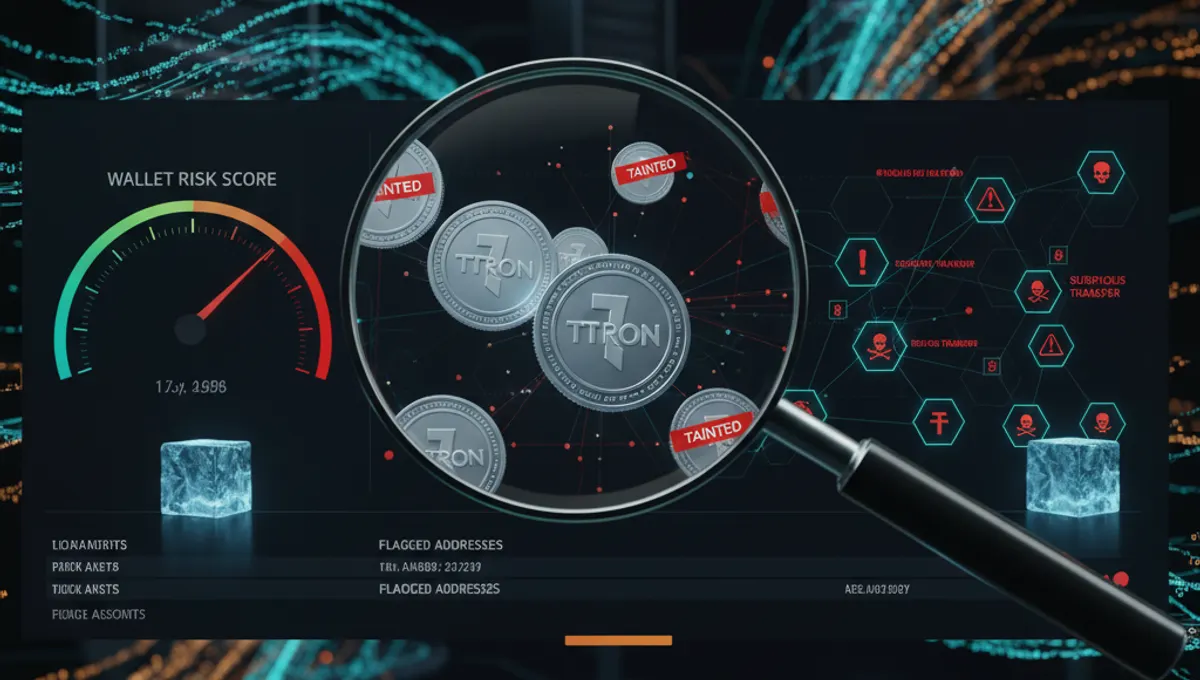
How Blockchain Transaction Traceability Works
Every cryptocurrency transaction creates an immutable record on the blockchain containing the sender address, receiver address, amount, timestamp, and transaction hash. This public ledger means anyone can view transaction history by querying a block explorer. Unlike traditional banking, where transaction details remain private between the bank and its customers, blockchain transactions are transparent by design. Traceability does not require a central authority—it is a property of the distributed ledger itself. When you send Bitcoin, Tron, or USDT, the transaction is broadcast to thousands of nodes, verified, and permanently recorded. This permanent record is what enables crypto market transactions monitoring by compliance teams and blockchain analytics firms.
Can Crypto Transactions Be Traced by Authorities
Law enforcement and financial regulators can trace crypto transactions using blockchain analysis tools. These tools map wallet addresses to real-world identities by correlating on-chain activity with exchange KYC data, IP logs, and transaction patterns. Exchanges are required to collect customer identity information under AML/KYC regulations, creating a link between wallet addresses and known individuals. When funds move from a regulated exchange to an external wallet, the transaction is traceable on-chain even if the recipient remains anonymous. Sanctioned entities, stolen funds, and darknet market proceeds can be identified through heuristic analysis and cluster mapping. This is why receiving tainted coins or funds from prohibited sources carries legal and financial risk—the transaction history is permanent and auditable.
Transaction Monitoring and Risk Detection
Crypto market transactions monitoring systems track fund flows in real time to identify suspicious patterns. These systems flag transactions involving mixers, high-risk wallets, darknet markets, gambling platforms, and sanctioned addresses. When you receive USDT or TRX, compliance teams can check whether the incoming funds have been mixed, stolen, or linked to illicit activity. Risk scoring assigns a numerical rating based on transaction history, source wallet reputation, and exposure to high-risk categories. A wallet that has only received funds from regulated exchanges typically scores lower risk than one with direct links to darknet markets or stolen fund pools. Understanding these monitoring mechanisms helps you avoid receiving flagged coins that could result in frozen exchange accounts or regulatory scrutiny.
What Happens When Tainted Coins Are Detected
When an exchange or custodian detects that incoming funds are tainted or flagged as high-risk, several outcomes are possible. The transaction may be delayed pending manual review, the deposit may be rejected entirely, or the account may be frozen pending investigation. Exchanges maintain internal watchlists and subscribe to blockchain intelligence feeds that flag stolen funds, ransomware proceeds, and sanctions-related addresses. If you deposit USDT or Bitcoin linked to a known theft or darknet source, your account can be locked and funds held indefinitely. In some jurisdictions, receiving stolen cryptocurrency can expose you to civil liability or criminal charges depending on whether you knew or should have known the funds were illicit. This is why checking a wallet's risk score before receiving large transfers is a practical precaution.
How to Check a Wallet Before Receiving Crypto
Before accepting a transfer of USDT, TRX, Bitcoin, or other assets, verify the sender's wallet risk profile. Request the sender's wallet address and run it through an AML screening service to check for tainted coins, sanctions exposure, and transaction history. Look for indicators such as direct links to mixers, darknet markets, gambling platforms, or known theft addresses. A clean risk score typically means the wallet has received funds primarily from regulated sources and has no flagged transaction history. If the sender cannot provide a wallet address or the address shows high-risk exposure, decline the transfer. Our curated list of verified AML services on the AML Services page includes tools that provide detailed risk scoring and transaction source analysis—these are the safest starting point for wallet screening before receiving funds.
Risk Score Thresholds and What They Mean
AML screening services assign risk scores on various scales, commonly 0–100 or 0–10, where lower scores indicate lower risk. A score below 30 on a 0–100 scale typically indicates acceptable risk—the wallet has clean transaction history and no known exposure to illicit activity. Scores between 30–70 suggest moderate risk and warrant further investigation before accepting large transfers. Scores above 70 indicate high risk and should trigger rejection or escalation to compliance review. Risk factors include transaction volume from mixers, proximity to darknet addresses, links to stolen fund clusters, and exposure to sanctioned entities. Some services also flag gambling and high-frequency trading wallets as moderate risk depending on your compliance policy. Understanding these thresholds helps you make informed decisions about which transfers to accept and which to decline.
Why Transaction Traceability Matters for Compliance
Transaction traceability is the foundation of modern AML and KYC compliance. Regulators require exchanges and custodians to identify the source and destination of all customer funds, which is only possible because blockchain transactions are permanently recorded and auditable. This traceability prevents money laundering, sanctions evasion, and terrorist financing by creating an audit trail that cannot be altered or hidden. For individual users, understanding that transactions are traceable encourages responsible fund management and reduces the risk of inadvertently receiving stolen or prohibited assets. The permanence of the blockchain means that even if a wallet appears dormant, its entire transaction history remains visible and subject to future investigation. This is why compliance teams continuously monitor crypto market transactions monitoring systems and update their risk assessments as new information emerges about wallet behavior and fund sources.
Frequently asked questions
Can someone trace a Bitcoin or USDT transaction back to me
Yes, if you used a regulated exchange to buy or receive the cryptocurrency. Your exchange account is linked to your identity through KYC verification, and transactions from that exchange to your wallet are traceable on-chain. If you received funds from an anonymous wallet, the transaction itself is traceable, but the recipient's identity may not be immediately known unless they later deposit to an exchange or use a service that requires identification.
How do exchanges detect tainted or stolen crypto
Exchanges use blockchain analytics tools and internal watchlists to screen incoming deposits. These tools flag transactions linked to known theft addresses, ransomware wallets, darknet markets, and sanctioned entities. When you deposit USDT or Bitcoin, the exchange checks the transaction history of the incoming wallet against these databases. If the wallet shows high-risk exposure, the deposit is flagged for review or rejected entirely.
What is a good risk score for a crypto wallet
A risk score below 30 on a 0–100 scale is generally considered acceptable for most compliance purposes. This indicates the wallet has clean transaction history and no known links to illicit activity. Scores between 30–70 warrant caution and further investigation. Scores above 70 indicate high risk and should trigger rejection unless there is a clear explanation for the flagged activity.
Can I hide a crypto transaction using a mixer
Mixers obscure the direct link between sender and receiver by combining multiple transactions, but they do not make transactions untraceable. Blockchain analysts can often identify mixer inputs and outputs through heuristic analysis and pattern matching. Deposits from mixer addresses are typically flagged as high-risk by exchanges and compliance systems, and using a mixer to obscure the source of stolen or sanctioned funds is illegal in most jurisdictions.
What should I do if I receive flagged crypto
If an exchange flags your deposit as high-risk, do not attempt to move the funds or split them across multiple wallets. Contact the exchange's compliance team and provide documentation of the legitimate source of the funds. If you cannot prove the funds are clean, the exchange may freeze your account. If you suspect you received stolen cryptocurrency, report it to local law enforcement and the exchange immediately.