What Is a Tron Address and How Does It Work
A Tron address is a 34-character alphanumeric string that starts with the letter T, such as TQCz8aSwFE2Z2g45o3F3uX9aL7Fvpr5h7K. Each address is derived from a public key using cryptographic hashing, and only the owner of the corresponding private key can authorize transactions from that address. When you create a Tron wallet, the blockchain generates a unique address for you. This address is public and can be shared freely; anyone can send funds to it. However, the private key that controls the address must remain secret. Tron addresses are stored on the Tron blockchain, a distributed ledger that records all transactions. Every transaction to or from a Tron address is permanently recorded and visible on the blockchain, making transaction history traceable and auditable.
How to Identify and Read a Tron Address
A valid Tron address always begins with the letter T and contains exactly 34 characters using the Base58Check encoding format. This format uses alphanumeric characters (0-9, a-z, A-Z) but excludes confusing characters like 0 (zero), O (letter O), I (capital i), and l (lowercase L). When you perform a tron address lookup or tron address check, you are verifying that the string matches this format and that it corresponds to an active account on the blockchain. You can identify a Tron address by its length and prefix alone. If an address does not start with T or contains 33 or 35 characters instead of 34, it is invalid. Some wallets display addresses in QR code format for convenience, but the underlying address remains the same 34-character string. Understanding this format helps you avoid typos and confirms you are sending funds to the correct destination.
Why You Need to Check a Tron Address Before Transacting
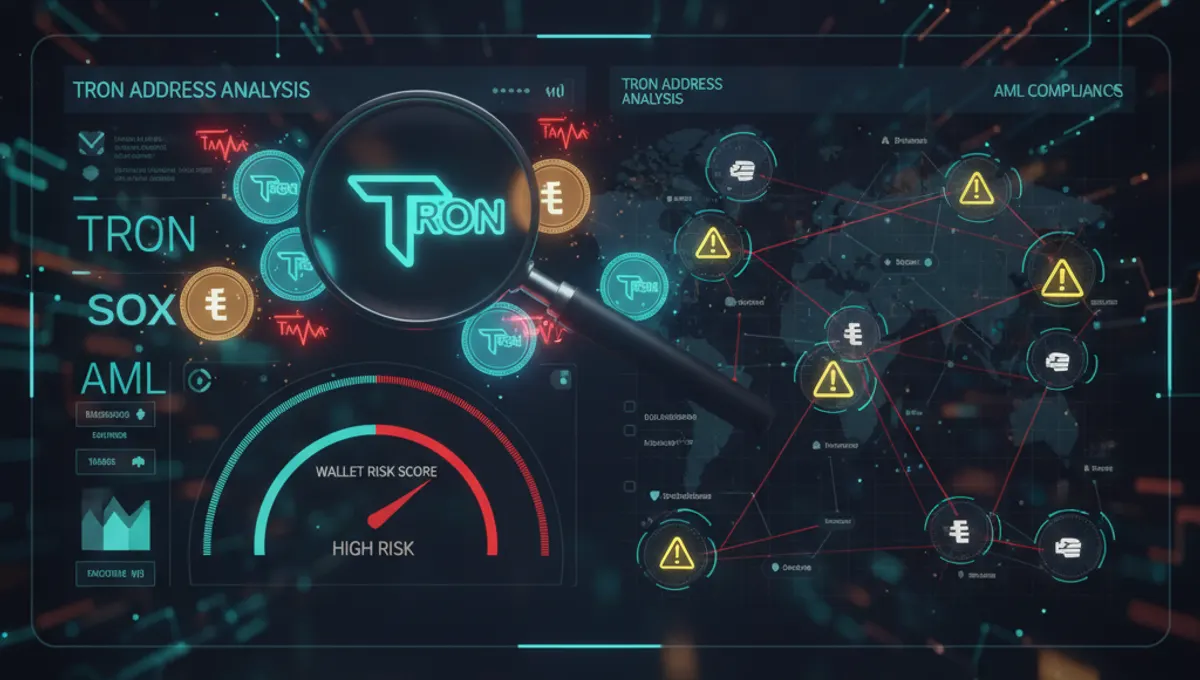
Before sending or receiving TRX or USDT TRC20 tokens, you should check the tron address for AML risk, sanctions exposure, and involvement with stolen or tainted funds. Transactions on the Tron blockchain are irreversible; once you send funds to an address, you cannot recover them if the address belongs to a scammer, sanctioned entity, or darknet market. Checking a Tron address helps you avoid: receiving stolen cryptocurrency that exchanges may later freeze or seize; sending funds to addresses linked to money laundering or sanctions violations; transacting with addresses flagged by law enforcement or compliance databases; and inadvertently funding illegal activities. A tron address checker uses blockchain analytics to trace the transaction history of an address and flag it if it has received funds from high-risk sources such as mixers, ransomware operations, or darknet markets. This due diligence is especially important for businesses, exchanges, and custodians that must comply with Know Your Customer (KYC) and Anti-Money Laundering (AML) regulations.
How to Check a Tron Address for AML Risk and Tainted Funds
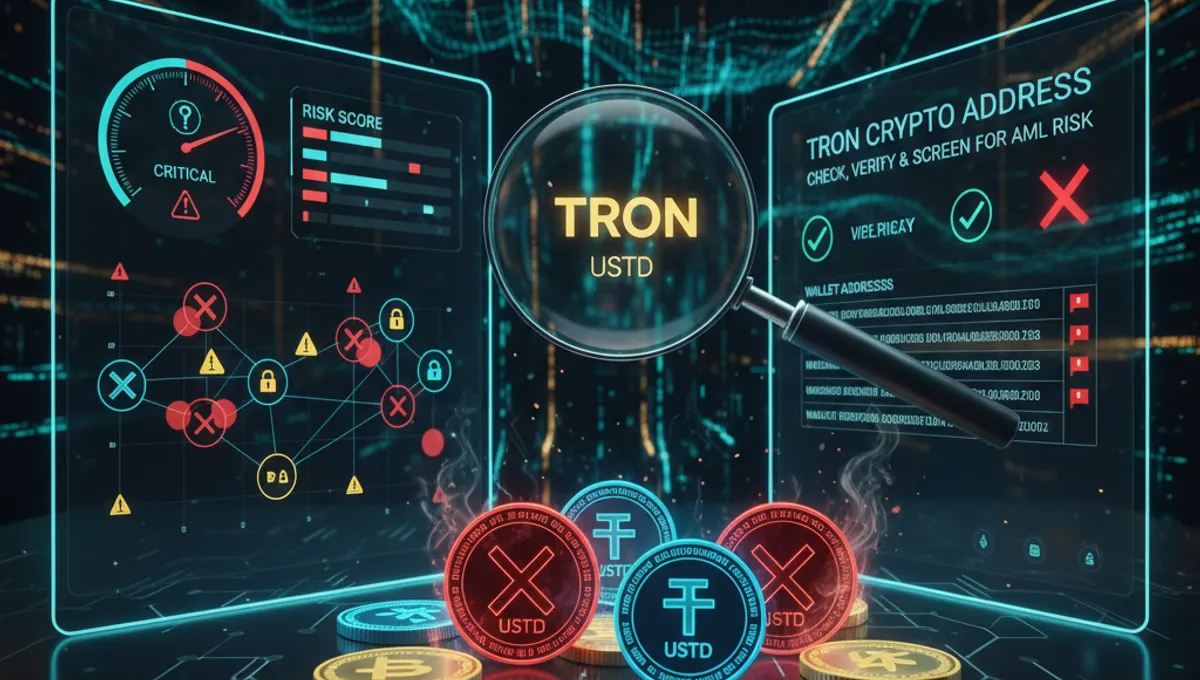
To check a tron address, follow these steps: First, copy the 34-character Tron address you want to verify. Second, visit a trusted AML screening service that supports Tron address lookup and paste the address into the search field. Third, the service will scan the address against blockchain transaction history, sanctions lists, and known darknet wallets. Fourth, review the risk score and detailed report. The report typically shows the address's transaction history, any high-risk transactions, connections to known malicious addresses, and whether the address has been flagged by exchanges or law enforcement. Most AML services assign a risk score ranging from low to critical. A low risk score indicates the address has clean transaction history and no known associations with illegal activity. A high or critical risk score suggests the address has received funds from mixers, ransomware payments, stolen funds, or sanctioned entities. Our curated list of verified AML services on this site provides trusted tools for checking Tron addresses; starting with a service from that list ensures you use a reputable provider with up-to-date blockchain data.
Understanding Tron Address Risk Scores and What They Mean
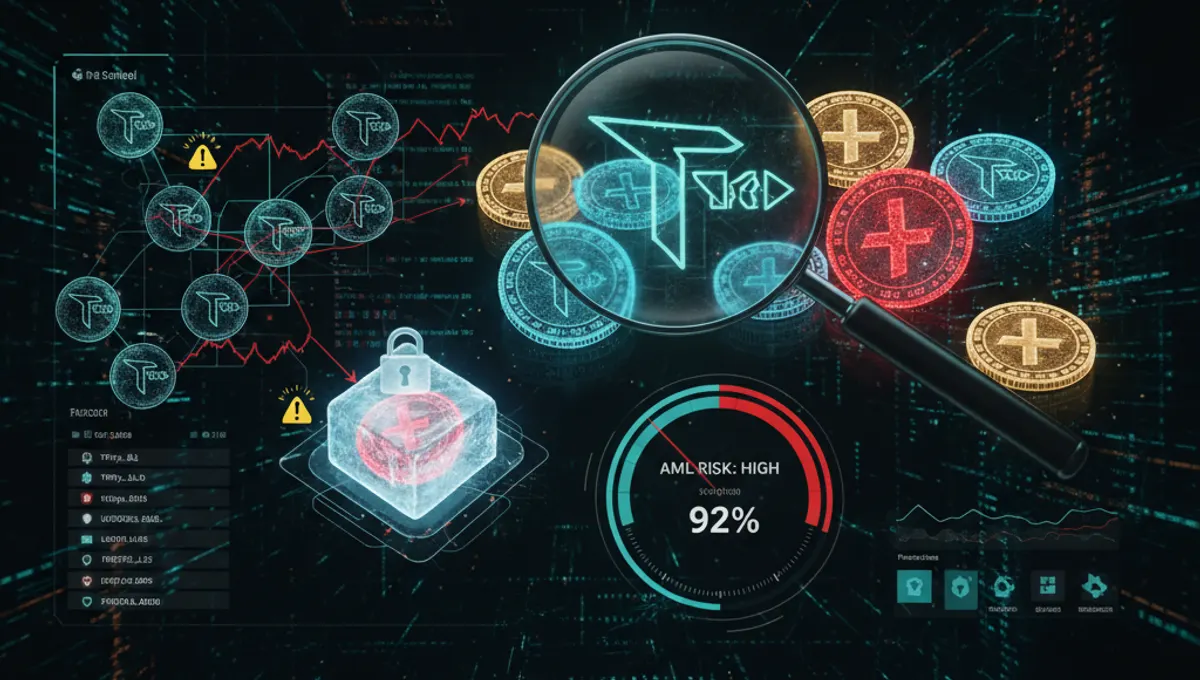
An AML risk score for a Tron address is a numerical or categorical rating that reflects the likelihood that the address has been involved in money laundering, sanctions violations, or other illicit activity. Risk scores typically range from 0-100 or are categorized as low, medium, high, or critical. A low risk score (0-20) means the address has clean transaction history with no known connections to illegal sources. A medium risk score (21-50) indicates the address has received some funds from higher-risk sources but may have legitimate explanations. A high risk score (51-80) suggests the address has received funds from known mixers, gambling platforms, or other high-risk services. A critical risk score (81-100) means the address is directly linked to stolen funds, ransomware, darknet markets, or sanctioned entities. When you check tron address risk, compare the score against your organization's compliance policy. Many exchanges and custodians reject deposits from addresses with critical scores and may flag medium or high scores for manual review. Understanding these thresholds helps you make informed decisions about whether to accept or reject a transaction.
What to Do If a Tron Address Is Flagged as High Risk or Tainted
If a tron address checker flags an address as high risk or tainted, do not send funds to it unless you have verified the source independently. If you have already received funds from a flagged address, document the transaction and report it to your compliance team. Exchanges may freeze or seize funds received from addresses linked to stolen cryptocurrency or sanctions violations, so it is important to act quickly. If the address belongs to a legitimate contact who may have unknowingly received tainted funds, inform them and recommend they contact the exchange or service where they hold the address. Some addresses become flagged because they received a small amount of dust or test funds from a high-risk source; in these cases, the risk may be lower than the score suggests, but it still warrants caution. If you are a business or exchange, establish a policy for acceptable risk score thresholds and require manual review for addresses above those thresholds. For critical-risk addresses, reject the transaction entirely and consider reporting the address to relevant authorities if it is linked to ransomware or sanctions violations.
Best Practices for Verifying Tron Addresses and Avoiding Tainted Coins
To avoid receiving tainted or stolen cryptocurrency, always verify a Tron address before accepting a large transaction. Request the address from the sender through a trusted channel and confirm it matches what they provided. Use a tron address lookup tool to check the address's transaction history and risk score. If the sender is a business or exchange, verify their official website or documentation lists the address. Never accept an address sent via unsolicited email, social media, or chat without independent verification. When sending funds, double-check the address character by character; a single typo can send your funds to an unrelated address. Enable address whitelisting on your exchange or wallet if available, so you can only send to pre-approved addresses. For large transactions, send a small test amount first and confirm receipt before sending the full amount. Educate yourself and your team on common scams such as address substitution, where attackers replace a legitimate address with a malicious one in your clipboard or communication. By combining tron address checker tools with these practices, you significantly reduce the risk of losing funds or inadvertently transacting with illegal entities.
Frequently asked questions
What does a Tron address starting with T mean
A Tron address starting with T is a valid wallet identifier on the Tron blockchain. The T prefix indicates the address is encoded in Base58Check format specific to Tron. All legitimate Tron addresses begin with T and contain exactly 34 characters. If an address does not start with T, it is not a valid Tron address and you should not send funds to it.
How do I check if a Tron address is real and safe
To check if a Tron address is real and safe, use a tron address checker tool that scans the blockchain for transaction history and risk flags. Verify the address format (starts with T, 34 characters). Check the address against AML databases and sanctions lists. Review the risk score and transaction history. If the score is low and the address has legitimate transaction patterns, it is likely safe. If the score is high or critical, avoid sending funds to it.
Can I see the transaction history of a Tron address
Yes, you can see the complete transaction history of any Tron address using a blockchain explorer or AML screening tool. The Tron blockchain is public, so all transactions are visible. You can view incoming and outgoing transfers, token balances, and timestamps. This transparency allows you to verify that an address has legitimate activity and has not received funds from high-risk sources like mixers or darknet markets.
What does it mean if a Tron address has a high AML risk score
A high AML risk score on a Tron address means the address has received funds from high-risk sources such as mixers, gambling platforms, or other services flagged by compliance databases. It does not necessarily prove the address owner committed a crime, but it indicates elevated risk. Many exchanges will freeze or reject deposits from high-risk addresses. You should avoid sending large amounts to flagged addresses unless you have independently verified the source.
How can I avoid receiving tainted or stolen Tron coins
To avoid tainted coins, always check the tron address before accepting a transaction using an AML screening tool. Verify the address matches official documentation from the sender. Request addresses through trusted channels only. Enable address whitelisting on your exchange if available. Send a small test amount first for large transactions. Educate yourself on common scams. By combining these practices with a tron address lookup, you significantly reduce the risk of receiving stolen or flagged cryptocurrency.