What Is an AML Locator and Why You Need One
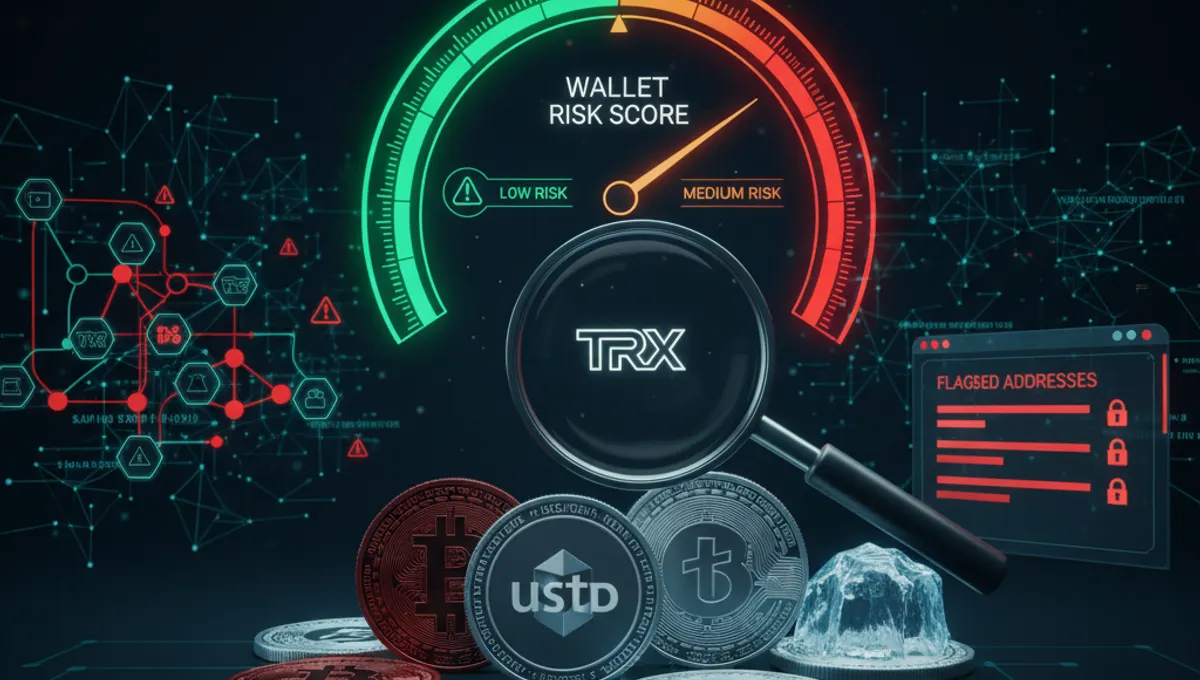
An AML locator is a tool that screens cryptocurrency wallets and transactions for anti-money laundering (AML) risk. It assigns a risk score to an address based on its transaction history, connections to known bad actors, and exposure to sanctioned entities or darknet markets. When you receive USDT on Tron, Bitcoin, or other blockchains, the coins may have passed through a mixer, stolen-funds wallet, or scam address—invisible to you until screened. An AML locator reveals this hidden risk before you deposit funds into an exchange, where frozen accounts and compliance holds can lock your money indefinitely. Individuals and businesses use AML locators to verify counterparty wallets, comply with internal risk policies, and avoid regulatory scrutiny.
How AML Locators Score and Flag Addresses
AML locators assign risk scores on a scale (commonly 0–100 or low/medium/high) based on several factors. A wallet connected to a known theft, ransomware, or sanctioned entity receives a high-risk flag. Addresses with heavy mixer usage or darknet market exposure also score high. Medium-risk addresses may have received funds from gambling platforms or unverified sources. Low-risk addresses show clean transaction histories with no suspicious connections. The AML check process typically involves querying blockchain data, cross-referencing against public sanctions lists (OFAC, EU, UN), and analyzing transaction patterns. Most AML locators update their databases continuously as new threats emerge. The AML check requirements vary by service—some require only a wallet address, while others ask for transaction details or business context to refine the risk assessment.
AML Check Fee Structures and Pricing Models
AML locator pricing varies widely. Some services offer free basic checks with limited detail—typically a simple risk flag without full transaction history. Paid plans usually range from a few dollars per check to monthly subscriptions for businesses. The AML fee depends on the service tier: a single wallet scan may cost $5–$20, while enterprise monitoring with real-time alerts costs $500–$5,000 per month. Batch checking (screening multiple addresses at once) often discounts the per-address AML check fee. Some platforms charge per API call, making them cheaper for high-volume users. When evaluating AML check cost, compare what you get: basic risk score, transaction graph visualization, sanctions list matching, and historical data depth. Our curated list of verified AML services on the AML Services page breaks down pricing transparently so you can match your budget to your screening needs.
Step-by-Step: How to Check a Crypto Wallet with an AML Locator
Using an AML locator follows a simple process. First, copy the wallet address you want to screen (Tron TRC20, Bitcoin, Ethereum, or USDT address). Second, paste it into the AML locator's search box. Third, initiate the scan—most tools complete the check in seconds to a few minutes. Fourth, review the risk score and detailed report, which typically shows connected addresses, transaction flow, and flagged risk categories (mixer, darknet, theft, sanctions). Fifth, decide whether to proceed with the transaction or reject it based on your risk tolerance. If the address is flagged high-risk, you can request additional context from the sender or decline the transfer. For business users, repeat this process for all incoming wallets and log results for compliance records. The AML check process is non-invasive—it only reads public blockchain data and does not contact the wallet owner or freeze funds.
Understanding AML Check Requirements and Risk Thresholds
Different users have different AML check requirements. Retail traders may accept medium-risk addresses if the transaction size is small. Exchanges and financial institutions typically reject anything above low-risk to comply with regulatory mandates. Acceptable risk thresholds depend on your jurisdiction, business model, and risk appetite. A common baseline: reject high-risk addresses outright, review medium-risk addresses for context, and approve low-risk addresses. Some AML locators let you set custom thresholds—for example, flagging any address with mixer exposure regardless of overall score. The AML check requirements also include documenting your screening process for audit trails. If regulators later question a transaction, you can prove you performed due diligence. Keep records of the wallet address, risk score, timestamp, and your decision (approved or rejected). This documentation protects you if a counterparty's funds are later frozen or sanctioned.
Comparing AML Locator Services: Key Features to Evaluate
When choosing an AML locator, evaluate several factors. Coverage: does it support Tron, Bitcoin, Ethereum, and other blockchains you use? Speed: how fast does it return results? Accuracy: does it match against official sanctions lists and reputable theft databases? User interface: is the report clear and actionable? API availability: can you integrate it into your workflow? Customer support: is help available if you have questions? Pricing transparency: are fees clearly stated upfront? Our AML Services page lists verified platforms with detailed comparisons so you can see which tool fits your use case. Some services excel at real-time transaction monitoring, others at batch historical analysis. Some focus on retail users, others on institutional compliance teams. Test a few with free trials or low-cost checks before committing to a subscription.
What to Do If Your Wallet Is Flagged as High-Risk
If an AML locator flags your address as high-risk, don't panic—it may be a false positive or a legacy issue from years ago. First, review the detailed report to understand which risk category triggered the flag (mixer, darknet, theft, sanctions). Second, trace your transaction history: did you receive funds from a compromised source? Did you use a privacy mixer for legitimate reasons? Third, contact the AML service if you believe the flag is incorrect; many allow appeals with supporting evidence. Fourth, if you're trying to deposit flagged funds into an exchange, contact the exchange's compliance team to explain the situation—some will clear the hold if you provide proof of legitimate ownership. Fifth, moving forward, receive funds only from trusted, verified sources and avoid mixers and high-risk platforms. If your address is permanently blacklisted due to sanctions or theft, you may need to create a new wallet and transfer clean funds to it, though this does not guarantee acceptance by all services.
Frequently asked questions
What is the difference between an AML locator and a blockchain explorer?
A blockchain explorer shows raw transaction data and wallet balances. An AML locator adds risk analysis by flagging suspicious patterns, sanctions connections, and theft exposure. Explorers are transparent but require manual interpretation; AML locators automate the risk assessment and provide actionable scores.
How long does an AML check take?
Most AML checks complete in seconds to a few minutes. Speed depends on the service's database size and current load. Real-time checks are faster; historical deep-dive analyses may take longer. Batch checks of multiple addresses sometimes take 5–15 minutes depending on volume.
Can an AML locator make mistakes or flag clean wallets?
Yes. False positives occur when a wallet receives funds from a flagged address but the owner is unaware of the source's history. Sanctions list matches can be inaccurate if names are similar. Always review the detailed report and appeal if you believe the flag is wrong. Reputable services allow corrections.
Do I need to use an AML locator if I only trade on regulated exchanges?
Exchanges perform their own AML screening, but using an AML locator before sending funds to an exchange adds a safety layer. It helps you avoid depositing flagged coins that the exchange will later freeze, which delays or blocks your access to those funds.
What risk score should I accept when receiving crypto?
Low-risk addresses are safest. Medium-risk may be acceptable for small transactions if you trust the sender. High-risk addresses should be rejected unless you have strong context. Your threshold depends on transaction size, counterparty relationship, and your compliance obligations.