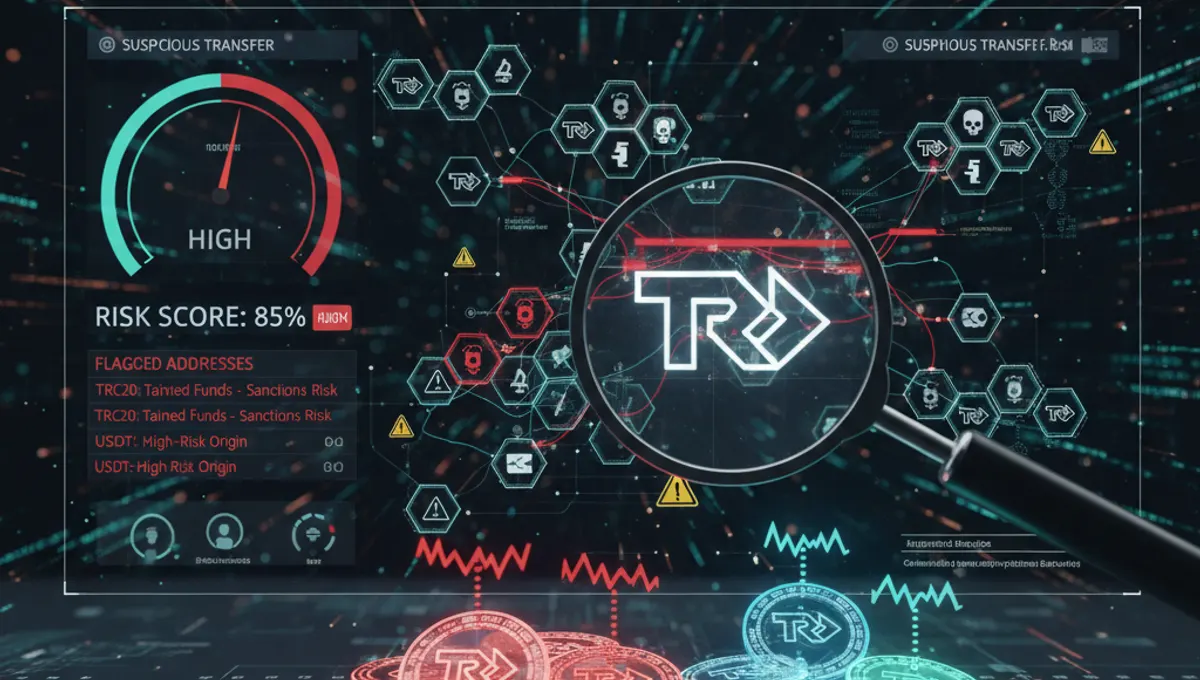
What Does AML Check Mean Exactly
AML check is short for Anti-Money Laundering check. In the crypto context, it's a screening process that examines a blockchain address or transaction to identify risk factors. The check looks for patterns and history that suggest illicit activity: funds stolen in hacks, coins mixed through tumblers, transactions linked to darknet markets, or addresses flagged on sanctions lists.
When you perform an AML check on a crypto wallet, the system compares the address against known risk databases and analyzes its transaction history. The result is typically a risk score—low, medium, or high—that tells you whether it's safe to transact with that address. Exchanges, custodians, and compliance teams use AML checks to meet regulatory requirements and avoid processing dirty money.
How Long Does AML Check Take
An AML check typically completes in seconds to minutes. Real-time screening services analyze a wallet address instantly by cross-referencing blockchain data and risk databases. The speed depends on the service and the complexity of the address history.
If you're checking a single Tron (TRX) or USDT TRC20 address before receiving funds, expect results within 30 seconds to 2 minutes. Batch checks of multiple addresses or deeper forensic analysis may take longer. Some services offer instant results for basic risk scoring, while comprehensive reports with transaction tracing take 5–15 minutes. The AML check process is designed to be fast enough for real-time transaction decisions at exchanges and payment processors.
The AML Check Process Step by Step
Here's how an AML check typically works:
1. Submit the wallet address (Bitcoin, Ethereum, Tron, or other blockchain).
2. The system queries blockchain explorers to retrieve the address's full transaction history.
3. Risk algorithms analyze the transactions for red flags: mixer usage, darknet market connections, stolen fund markers, or sanctions list matches.
4. The address is cross-referenced against known scam addresses, hacked wallets, and sanctioned entities.
5. A risk score is calculated and returned, often with a breakdown of risk categories.
6. You receive a report showing the score, risk factors, and transaction timeline.
This process is automated and requires no manual intervention. The AML check requirements vary by jurisdiction and institution, but the core steps remain consistent across compliant services.
What Risk Score Levels Mean
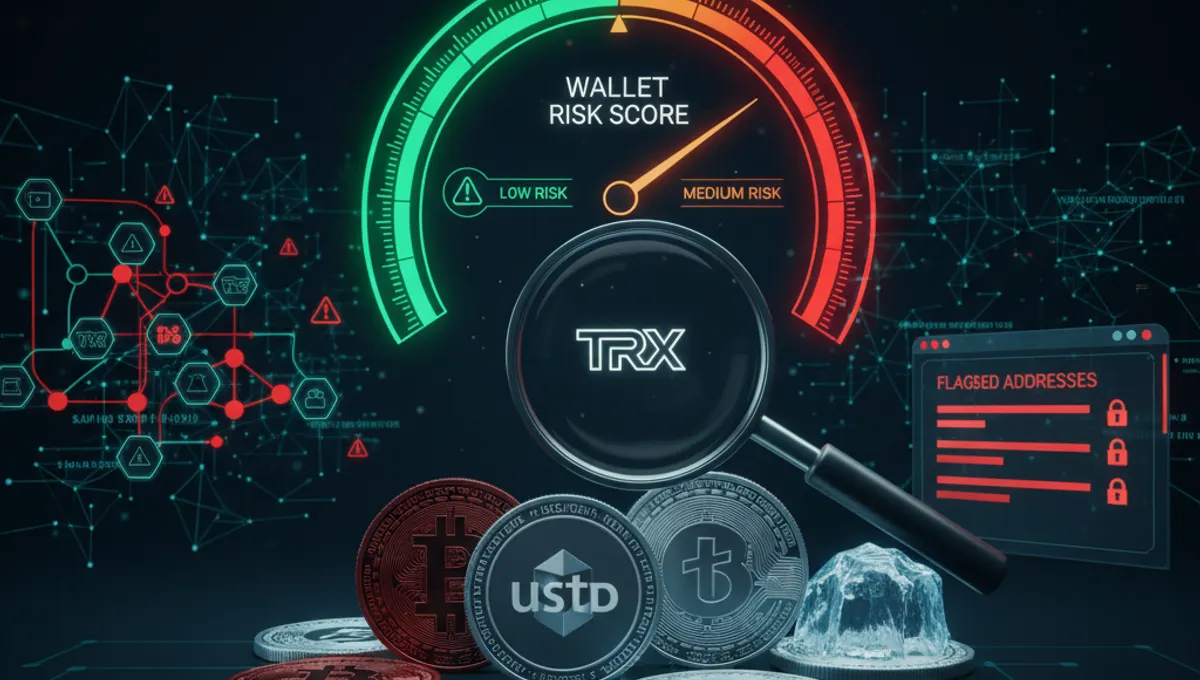
Risk scores typically range from 0–100 or are labeled as Low, Medium, or High. Here's what they indicate:
Low risk (0–20): Clean address with no suspicious activity. Safe to receive funds from or send to.
Medium risk (21–70): Some exposure to risk factors—perhaps minor mixer usage or indirect connection to flagged addresses. Proceed with caution; review the specific risk factors.
High risk (71–100): Significant red flags such as direct mixer involvement, darknet market links, stolen funds, or sanctions exposure. Most exchanges will block transactions from or to high-risk addresses.
The AML check fee varies by service, but understanding these thresholds helps you decide whether to proceed. Many institutions set their own acceptable risk thresholds; some reject anything above 30, others tolerate up to 50.
AML Check Requirements for Exchanges and Custodians
Regulated exchanges and crypto custodians are required by law to perform AML checks on customer deposits and withdrawals. The specific AML check requirements depend on jurisdiction and regulatory framework (e.g., FinCEN in the US, FATF guidelines globally).
Common requirements include:
- Screening deposits against sanctions lists and known stolen fund databases.
- Flagging transactions above certain thresholds for enhanced review.
- Blocking or freezing funds that score above the institution's risk tolerance.
- Maintaining audit trails of all AML checks performed.
- Reporting suspicious activity to authorities when required.
These requirements exist to prevent money laundering, terrorist financing, and sanctions evasion. If your wallet receives flagged funds, the exchange may freeze your account pending investigation. This is why checking a wallet before receiving crypto is a practical safeguard.
How to Check a Crypto Wallet Before Receiving Funds
Before accepting USDT, TRX, Bitcoin, or other crypto, verify the sender's wallet address:
1. Ask the sender for their wallet address.
2. Use a trusted AML screening service to check the address (our curated list of verified AML services on the AML Services page is a safe starting point).
3. Review the risk score and any flagged risk categories (mixer usage, darknet exposure, sanctions, stolen funds).
4. If the score is low or acceptable for your risk tolerance, proceed.
5. If the score is high or shows serious red flags, decline the transaction or request clarification from the sender.
This simple AML check crypto process takes 1–2 minutes and can prevent you from receiving tainted coins that exchanges will later freeze. Many users skip this step and regret it when their exchange account is locked pending investigation.
What Happens If Your Coins Are Flagged as Dirty
If you receive flagged or tainted coins, several outcomes are possible:
- The exchange detects the coins during deposit and blocks the transaction.
- The coins are accepted but flagged for review; your account is temporarily frozen.
- You're asked to provide proof of the source of funds (source of wealth documentation).
- The exchange permanently freezes the funds and closes your account.
- In severe cases (sanctions or stolen funds), the exchange reports the activity to authorities.
Frozen USDT and other flagged assets are difficult to recover. Even if you received the coins unknowingly, the burden is on you to prove legitimacy. This is why the AML check process matters: it's your first line of defense. Checking a wallet before receiving crypto is far easier than fighting a frozen account later.
Frequently asked questions
How long does an AML check take on a crypto wallet
Most AML checks complete in seconds to 2 minutes. Real-time screening services analyze the blockchain address instantly by comparing it against risk databases. Batch checks or detailed forensic reports may take 5–15 minutes. The speed depends on the service and address history complexity.
What is an AML check fee
AML check fees vary by service. Some offer free basic checks with limited detail; others charge per check or per address. Batch pricing and subscription models are common for frequent users. Check the verified AML services on our AML Services page for current pricing and features.
Can I check a Tron address for AML risk
Yes. Tron (TRX) and USDT TRC20 addresses can be screened using AML services that support the Tron blockchain. Submit the address, and the service will analyze its transaction history for risk factors like mixer usage, darknet exposure, and sanctions violations.
What does a high AML risk score mean
A high risk score (typically 71–100) indicates significant red flags: direct mixer involvement, darknet market links, stolen funds, or sanctions exposure. Most exchanges will block or freeze transactions involving high-risk addresses. Proceed only if you can verify the source.
What happens if I receive tainted crypto
If you deposit tainted crypto to an exchange, it may be blocked, flagged for review, or frozen pending investigation. Your account could be locked, and you may be asked for proof of source. In severe cases, funds are permanently frozen. This is why checking a wallet before receiving crypto matters.