How Traditional Check Fraud Differs from Stolen Crypto
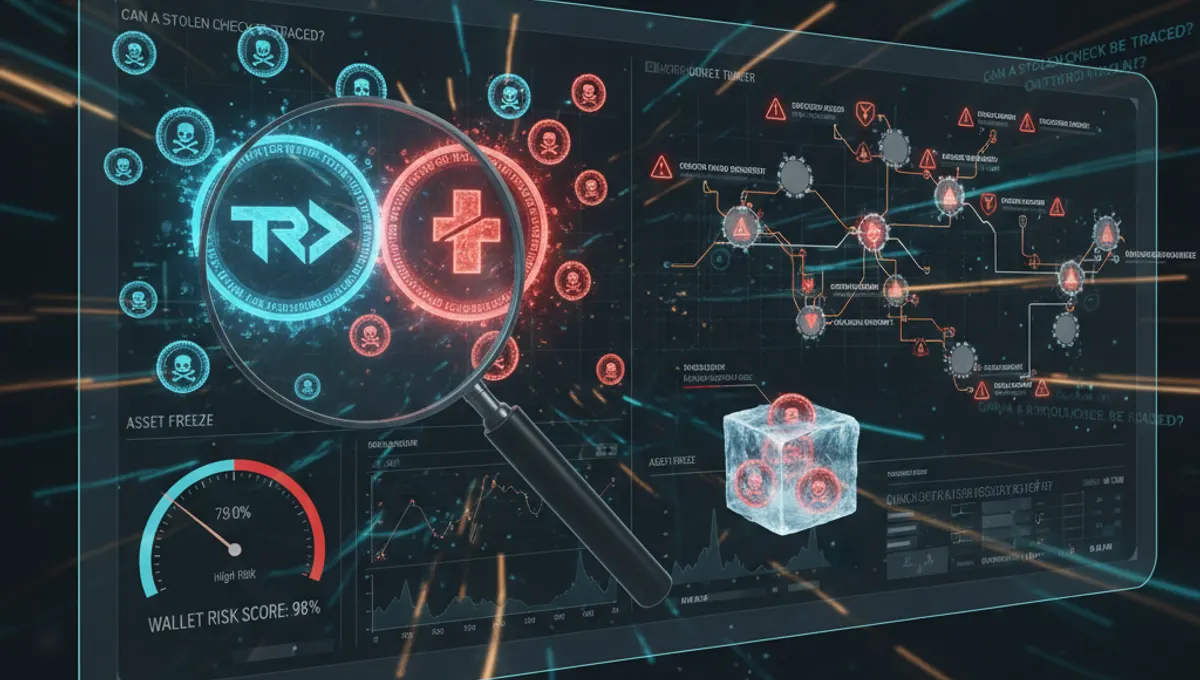
Stolen checks are traced through the banking system: the check number, routing number, and account holder are recorded in centralized ledgers. Banks can flag fraudulent checks, reverse transactions, and identify the perpetrator through account records and law enforcement cooperation. Stolen cryptocurrency operates differently. Blockchain transactions are immutable and public, but addresses are pseudonymous—a wallet address reveals transaction history but not the owner's name unless they've been linked to an exchange or public record. A stolen Bitcoin or USDT address leaves a permanent trail on the blockchain, but tracing it to a real person requires additional investigation, exchange cooperation, or law enforcement involvement. This is why can crypto transactions be traced is a critical question for anyone handling digital assets.
Can Crypto Transactions Be Traced on the Blockchain
Yes, crypto transactions can be traced on the blockchain. Every Bitcoin, Ethereum, and USDT TRC20 transaction is recorded permanently and publicly. Blockchain analytics firms can follow transaction flows, identify patterns, and flag suspicious activity. However, tracing stops at the wallet address—the next step requires identifying who owns that address. This is where AML (Anti-Money Laundering) screening comes in. If a wallet has been used on a regulated exchange, the exchange holds KYC (Know Your Customer) data linking the address to a real person. If the wallet has only been used on decentralized platforms or peer-to-peer transfers, the owner may remain anonymous. Stolen crypto can be recovered if the thief deposits it on an exchange; most exchanges now screen incoming wallets and can freeze funds flagged as stolen or tainted.
What Happens When You Receive Dirty Crypto
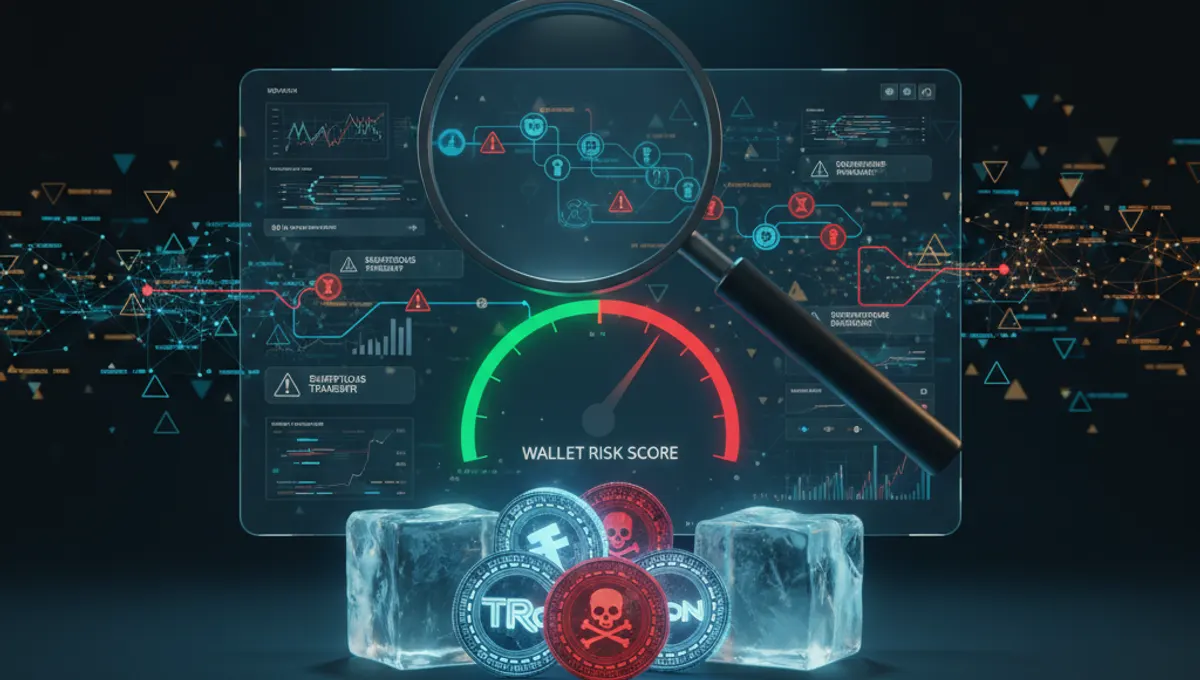
Receiving dirty crypto—funds stolen, from scams, or linked to sanctions—carries serious risks. When you deposit tainted coins on an exchange, the exchange's AML system flags the transaction. The exchange may freeze your account, reject the deposit, or report the activity to financial regulators. In some jurisdictions, knowingly handling stolen funds is a criminal offense. You cannot simply spend flagged crypto without triggering compliance alerts. This is why checking a wallet before receiving USDT or TRX is essential. An AML risk score tells you whether the wallet has been flagged as high-risk. Risk scores typically range from low (clean, no darknet or mixer exposure) to critical (directly linked to theft, sanctions, or illegal markets). Depositing critical-risk crypto almost guarantees account freezes and regulatory scrutiny.
Can Stolen Crypto Be Recovered
Stolen crypto recovery is possible but difficult and depends on where the thief moves the funds. If the thief deposits stolen crypto on a regulated exchange, the exchange's AML screening will flag it, and law enforcement can work with the exchange to freeze and potentially return the funds. If the thief moves the crypto through mixers (services that obscure transaction trails) or to decentralized wallets, recovery becomes nearly impossible without law enforcement resources. Some victims have recovered funds by reporting the theft to exchanges and law enforcement, but there is no guarantee. The blockchain itself does not reverse transactions—once sent, crypto is gone unless the recipient voluntarily returns it or is compelled by legal order. This is why prevention—checking wallets before accepting crypto—is more effective than recovery.
How AML Screening Detects Tainted and Stolen Funds
AML screening services use blockchain analytics to flag tainted crypto. They maintain databases of known risk indicators: addresses linked to darknet markets (Silk Road, AlphaBay), ransomware payments, sanctioned entities, stolen exchange funds, and mixer services. When you screen a wallet, the service compares its transaction history against these databases and assigns a risk score. High-risk indicators include: direct deposits from known theft addresses, multiple transactions through mixers, rapid movement to darknet markets, or links to sanctioned jurisdictions. The screening also checks whether the wallet has been flagged by exchanges or law enforcement. A clean wallet shows minimal or no exposure to these risk categories. Screening takes seconds and provides a risk report you can review before accepting the transfer. This is the practical way to avoid receiving dirty crypto and the compliance problems that follow.
Can Crypto Wallets Be Hacked and How to Protect Yours
Yes, crypto wallets can be hacked, but the method depends on wallet type. Hot wallets (connected to the internet) are vulnerable to malware, phishing, and exchange breaches. Cold wallets (offline hardware or paper wallets) are much harder to compromise but can be stolen if the physical device is taken or the seed phrase is exposed. If your wallet is hacked and crypto is stolen, the thief's address becomes the new owner—the blockchain does not reverse the transaction. Your only recourse is if the thief deposits the stolen crypto on an exchange; then the exchange may freeze it pending law enforcement investigation. To protect your wallet: use a hardware wallet for large holdings, enable two-factor authentication on exchanges, never share your seed phrase, and verify addresses before sending crypto. Additionally, before receiving crypto from others, always screen the sending wallet for risk indicators. This prevents you from becoming the unwitting recipient of stolen or tainted funds.
Acceptable Risk Score Thresholds and What to Do If Coins Are Flagged
Most AML services assign risk scores on a scale: low (0–20), medium (21–50), high (51–80), and critical (81–100). A low-risk score means the wallet has clean transaction history with no known darknet, mixer, or theft exposure. Medium-risk may indicate some mixer use or unidentified sources but no direct criminal links. High-risk wallets show significant exposure to suspicious activity. Critical-risk wallets are directly linked to theft, sanctions, or illegal markets. If you receive crypto from a low-risk wallet, it is generally safe to deposit on exchanges. Medium-risk requires caution—many exchanges will accept it but may flag your account for review. High or critical-risk crypto should be rejected; depositing it will almost certainly result in account freezes and regulatory reporting. If your own wallet is flagged as high-risk due to past transactions, you can still use it, but exchanges may reject deposits or require additional verification. The safest approach is to check wallets through the trusted AML services listed on our verified AML services directory before accepting any transfer.
Frequently asked questions
Can stolen crypto be recovered if I receive it by accident
Recovery depends on where the thief moves the funds. If deposited on a regulated exchange, the exchange's AML system flags it and law enforcement may freeze it. If moved through mixers or decentralized wallets, recovery is nearly impossible. Report the theft to exchanges and law enforcement immediately. Prevention through wallet screening before accepting transfers is more effective than recovery.
What happens if I deposit a dirty check or tainted crypto on an exchange
Exchanges screen incoming wallets and transactions. If flagged as tainted, stolen, or high-risk, the exchange will freeze your account, reject the deposit, or both. You may face regulatory reporting and compliance investigations. In some jurisdictions, knowingly handling stolen funds is criminal. Always screen wallets before accepting crypto to avoid this outcome.
How do I know if a wallet address is safe before I receive crypto
Use an AML screening service to check the wallet's risk score and transaction history. The service flags exposure to darknet markets, mixers, theft, and sanctions. A low-risk score means the wallet is clean. Screen wallets through verified AML services before accepting any transfer to protect yourself from tainted crypto.
Can crypto wallets be hacked and what should I do if mine is
Yes, hot wallets connected to the internet are vulnerable to malware and phishing. Cold wallets are safer but can be compromised if the seed phrase is exposed. If hacked, the blockchain does not reverse the transaction. Your only recourse is if the thief deposits stolen crypto on an exchange where it can be frozen. Use hardware wallets and strong security practices to prevent hacks.
What risk score should I accept when receiving USDT or TRX
Accept only low-risk scores (0–20) for safe transfers. Medium-risk (21–50) may be accepted but triggers exchange review. High or critical-risk (51–100) should be rejected—depositing will freeze your account. Always check the sending wallet's AML risk score before accepting any crypto to avoid compliance problems and account freezes.