Why Stolen Crypto Is Hard to Recover
Once a cryptocurrency transaction is confirmed on the blockchain, it cannot be reversed or recalled. Unlike bank transfers, which can be disputed or reversed within days, crypto transactions are permanent. The sender's private key controls the funds, and without it, recovery is nearly impossible through technical means alone.
Law enforcement and blockchain analysts can trace stolen crypto to exchanges or wallets, but only if the thief attempts to convert it to fiat currency or move it through regulated platforms. If stolen funds remain in a private wallet or move through privacy mixers, tracing becomes exponentially harder. Most victims never recover their assets because the thief either holds the coins indefinitely or launders them through mixing services designed to obscure transaction history.
Can Stolen Crypto Be Recovered Through Law Enforcement
Law enforcement agencies work with blockchain analysts and exchanges to identify and freeze stolen funds. When a thief tries to deposit stolen crypto on a regulated exchange, the exchange's AML compliance team may flag the transaction if it matches known theft patterns or sanctions lists. If the account is frozen before withdrawal, law enforcement can potentially recover the funds and return them to the victim.
However, recovery depends on several factors: the exchange must cooperate, the thief must use a regulated platform (not a decentralized exchange), and the theft must be reported to authorities. Even then, the process is slow—often taking months or years. Some jurisdictions have established crypto recovery task forces, but resources are limited and recovery rates remain low. Victims should file a police report and contact the exchange where they suspect the thief will attempt to cash out.
How Blockchain Transactions Can Be Traced
Blockchain transactions are traceable because every transfer is recorded on a public ledger with wallet addresses, amounts, and timestamps. Blockchain analysts use this data to map transaction flows and identify patterns. Tools and services track how stolen funds move from one address to another, sometimes revealing the thief's identity if they link their wallet to a known exchange account or personal information.
Privacy mixers and tumblers complicate tracing by breaking the transaction chain, but advanced analytics can sometimes detect mixing patterns. Sanctioned entities and darknet marketplaces are flagged by compliance teams, making it risky for thieves to move stolen funds through those channels. The longer a thief holds stolen crypto without moving it, the safer it remains—but the moment they attempt to convert it to fiat currency or move it through a regulated exchange, they become vulnerable to detection and asset seizure.
How to Protect Yourself: Screen Crypto Before You Receive It
The most effective protection is screening incoming cryptocurrency through AML wallet checks before you accept or deposit it. This process involves checking the wallet address for:
1. Tainted coins: funds stolen from hacks, scams, or theft
2. Darknet exposure: coins linked to illegal marketplaces
3. Sanctions violations: addresses tied to sanctioned entities or countries
4. Mixer usage: funds that have passed through privacy services
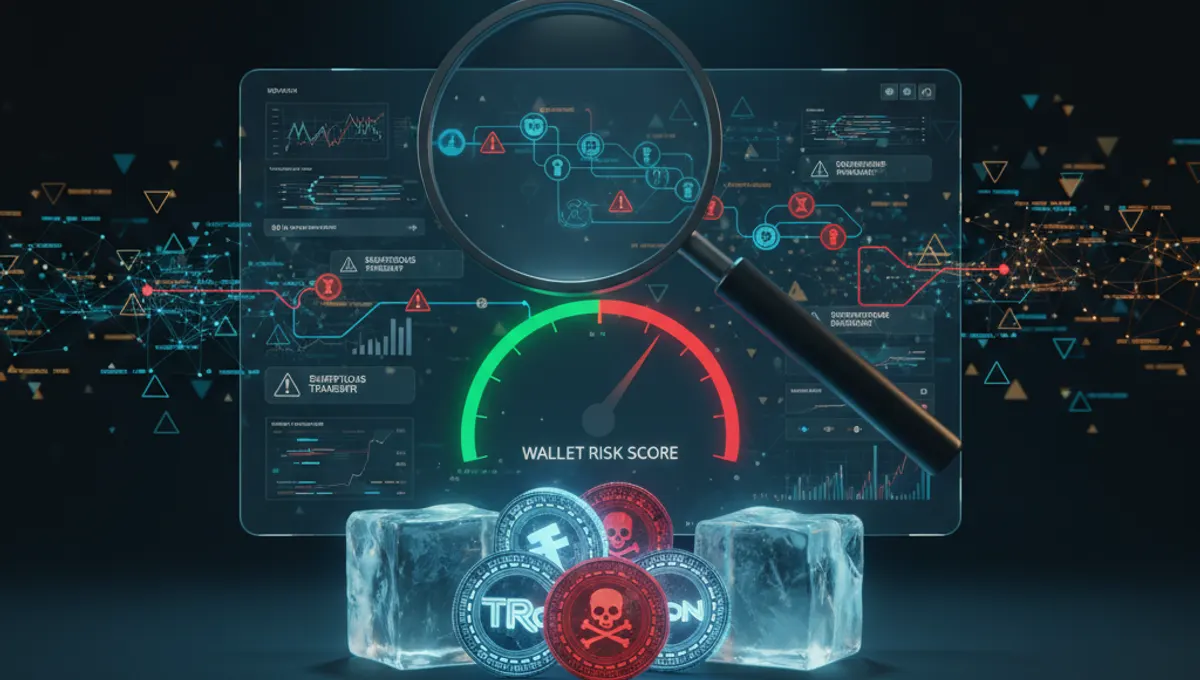
5. Risk score: an overall assessment of the wallet's compliance risk
When you receive USDT (TRC20 or ERC20), Bitcoin, or Tron, request the sender's wallet address and run it through a trusted AML screening service. A clean risk score means the coins are unlikely to be flagged by exchanges. If the score is high, you risk having your account frozen or the deposit rejected when you try to cash out. Our curated list of verified AML services on this site provides transparent pricing and detailed risk reports—start there to screen wallets safely.
What Happens When Exchanges Detect Stolen or Tainted Crypto
When you deposit stolen or tainted crypto on a regulated exchange, the exchange's AML compliance system scans the transaction against known theft databases, sanctions lists, and risk scoring models. If the deposit matches a flagged pattern, the exchange may:
1. Freeze your account pending investigation
2. Reject the deposit and return it to the sender's address
3. Require additional KYC documentation to verify your identity and source of funds
4. Permanently close your account and forfeit the balance
Exchanges are legally required to perform these checks under AML and KYC regulations. If you unknowingly receive stolen crypto and deposit it, you may face account restrictions even if you are not the thief. Proving you received the funds in good faith requires documentation—invoices, contracts, or communication with the sender. This is why screening before you receive crypto is critical: it prevents you from accidentally becoming entangled in a theft investigation.
Can Crypto Wallets Be Hacked and Funds Stolen
Yes, crypto wallets can be hacked if the private key or seed phrase is compromised. Common attack vectors include:
1. Phishing emails or fake wallet websites that trick users into entering their seed phrase
2. Malware that logs keystrokes or steals clipboard data
3. Weak passwords or reused passwords across multiple platforms
4. Unencrypted seed phrases stored on internet-connected devices
5. Social engineering attacks targeting exchange employees or wallet providers
Once a hacker has the private key, they can transfer all funds to their own wallet instantly and irreversibly. Hardware wallets (cold storage) are more secure because the private key never touches the internet, but they are not immune to phishing or physical theft. To protect your wallet, use a hardware wallet for large holdings, enable two-factor authentication on exchange accounts, and never share your seed phrase. If your wallet is hacked, move remaining funds immediately and report the theft to law enforcement and the exchange where you plan to recover funds.
Dirty Checks and Crypto: Why Source of Funds Matters
The concept of a dirty check—a check drawn on a stolen or fraudulent account—parallels tainted crypto. Just as you cannot deposit a dirty check without risking account closure, you cannot safely deposit stolen cryptocurrency. Both involve receiving funds obtained through fraud or theft, and both trigger compliance red flags when deposited on regulated platforms.
With crypto, the risk is higher because transactions are irreversible. If you deposit a stolen check, the bank may reverse it and close your account. If you deposit stolen crypto, you may face criminal investigation if the thief used your account to launder funds. The difference is that crypto's pseudonymity makes it attractive to thieves, but blockchain traceability makes it risky for recipients. Always verify the source of incoming crypto and screen the wallet address before accepting large transfers. If you are unsure, ask the sender for proof of legitimate ownership or use an AML screening service to assess the risk.
Frequently asked questions
Can stolen crypto be recovered if I report it to police?
Law enforcement can trace stolen crypto to exchanges and freeze accounts, but recovery is not guaranteed. If the thief attempts to cash out on a regulated exchange, the exchange's AML team may flag and freeze the account. Recovery depends on the exchange's cooperation, the jurisdiction, and whether the thief used a regulated platform. Most victims never recover their funds because thieves use privacy mixers or hold coins indefinitely.
Can crypto transactions be traced back to a person?
Blockchain transactions are traceable to wallet addresses, but identifying the person behind an address requires additional data. If the thief links their wallet to an exchange account with verified identity information, law enforcement can identify them. Privacy mixers and decentralized exchanges make tracing harder, but advanced blockchain analysis can sometimes detect mixing patterns and follow fund flows.
What should I do if I receive stolen crypto by mistake?
Do not deposit it on an exchange. Contact the sender immediately to clarify the source. If you suspect the funds are stolen, report the transaction to law enforcement and the exchange where you plan to deposit it. Screen the wallet address through an AML service to assess the risk. If you deposit stolen crypto unknowingly, your account may be frozen during investigation, even if you are not at fault.
How can I check if crypto I received is tainted or stolen?
Use an AML wallet screening service to check the sender's address for tainted coins, darknet exposure, and sanctions violations. These services provide a risk score and detailed report showing the wallet's transaction history and compliance status. Our verified AML services list offers transparent pricing and reliable screening. A clean risk score means the coins are unlikely to be flagged by exchanges.
Can crypto wallets be hacked even if I use a hardware wallet?
Hardware wallets are more secure because the private key never touches the internet, but they are not immune to phishing or physical theft. Hackers can trick you into revealing your seed phrase through phishing emails or fake wallet websites. If your seed phrase is compromised, all funds can be stolen instantly. Use strong passwords, enable two-factor authentication, and never share your seed phrase to minimize risk.