How Crypto Wallets Get Hacked
Wallets are compromised through several attack vectors. Phishing emails or fake websites trick users into entering seed phrases or private keys. Malware on your device logs keystrokes or steals wallet credentials. Weak passwords make brute-force attacks feasible. Exchange hacks expose stored private keys if you keep coins on a trading platform rather than in self-custody. Hardware wallet vulnerabilities are rare but possible if the device firmware is outdated. Hot wallets (internet-connected) face higher risk than cold wallets (offline storage). Even if your wallet itself isn't breached, a compromised email account can reset your recovery phrase if you've linked it to wallet recovery services.
Can Crypto Transactions Be Traced After a Hack
Yes, crypto transactions are traceable on the blockchain. Every Bitcoin, Tron, and Ethereum transaction is recorded permanently on a public ledger. Blockchain analysts can follow the movement of stolen funds through multiple addresses and exchanges. This traceability is why stolen crypto is often moved through mixers or privacy coins to obscure the trail. Law enforcement and exchange compliance teams use transaction monitoring and KYT (Know Your Transaction) tools to flag suspicious movement patterns. However, tracing stolen funds does not guarantee recovery—the attacker may have already converted them to fiat currency or moved them to jurisdictions where enforcement is difficult.
Can Stolen Crypto Be Recovered
Recovery of stolen crypto is difficult but sometimes possible. If the attacker moves funds to a regulated exchange, law enforcement can freeze the account and potentially return coins to the victim. Some exchanges cooperate with authorities and will halt withdrawals if they detect stolen funds flagged by AML screening. Private recovery services exist but are expensive and not always effective. The blockchain's immutability means transactions cannot be reversed—recovery depends on catching the thief before they cash out. If you receive stolen crypto unknowingly, you won't recover it by holding it; instead, you risk your own account being frozen when you try to deposit it on an exchange. This is why checking incoming wallets for tainted funds before accepting large transfers is essential.
Why AML Screening Matters Before Receiving Crypto
AML (Anti-Money Laundering) screening detects if incoming crypto has illicit origins—stolen funds, darknet market proceeds, sanctions violations, or gambling payouts. When you receive tainted USDT or Bitcoin, you inherit the compliance risk. Exchanges run AML checks on deposits; if your coins are flagged as high-risk, your account may be frozen pending investigation. You could lose access to your funds for weeks or months. AML screening also protects you from unknowingly laundering money, which carries legal consequences in many jurisdictions. Before accepting a large transfer, check the sender's wallet address using AML services to verify the funds are clean. This simple step prevents costly account freezes and legal exposure.
How to Check a Wallet Address for Risk Before Receiving Funds
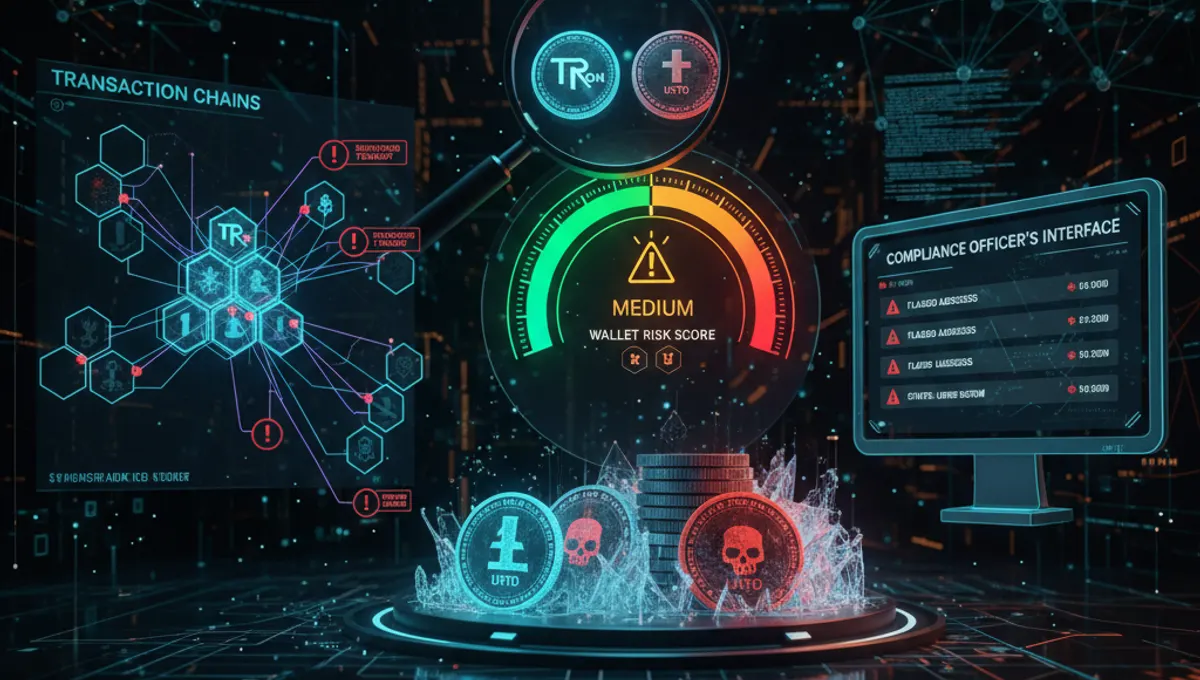
Use an AML wallet screening service to check the sender's address before accepting crypto. Enter the wallet address (Bitcoin, Tron, Ethereum, or USDT TRC20) into the screening tool. The service returns a risk score—typically low, medium, or high—based on transaction history, known illicit addresses, sanctions lists, and darknet exposure. A low risk score means the wallet has no known connection to theft, scams, or illegal activity. Medium risk may indicate the wallet has interacted with mixers or unverified sources. High risk flags suggest direct links to stolen funds, ransomware, or sanctioned entities. Review the detailed report to understand why a wallet received a certain score. If the score is high, decline the transfer or contact the sender for clarification. Our curated list of verified AML services on this site provides trusted tools for wallet screening—start there to ensure accurate, reliable checks.
What Risk Score Levels Mean for Your Wallet
Risk scores quantify the likelihood that a wallet or transaction is connected to illicit activity. Low risk (typically 0–30%) indicates minimal red flags and is generally safe to accept. Medium risk (30–70%) suggests some exposure to suspicious activity—the wallet may have received funds from mixers, gambling platforms, or unverified sources, but not necessarily stolen funds. High risk (70–100%) signals direct links to known theft, ransomware, darknet markets, or sanctions violations. Exchanges typically accept low-risk deposits without delay. Medium-risk deposits may trigger manual review or temporary holds. High-risk deposits are often rejected outright or frozen pending investigation. When receiving USDT or Bitcoin, aim for a risk score below 30% to avoid compliance friction. If you're unsure how to interpret a score, the detailed breakdown provided by AML screening services explains the specific risk factors.
What to Do If Your Wallet Is Flagged as Compromised
If you discover your wallet has been hacked or flagged as high-risk during an AML check, act immediately. First, move any remaining funds to a new, secure wallet—use a hardware wallet or a fresh address with a strong, unique private key. Do not reuse old passwords or recovery phrases. Report the theft to your exchange and local law enforcement; provide transaction IDs and timestamps. Contact the blockchain analytics team at your exchange to flag the compromised address. If you received stolen funds unknowingly, inform your exchange's compliance team and provide evidence that you were unaware of the illicit origin. Cooperating with exchanges increases the chance of account recovery. Avoid depositing flagged funds on another exchange, as the risk will follow you. Going forward, enable two-factor authentication, use hardware wallets for large holdings, and check incoming wallet addresses with AML screening before accepting transfers.
Frequently asked questions
Can someone hack my crypto wallet if they have my public address
No. Your public address is meant to be shared; it only receives funds. Hackers need your private key or seed phrase to access your wallet. However, knowing your public address lets them monitor your balance and transaction history on the blockchain. Keep your private key secret at all times.
What happens if I receive stolen crypto without knowing it
You risk account freezes when you try to deposit it on an exchange. AML screening will flag the funds as high-risk, and the exchange may freeze your account pending investigation. You won't lose the crypto permanently, but access may be blocked for weeks. Always check incoming wallet addresses before accepting large transfers.
How do I know if my Bitcoin address is on a sanctions list
Use an AML screening service to check your address. The tool scans against known sanctions lists and darknet databases. If your address is flagged, the report will specify the reason—e.g., linked to a sanctioned entity or ransomware. If flagged incorrectly, contact the exchange's compliance team to appeal.
Can I recover crypto stolen from a hacked exchange
Sometimes. If the exchange detects the theft and freezes the attacker's account before withdrawal, funds may be recovered. However, if the attacker cashed out or moved coins to an unregulated platform, recovery is unlikely. Report the theft immediately to the exchange and law enforcement to maximize recovery chances.
What is KYT and how does it prevent hacked wallets
KYT (Know Your Transaction) is blockchain monitoring that tracks suspicious transaction patterns in real time. It detects stolen funds, mixers, and illicit activity. KYT doesn't prevent hacks directly, but it flags compromised wallets so exchanges can freeze them before attackers cash out, protecting other users from receiving tainted crypto.