What Is KYT in Crypto: Core Definition
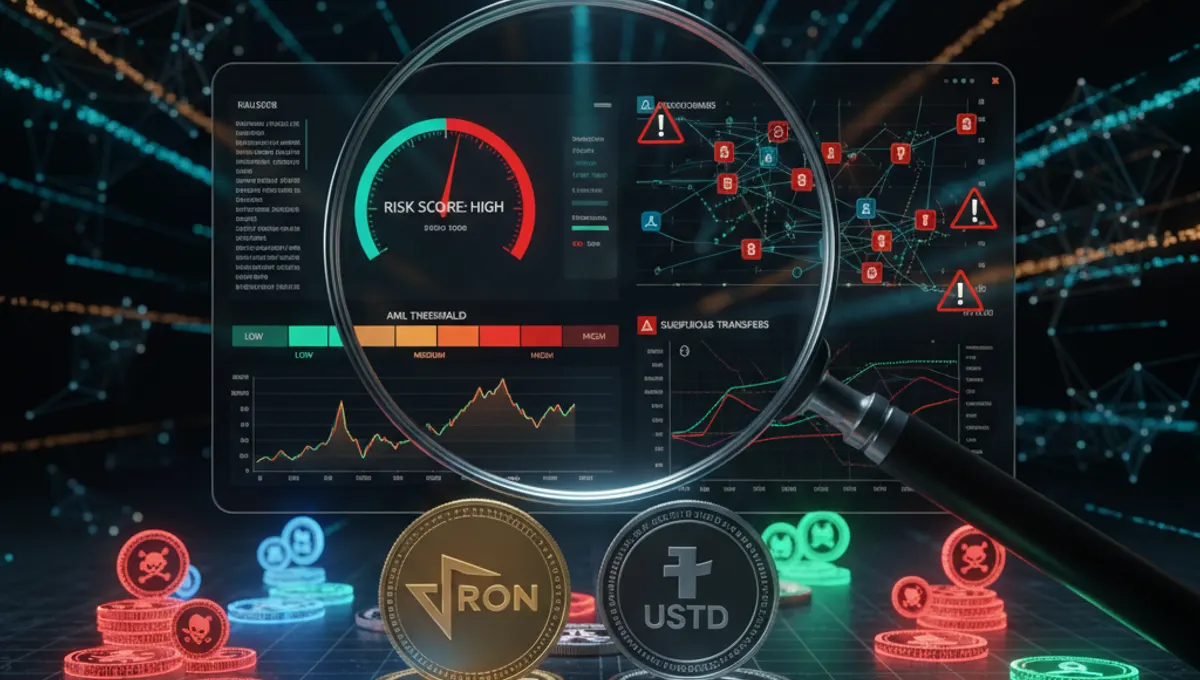
KYT (Know Your Transaction) is a blockchain analytics and compliance framework that examines the history and risk profile of cryptocurrency transactions and wallet addresses. It answers the question: where did these coins come from, and are they clean or tainted. KYT screening checks whether funds have been linked to mixers, darknet markets, scams, stolen assets, or sanctioned entities. The process generates a risk score—typically ranging from low (green) to high (red)—that indicates the likelihood a wallet or transaction is involved in illicit activity. Financial institutions, exchanges, and custodians use KYT to meet regulatory obligations and protect themselves from money laundering, terrorist financing, and sanctions violations. KYT crypto meaning differs from KYC meaning in that KYT focuses on transaction history and fund origin, while KYC verifies the identity of the person or entity controlling the wallet.
How Does KYT Screening Work: The Process
KYT screening operates by analyzing blockchain data to trace the movement of coins across addresses and exchanges. When you submit a wallet address for KYT screening, the system performs these steps: (1) traces the transaction history backward to identify the source of funds; (2) cross-references the address against known risk databases, including darknet market wallets, mixer services, and sanctioned entity lists; (3) assigns a risk score based on exposure to illicit activity; (4) flags any connection to stolen funds, ransomware proceeds, or gambling platforms. The screening engine uses heuristics—patterns of behavior that suggest illicit use—such as rapid fund mixing, transfers to known darknet addresses, or sudden large withdrawals to unknown wallets. KYT crypto tools maintain updated databases of compromised addresses, sanctions lists, and known criminal wallets. The entire process is automated and returns results within seconds, allowing exchanges and wallet providers to make real-time compliance decisions.
KYT Risk Score Levels: What the Numbers Mean
A KYT risk score quantifies the likelihood that a wallet or transaction is associated with illicit activity. Risk scores typically follow this scale: Low (0–20%): minimal exposure to known illicit activity; generally acceptable for most transactions. Medium (21–50%): some exposure to mixers, unverified sources, or minor risk indicators; may trigger additional review. High (51–80%): significant exposure to darknet markets, stolen funds, or sanctioned entities; many exchanges will reject deposits. Critical (81–100%): direct or strong indirect links to known criminal activity, ransomware, or sanctions violations; deposits will be frozen or rejected. The exact thresholds vary by service and jurisdiction. Exchanges and custodians set their own acceptance policies; some accept only low-risk addresses, while others tolerate medium risk depending on transaction size and customer history. Understanding your wallet's risk score before sending funds to an exchange prevents deposit rejection and account freezes. You can check your wallet's KYT risk score through verified AML services listed on our curated AML Services page, which offer transparent scoring and detailed risk breakdowns.
KYT vs. KYC: Key Differences in Crypto Compliance
KYT (Know Your Transaction) and KYC (Know Your Customer) are complementary but distinct compliance mechanisms. KYC meaning in crypto refers to identity verification—exchanges collect your name, address, and proof of identity to confirm you are who you claim to be and to prevent account takeover and fraud. KYT, by contrast, examines the coins themselves: their origin, movement history, and risk profile. An exchange may pass your KYC check (you are verified as a real person) but reject your deposit because the wallet you are sending from has a high KYT risk score (the coins are flagged as tainted or linked to illicit activity). In practice, both are required: KYC protects the exchange from onboarding criminals, while KYT protects it from receiving stolen or sanctioned assets. Understanding the crypto kyc meaning and KYT crypto meaning together helps you navigate compliance requirements and avoid deposit rejections.
Common Risk Flags in KYT Screening
KYT screening flags wallets and transactions based on several risk categories: Mixer exposure: coins that have passed through privacy mixers or tumbling services, which obscure transaction trails and suggest an attempt to hide fund origin. Darknet market links: direct or indirect connections to known darknet marketplace addresses, indicating potential involvement in illegal goods or services. Stolen funds: coins traced back to exchange hacks, wallet compromises, or theft incidents. Ransomware proceeds: funds linked to ransomware payments or extortion schemes. Sanctioned entity involvement: transactions with addresses controlled by individuals, organizations, or countries on OFAC or other sanctions lists. Gambling platform exposure: coins sent to or received from gambling services, which may indicate money laundering through gaming. Scam-related addresses: wallets associated with Ponzi schemes, rug pulls, or other fraud. A single risk flag does not automatically mean a wallet is illicit—context matters. For example, receiving coins from a mixer might indicate privacy concerns rather than criminal intent. However, multiple flags or high-risk exposure typically results in deposit rejection by exchanges.
How to Check a Wallet Before Receiving Crypto
Before accepting a large transfer of USDT, TRX, BTC, or other assets, screen the sending wallet to verify the funds are not tainted. Follow these steps: (1) Obtain the sender's wallet address and confirm it matches the intended source. (2) Visit a verified AML screening service from our curated AML Services page—these tools provide transparent KYT risk scoring and detailed reports. (3) Enter the wallet address and select the blockchain (Tron for TRX, Bitcoin for BTC, Ethereum for ETH, etc.). (4) Review the risk score and any flagged categories (mixer exposure, darknet links, stolen funds). (5) If the score is low (0–20%), the transfer is generally safe. If medium (21–50%), request additional information from the sender about the fund source. If high (51–80%) or critical (81–100%), decline the transfer or escalate to compliance. (6) Document the screening result for your records. This process takes minutes and prevents you from receiving frozen or rejected deposits. Many exchanges will automatically reject high-risk deposits, so screening beforehand saves time and protects your account.
What Happens When a Wallet Is Flagged as High Risk
If your wallet receives a high KYT risk score, several consequences may follow. Exchanges may reject deposits: when you attempt to transfer coins to an exchange, the platform's compliance system detects the high risk score and blocks the deposit. Your account may be frozen: if you have already deposited high-risk coins, the exchange may freeze your account pending investigation or permanently close it. Coins may be locked: in some cases, exchanges or custodians may temporarily hold flagged coins while they investigate the transaction history. You may face legal scrutiny: if the coins are linked to sanctioned entities or known criminal activity, law enforcement or financial regulators may investigate. To recover or use flagged coins, you may need to provide documentation proving the legitimate source of funds, such as receipts from a legitimate purchase or transfer records. Prevention is simpler than remediation: screen wallets before receiving large transfers, and avoid accepting coins from unknown or suspicious sources. If you receive flagged coins unexpectedly, contact the sender immediately to understand the fund source and consider using a service from our AML Services page to assess your options.
Frequently asked questions
What does KYT stand for in crypto?
KYT stands for Know Your Transaction, a compliance process that screens cryptocurrency wallets and transactions for anti-money laundering (AML) risk, tainted funds, and sanctions exposure. It examines the history and origin of coins to detect links to darknet markets, mixers, stolen funds, and sanctioned entities.
Is KYT the same as KYC in cryptocurrency?
No. KYC (Know Your Customer) verifies your identity at onboarding, while KYT (Know Your Transaction) examines the coins themselves—their origin, movement history, and risk profile. Both are required for compliance: KYC protects exchanges from onboarding criminals; KYT protects them from receiving tainted or sanctioned assets.
What is a good KYT risk score for crypto?
A low KYT risk score (0–20%) is generally acceptable and will not be rejected by exchanges. Medium risk (21–50%) may trigger additional review. High risk (51–80%) or critical (81–100%) will likely result in deposit rejection or account freezing. Thresholds vary by exchange and jurisdiction.
How do I check if my crypto wallet has a high KYT risk score?
Submit your wallet address to a verified AML screening service from our curated AML Services page. Enter your address, select the blockchain, and the tool will return your risk score and any flagged risk categories such as mixer exposure, darknet links, or stolen funds.
What happens if I receive coins with a high KYT risk score?
Exchanges may reject the deposit, freeze your account, or lock the coins pending investigation. If the coins are linked to sanctioned entities or known criminal activity, you may face legal scrutiny. Prevention is simpler: screen wallets before receiving large transfers and avoid accepting coins from suspicious sources.