What Is KYT Crypto and How Does It Differ from KYC?
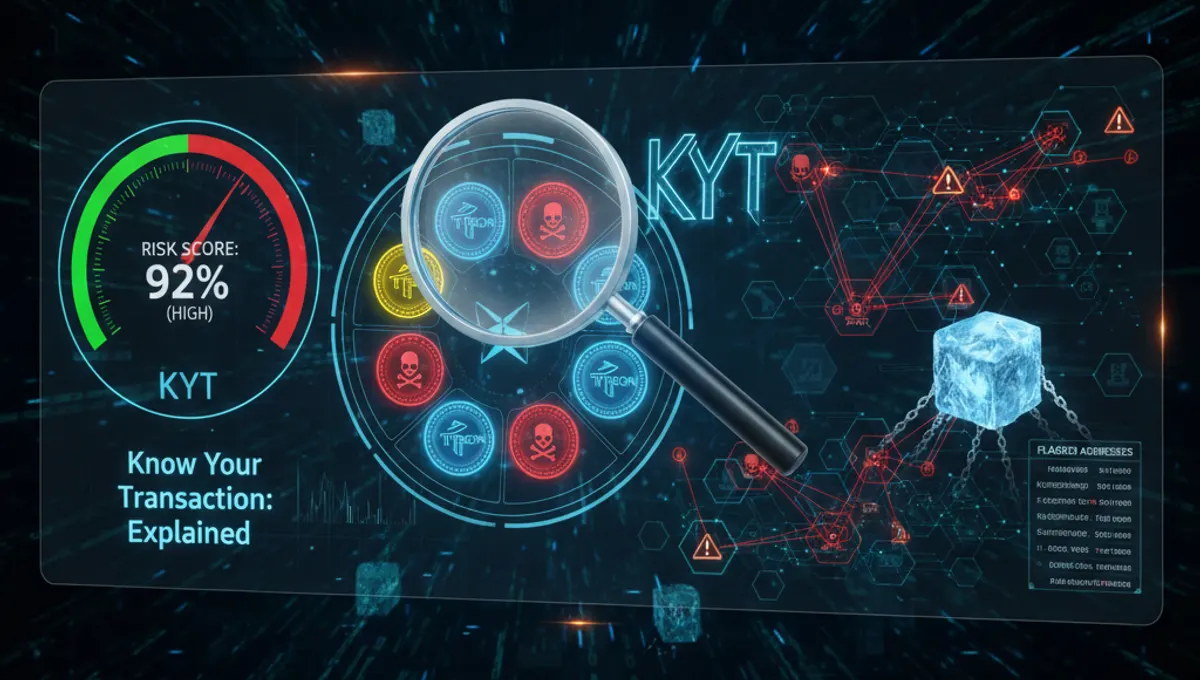
KYT (Know Your Transaction) and KYC (Know Your Customer) are complementary but distinct compliance tools. KYC verifies the identity of a person or entity opening an account—name, address, source of funds. KYT, by contrast, monitors the transaction history and movement of cryptocurrency itself, regardless of who holds it. A wallet may pass KYC screening but still contain coins flagged by KYT if those coins were previously involved in theft, mixing services, darknet markets, or sanctions violations. KYT crypto meaning centers on the coin's provenance: where it came from, which addresses touched it, and whether any of those addresses are linked to illegal activity. This distinction matters because regulators and exchanges enforce both: they want to know who you are (KYC) and what you're transacting with (KYT). For recipients of crypto, KYT blockchain screening is the practical safeguard—it tells you whether incoming USDT or Tron tokens carry compliance risk before you accept them.
How Does KYT Blockchain Transaction Monitoring Work?
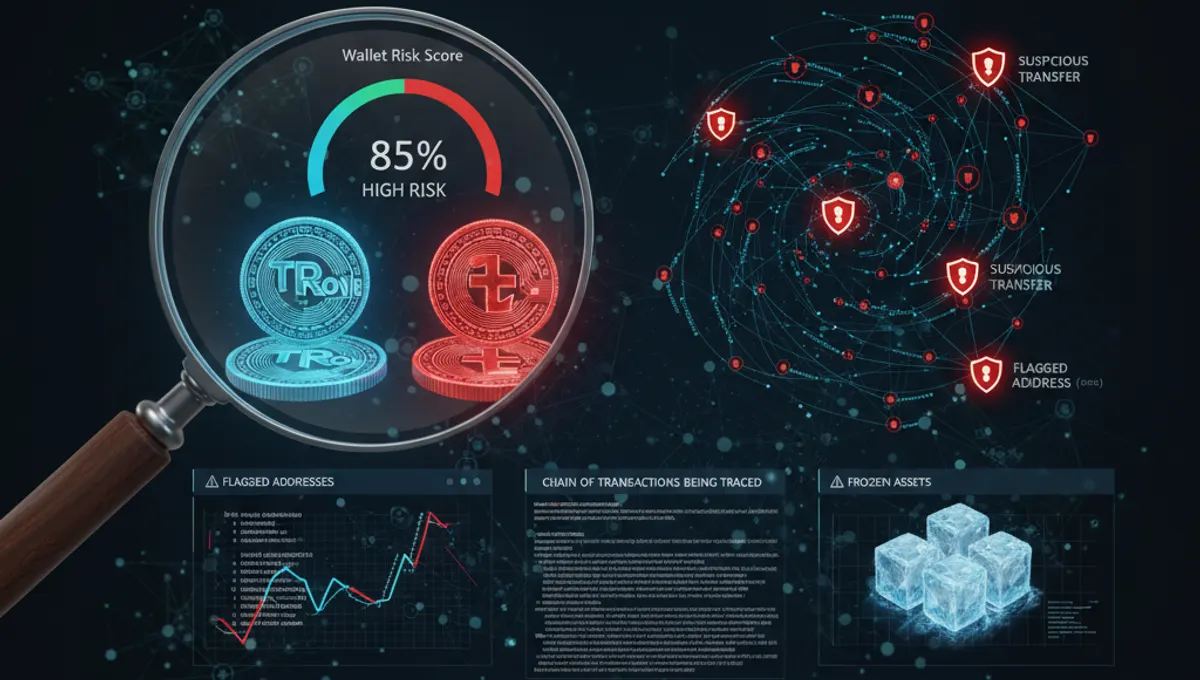
KYT blockchain transaction monitoring operates by analyzing the complete transaction history of a cryptocurrency address or token. The process follows these steps: First, the system records every on-chain transaction linked to an address, tracing coin movement across the blockchain. Second, it cross-references those transactions against known risk databases—lists of addresses associated with mixers, darknet markets, stolen funds, and sanctioned entities. Third, it assigns a risk score based on the number and severity of risky connections. For example, if USDT on the Tron network (TRC20) was sent from an address flagged for mixing activity, that transaction creates a risk link. The blockchain transaction tracker free tools available through compliance platforms can reveal these connections. KYT meaning crypto extends to velocity analysis: how quickly coins move between addresses, whether they cluster with other high-risk transactions, and whether they show patterns consistent with money laundering. Tron address screening and Bitcoin address analysis use the same principle—immutable on-chain records allow auditors to reconstruct the full transaction path and flag suspicious patterns before funds settle.
What Risk Categories Does KYT Blockchain Screening Detect?
KYT blockchain monitoring identifies several distinct risk categories that trigger compliance alerts. Mixing services (tumblers and coin mixers) deliberately obscure transaction origins, making them a primary red flag. Darknet market exposure indicates coins previously moved to or from known illegal marketplaces. Stolen funds are traced through theft reports and ransomware payment tracking. Sanctions violations occur when coins are linked to addresses controlled by sanctioned jurisdictions or entities (OFAC lists, EU sanctions). Gambling and high-risk exchange activity may flag coins that moved through unregulated platforms. Scam proceeds include coins from Ponzi schemes, rug pulls, and fraud. Ransomware payments are tracked through known ransom wallet addresses. Each category carries different regulatory weight: sanctions violations are the most severe and can result in immediate account freezes; stolen funds and mixing are moderate risk; gambling and unregulated exchange activity are lower but still flagged. When you check a Tron address or Bitcoin wallet using KYT blockchain tools, the risk report breaks down which categories apply, allowing you to assess whether the transaction is acceptable for your compliance posture.
How to Check a Crypto Wallet for KYT Blockchain Risk Before Receiving Funds
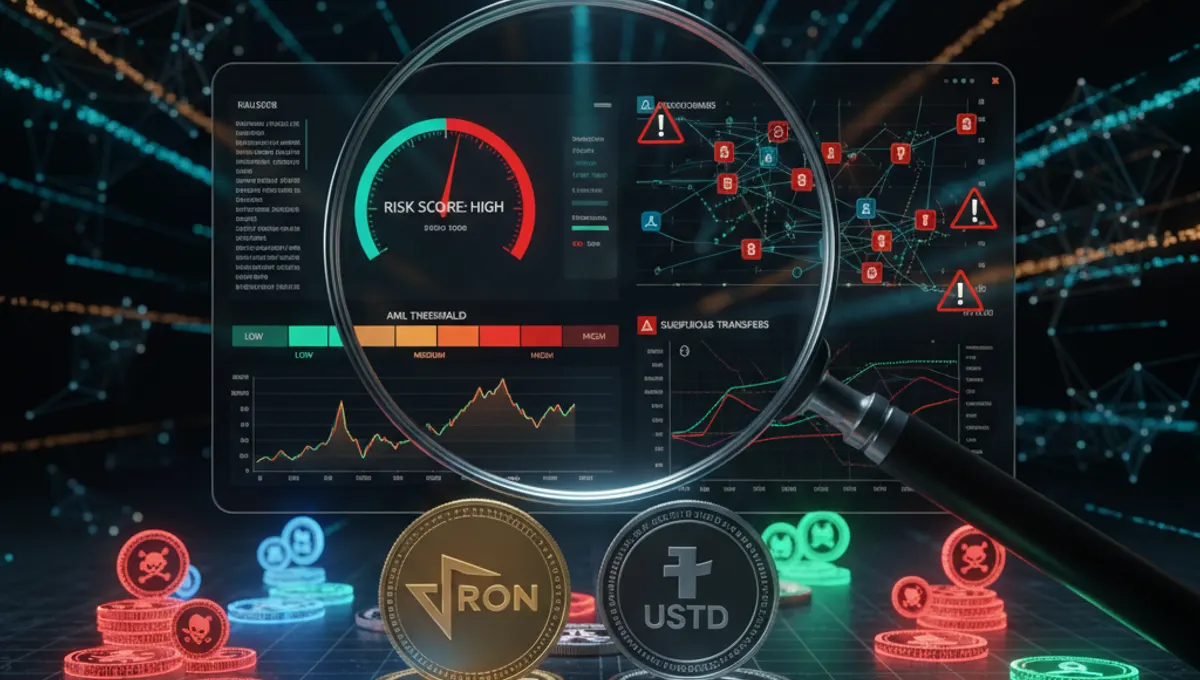
Before accepting USDT, Tron tokens, or Bitcoin, follow these steps to screen the sending address: First, obtain the sender's wallet address in full. Second, visit a trusted AML screening service—our curated list of verified AML services on this site includes platforms that offer blockchain transaction monitoring and risk scoring. Third, enter the address and select the blockchain (Tron for TRC20 USDT, Bitcoin for BTC, etc.). Fourth, review the risk score output: most services use a scale from low (green) to high (red). Fifth, examine the detailed report showing which risk categories triggered alerts. Sixth, check the transaction history tab to see if coins moved through known mixers or sanctioned addresses. If the risk score is low and no major red flags appear, the transaction is generally safe. If the score is medium or high, investigate further: contact the sender to confirm the source, or decline the transaction. For recurring payments, use blockchain transaction monitoring tools that provide ongoing screening—some services offer continuous KYT monitoring for addresses you designate. This proactive approach prevents receiving tainted coins that could later freeze your exchange account or trigger compliance holds.
What Do KYT Risk Score Levels Mean and What Thresholds Are Acceptable?
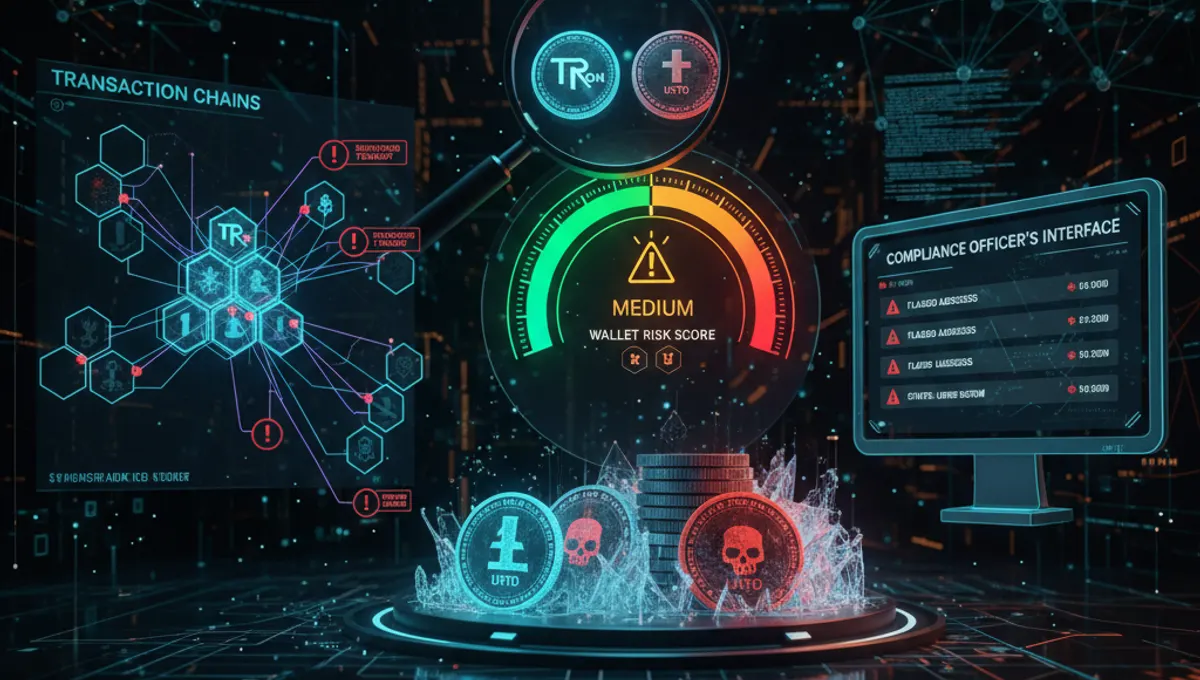
KYT risk scores typically range from 0 to 100 or use categorical labels (low, medium, high, critical). Understanding these thresholds helps you make informed decisions. A score of 0–20 (low risk) indicates minimal or no connection to known illicit activity—generally safe for institutional and retail use. A score of 21–50 (medium risk) suggests some exposure to risky addresses or behaviors but not necessarily illegal; this might include coins that passed through a high-volume exchange or touched a mixer briefly. A score of 51–80 (high risk) indicates substantial connections to known risk categories and warrants caution; many exchanges reject deposits in this range. A score of 81–100 (critical risk) means direct or strong links to sanctions, darknet markets, or theft—most regulated exchanges will freeze these funds immediately. Acceptable thresholds depend on your compliance requirements: retail users can often tolerate low to medium risk; institutional buyers and exchanges typically accept only low risk; regulated custodians may reject anything above low. When checking a Tron address or Bitcoin wallet, compare the score against your organization's policy. If your threshold is low-risk-only and the score is medium, decline the transaction. This discipline prevents downstream compliance violations and frozen USDT or account bans.
What Happens If You Receive Flagged or Tainted Crypto?
If you receive cryptocurrency flagged as tainted or high-risk by KYT blockchain screening, several outcomes are possible. If you deposit it into a regulated exchange, the exchange's own AML screening will detect the risk flag, and the deposit may be frozen pending review. The exchange may require you to provide proof of the legitimate source of the funds—documentation from the sender, transaction records, or business justification. If the coins are linked to sanctions or theft, the exchange will likely reject the deposit and may report the transaction to compliance authorities. Your account may be temporarily or permanently restricted. If you hold the coins in a self-custodied wallet, they remain usable on-chain, but attempting to convert them to fiat or move them through regulated platforms will trigger the same screening. The coins themselves do not become unusable, but their compliance risk makes them difficult to liquidate. To recover from this situation, you can attempt to trace the source and provide documentation that you received them in good faith, or you can hold them until their risk profile improves (though this is not guaranteed). The best approach is prevention: always screen incoming addresses using KYT blockchain tools before accepting funds. Our AML services list includes platforms offering this screening, making it easy to verify transactions upfront.
Comparing KYT Blockchain Monitoring Services and Tools
Several categories of KYT blockchain monitoring tools exist, each with different features and pricing. Free blockchain transaction tracker tools offer basic address screening and risk scoring but typically lack detailed historical analysis and ongoing monitoring. These are suitable for one-time checks of incoming payments. Paid AML screening platforms provide comprehensive KYT monitoring, including transaction history, risk category breakdowns, sanctions list cross-referencing, and API integration for automated screening. These are essential for exchanges, custodians, and businesses handling frequent crypto payments. Enterprise solutions offer white-label KYT blockchain monitoring, custom risk thresholds, and dedicated compliance support. When selecting a service, consider: coverage (does it support Tron TRC20, Bitcoin, Ethereum, and other blockchains you use?), update frequency (how often are risk databases refreshed?), reporting detail (does it show which specific addresses triggered alerts?), and integration (can it connect to your wallet or exchange infrastructure?). Our curated list of verified AML services on this site includes vetted platforms offering blockchain transaction monitoring—these are trusted starting points for reliable KYT screening without the uncertainty of unproven tools. Compare their features against your compliance needs before committing.
Frequently asked questions
What does KYT mean in crypto?
KYT stands for Know Your Transaction. It is a compliance process that monitors cryptocurrency transaction history to detect tainted funds, sanctions exposure, and illicit activity. Unlike KYC (Know Your Customer), which verifies user identity, KYT focuses on the movement and provenance of the coins themselves across the blockchain.
How do I check if a crypto address is safe using KYT blockchain screening?
Use a trusted AML screening service to enter the wallet address and blockchain type (Bitcoin, Tron, Ethereum, etc.). The service will return a risk score and detailed report showing connections to mixers, darknet markets, sanctions, or theft. A low risk score (0–20) indicates the address is generally safe; medium to high scores warrant further investigation or rejection.
Can I use a free blockchain transaction tracker to monitor KYT risk?
Yes, free blockchain transaction tracker tools exist and offer basic address screening and risk scoring. However, they typically lack detailed historical analysis, ongoing monitoring, and comprehensive sanctions list integration. For regular or institutional use, paid AML platforms provide more reliable and detailed KYT blockchain monitoring.
What happens if I receive USDT or Tron tokens flagged as high-risk by KYT screening?
If you deposit flagged coins into a regulated exchange, the exchange's AML screening will detect the risk and may freeze the deposit pending review or reject it entirely. You may be asked to prove the legitimate source. If the coins are linked to sanctions or theft, your account may be restricted. Always screen incoming addresses before accepting funds.
Is KYT blockchain monitoring the same as transaction monitoring?
KYT is a specific type of blockchain transaction monitoring focused on detecting risk and compliance violations. Transaction monitoring is the broader practice of tracking all cryptocurrency movements. KYT adds risk assessment and flagging to standard transaction tracking, making it essential for regulatory compliance and preventing frozen accounts.