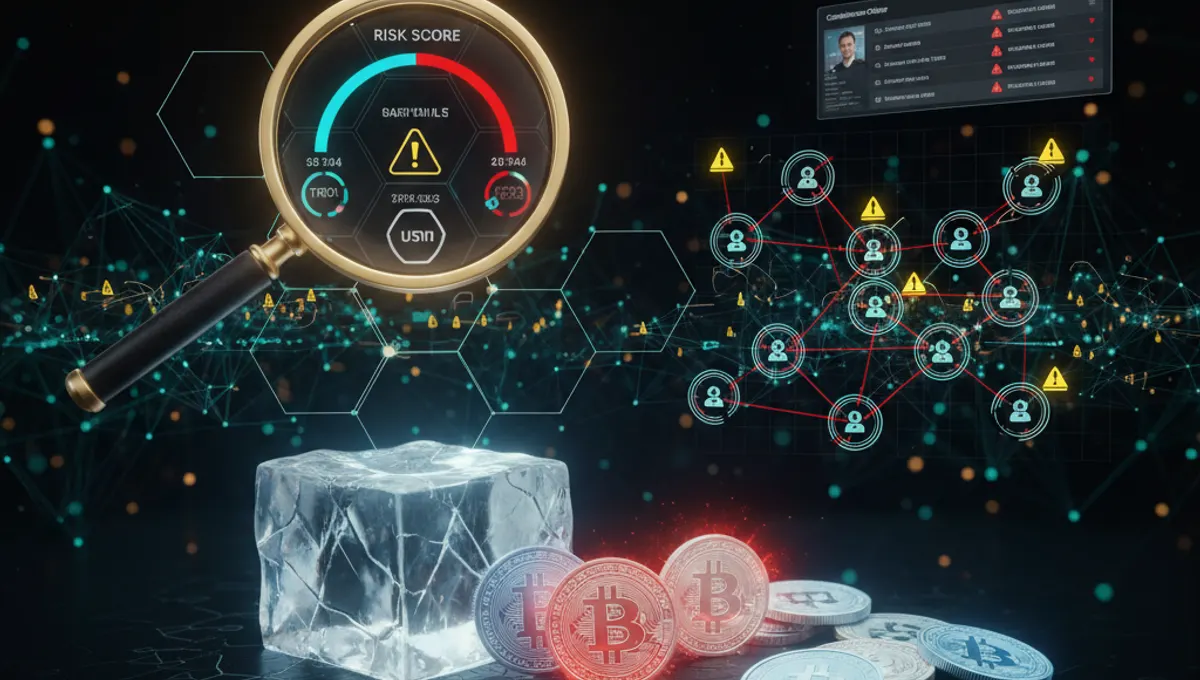
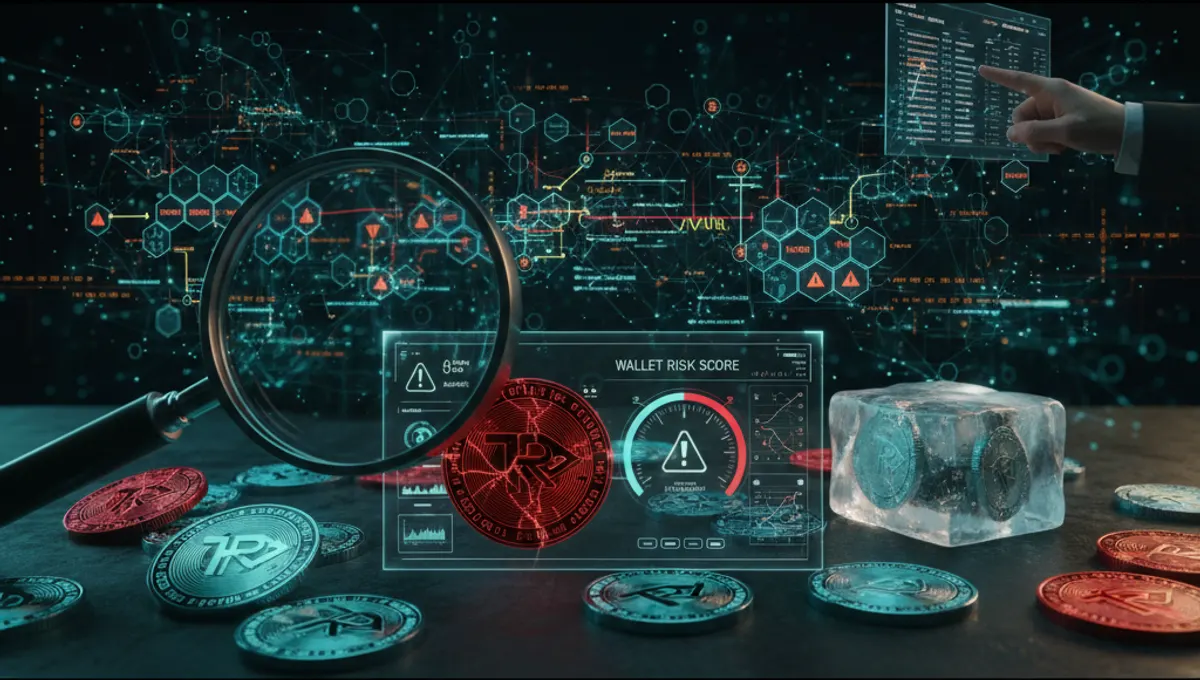
What Is a Blockchain Transaction Tracker and Why Use One
A blockchain transaction tracker records every movement of cryptocurrency on the distributed ledger. Unlike traditional bank statements, blockchain transactions are permanent and visible to anyone with the address. Free trackers let you search a wallet address and see its full history: incoming and outgoing transfers, amounts, timestamps, and sometimes the counterparty address. You use one to verify a payment before accepting it, check if a wallet has received stolen funds, or monitor your own holdings for security. Blockchain transaction monitoring is essential for anyone receiving crypto payments, as it reveals whether funds are clean or carry compliance risk. Many trackers also calculate a risk score based on transaction patterns, wallet age, and connections to known problematic sources like mixers or darknet markets.
How Blockchain Transaction Monitoring Detects Risk
Blockchain transaction monitoring works by analyzing on-chain behavior and comparing wallet activity against known risk indicators. The system flags transactions linked to mixers (services that obscure fund origins), darknet marketplaces, scams, stolen funds, and sanctioned entities. A risk score is generated based on several factors: whether the wallet has received funds from high-risk sources, the age and activity level of the wallet, transaction frequency, and connections to known compromised addresses. KYT (Know Your Transaction) platforms use this data to assign risk levels—typically low, medium, or high. Free trackers often show basic transaction history but may limit detailed risk scoring to paid plans. The monitoring process is automated and runs continuously, so new transactions are flagged as they occur. This is why checking a wallet before receiving USDT or TRX is critical: a single incoming transfer from a tainted source can mark your entire address as risky.
How to Check a Wallet Before Receiving Crypto Payments
Before accepting a cryptocurrency payment, follow these steps to verify the sender's wallet is clean:
1. Obtain the sender's wallet address (Bitcoin, Tron, Ethereum, or other blockchain).
2. Visit a free blockchain transaction tracker or AML screening service.
3. Enter the address and search.
4. Review the transaction history: look for the source of incoming funds and any red flags.
5. Check the risk score if available—aim for low or acceptable risk levels.
6. Look for connections to known risk categories: mixers, darknet markets, scams, or sanctions lists.
7. If the risk score is high or sources are unclear, ask the sender for clarification or decline the payment.
For USDT on Tron (TRC20) and Bitcoin addresses, this check takes seconds and can prevent you from receiving frozen or sanctioned funds. Many exchanges will freeze accounts that receive tainted coins, so verification upfront is far cheaper than dealing with a frozen account later. Our curated list of verified AML services on this site includes tools that offer free wallet checks with clear risk scoring—starting there gives you access to trusted, regularly updated screening.
Understanding Crypto Transaction Fees and Monitoring Costs
Crypto transaction fees are charges paid to miners or validators to process a blockchain transaction. These fees vary by network congestion and transaction size, but they are separate from AML screening costs. Free blockchain transaction trackers do not charge to view basic transaction history or search a wallet address. However, advanced features—such as detailed risk scoring, real-time alerts, API access, or bulk wallet screening—are often available only on paid plans. Some services offer a limited number of free checks per month before requiring a subscription. When choosing a tracker, consider what you actually need: if you only check a wallet occasionally, a free tier may suffice. If you receive crypto regularly or manage multiple wallets, a paid plan with continuous monitoring and detailed KYT data is more practical. The cost of a paid AML service is typically far lower than the cost of receiving tainted funds or dealing with a frozen exchange account.
What Crypto Transaction Meaning and Monitoring Tell You About Risk
A crypto transaction is a record of value transfer on a blockchain, identified by a transaction ID (hash) and timestamp. Each transaction shows the sender address, receiver address, amount, and fee. Monitoring these transactions reveals patterns that indicate risk: a wallet that frequently receives small amounts from many different sources may be a mixer or tumbler; a wallet that suddenly receives a large transfer from a sanctioned entity is flagged; a wallet linked to a known darknet marketplace is high-risk. Transaction meaning extends beyond the numbers—it includes the source and destination context. For example, a transfer from a legitimate exchange to a personal wallet is low-risk, while a transfer from an address associated with a scam or stolen funds is high-risk. Blockchain transaction monitoring automates this analysis, assigning risk scores based on these patterns. Understanding what a transaction means in terms of compliance helps you make informed decisions about whether to accept or reject a payment.
Acceptable Risk Score Thresholds and What to Do If Coins Are Flagged
Risk scores typically range from 0 (clean) to 100 (high-risk), though some services use categories like low, medium, and high. Most compliance professionals consider scores below 30 acceptable for routine transactions; scores between 30 and 70 warrant investigation; scores above 70 should be rejected unless there is a clear explanation. If a wallet receives coins flagged as tainted or dirty, several outcomes are possible: the exchange may freeze the account pending investigation, the funds may be held in escrow, or the account may be permanently restricted. To avoid this, establish a personal threshold—many businesses reject any payment from a wallet scoring above 50. If you do receive flagged coins, contact the exchange immediately to explain the source and provide documentation if possible. Some exchanges will unfreeze accounts if you can prove the funds are legitimate or were received in error. Prevention is always better: check wallets before accepting payments, and use the verified AML services listed on our site to screen addresses with trusted, up-to-date risk data.
Free Blockchain Transaction Tracker Tools and Their Limits
Several free blockchain transaction trackers exist, each with different capabilities. Basic block explorers (like those for Bitcoin or Tron) show transaction history and wallet balances but no risk scoring. Free AML screening services offer limited checks per month—typically 5 to 10—before requiring a paid subscription. Some provide basic risk scoring but no detailed sanctions screening or darknet detection. Paid services offer unlimited checks, real-time monitoring, API access, and detailed KYT data including mixer detection, sanctions list matching, and stolen fund identification. The trade-off is clear: free tools are suitable for occasional checks, while regular users need paid plans for comprehensive monitoring. Our site curates verified AML services that offer transparent pricing and reliable screening—checking our list is the best starting point to find a tool that matches your needs and budget. Whether you choose free or paid, the key is to check before accepting any significant payment, especially for USDT, TRX, or Bitcoin transfers.
Frequently asked questions
Can I use a free blockchain transaction tracker to check if a wallet has received stolen funds
Yes, free trackers show transaction history, but detailed stolen fund detection usually requires paid AML services. Free tools may flag obvious red flags like mixer connections, but comprehensive screening for stolen coins, sanctions lists, and darknet exposure is typically available only on paid plans. For reliable detection, use verified AML services from our curated list.
What does a high risk score mean for a crypto wallet
A high risk score (typically above 70) indicates the wallet has received funds from problematic sources: mixers, darknet markets, scams, stolen funds, or sanctioned entities. Receiving from a high-risk wallet can trigger exchange account freezes or compliance holds. Always reject payments from wallets scoring above your personal threshold, usually 50 or higher.
How do I check a USDT TRC20 address before accepting a payment
Enter the Tron address into a free blockchain tracker or AML screening service. Review the transaction history and risk score. Look for incoming funds from known risk sources. If the score is low and sources are legitimate, the payment is safe to accept. Use our verified AML services list for trusted screening tools.
What is the difference between a blockchain transaction tracker and an AML checker
A blockchain transaction tracker shows transaction history and wallet activity. An AML checker adds risk scoring, sanctions screening, and detection of tainted funds. Trackers are free and basic; AML checkers are more comprehensive but often require payment for full features. Both are essential for verifying wallet safety.
Can I monitor my own wallet with a free blockchain transaction tracker
Yes, you can search your own wallet address to see all transactions and balances. However, free trackers do not provide alerts for incoming funds or continuous monitoring. For real-time alerts and detailed risk analysis of your own wallet, paid AML services with monitoring features are more practical.