What Is a Crypto Transaction and How Do Fees Work
A crypto transaction is a record of value transfer on a blockchain—moving coins from one wallet address to another. When you initiate a transaction, the network charges a fee to compensate miners or validators for processing and securing that transfer. On Bitcoin, fees are measured in satoshis per byte (sat/B); on Ethereum and Tron, they're measured in gas units. The total fee depends on network demand, transaction complexity, and the priority you choose. During high congestion, fees spike because more users compete for block space. Lower fees mean slower confirmation; higher fees mean faster processing. This fee structure is transparent and recorded on the blockchain, making it a key data point for crypto transaction monitoring and AML screening. Compliance teams analyze fee patterns to detect anomalies—for example, repeatedly paying unusually high fees to rush transfers can indicate attempts to move stolen or sanctioned funds quickly.
Crypto Transaction Monitoring and AML Compliance
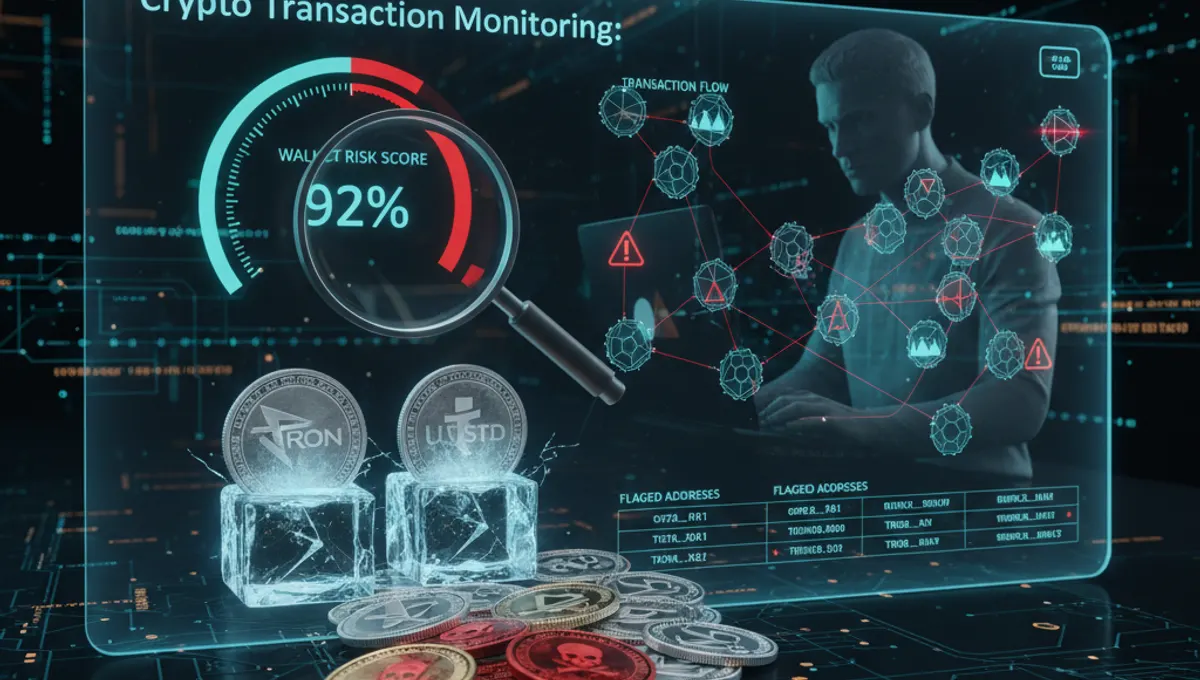
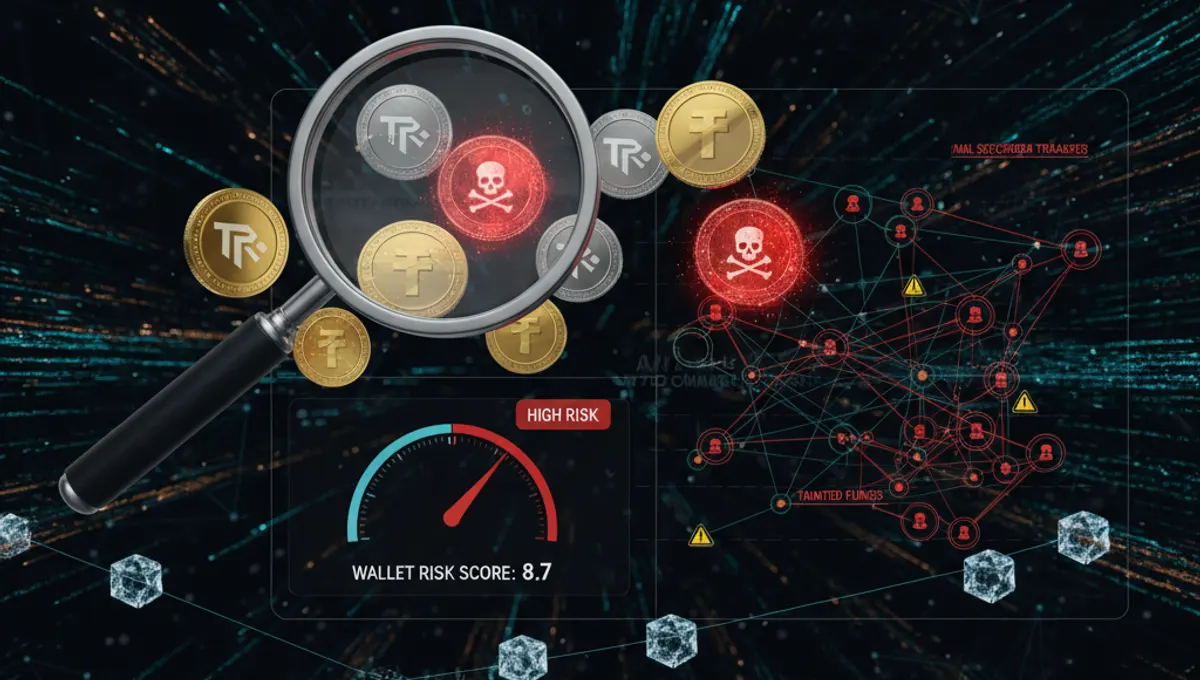
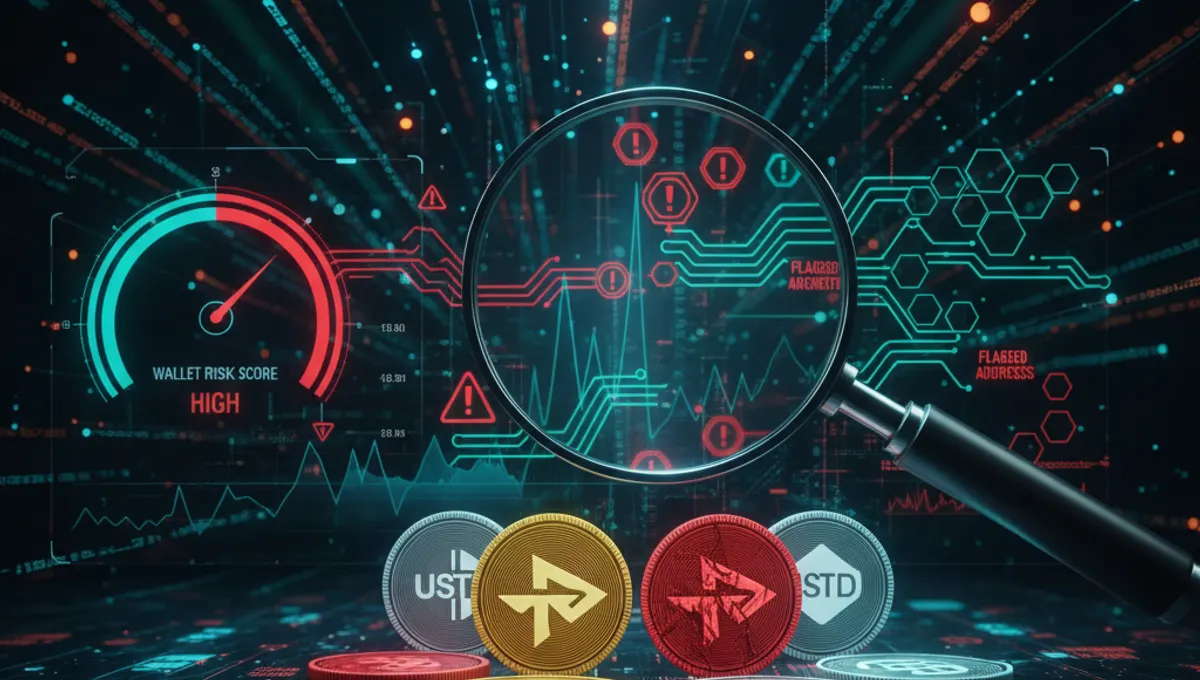
Crypto transaction monitoring is the practice of tracking wallet activity to identify suspicious patterns and flag high-risk behavior. AML (Anti-Money Laundering) systems monitor transaction fees, frequency, amounts, and destinations to score the risk level of a wallet. Transaction fees are one signal among many: consistent overpayment of fees, rapid-fire transactions with high fees, or transfers to known mixer or darknet addresses raise red flags. Compliance rules require exchanges and custodians to screen incoming deposits and flag wallets with elevated risk scores. When you receive USDT on Tron or Bitcoin at an exchange, the platform runs your wallet address through AML screening to check for exposure to stolen funds, sanctions lists, or darknet markets. If your transaction history shows suspicious fee patterns or links to high-risk activity, your deposit may be delayed or frozen. Understanding how transaction monitoring works helps you recognize why your coins might be flagged and what steps to take to verify they are clean before sending them to an exchange.
How to Check a Wallet Before Receiving Crypto Transfers
Before you accept a transfer of USDT, TRX, or Bitcoin, verify the sender's wallet address to ensure the coins are not tainted or flagged by AML systems. Follow these steps: (1) Obtain the sender's wallet address and ask for a crypto transaction ID (the unique identifier for that transfer on the blockchain). (2) Use a blockchain explorer to view the transaction details—confirm the amount, timestamp, and destination address match what the sender told you. (3) Run the sender's wallet address through an AML screening service to check for risk flags, stolen funds, or sanctions exposure. Services listed on our AML Services page provide wallet risk scoring and can detect if coins have passed through mixers, darknet markets, or sanctioned entities. (4) Review the risk score: scores below 25 are typically acceptable; 25–75 warrant caution; above 75 indicate high risk and potential rejection by exchanges. (5) If the risk score is elevated, ask the sender for transaction history or documentation proving the coins' origin. This due diligence protects you from receiving dirty crypto that exchanges will freeze or reject.
Crypto Transaction ID Tracking and Risk Assessment
A crypto transaction ID (also called a transaction hash or txid) is a unique alphanumeric string that identifies a specific transfer on the blockchain. You can use the transaction ID to trace the full history of a coin—where it came from, which wallets it passed through, and whether it has been flagged by AML systems. To track a transaction: (1) Copy the transaction ID from your wallet or the sender's confirmation. (2) Paste it into a blockchain explorer (e.g., Tronscan for Tron, Blockchain.com for Bitcoin) to view the transaction details. (3) Check the sender and receiver addresses, amount, timestamp, and fee paid. (4) Examine the transaction history of both addresses to identify patterns—frequent high-fee transfers, rapid movements, or links to known risk entities. (5) Use an AML service to score the transaction path and flag any exposure to mixers, darknet markets, or stolen funds. This tracking is essential for crypto transaction monitoring jobs and compliance roles, where analysts must document the origin and movement of funds to satisfy regulatory requirements and prevent money laundering.
Crypto Transaction Monitoring Rules and Compliance Standards
Crypto transaction monitoring rules are set by regulators and enforced by exchanges, custodians, and AML service providers. Key rules include: (1) Know Your Customer (KYC): verify the identity of users depositing or withdrawing funds. (2) Know Your Transaction (KYT): screen each transaction for links to high-risk activity, stolen funds, sanctions lists, and darknet markets. (3) Transaction reporting: flag and report suspicious transactions to financial intelligence units if they meet thresholds (e.g., large amounts, rapid sequences, or high-risk destinations). (4) Frozen USDT and account bans: if a wallet is flagged as high-risk or linked to theft or sanctions, exchanges may freeze the funds and ban the account. (5) Risk scoring: assign a numerical risk score (typically 0–100) based on transaction history, and reject or delay deposits above a threshold. These rules vary by jurisdiction but are increasingly harmonized through FATF (Financial Action Task Force) guidance. Understanding these standards helps you recognize why your transaction might be delayed or rejected and what documentation you need to prove the coins are legitimate.
Why Transaction Fees Matter for Detecting Tainted Coins
Transaction fees are a behavioral signal in AML screening. Legitimate users typically pay market-rate fees based on network congestion; suspicious actors often exhibit fee anomalies. For example, someone moving stolen funds might pay extremely high fees to rush the transfer through multiple wallets quickly, hoping to obscure the trail before the theft is reported. Conversely, someone using a mixer to launder coins might pay high fees repeatedly to break the transaction chain and hide the original source. AML systems flag these patterns as high-risk. When you receive coins, the transaction fee history of the sender's wallet is part of the risk assessment. If the sender has a pattern of overpaying fees or rapid transfers, their wallet may score higher on the risk scale, and your deposit could be delayed or rejected by the exchange. This is why checking a wallet before receiving USDT or TRX is critical—you can see the fee patterns and transaction history that AML systems will analyze. Our AML Services page lists verified screening tools that incorporate fee analysis and transaction history into their risk scoring.
What to Do If Your Coins Are Flagged as High-Risk
If you receive a notification that your USDT, TRX, or Bitcoin deposit is flagged or frozen, take these steps: (1) Do not panic—a flag does not mean the coins are stolen; it means the wallet or transaction history triggered an AML rule. (2) Contact the exchange or custodian and ask for the specific reason for the flag (e.g., high-risk transaction history, link to a mixer, or sanctions exposure). (3) Gather documentation proving the coins' origin—receipts, invoices, or correspondence with the sender showing a legitimate business or personal transaction. (4) If you sent the coins yourself, provide your own transaction history and KYC documentation to prove you are the legitimate owner. (5) Request a manual review of your wallet using an AML service to obtain a detailed risk report and identify which specific factors triggered the flag. (6) Submit your documentation and risk report to the exchange for reconsideration. Most exchanges will unfreeze funds if you can demonstrate a legitimate source. If the flag persists, consider moving the coins to a different exchange or custodian that may have different risk thresholds. Checking your wallet through our AML Services page before depositing can help you identify and resolve flags proactively.
Frequently asked questions
Why do crypto transaction fees vary so much
Fees vary based on network congestion, transaction size, and priority. Bitcoin and Ethereum fees spike during high demand because users compete for limited block space. You can choose to pay a higher fee for faster confirmation or a lower fee and wait longer. Tron typically has lower fees than Bitcoin or Ethereum. Fee volatility is normal and reflects real-time supply and demand on the blockchain.
Can I see a crypto transaction ID on my wallet
Yes. After you send or receive a transaction, your wallet will display the transaction ID (hash) in your transaction history. Copy the ID and paste it into a blockchain explorer to view full details—sender, receiver, amount, timestamp, and fee. The transaction ID is permanent and publicly visible on the blockchain, making it a key tool for tracking coins and verifying their origin before accepting a deposit.
What crypto transaction monitoring jobs involve
Crypto transaction monitoring jobs involve analyzing blockchain activity to detect suspicious patterns, flag high-risk wallets, and ensure compliance with AML rules. Analysts review transaction histories, fee patterns, and wallet links to mixers or darknet markets. They document findings, generate risk reports, and escalate cases for investigation or reporting to regulators. These roles are common at exchanges, compliance firms, and blockchain analytics companies.
How do I know if my transaction fees are too high
Check the current network fee rate using a blockchain explorer or fee estimator. If you paid significantly more than the market rate for your transaction size and priority, your fee was high. Overpaying fees occasionally is not suspicious, but a pattern of consistently high fees can signal high-risk behavior to AML systems. Compare your fee to the median fee on the network at the time you transacted.
What happens if I receive tainted crypto at an exchange
If you deposit tainted crypto (stolen funds, sanctions exposure, or darknet-linked coins) at an exchange, the AML screening system will flag it. The exchange may freeze your account, delay the deposit, or reject it entirely. You will be asked to provide proof of the coins' legitimate origin. If you cannot prove legitimacy, the funds may remain frozen or be returned to the sender. This is why checking a wallet through our AML Services page before accepting a transfer is essential.