What Are Crypto Transaction Monitoring Tools?
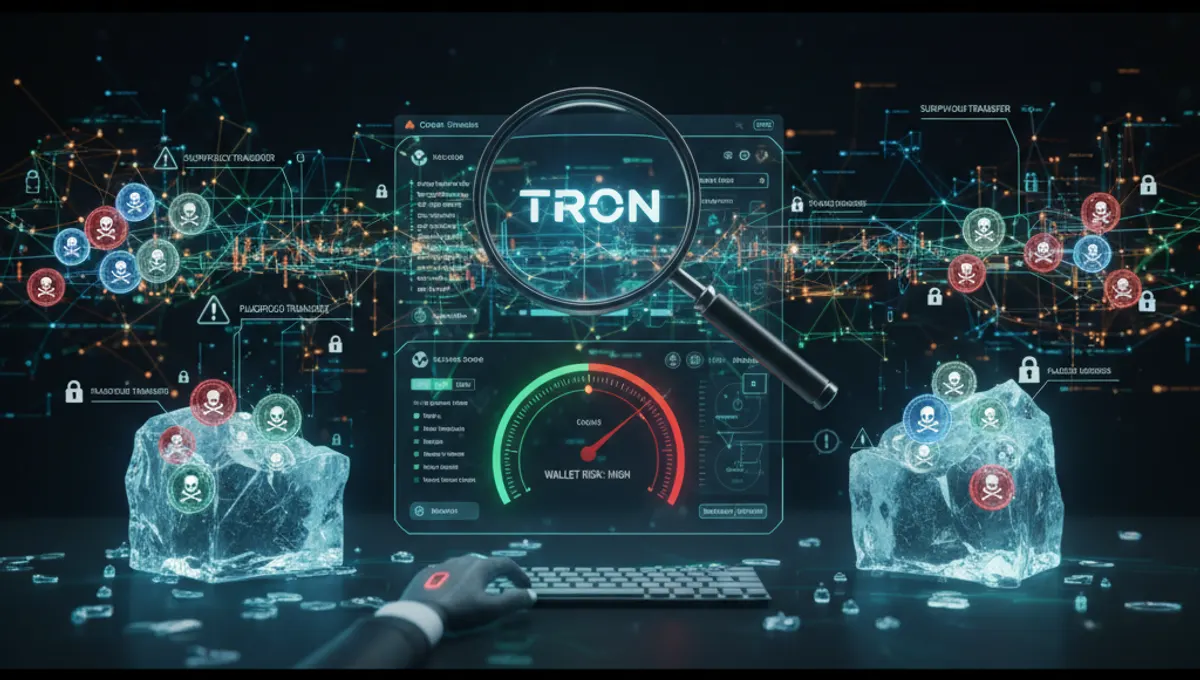
Crypto transaction monitoring tools are software platforms that analyze blockchain transactions and wallet histories to detect compliance risks. They work by scanning the public ledger, cross-referencing addresses against sanctions lists, and identifying behavioral patterns linked to illicit activity. These tools assign a risk score to each wallet based on factors like transaction volume, frequency, destination addresses, and historical associations. A transaction monitoring system typically covers multiple blockchains—Bitcoin, Ethereum, Tron, and stablecoins like USDT TRC20. The tools flag red flags such as mixer usage, darknet marketplace connections, gambling platforms, and stolen fund transfers. Real-time monitoring means alerts trigger as soon as a flagged transaction occurs, allowing compliance officers to act before funds settle.
How Do Crypto Transaction Monitoring Rules Work?
Crypto transaction monitoring rules are automated filters that classify transactions based on predefined criteria. These rules check whether a wallet has ever interacted with known high-risk entities, such as sanctioned addresses, theft victims, or darknet markets. The monitoring system applies rules in layers: first, it checks the sending address against global sanctions lists; second, it traces the transaction path to identify mixing or tumbling activity; third, it scores the destination address for previous risky behavior. Rules also examine transaction fees and timing patterns—unusually large transfers or rapid-fire transactions may trigger alerts. Compliance teams can customize rules based on their risk tolerance and regulatory requirements. For example, a stricter rule set might flag any wallet that has ever touched a mixer, while a moderate set might only alert on recent mixer activity. The system continuously updates its rule set as new threats emerge and regulatory guidance changes.
What Do Crypto Transaction Monitoring Risk Scores Mean?
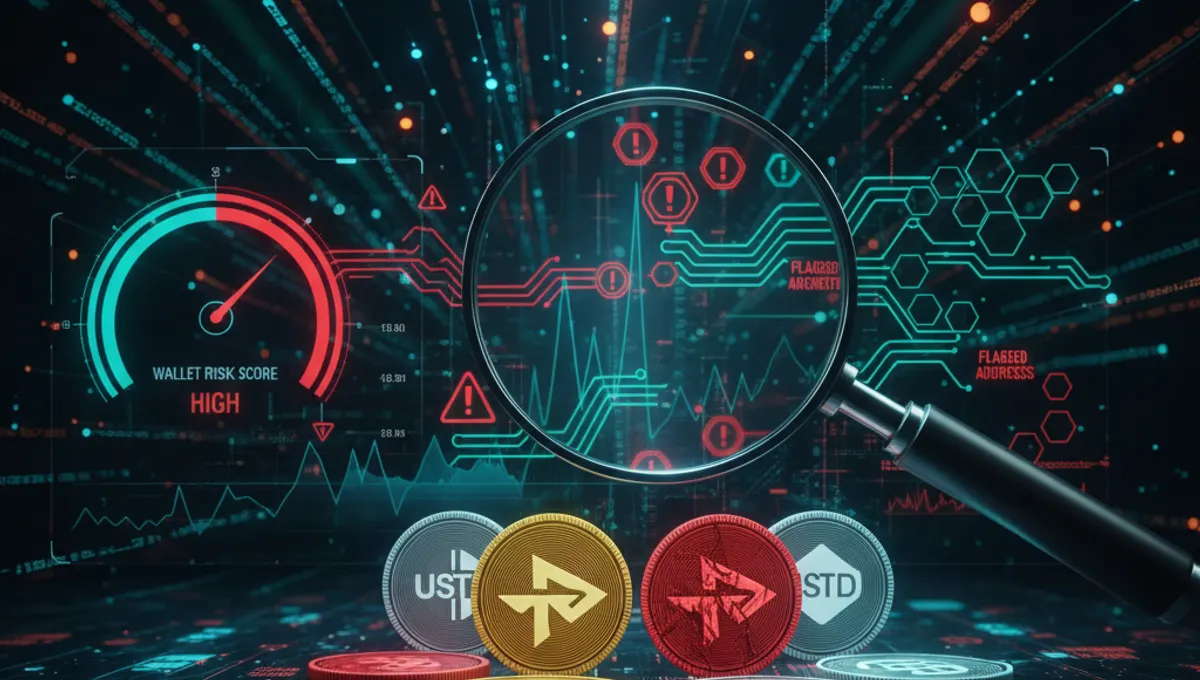
A risk score is a numerical rating that summarizes the compliance danger of a wallet or transaction. Scores typically range from 0 (very low risk) to 100 (very high risk), though some tools use percentages or color-coded bands. A low risk score (0–20) indicates a wallet with clean history, no sanctions exposure, and no known illicit connections. A medium risk score (21–60) suggests the wallet has interacted with higher-risk entities or platforms but may have legitimate explanations. A high risk score (61–100) signals direct or recent exposure to stolen funds, darknet markets, sanctions lists, or active mixers. The score reflects both the wallet's direct activity and its transaction history—if you receive funds from a flagged wallet, your risk score may increase. Understanding what your risk score means is critical: a score above 70 typically triggers exchange freezes or regulatory review, while scores below 30 are generally acceptable for most compliance purposes.
How to Check a Wallet Before Receiving USDT or Tron Transactions
Before accepting a crypto payment, follow these steps to screen the sending wallet: First, obtain the sender's wallet address (Bitcoin, Ethereum, Tron, or other blockchain). Second, enter the address into a transaction monitoring tool—our curated list of verified AML services on this site provides trusted options for wallet screening. Third, review the risk score and detailed report, which will show transaction history, known associations, and any sanctions flags. Fourth, check the specific findings: look for mixer usage, darknet connections, stolen fund markers, or sanctioned entity links. Fifth, decide whether to accept the transaction based on your risk tolerance and regulatory requirements. If the risk score is above your threshold (typically 60+), request an alternative payment method or decline the transaction. Document your screening decision for compliance records. For USDT TRC20 specifically, verify that the transaction originates from a legitimate exchange or known entity, not a newly created wallet with no history. This screening takes minutes and prevents receiving frozen or tainted funds that exchanges may later block.
What Happens When Crypto Transactions Are Flagged as Tainted?
When a transaction is flagged as tainted—meaning it involves stolen funds, sanctions exposure, or darknet connections—several consequences follow. First, the receiving wallet may be added to internal watchlists by exchanges and compliance platforms. Second, if you deposit flagged funds into a regulated exchange, the exchange's monitoring system will detect the taint and may freeze your account pending investigation. Third, you may be required to provide proof of legitimate receipt (such as a sales invoice or employment contract) to unlock the funds. Fourth, in severe cases involving sanctions or theft, the funds may be permanently frozen or seized by authorities. The taint can persist for months or years in blockchain analytics databases, affecting your ability to trade or withdraw. To avoid this situation, always screen incoming wallets before accepting payment. If you inadvertently receive tainted funds, contact the exchange immediately and explain the source. Exchanges are more likely to release funds if you cooperate early and provide documentation. Never attempt to launder tainted crypto through mixers—this compounds the legal risk and is itself a compliance violation.
Comparing Crypto Transaction Monitoring Tools and Services
Transaction monitoring tools vary in coverage, speed, and user interface. Some platforms focus on specific blockchains (Bitcoin only, or Tron-specific), while others cover multiple chains. Speed matters: real-time monitoring tools alert you within seconds of a transaction, while batch-processing tools may have delays of hours or days. User experience differs too—some tools require technical knowledge to interpret blockchain data, while others provide simple risk scores and plain-language reports. Pricing models range from free basic checks to enterprise subscriptions with API access and custom rules. Free tools typically offer limited daily queries and basic risk scoring. Paid tools provide unlimited checks, detailed transaction history, sanctions list integration, and ongoing monitoring. For businesses handling frequent crypto payments, a paid subscription is usually necessary. For individuals checking occasional wallets, free tools may suffice. Our AML Services page curates verified transaction monitoring platforms that meet compliance standards—starting your wallet screening there ensures you're using trusted, regularly updated tools rather than experimental or outdated services.
What Crypto Transaction Fees and Monitoring Costs Should You Expect?
Crypto transaction fees and AML monitoring costs are separate expenses. Transaction fees are paid to miners or validators to process a blockchain transaction—these vary by network congestion and blockchain. Monitoring costs are fees charged by AML screening tools to check wallet risk. Free AML tools typically charge nothing but limit queries to 5–10 per day and provide basic risk scores. Paid AML tools charge per check (usually $1–$5 per wallet) or offer monthly subscriptions ($50–$500+) for unlimited checks. Enterprise solutions with API integration and custom rules cost $1,000–$10,000+ monthly. For crypto transaction monitoring jobs and compliance roles, employers typically cover tool subscriptions as a business expense. When choosing a tool, factor in both the per-check cost and the value of detailed reporting—a $5 check that prevents a frozen account is far cheaper than losing access to your funds. Compare tools on our AML Services page to find options that fit your budget and compliance needs.
Frequently asked questions
What is the meaning of crypto transaction monitoring?
Crypto transaction monitoring is the process of analyzing blockchain transactions in real time to detect compliance risks such as sanctions exposure, stolen funds, or darknet connections. Monitoring tools assign risk scores to wallets and flag high-risk activity so compliance teams can decide whether to accept or block a transaction.
How do crypto transaction monitoring jobs use these tools?
Compliance analysts and AML officers use transaction monitoring tools daily to screen incoming payments, investigate flagged wallets, and document findings for regulatory reports. These roles require understanding risk scores, sanctions lists, and blockchain analysis to make compliance decisions and prevent money laundering.
What does a high crypto transaction risk score mean for my wallet?
A high risk score (above 60–70) indicates your wallet has direct or recent exposure to stolen funds, darknet markets, mixers, or sanctioned entities. Exchanges may freeze your account if you deposit high-risk funds. Always screen wallets before accepting payment to avoid this outcome.
Can I check a Tron or USDT TRC20 address before receiving funds?
Yes. Enter the Tron or USDT TRC20 address into a transaction monitoring tool to see its risk score, transaction history, and any sanctions flags. Our AML Services page lists verified tools that support Tron and TRC20 screening, helping you verify the sender before accepting payment.
What happens if I receive tainted crypto?
If you receive tainted funds, exchanges may freeze your account during investigation. You may need to provide proof of legitimate receipt. In severe cases involving sanctions or theft, funds can be permanently frozen. Always screen incoming wallets to prevent receiving flagged crypto.