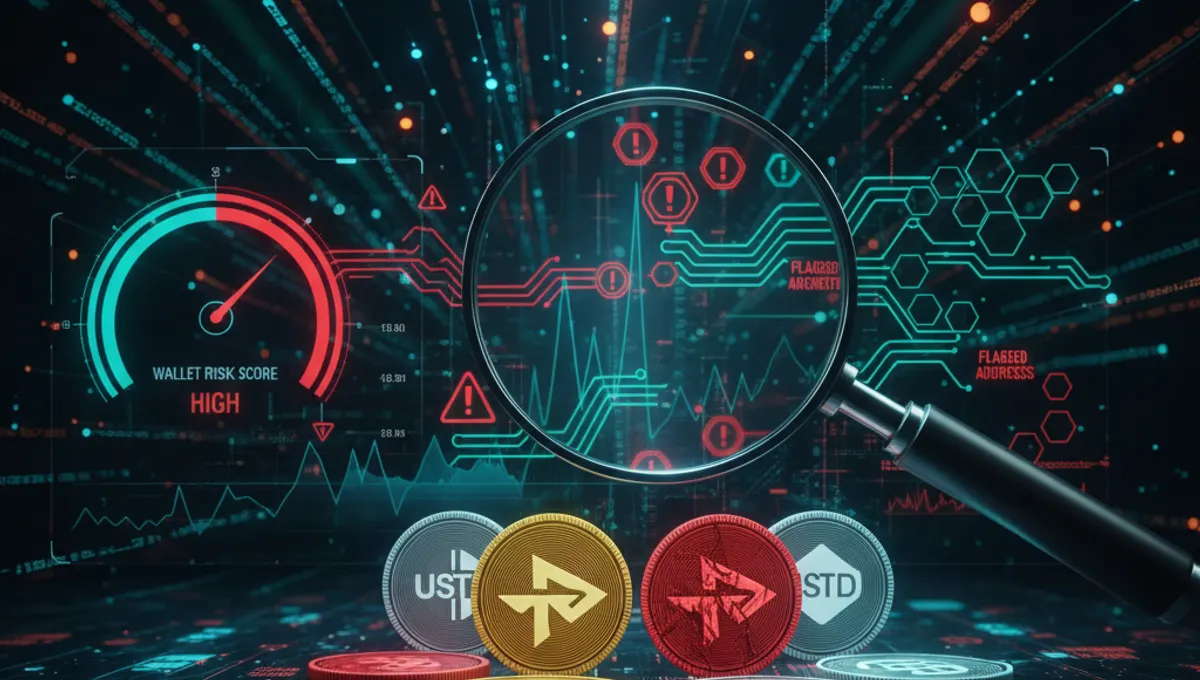
What Is Crypto Transaction Monitoring?
Crypto transaction monitoring tracks the movement of funds across blockchain networks—Bitcoin, Tron, Ethereum, and others—to identify transactions linked to illegal activity, sanctions, or compliance breaches. Unlike a one-time wallet check, monitoring is continuous: it watches addresses in real-time as transactions occur. Compliance teams use monitoring to screen incoming and outgoing transfers, flag addresses connected to mixers or darknet markets, and detect stolen funds before they enter an exchange. The process relies on blockchain analytics engines that compare transaction patterns and wallet histories against sanctions lists, known scam addresses, and theft databases. When a transaction matches a risk indicator, the system generates an alert so compliance staff can investigate and decide whether to block, freeze, or allow the transfer.
Crypto Transaction Monitoring Rules and Regulatory Requirements
Regulatory bodies worldwide require exchanges and custodians to implement transaction monitoring as part of their Anti-Money Laundering (AML) and Know Your Customer (KYC) programs. The Financial Action Task Force (FATF) sets international standards for crypto monitoring, and jurisdictions like the US (FinCEN), EU (5th Anti-Money Laundering Directive), and Singapore (MAS) enforce specific rules. Key requirements include: monitoring all customer transactions above certain thresholds, screening against sanctions lists (OFAC, UN, EU), detecting structuring or layering patterns, and maintaining audit trails for regulatory review. Exchanges must flag transactions involving high-risk jurisdictions, sanctioned entities, and known criminal wallets. Failure to implement adequate monitoring can result in fines, account freezes, or loss of banking relationships. The rules apply to all crypto service providers—exchanges, custodians, wallet providers, and DeFi platforms—regardless of size.
Crypto Transaction Monitoring Tools: What They Do
Monitoring tools are software platforms that automatically screen blockchain transactions against risk databases and compliance rules. These tools ingest transaction data from public blockchains, cross-reference addresses against sanctions lists and known-bad wallets, and calculate risk scores based on transaction history, volume, and behavioral patterns. Common features include real-time alerts, batch screening, historical transaction analysis, and integration with exchange APIs. Tools can detect transactions involving mixers (which obscure fund origins), darknet market addresses, stolen funds, gambling platforms, and sanctioned entities. Some platforms offer customizable risk thresholds so compliance teams can decide which alerts require manual review. The best tools provide clear audit trails and reporting for regulatory exams. When choosing a monitoring solution, verify that it covers the blockchains you use (Bitcoin, Tron, Ethereum, etc.) and integrates with your existing compliance workflow. Our curated list of verified AML services on this site includes tools specifically designed for transaction monitoring across multiple chains.
How Crypto Transaction Monitoring Jobs Support Compliance
Crypto transaction monitoring jobs involve reviewing alerts generated by automated systems, investigating flagged transactions, and making compliance decisions. Analysts examine transaction patterns, trace fund origins, and determine whether a transfer poses genuine risk or is a false positive. Responsibilities include screening customer wallets, documenting findings, escalating high-risk cases to management, and preparing reports for audits and regulatory inquiries. Compliance officers oversee monitoring programs, set risk thresholds, and ensure the organization meets regulatory standards. These roles require knowledge of blockchain technology, AML regulations, sanctions lists, and investigation techniques. Many organizations hire dedicated monitoring teams as their transaction volume grows. The role demands attention to detail, sound judgment, and the ability to explain compliance decisions to regulators and internal stakeholders.
Understanding Crypto Transaction Fees and Monitoring Costs
Crypto transaction fees are the costs charged by blockchain networks to process transfers—separate from monitoring expenses. Bitcoin and Ethereum fees fluctuate based on network congestion; Tron fees are typically lower. Monitoring costs, by contrast, are fees charged by compliance platforms for screening and surveillance services. These may be charged per transaction screened, per address monitored, or as a flat monthly subscription. Exchanges and custodians factor monitoring costs into their operating expenses and sometimes pass them to customers through trading fees or account charges. For individuals checking a single wallet before receiving funds, many AML services offer free or low-cost one-time screening. For businesses running continuous monitoring, costs scale with transaction volume and the number of blockchains covered. When evaluating monitoring solutions, compare pricing against the scope of coverage (which chains, which risk categories) and the quality of alerts to ensure you're not overpaying for false positives.
What Does Crypto Transaction Meaning Tell You About Risk?
The meaning of a crypto transaction—its origin, destination, amount, and timing—reveals whether it poses compliance risk. A transaction from a known exchange to a personal wallet is typically low-risk. A transfer from a mixer to a sanctioned address is high-risk. Transaction meaning is decoded by analyzing the wallet history of both sender and receiver: if either address has been flagged for theft, sanctions, or darknet activity, the transaction inherits that risk. Monitoring systems assign a risk score (often 0–100) based on transaction meaning: low scores indicate legitimate activity, high scores suggest potential violations. For example, a large, sudden transfer to an address with no prior history may trigger a medium-risk alert because the pattern is unusual, even if the address itself is clean. Understanding transaction meaning helps you decide whether to accept or reject incoming funds. Before receiving USDT or TRX, check the sender's address history using a trusted AML service to understand the transaction's meaning and assess whether the funds are clean.
How to Check a Wallet Before Receiving Crypto
Before accepting a transfer, screen the sender's wallet address to verify the funds are not tainted or sanctioned. Steps: (1) Obtain the sender's wallet address in full. (2) Visit a trusted AML screening service from our verified list on this site. (3) Enter the address and select the blockchain (Bitcoin, Tron, Ethereum, etc.). (4) Review the risk score and alert categories—look for flags related to mixers, darknet, theft, or sanctions. (5) If the risk score is low (typically under 30–40, depending on your threshold), the transaction is likely safe. If the score is high or alerts mention sanctions or stolen funds, contact the sender to clarify the source or decline the transfer. For businesses, integrate continuous monitoring so every incoming transaction is screened automatically. Acceptable risk thresholds vary by use case: exchanges typically reject any transaction flagged for sanctions or theft, while some businesses may accept medium-risk transfers if the sender can provide documentation. Always document your screening decision for audit purposes.
Frequently asked questions
What is crypto transaction monitoring and why do exchanges use it?
Crypto transaction monitoring is continuous surveillance of blockchain transfers to detect suspicious activity, tainted funds, and sanctions violations. Exchanges use it to comply with AML regulations, prevent money laundering, and avoid processing stolen or sanctioned assets. Monitoring systems flag high-risk transactions in real-time so compliance teams can investigate and decide whether to block or allow the transfer.
How do crypto transaction monitoring tools detect tainted coins?
Monitoring tools analyze blockchain transaction history and cross-reference wallet addresses against databases of known theft, scams, mixers, and darknet markets. If a coin's transaction chain includes a flagged address, the tool marks it as tainted. The system assigns a risk score based on how many hops away the current transaction is from the original illicit activity and the severity of that activity.
What are typical crypto transaction monitoring rules for compliance?
Rules require screening all transactions above regulatory thresholds, checking against sanctions lists (OFAC, UN, EU), detecting structuring patterns, and maintaining audit trails. Exchanges must flag high-risk jurisdictions and known criminal wallets. Failure to implement monitoring can result in fines and account freezes. Rules apply to all crypto service providers and vary by jurisdiction.
Can I check a wallet for risk before receiving USDT or TRX?
Yes. Use a trusted AML screening service to enter the sender's wallet address, select the blockchain, and review the risk score and alerts. Low scores (typically under 30–40) indicate clean funds. High scores or sanctions flags mean you should decline or verify the source. Always screen before accepting large transfers to avoid receiving stolen or sanctioned crypto.
What do crypto transaction monitoring jobs involve?
Analysts review alerts from automated monitoring systems, investigate flagged transactions, and decide whether they pose genuine compliance risk. Responsibilities include screening wallets, tracing fund origins, documenting findings, and preparing reports for audits. The role requires knowledge of blockchain, AML regulations, and investigation techniques.