What Is a Crypto Bubble and Why It Matters
A crypto bubble occurs when speculative demand drives prices to unsustainable levels, disconnected from real utility or adoption. Historical cycles show rapid growth followed by significant drawdowns. The challenge is distinguishing between healthy market correction and a full bubble collapse. Rather than trying to time the market, focus on protecting your assets. If you're holding cryptocurrency, ensure your wallet is legitimate and your funds haven't been tainted by illicit activity. Using AML crypto screening before receiving large transfers or moving funds between wallets reduces exposure to frozen accounts or compliance issues. Market volatility is normal; receiving stolen or sanctioned funds is a compliance risk you can control.
How to Verify If Your Crypto Wallet Is Legit
A legitimate crypto wallet stores your private keys securely and allows you to send and receive funds without unnecessary restrictions. To determine if a wallet is legit, check whether it's from an established project with public documentation and active development. Verify the wallet's official source—download from the project's main website or official app store, never from third-party links. Test with a small amount first. A safe crypto wallet should have clear privacy policies, transparent fee structures, and no requests for your seed phrase or private keys. Before receiving funds, check the wallet address itself for AML risk using blockchain screening services. This ensures the wallet hasn't been flagged for sanctions exposure or darknet connections, which could lead to frozen funds even if your wallet software is legitimate.
What Is AML Crypto and Why You Need It
AML stands for Anti-Money Laundering. In crypto, AML crypto refers to compliance screening that detects whether funds or addresses are connected to illegal activity, sanctions lists, stolen funds, or darknet markets. When you receive cryptocurrency, that transaction history travels with the coins. If those coins were used in a scam, stolen from an exchange, or mixed through laundering services, they may be flagged as tainted. Exchanges and regulated platforms use AML screening to freeze accounts holding dirty crypto, leaving you unable to withdraw or trade. Understanding what is AML crypto means recognizing that your wallet's risk score depends on its transaction history, not just your intentions. Running an AML check on incoming transfers before accepting them protects you from inheriting compliance problems. KYT (Know Your Transaction) is the real-time version of AML screening, monitoring transactions as they happen.
Understanding Crypto Risk Scores and What They Mean
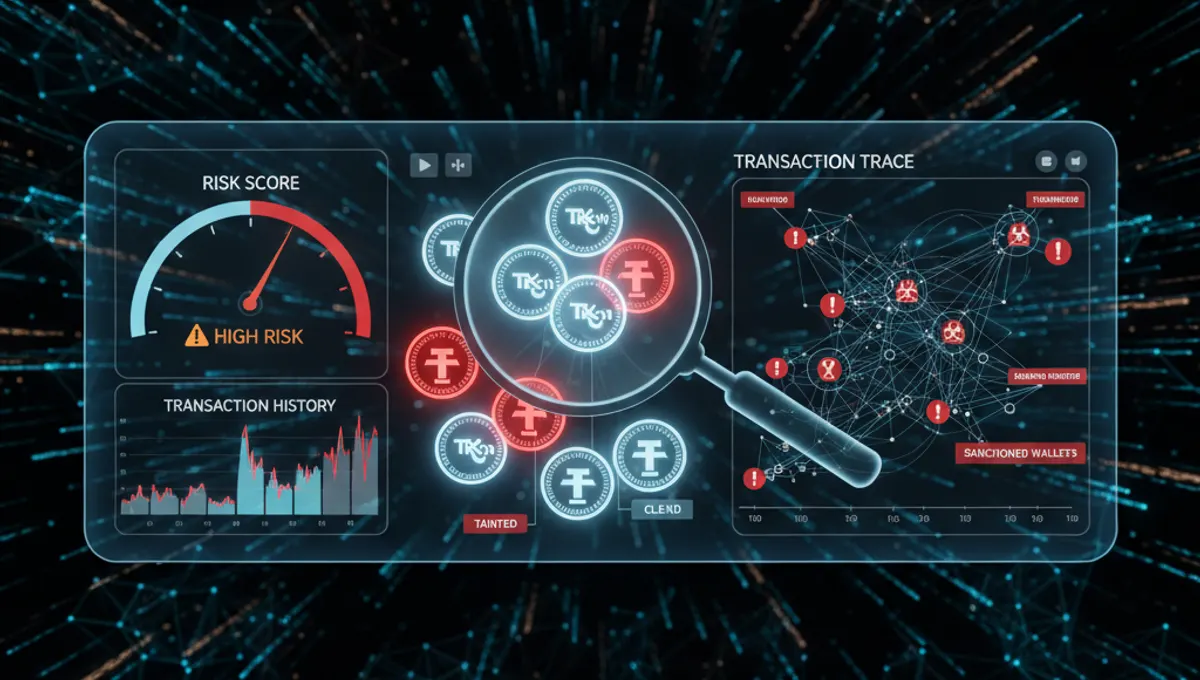
A crypto risk score is a numerical rating assigned to a wallet or transaction based on its history and connections. Scores typically range from low (clean history, no red flags) to high (linked to sanctions, darknet, or stolen funds). Risk factors include: transactions with known mixers, darknet market addresses, sanctioned entities, gambling platforms, and scam-associated wallets. A safe crypto wallet maintains a low risk score. Acceptable thresholds vary by exchange—some freeze accounts with any high-risk history, others allow moderate risk. Before moving significant funds, check your wallet's risk score through AML screening services. If your score is elevated, trace the source: did you receive coins from a mixer, gambling site, or unverified source. Understanding your risk score helps you decide whether to hold, move, or consolidate funds before compliance issues arise. The safest approach is checking wallets through verified AML services listed on this site before major transactions.
What Is the Safest Crypto Wallet and How to Choose
The safest crypto wallet combines strong security (hardware-based or multi-signature), transparent operations, and low compliance risk. Hardware wallets store private keys offline, protecting against hacking. Multi-signature wallets require multiple approvals for transactions, reducing theft risk. However, security alone doesn't guarantee compliance. A wallet can be technically secure but still receive tainted funds. The safest approach combines technical security with AML screening: use a reputable wallet, enable all security features, and screen incoming transfers before accepting them. Avoid wallets that don't disclose their code or have unclear fee structures. Before choosing a wallet, research its track record—established projects have public documentation and community support. Once you've selected a wallet, verify addresses through AML screening before receiving large transfers. This dual approach—secure wallet plus compliance checks—defines what is a safe crypto wallet in practice.
How to Check Your Crypto Wallet Before Receiving Funds
Follow these steps to verify your wallet's safety before receiving cryptocurrency: First, confirm the wallet address is correct by checking it against the official project source—never copy from chat or email. Second, run the address through an AML screening tool to check for existing risk flags or sanctions exposure. Third, if receiving from an external source, ask for the sender's wallet address and screen it too—this reveals whether funds are coming from a legitimate source or a high-risk entity. Fourth, check the transaction history if available—look for patterns like rapid transfers between many addresses (mixing behavior) or connections to known darknet markets. Fifth, start with a small test transfer before moving large amounts. If the test transfer completes without freezing, the address is likely safe. Finally, keep records of all transfers and their risk assessments. Using verified AML services from this site's curated list ensures you're screening with reliable tools that match exchange standards, reducing the chance of frozen funds later.
What Happens When Crypto Wallets Are Flagged as High Risk
When a wallet is flagged as high-risk, exchanges and regulated platforms may freeze the account, preventing withdrawals or trades. This happens because compliance teams detect connections to sanctions lists, stolen funds, darknet activity, or scams. If your wallet is frozen, you'll typically receive a notice explaining the reason. Common triggers include: receiving coins from a mixer, holding funds linked to a hacked exchange, or receiving proceeds from a scam. Recovery depends on the severity and your exchange's policies. Some freezes are temporary pending investigation; others are permanent if the risk is confirmed. To avoid this, screen all incoming transfers before accepting them. If you've already received flagged funds, contact the exchange's compliance team with documentation of your legitimate source. Prevention is simpler than recovery—use AML screening before transactions, not after. This site's AML services directory provides tools to check wallets and transactions before they become compliance problems.
Frequently asked questions
How do I know if my crypto wallet is legit?
A legitimate wallet comes from an official project source, has transparent documentation, and doesn't request your private keys. Download only from the official website or verified app store. Test with a small transfer first. Then screen the wallet address through AML tools to confirm it has no sanctions or darknet flags. Combining technical verification with compliance screening ensures your wallet is both secure and compliant.
What is AML crypto and why do exchanges care?
AML crypto refers to Anti-Money Laundering screening that detects if funds are connected to illegal activity, sanctions, or stolen assets. Exchanges use AML checks to comply with regulations and avoid facilitating money laundering. If your wallet holds flagged funds, the exchange may freeze your account. Understanding AML crypto means recognizing that transaction history matters—receiving tainted coins can lock you out of trading, regardless of your intentions.
What is a safe crypto wallet and how do I choose one?
A safe crypto wallet combines strong security (hardware-based or multi-signature) with low compliance risk. Use established projects with public code and community trust. Enable all security features. Before receiving funds, screen the wallet address through AML screening to confirm no sanctions or darknet exposure. The safest approach pairs technical security with compliance verification—neither alone is sufficient in today's regulatory environment.
What does a high risk score mean for my crypto wallet?
A high risk score indicates your wallet or transaction history is connected to mixers, darknet markets, sanctions, stolen funds, or scams. Exchanges may freeze accounts with high-risk scores. Check your score through AML screening services before major transactions. If your score is elevated, trace the source of the funds. Low-risk wallets have clean transaction histories with no connections to illicit activity or compliance red flags.
How do I check if crypto I received is tainted or stolen?
Screen the sending wallet address through AML screening tools to detect connections to theft, sanctions, or darknet activity. Check the transaction history for mixing behavior or rapid transfers between suspicious addresses. If funds are flagged as tainted, contact the sender to understand the source. Before accepting large transfers, always verify the sender's wallet through verified AML services on this site to avoid receiving stolen or sanctioned funds.