What Are Wallet Checks: Core Definition
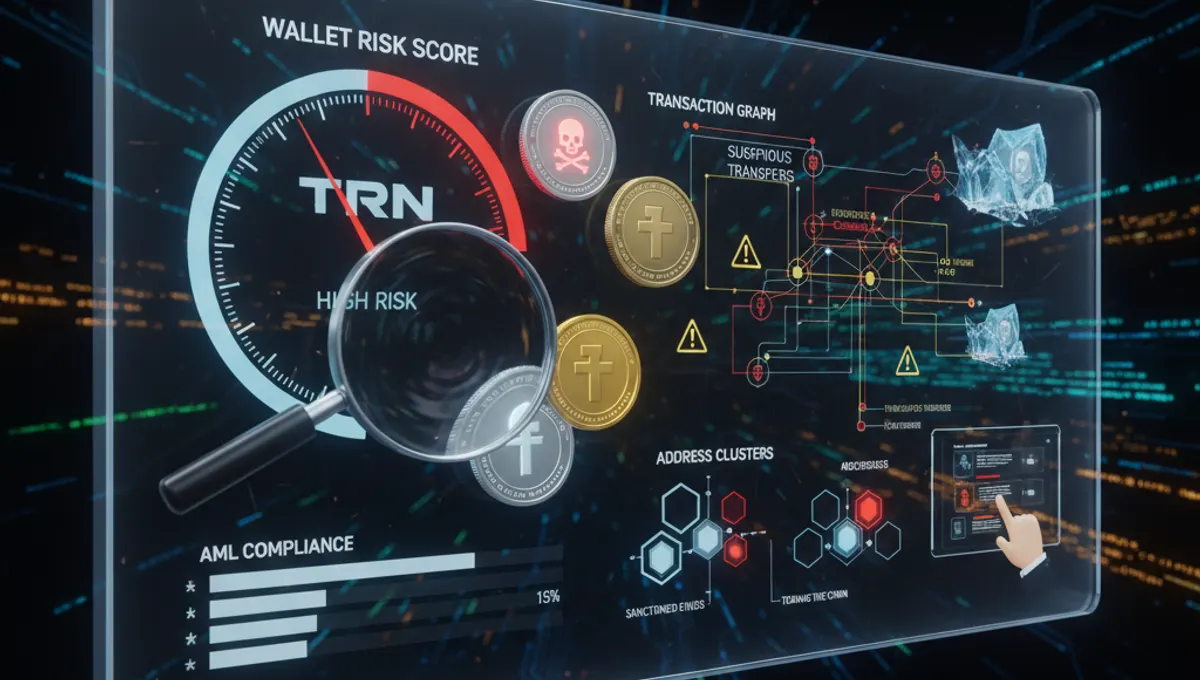
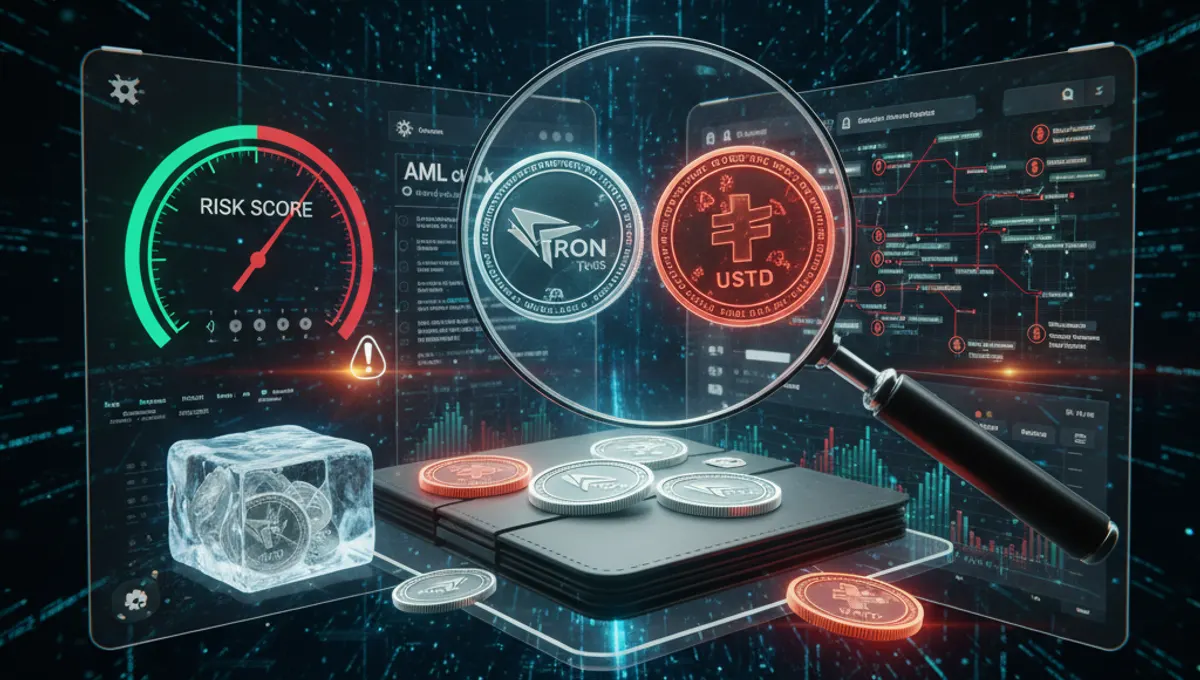
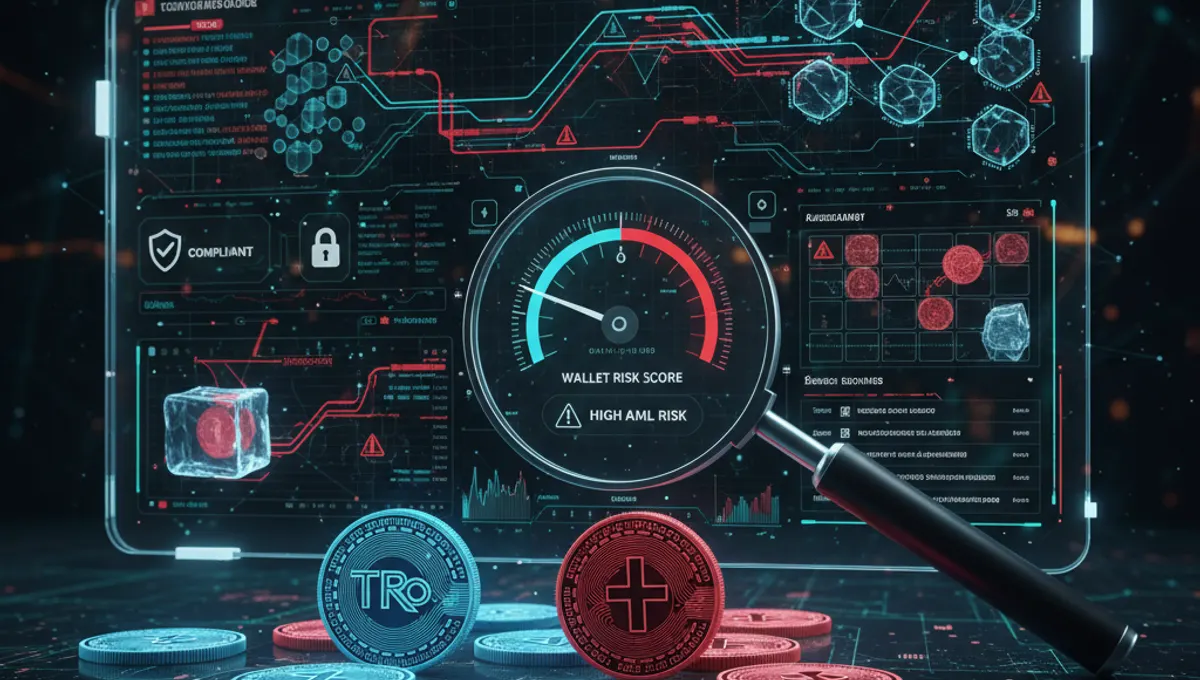
A wallet check is an AML (anti-money laundering) screening that analyzes a blockchain address to detect illicit activity. The check examines transaction history, wallet behavior, and connections to known risk entities. Wallet checks apply to major blockchains including Bitcoin, Ethereum, Tron, and others. They identify whether funds have been linked to mixers, darknet markets, ransomware, scams, or sanctioned entities. The result is a risk score—typically ranging from low to critical—that indicates the likelihood of compliance problems. Wallet checks differ from wallet style checks, which focus on address format and security features; wallet checks prioritize transaction history and fund origin. Most exchanges and compliance teams now require wallet checks before accepting large transfers to mitigate regulatory exposure.
How Wallet Checks Work: The Screening Process
Wallet checks use blockchain analytics to trace transaction flows and identify suspicious patterns. The process begins by querying the target address against known databases of illicit activity, including sanctions lists, stolen fund registries, and darknet marketplace addresses. The system then traces backward through the transaction chain to determine the source of funds. Key risk factors include: direct exposure to mixers or tumblers, connections to known theft or ransomware wallets, activity on darknet markets, gambling platform involvement, and matches against OFAC or other sanctions lists. The check assigns a risk score based on the severity and recency of these exposures. A wallet with no flagged connections receives a low score; one directly funded by a mixer receives a high score. The entire process typically completes in seconds to minutes, depending on transaction depth and blockchain congestion.
What Is a Safe Crypto Wallet: Risk Score Thresholds
A safe crypto wallet is one with a low AML risk score, typically below 30 on a 0–100 scale, though thresholds vary by service and jurisdiction. Wallets scoring below 20 are generally considered minimal risk and acceptable for most institutional transfers. Scores between 20 and 50 warrant caution; they may indicate indirect exposure to risky activity or unconfirmed connections. Scores above 50 suggest significant risk and should trigger deeper investigation before acceptance. Scores above 75 are typically considered critical and warrant rejection. The safest approach is to check any wallet before receiving funds, especially for amounts above your exchange's AML threshold. Most exchanges freeze accounts if they receive flagged funds, so prevention is far more efficient than remediation. Consider using the verified AML services listed on our curated directory to establish consistent, reliable screening before accepting transfers.
What Is the Safest Crypto Wallet: Choosing and Verifying
The safest crypto wallet combines low AML risk, transparent transaction history, and minimal exposure to illicit activity. To identify a safe wallet, request the address from the sender and run a wallet check before accepting funds. Examine the wallet's transaction history for red flags: frequent interactions with mixers, rapid fund movement, or connections to known scams. Wallets that have held funds for extended periods with clear, legitimate transaction patterns are generally safer. Personal wallets with infrequent activity and direct funding from known exchanges tend to score lower risk. Institutional wallets from regulated exchanges are typically safest because they undergo their own compliance screening. Avoid wallets with opaque histories, multiple hops through unknown addresses, or any connection to gambling or darknet platforms. The safest practice is to establish a wallet check policy before receiving any significant amount of crypto, using trusted screening services to validate addresses consistently.
How to Check a Wallet Before Receiving Crypto
Follow these steps to check a wallet before accepting funds: (1) Obtain the sender's full wallet address and confirm it matches their stated blockchain (Bitcoin, Tron, Ethereum, etc.). (2) Visit a trusted AML screening service—our directory lists verified providers that offer wallet checks for major blockchains. (3) Enter the address and initiate the scan. (4) Review the risk score and detailed findings, including any flagged connections or transaction patterns. (5) Check for specific risk categories: mixer exposure, darknet links, sanctions matches, stolen fund indicators, and gambling involvement. (6) If the score is low (below 30), proceed with confidence. If moderate (30–50), investigate further or request additional documentation from the sender. If high (above 50), consider rejecting the transfer or escalating to your compliance team. (7) Document the check result for your records. Most AML checks cost between zero and a few dollars per address, making them a cost-effective compliance safeguard. Repeat this process for every significant incoming transfer to maintain consistent risk management.
What Happens When a Wallet Is Flagged as Tainted
When a wallet is flagged as tainted—meaning it contains or has received stolen, sanctioned, or otherwise illicit funds—several consequences can follow. If you receive flagged funds into an exchange account, the exchange may freeze your account pending investigation, blocking withdrawals and trading. Regulatory authorities may investigate the source of the funds, and you could face compliance violations even if you were unaware of the taint. Funds may be seized if they are linked to sanctions or theft. The taint can spread to your own wallet, making future transactions problematic. To avoid this, always screen incoming addresses and reject transfers from high-risk wallets. If you have already received tainted funds, contact your exchange's compliance team immediately and provide documentation of the transaction and any wallet checks you performed. Transparency and prompt reporting typically result in better outcomes than attempting to move or hide flagged funds. Prevention through wallet checks is far more effective than managing the fallout from receiving dirty crypto.
AML Checks Cost and Service Comparison
AML checks cost varies widely depending on the service and screening depth. Many providers offer free basic wallet checks with limited detail, showing only a risk score and broad category flags. Paid checks typically range from one to ten dollars per address and provide detailed transaction analysis, specific risk indicators, and historical data. Some services charge per API call for high-volume screening, with enterprise plans offering unlimited checks at fixed monthly rates. Our curated directory of AML services compares pricing, accuracy, and coverage across verified providers. When evaluating services, consider: blockchain coverage (Bitcoin, Tron, Ethereum, etc.), speed of results, depth of transaction tracing, sanctions list integration, and reporting format. Free services are useful for occasional checks but may lack depth for institutional compliance. Paid services are worth the investment if you receive crypto regularly or manage significant volumes. The cost of a single wallet check is negligible compared to the risk of account freezes or regulatory penalties from receiving flagged funds.
Frequently asked questions
Can I check a crypto wallet before receiving funds?
Yes. Request the sender's wallet address, enter it into an AML screening service, and review the risk score within minutes. Most checks complete in seconds and cost zero to a few dollars. This is the standard practice before accepting any significant transfer to avoid receiving tainted or flagged funds.
What does a low risk score mean for a wallet?
A low risk score (typically below 30) indicates the wallet has minimal exposure to illicit activity, sanctions, or stolen funds. It suggests the address has a clean transaction history and no direct connections to mixers, darknet markets, or other high-risk entities. Low-score wallets are generally safe to receive funds from.
What happens if I receive funds from a flagged wallet?
Receiving flagged funds can trigger exchange account freezes, compliance investigations, and potential fund seizure. Your account may be locked pending review, and you could face regulatory violations. Always screen incoming addresses first. If you have already received flagged funds, contact your exchange's compliance team immediately and provide documentation.
How do wallet checks detect tainted crypto?
Wallet checks trace transaction history backward to identify connections to known illicit sources: mixers, darknet markets, ransomware wallets, theft, and sanctions entities. They cross-reference addresses against databases of flagged activity and assign a risk score based on exposure severity. The deeper the illicit connection, the higher the score.
Are wallet checks the same as wallet style checks?
No. Wallet style checks examine address format and security features. Wallet checks (AML screening) analyze transaction history and fund origin for compliance risk. Both are useful, but AML wallet checks are essential for preventing receipt of tainted or flagged funds.