What Are Wallet Style Checks and Why They Matter
Wallet style checks are automated or manual reviews of a crypto address's transaction patterns and history. They differ from general wallet checks by focusing on behavioral and stylistic indicators—how funds move, where they originate, and what entities interact with the address. A wallet style check examines whether an address has received funds from mixers, darknet markets, gambling platforms, or sanctioned entities. This matters because exchanges, compliance teams, and receiving parties use these checks to assess whether accepting funds from a particular address poses legal or operational risk. If your wallet receives tainted coins, your account can be frozen, transactions blocked, or funds seized. Wallet style checks help you make informed decisions about which addresses to transact with and whether a safe crypto wallet is actually safe.
How Wallet Style Checks Detect Risk
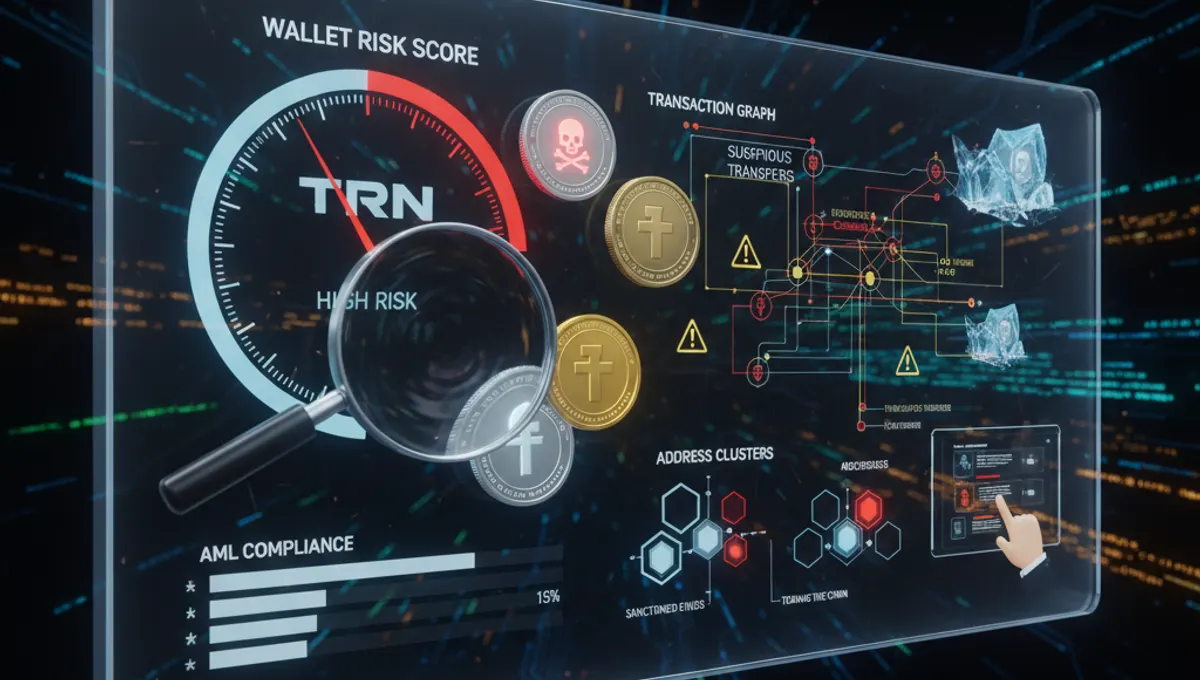
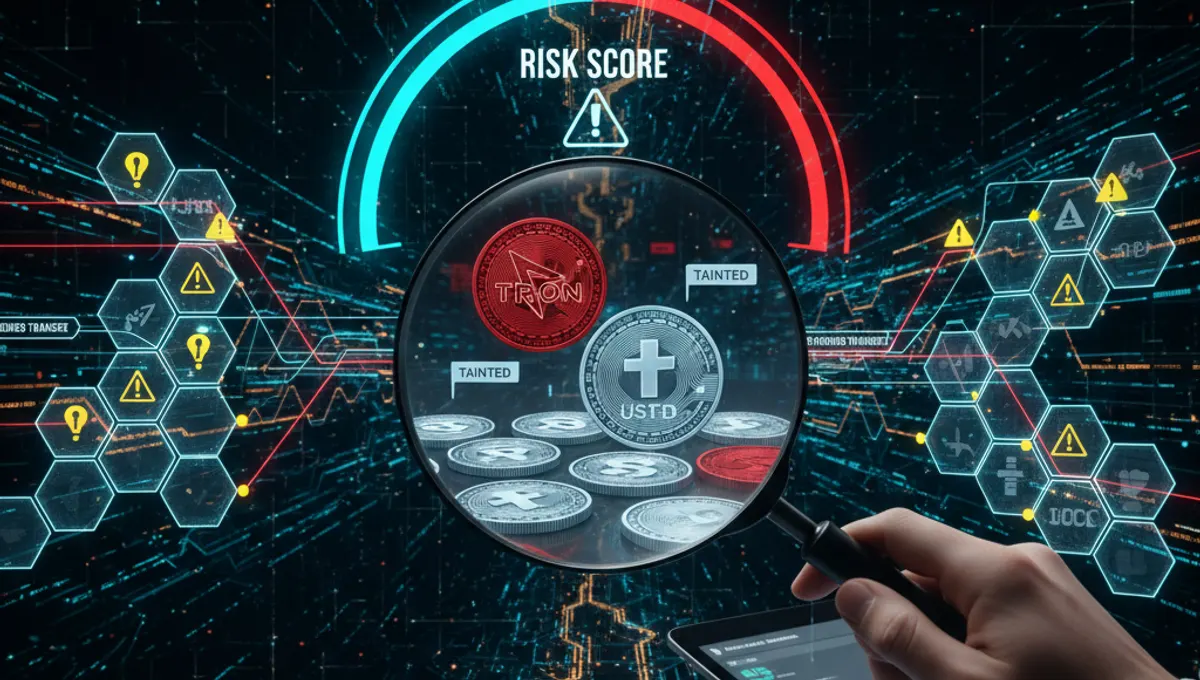
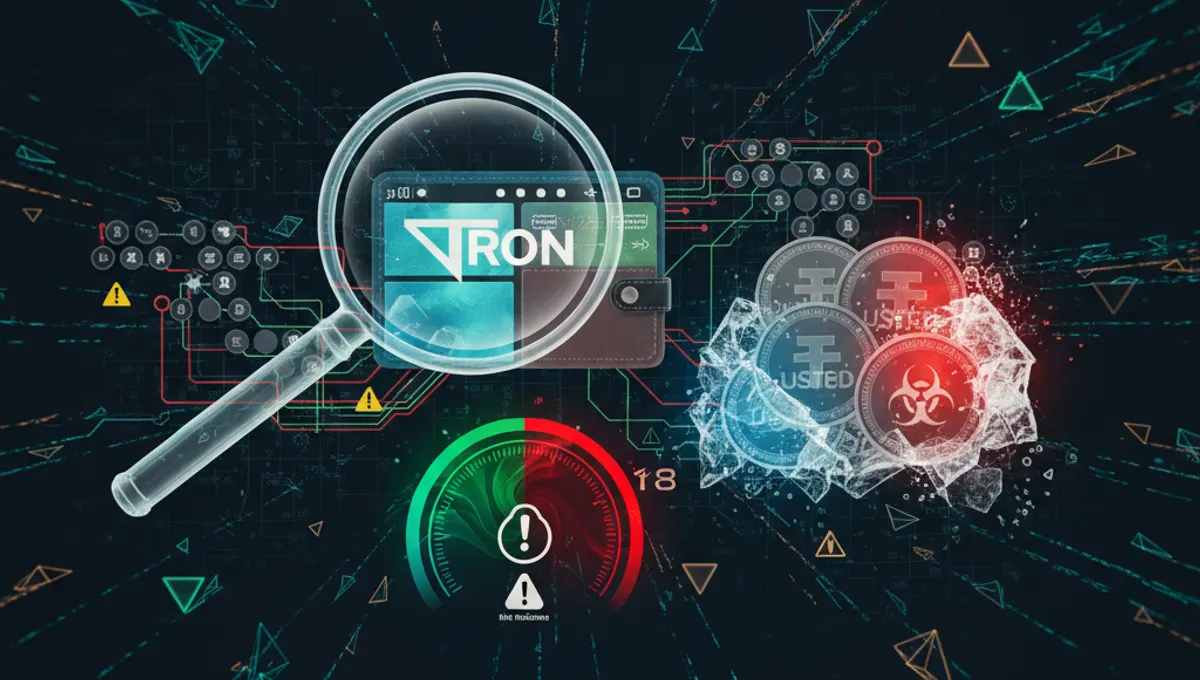
Wallet style checks use blockchain analytics to trace transaction flows and identify red flags. The process typically involves: examining the address's transaction history on the blockchain; checking whether funds came from known high-risk sources such as mixers or darknet markets; cross-referencing the address against sanctions lists and known theft databases; analyzing transaction frequency and amounts to spot unusual patterns; and assigning a risk score based on cumulative findings. Risk detection relies on public blockchain data—every transaction on Bitcoin, Tron, and Ethereum is visible and traceable. Analytics tools maintain databases of known bad actors: stolen funds from exchange hacks, addresses associated with scams, wallets linked to ransomware, and entities on OFAC sanctions lists. When a wallet style check runs, it compares your address against these datasets. The result is a risk score that indicates whether the wallet is low-risk, medium-risk, or high-risk.
What Is a Safe Crypto Wallet According to Wallet Style Checks
A safe crypto wallet, according to wallet style checks, is one with a clean transaction history and no exposure to high-risk sources. Safe wallets typically show: funds originating from legitimate exchanges or known businesses; regular, predictable transaction patterns; no connection to mixers, gambling platforms, or darknet markets; no overlap with sanctioned entities or stolen fund databases; and a low or very low risk score. The safest crypto wallet for receiving funds is one that has received coins only from regulated exchanges, peer-to-peer transactions with known parties, or legitimate business operations. Wallet style checks rate these wallets as low-risk. However, even a wallet with a clean history can become risky if it receives a single transaction from a tainted source. This is why ongoing wallet screening matters—a previously safe address can become flagged if it receives stolen or sanctioned funds. Before sending significant amounts, run a wallet style check on the receiving address to confirm it remains safe.
Understanding Risk Scores from Wallet Style Checks
Risk scores from wallet style checks typically range from 0 to 100 or are categorized as low, medium, high, or critical. A score of 0–20 indicates very low risk: the wallet has a clean history and minimal exposure to suspicious activity. Scores of 21–50 suggest medium risk: the wallet may have received funds from questionable sources but shows no direct connection to theft or sanctions. Scores of 51–80 indicate high risk: the wallet has received tainted coins, interacted with mixers, or shown patterns consistent with money laundering. Scores above 80 are critical: the wallet is directly linked to stolen funds, sanctions violations, or active darknet market participation. Most exchanges and compliance teams accept wallets with scores below 30 without additional scrutiny. Scores between 30 and 60 may trigger enhanced due diligence. Scores above 60 typically result in transaction blocks or account freezes. Understanding these thresholds helps you decide whether to transact with a particular address and what level of AML checks cost you should expect from your service provider.
How to Check a Wallet Before Sending USDT or TRX
To check a wallet before sending USDT TRC20 or Tron funds, follow these steps: obtain the receiving wallet address in full; use a blockchain analytics tool or AML screening service to run a wallet style check on that address; review the risk score and any flagged transactions or connections; if the score is low (under 30), proceed with confidence; if the score is medium (30–60), investigate the flagged sources and decide based on context; if the score is high (above 60), do not send funds unless you have verified the address with the recipient directly. For Tron and USDT TRC20 addresses specifically, ensure the address format is correct (Tron addresses start with 'T') and verify it matches what the recipient provided. Run the check through a trusted AML service listed on verified screening platforms. Document the risk score and timestamp for your records—this protects you if the transaction later becomes disputed or flagged by an exchange. Many users skip this step and regret it when their coins are frozen or rejected.
What Happens When a Wallet Is Flagged as Tainted
When a wallet is flagged as tainted during a wallet style check, it means the address has received or sent funds linked to theft, sanctions, or other illicit activity. If you receive tainted coins, several outcomes are possible: your exchange account may be frozen pending investigation; your transaction may be reversed or held in escrow; you may be required to provide proof of the legitimate source of funds; or your account may be permanently closed if the exchange determines you knowingly received stolen or sanctioned funds. Exchanges perform wallet style checks on incoming deposits, and many automatically flag high-risk addresses. If your wallet is flagged, contact the exchange's compliance team immediately with documentation of the transaction source. If you sent funds to a flagged address, the receiving party may reject the transaction or report it to authorities. To avoid this, always run a wallet style check before sending significant amounts. If you discover your own wallet has been flagged, stop using it for exchanges and consult a compliance professional.
Comparing AML Check Services and Wallet Style Check Tools
AML check services vary in depth, speed, and cost. Some offer free basic wallet style checks with limited historical data; others charge per check or offer subscription models. Free services typically provide a risk score and basic flagged source information but may not include detailed transaction tracing or sanctions list cross-referencing. Paid services offer comprehensive reports, real-time monitoring, API integration for businesses, and detailed forensic analysis. When choosing a service, consider: accuracy of risk scoring, coverage of sanctions lists and theft databases, speed of results, ease of use, and pricing structure. The most reliable approach is to use verified AML services curated and tested by compliance professionals. Check the AML Services page on this site for a list of trusted, verified screening tools that have been evaluated for accuracy and compliance standards. These services are vetted to ensure they use current sanctions data and maintain updated theft databases. Using a trusted service protects you legally and operationally by providing documented evidence that you performed due diligence before transacting.
Frequently asked questions
What is the difference between a wallet check and a wallet style check?
A wallet check is a general review of an address's balance and transaction history. A wallet style check is a specialized AML screening that analyzes behavioral patterns, source of funds, and exposure to high-risk entities like mixers and darknet markets. Wallet style checks assign a risk score and flag specific compliance concerns.
How long does a wallet style check take?
Most wallet style checks complete within seconds to a few minutes. Basic checks using public blockchain data are nearly instant. Comprehensive checks that cross-reference sanctions lists and theft databases may take a few minutes. Real-time monitoring services can flag new transactions within minutes of confirmation.
Can I check a wallet style for free?
Some services offer free basic wallet style checks with limited data. However, comprehensive checks including detailed sanctions screening and theft database cross-referencing typically require payment. Free checks may not include all risk factors. For critical transactions, paid checks from verified services provide better accuracy and legal protection.
What does a low risk score mean for a wallet?
A low risk score (typically 0–30) means the wallet has a clean transaction history with no detected exposure to theft, sanctions, mixers, or darknet markets. Low-risk wallets are generally safe to receive funds from and are unlikely to trigger exchange freezes or compliance holds.
Why would an exchange freeze my account after I receive funds?
Exchanges freeze accounts when incoming deposits are flagged as tainted—linked to theft, sanctions, or money laundering. Exchanges run wallet style checks on deposits automatically. If your receiving wallet has a high risk score, the exchange may freeze your account pending investigation or proof that you didn't knowingly receive illicit funds.