What Makes a Crypto Wallet Legit
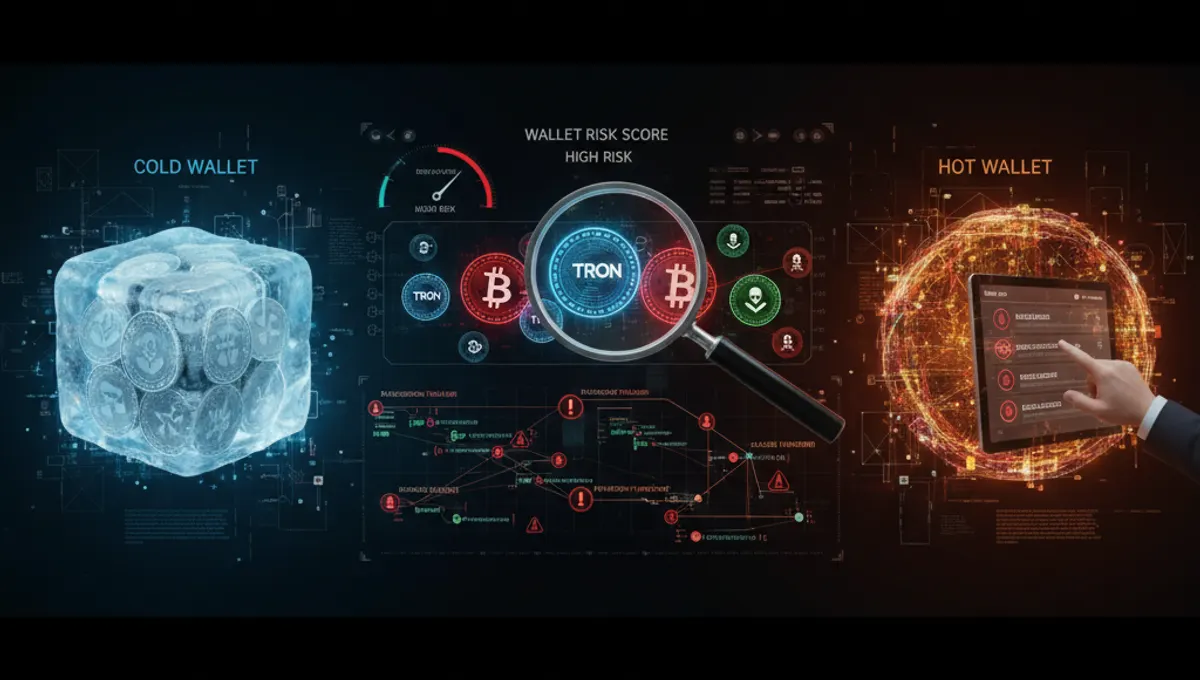
A legitimate crypto wallet has a clean transaction history with no red flags for theft, money laundering, or sanctions violations. Legit wallets typically belong to individuals, businesses, or exchanges with transparent operations and compliance practices. The safest crypto wallet is one that has been verified by its owner and has no connection to darknet markets, mixers, or stolen funds. When you receive funds from a legit wallet, you avoid the risk of your exchange account being frozen or your coins being flagged as tainted. Verification involves checking the wallet's age, transaction patterns, and whether it has ever interacted with known high-risk addresses. A wallet that has existed for years with consistent, legitimate activity is far more likely to be safe than a newly created address with suspicious behavior.
How to Check if a Wallet Address Is Safe Before Receiving Funds
Before accepting any transfer, follow these steps to verify wallet safety: First, obtain the full wallet address and confirm it matches the sender's stated address character-for-character. Second, use an AML screening service to run the address through sanctions lists and transaction history databases. Third, review the wallet's transaction graph to identify any connections to known high-risk entities such as mixers, darknet markets, or scam addresses. Fourth, check the AML risk score—addresses with low risk scores (typically 0–20) are generally safe, while scores above 50 warrant caution. Fifth, verify the wallet's age and activity level; established wallets with consistent patterns are safer than brand-new addresses. If the wallet shows any connection to stolen funds, sanctions violations, or illegal marketplaces, decline the transaction. The most reliable approach is to use verified AML services listed on trusted screening platforms, which provide real-time risk assessments and detailed transaction analysis.
Understanding Crypto Wallet Risk Scores and What They Mean
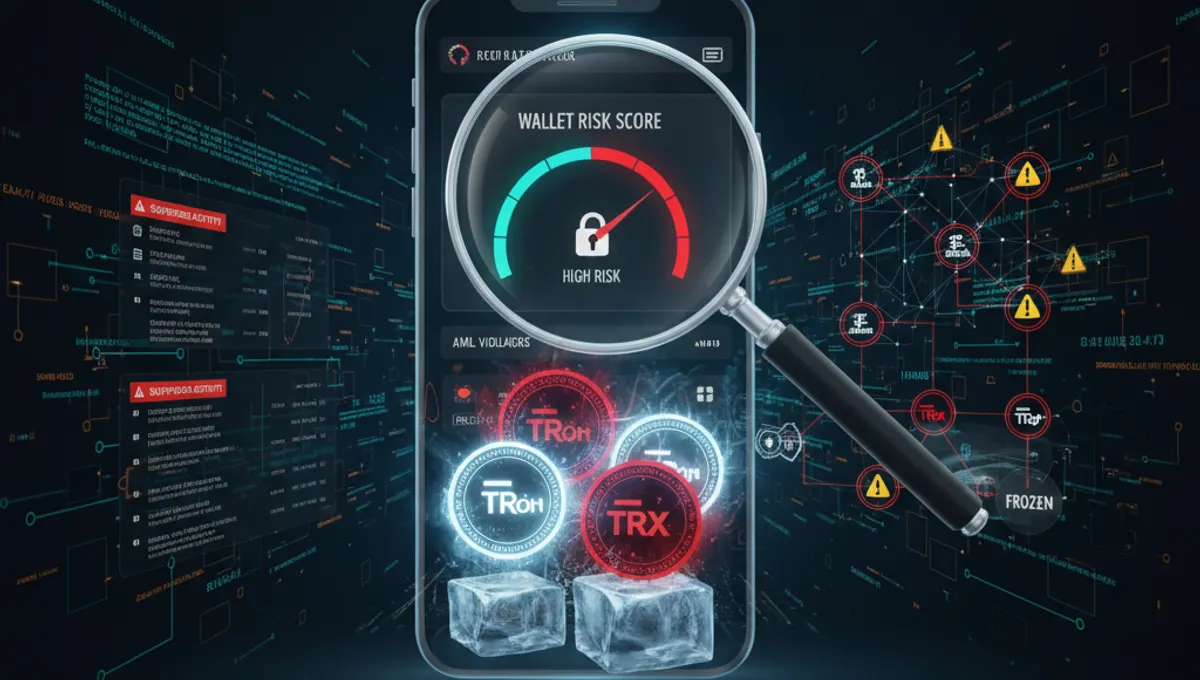
An AML risk score is a numerical rating that reflects the likelihood a wallet has been involved in illegal or high-risk activity. Risk scores typically range from 0 to 100, with lower scores indicating safer wallets. A score of 0–20 suggests minimal risk and a clean history. Scores between 21–50 indicate moderate risk, often due to minor connections to high-risk addresses or limited transaction history. Scores above 50 signal elevated risk and warrant investigation before accepting funds. Scores above 75 typically indicate direct involvement with known illegal activity, sanctions violations, or stolen funds. The risk score is calculated by analyzing the wallet's transaction history, its connections to other addresses, and whether it has interacted with known darknet markets, gambling platforms, or sanctioned entities. Understanding these thresholds helps you make informed decisions about which wallets to trust and which to avoid entirely.
What Is a Safe Crypto Wallet Example
A safe crypto wallet example would be a Bitcoin address that has been active for several years, belongs to a registered exchange or established business, and shows only legitimate transactions with no connections to mixers or darknet activity. For instance, a wallet used exclusively for receiving payments from customers or holding long-term investments, with consistent inbound and outbound transfers to known legitimate addresses, would score low on AML risk assessments. Another example is a USDT TRC20 address issued by a major exchange for customer deposits—these wallets are typically monitored for compliance and have minimal risk. In contrast, a newly created Tron address that immediately receives funds from a mixer or sends them to a darknet marketplace would be flagged as high-risk. The key characteristics of a safe wallet are transparency, age, consistency, and absence of connections to illegal activity. When evaluating whether a wallet is safe, compare its profile against these legitimate examples.
Red Flags That Indicate a Wallet May Not Be Legit
Several warning signs suggest a wallet is not legit and should be avoided. A wallet with no transaction history or extremely recent creation date is suspicious, especially if it suddenly receives large transfers. Connections to known mixers—services that obscure transaction origins—are a major red flag for money laundering. Transactions to or from darknet marketplace addresses indicate illegal activity. A wallet flagged on sanctions lists means it belongs to or has interacted with sanctioned entities, which can result in frozen funds and legal consequences. Rapid, high-volume transfers to multiple addresses suggest potential scam or theft activity. Wallets associated with known Ponzi schemes, rug pulls, or gambling platforms carry elevated risk. If an AML screening service flags a wallet with a risk score above 75, or if it appears on any sanctions database, treat it as unsafe. Trust your instincts: if a transaction request seems unusual or the sender cannot provide verification of their wallet's legitimacy, decline it.
How to Screen a Wallet Before Sending Crypto
Screening a wallet before sending funds protects you from losing money or triggering compliance issues. Start by copying the full wallet address and pasting it into a dedicated AML screening tool. The tool will return a risk score and a detailed report showing the wallet's transaction history and any flagged connections. Review the report for any mentions of theft, sanctions violations, or darknet activity. Check whether the wallet has interacted with known mixers or high-risk services. Verify the wallet's age and confirm it has legitimate activity patterns. If the report shows a low risk score and no red flags, the wallet is likely safe. If the report shows moderate or high risk, contact the sender to clarify the wallet's purpose or ask for an alternative address. For high-value transfers, use multiple verification methods and consider consulting the curated list of verified AML services available on trusted screening platforms to ensure you are using reliable tools. This due diligence takes minutes but can prevent significant financial and legal harm.
What Happens If You Send Crypto to an Illegitimate Wallet
Sending funds to an illegitimate wallet can result in several serious consequences. If the wallet is associated with theft, your funds may be permanently lost or seized by law enforcement. If the wallet is on a sanctions list, your exchange account may be frozen when you attempt to withdraw or trade the received funds, and you could face legal liability depending on your jurisdiction. If the wallet is flagged as tainted or connected to illegal activity, exchanges may refuse to accept deposits from that address, leaving you unable to convert the crypto to fiat currency. Your own account may be flagged or permanently banned from exchanges if you knowingly or unknowingly receive stolen or sanctioned funds. Additionally, if you later attempt to send those coins elsewhere, you may inadvertently pass the taint to another party, creating a chain of compliance violations. The best protection is to screen every wallet before sending funds. Use verified AML services to check addresses, review risk scores, and confirm the wallet's legitimacy. This preventive approach eliminates most risks and ensures your transactions remain compliant and reversible if needed.
Frequently asked questions
How do I know if a crypto wallet is legit before sending money
Check the wallet address using an AML screening service to verify its risk score, transaction history, and any connections to illegal activity. Look for a low risk score (0–20), established transaction history, and no flags for theft or sanctions violations. Verify the wallet's age and confirm it belongs to a legitimate entity. If the report shows red flags, decline the transaction.
What is the safest crypto wallet to use
The safest crypto wallet is one from a regulated exchange or established custodian with strong compliance practices, multi-signature security, and insurance coverage. Hardware wallets offer high security for personal holdings. Regardless of wallet type, verify any address you receive funds from using AML screening before accepting the transfer to ensure the source is legitimate.
Can I check if a wallet address has stolen funds
Yes, AML screening services analyze wallet transaction histories and flag addresses connected to known theft incidents, ransomware payments, or stolen funds. These services cross-reference addresses against theft databases and blockchain analysis. If a wallet is flagged for stolen funds, do not accept transfers from it, as your exchange may freeze your account or refuse the deposit.
What crypto wallet fees should I expect
Crypto wallet fees vary by type and network. Exchange wallets typically charge deposit and withdrawal fees ranging from 0.5% to 2%. Hardware wallets have no transaction fees but may require setup costs. Network fees (gas fees) depend on blockchain congestion and transaction size, not the wallet itself. Always verify fees before transferring funds.
What does a crypto wallet risk score mean
A risk score (0–100) indicates the likelihood a wallet has been involved in illegal activity. Scores 0–20 are low-risk, 21–50 are moderate, and above 50 are elevated. Scores above 75 suggest direct involvement with theft, sanctions, or darknet activity. Use risk scores to decide whether to accept funds from a wallet address.