What Is a Hot Wallet and How Does It Work
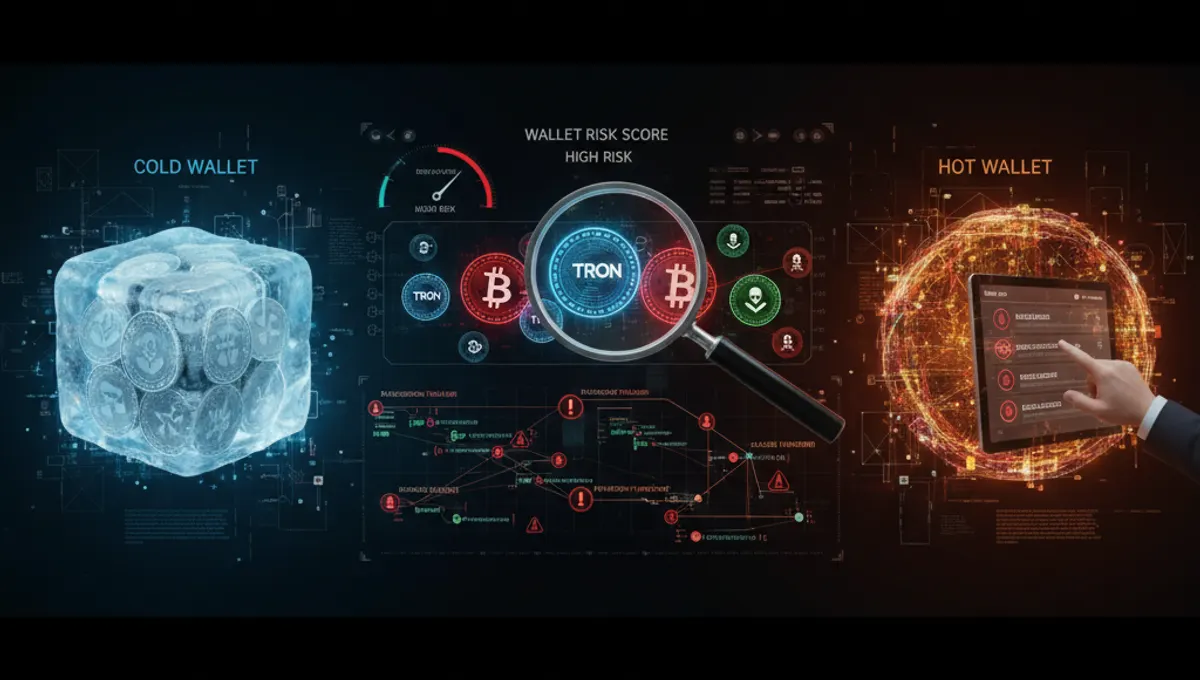
A hot wallet is a cryptocurrency wallet connected to the internet, enabling real-time transactions and immediate fund access. Examples include exchange wallets (Kraken, Binance), mobile wallets, and web-based platforms. Hot wallets prioritize convenience over security—you can send and receive crypto instantly without additional steps. The trade-off is exposure: because they remain online, hot wallets are more vulnerable to hacking, phishing, and interception. For AML purposes, hot wallets on regulated exchanges are typically monitored for suspicious activity, transaction patterns, and sanctions compliance. However, non-custodial hot wallets (self-hosted) may lack built-in monitoring, making them riskier for receiving funds from unknown sources. Hot wallet fees vary by platform; exchange wallets often charge network fees or withdrawal fees, while some mobile wallets charge per transaction.
What Is a Cold Wallet and Why Is It Safer
A cold wallet stores cryptocurrency offline, disconnected from the internet. Hardware wallets (physical devices) and paper wallets are the primary examples. Because cold wallets are not connected to networks, they eliminate the risk of remote hacking or malware infection. Transactions require manual signing and connection to the internet only when sending funds, reducing exposure windows. Cold wallets are ideal for holding large amounts long-term and are commonly used by institutional investors and compliance-conscious holders. From an AML perspective, cold wallets present lower immediate risk because they are not actively transacting on public networks. However, when you eventually move funds from cold storage to a hot wallet or exchange, those transactions become visible and subject to screening. Cold wallet fees are typically minimal—mainly one-time hardware costs or transaction fees when moving funds out.
Hot Wallet vs Cold Wallet: Key Differences Explained
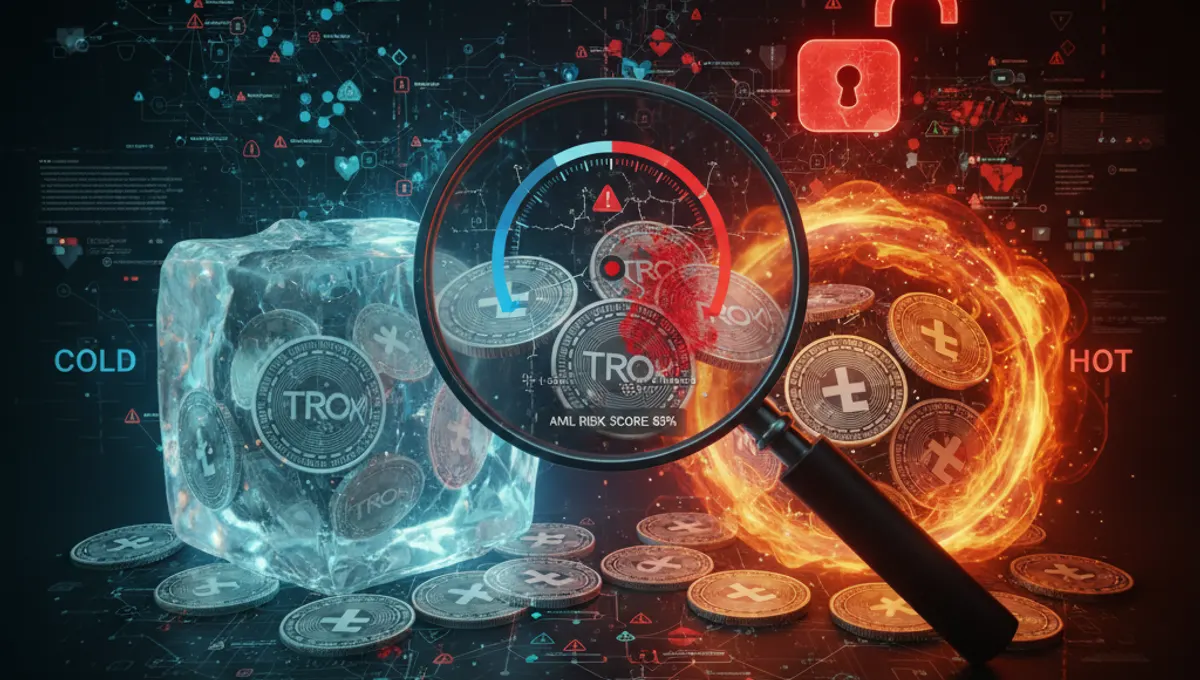
The primary differences center on accessibility, security, and compliance visibility. Hot wallets offer instant access and frequent trading capability; cold wallets require deliberate steps to access funds. Hot wallets are vulnerable to online attacks; cold wallets are immune to remote hacking. Hot wallets are ideal for active traders; cold wallets suit long-term holders. From an AML screening perspective, hot wallets on regulated platforms provide transaction history and identity verification, making compliance checks easier. Cold wallets are private by design, so when funds move from cold storage into the regulated ecosystem, they undergo fresh scrutiny. Hot wallet number (the quantity of wallets you hold) affects your overall risk profile—multiple hot wallets increase exposure to compromised addresses. Cold wallets reduce this risk by consolidating holdings in secure, offline storage. Both wallet types can receive tainted coins; the difference is detection speed and regulatory oversight.
How AML Screening Works Across Wallet Types
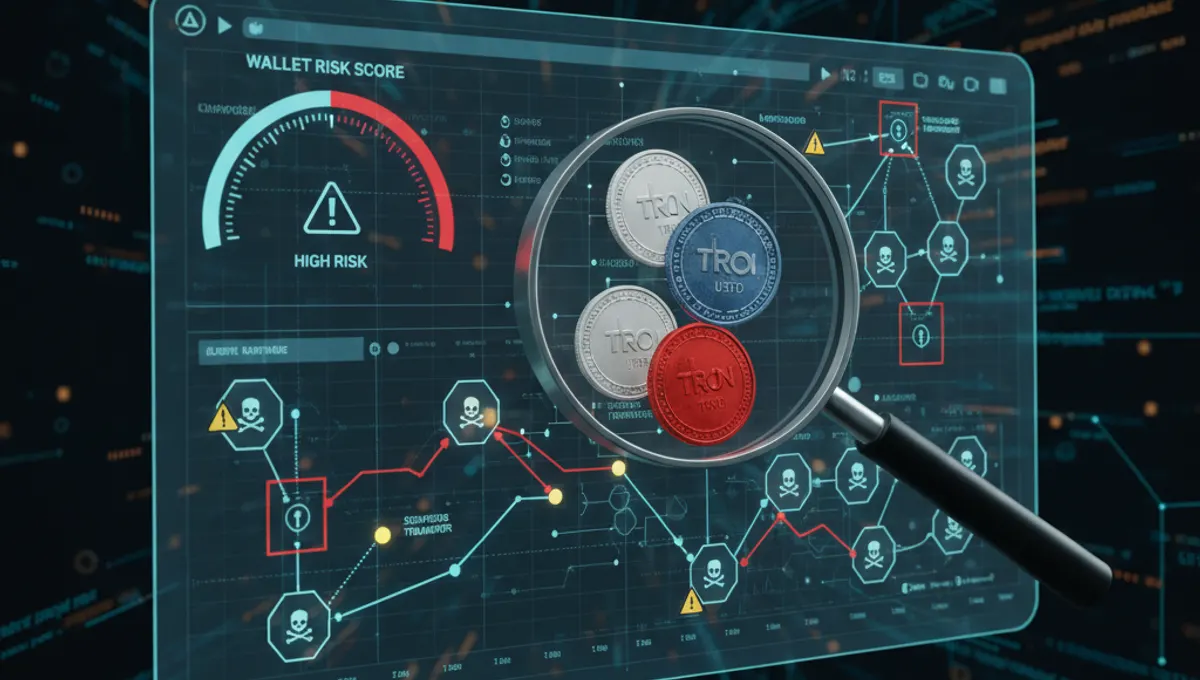
AML screening examines wallet transaction history, fund sources, and behavioral patterns to assign a risk score. For hot wallets on exchanges, screening is automatic—the platform checks incoming and outgoing transactions against sanctions lists, known darknet addresses, and stolen fund databases. Risk scores typically range from low (clean, legitimate activity) to high (mixer usage, darknet exposure, stolen funds). Cold wallets themselves are not screened until funds move to a hot wallet or exchange. When you transfer from cold storage to a regulated platform, the receiving exchange screens the transaction and the source address. If the cold wallet address has a history of mixing, ransomware payments, or sanctions-linked activity, the transfer may be flagged or rejected. AML services on this site provide wallet screening tools that check both hot and cold addresses before you receive funds, helping you avoid accepting tainted coins. Understanding wallet type helps you anticipate which screening checks will apply.
Practical Steps: Checking a Wallet Before Receiving Crypto
Before accepting USDT, TRX, Bitcoin, or other assets, verify the sending wallet's risk status. Follow these steps: (1) Obtain the sender's wallet address. (2) Use an AML screening service to check the address for tainted coins, sanctions exposure, and darknet links. (3) Review the risk score—acceptable thresholds depend on your compliance requirements, but scores below 30 are generally considered low-risk. (4) Check transaction history for red flags: mixer usage, rapid fund movement, or connections to known scam addresses. (5) If the wallet is a hot wallet on a regulated exchange, verify the exchange's compliance reputation. (6) If the wallet is a cold wallet, check whether it has previously moved funds through high-risk channels. Our curated list of verified AML services provides reliable screening tools for this purpose. Taking these steps before receiving funds prevents you from accepting stolen or sanctioned crypto, which could result in frozen accounts or regulatory penalties.
Risk Categories and What They Mean for Your Wallet
AML screening identifies several risk categories that affect your wallet's compliance status. Mixer exposure indicates funds passed through privacy-mixing services, obscuring their origin. Darknet market activity means the address has transacted with known illegal marketplaces. Stolen funds flags indicate the wallet received proceeds from theft, hacking, or fraud. Ransomware payments show the address received extortion proceeds. Sanctions exposure means the wallet is linked to individuals or entities on government sanctions lists. Gambling activity, while not illegal, may trigger enhanced scrutiny depending on your jurisdiction. Scam-related funds indicate the address received proceeds from Ponzi schemes or investment fraud. A single risk category doesn't automatically make a wallet unusable, but multiple flags or high-risk categories warrant rejection. Acceptable risk thresholds vary: institutional investors typically accept only scores below 10, while some retail users tolerate scores up to 50. Your compliance obligations determine which thresholds apply.
What to Do If Your Wallet Is Flagged as Tainted
If you receive a notification that your wallet holds tainted coins or has been flagged during AML screening, take immediate action. First, do not panic—flagging does not automatically mean your account will be frozen, but it requires investigation. Contact the exchange or platform where the funds landed and request details about the flag. Provide documentation of your transaction: proof of legitimate receipt, invoice, or contract with the sender. If the sender is a business or known entity, ask them to provide their compliance documentation. Some exchanges allow you to appeal a flag if you can demonstrate the funds' legitimate origin. If the flag is accurate (you unknowingly received stolen or sanctioned funds), you may need to report the transaction to authorities and cooperate with investigations. Moving flagged funds to another wallet does not remove the flag—the blockchain records remain permanent. Preventive screening before receiving funds is far simpler than resolving flags after the fact. Use the AML services listed on our site to check wallets before accepting transfers.
Frequently asked questions
What is the main difference between a hot wallet and a cold wallet
A hot wallet is internet-connected for instant transactions; a cold wallet is offline for secure storage. Hot wallets prioritize convenience and speed, while cold wallets prioritize security. Hot wallets are vulnerable to hacking; cold wallets are not. Both can receive tainted coins, but hot wallets on regulated exchanges undergo automatic AML screening, while cold wallets are screened only when funds move to a regulated platform.
Can I receive tainted crypto in a cold wallet
Yes. A cold wallet can receive tainted or stolen funds just like any other address. The difference is that the taint is not detected until the funds move from cold storage to a hot wallet or exchange, where AML screening occurs. Screening a cold wallet address before receiving funds helps you avoid this problem entirely.
What crypto wallet fees should I expect
Hot wallet fees vary by platform: exchanges charge withdrawal fees (typically 0.5–2% or fixed amounts), mobile wallets charge per transaction, and web wallets may charge network fees. Cold wallets have minimal ongoing fees—mainly one-time hardware costs (USD 50–200) and network fees when moving funds out. AML screening services may charge per check or offer subscription plans.
How do I check if a wallet is safe before sending crypto to it
Use an AML screening service to check the wallet address for tainted coins, sanctions exposure, and darknet links. Verify the risk score—scores below 30 are generally acceptable. Check transaction history for mixer usage or suspicious patterns. If the wallet is on a regulated exchange, verify the exchange's compliance reputation. Our site lists verified AML services for reliable screening.
What does a high AML risk score mean for my wallet
A high risk score indicates the wallet has exposure to mixers, darknet markets, stolen funds, ransomware, or sanctions. High scores may trigger account freezes, transaction blocks, or regulatory investigation. Acceptable thresholds vary: institutional investors typically accept only scores below 10, while retail users may tolerate up to 50. Check your compliance requirements and the platform's policies.