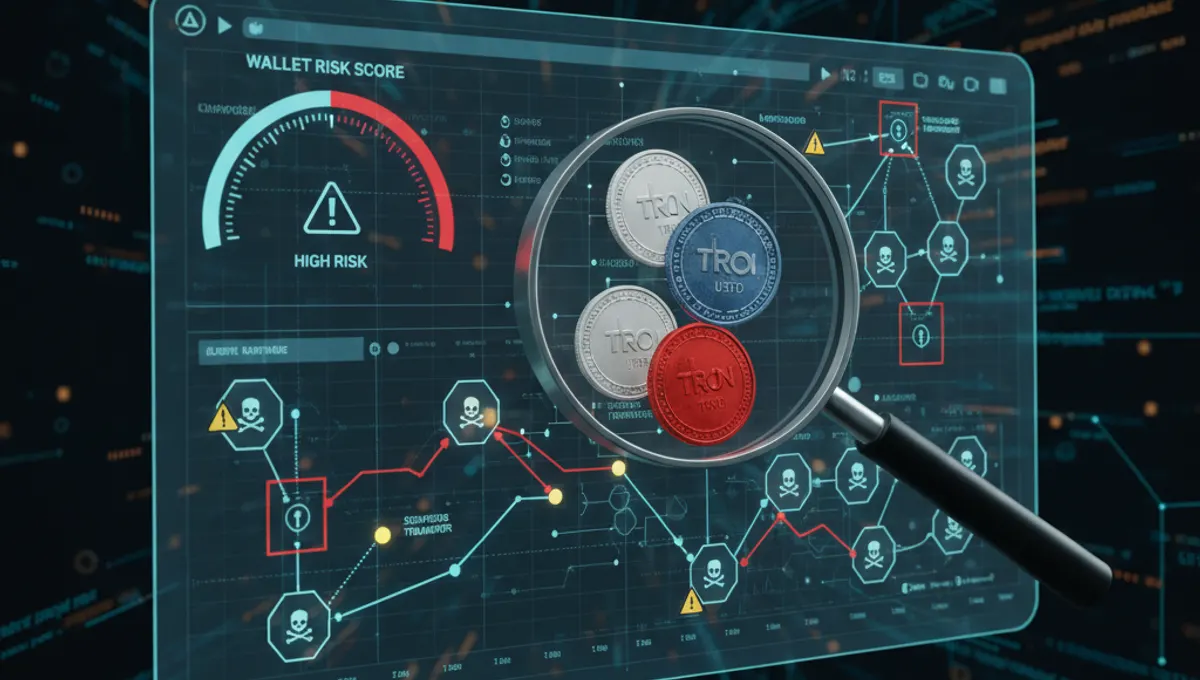
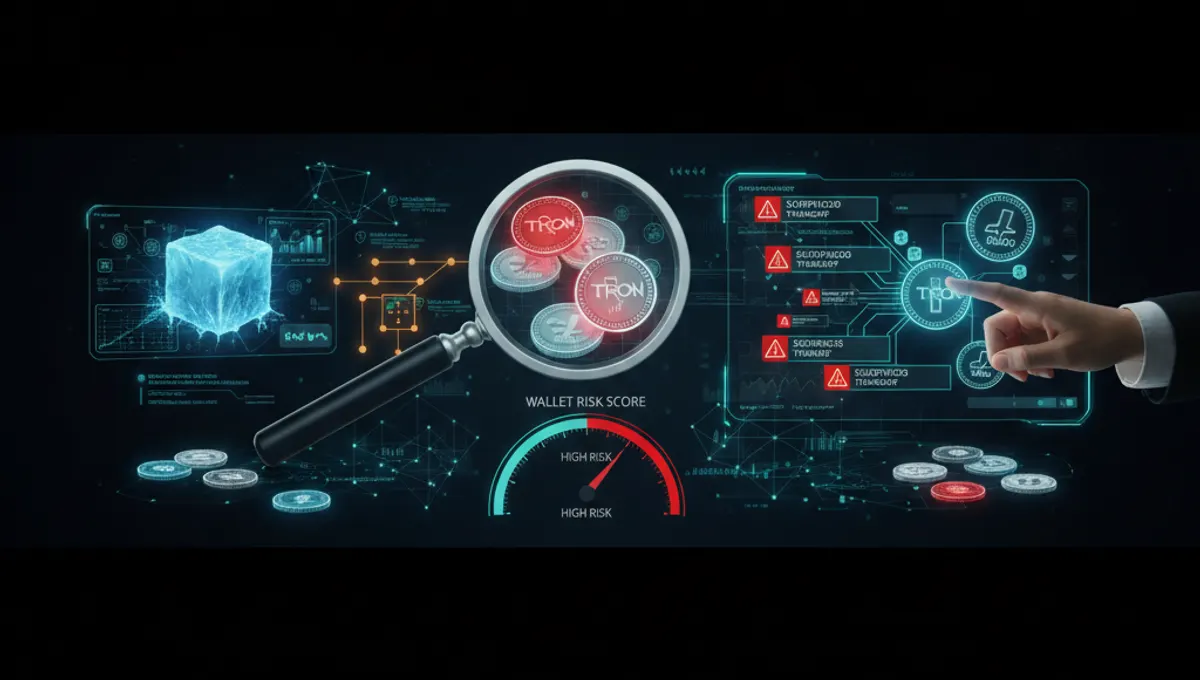
What Does Crypto Wallet No Fees Mean?
A crypto wallet with no fees refers to platforms or services that allow you to store, send, or receive cryptocurrency without charging transaction fees, deposit fees, or withdrawal fees. However, blockchain network fees (gas fees on Ethereum, network fees on Bitcoin or Tron) are separate from wallet provider fees and are unavoidable. Free AML screening means you can check a wallet address for risk indicators—such as tainted coins, darknet exposure, or sanctions involvement—without paying per check. Some services offer a limited number of free checks monthly, while others provide free basic screening with optional paid reports. Understanding the difference between wallet fees and AML screening costs helps you choose the right tool for compliance and safety.
How Do Free AML Wallet Checks Work?
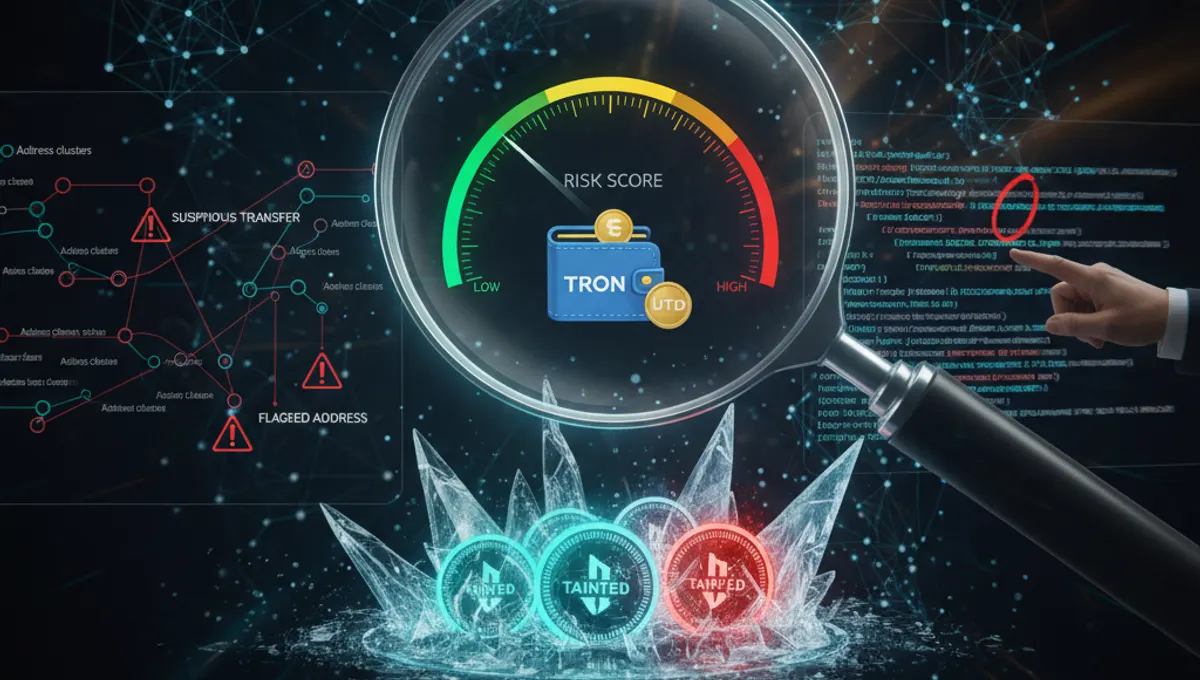
Free AML wallet screening services analyze blockchain transactions to assign a risk score to an address. The process involves querying the wallet's transaction history, cross-referencing it against known risk indicators such as mixer usage, darknet market connections, stolen fund reports, and sanctioned entity lists. A typical free check returns a risk score (often on a scale of 0–100 or low/medium/high), flagged transaction patterns, and a summary of exposure categories. The screening happens in seconds and does not require you to own the wallet or provide personal information. Free tiers usually include basic risk scoring; paid tiers may offer detailed transaction timelines, entity identification, or API access. When choosing a free AML check, verify that the service covers your blockchain of interest—Bitcoin, Ethereum, Tron (TRX), or stablecoins like USDT on TRC20.
Crypto Wallet Fees vs. Free AML Screening: What's the Difference?
Crypto wallet fees are charges imposed by the wallet provider or exchange for services such as deposits, withdrawals, or trades. These fees vary widely: some wallets charge 0.5–2% per transaction, while others charge flat fees per withdrawal. Free AML screening, by contrast, is a compliance tool that checks whether a wallet address has been associated with risky or illicit activity. A wallet may have no transaction fees but still require AML screening before you accept funds from it. Conversely, a wallet with high transaction fees may offer free or built-in AML checks. The lowest fees wallets often use peer-to-peer networks or decentralized protocols to minimize costs, but they may not include integrated risk screening. For compliance-conscious users, combining a low-fee wallet with free AML checks from a dedicated service (available on our AML Services page) provides both cost efficiency and safety.
Step-by-Step: How to Check a Wallet Address for Free
Follow these steps to screen a crypto wallet address using free AML tools:
1. Identify the wallet address and blockchain. Confirm whether it is a Bitcoin, Ethereum, Tron (TRX), or USDT TRC20 address.
2. Visit a free AML screening service. Our curated AML Services page lists verified free and freemium tools.
3. Paste the wallet address into the search field. Do not enter private keys or seed phrases.
4. Review the risk score. Scores typically range from low (0–30) to high (70–100), with medium in between.
5. Check flagged categories. Look for indicators such as mixer usage, darknet exposure, stolen funds, or sanctions involvement.
6. Decide whether to accept the funds. Low-risk scores (under 30) are generally safe; medium (30–70) warrants caution; high (above 70) suggests avoiding the transaction.
7. Document the check. Keep a record of the screening date, score, and service used for compliance purposes.
Free checks are sufficient for most personal users; businesses may require paid detailed reports.
What Risk Score Levels Mean for Wallet Safety
A crypto wallet risk score quantifies the likelihood that an address has been involved in illicit or high-risk activity. Risk levels are typically categorized as follows:
Low (0–30): The wallet shows minimal exposure to known risk indicators. Transactions are traceable to legitimate sources. Receiving funds from a low-risk wallet is generally safe.
Medium (30–70): The wallet has some exposure to risk factors such as minor mixer usage, unconfirmed connections to gambling platforms, or limited darknet interaction. Exercise caution and verify the sender's identity if possible.
High (70–100): The wallet is strongly associated with high-risk activity such as stolen funds, sanctions-listed entities, active darknet market involvement, or repeated mixer usage. Receiving funds from a high-risk wallet may trigger exchange freezes, account bans, or regulatory scrutiny. Most exchanges reject deposits from high-risk addresses.
Acceptable thresholds vary by use case. Personal users may accept medium-risk funds; regulated businesses typically accept only low-risk addresses to avoid compliance violations and frozen USDT or frozen accounts.
Free Wallet Screening Tools and Their Limits
Several free AML screening services offer no-fee checks with varying coverage and detail. Free tiers typically include a basic risk score and category flags but exclude detailed transaction histories or API access. Some services limit free checks to 5–10 per month; others offer unlimited free checks with optional paid reports. Coverage varies: some tools specialize in Bitcoin and Ethereum, while others include Tron and USDT TRC20 addresses. Free services may have slower processing times or less frequent database updates compared to paid tiers. For the most current and comprehensive screening, consult our AML Services page, which lists verified providers offering both free and premium options. When selecting a tool, confirm it covers your blockchain, provides clear risk scoring, and updates its sanctions and darknet databases regularly. Free screening is ideal for occasional checks; frequent users or compliance teams may benefit from paid subscriptions with API integration and detailed reporting.
What to Do If Your Wallet Is Flagged as High-Risk
If a wallet address receives a high-risk score, several outcomes are possible. Exchanges may freeze deposits from that address, preventing you from converting the cryptocurrency to fiat currency. Your account may be restricted pending manual review by compliance staff. In severe cases, the exchange may permanently ban the address or account. If you receive funds from a flagged wallet, do not attempt to hide or launder the coins through mixers or multiple transfers—this increases risk and may trigger regulatory action. Instead, contact the sender to verify the source of the funds. If the sender is legitimate but the wallet was previously compromised, request a transfer from a different, lower-risk address. Document all communications and screening results. If you believe the high-risk flag is incorrect, contact the AML screening service to request a review. For ongoing compliance, use free AML checks before accepting large transfers, and maintain records of all screening activities. Consult our AML Services page for tools that offer dispute resolution or manual review options.
Frequently asked questions
Are there really crypto wallets with zero fees?
Some wallets charge no deposit, withdrawal, or transaction fees from the provider, but blockchain network fees (gas fees, miner fees) are unavoidable and set by the network, not the wallet. Decentralized wallets and peer-to-peer platforms often have lower or no provider fees. Free AML screening is separate from wallet fees and is available from multiple services.
Can I check a wallet address for free before sending crypto?
Yes. Free AML screening tools let you paste any wallet address and receive a risk score within seconds. No account or payment is required. Most free services provide basic risk scoring and category flags. For detailed transaction histories or API access, paid tiers are available. Check our AML Services page for verified free options.
What does a low-risk wallet score mean?
A low-risk score (typically 0–30) indicates the wallet has minimal exposure to known illicit activity, stolen funds, or sanctions involvement. Transactions are traceable to legitimate sources. Receiving funds from a low-risk wallet is generally safe and unlikely to trigger exchange freezes or compliance issues.
Why would an exchange freeze my USDT if I receive it from a flagged wallet?
Exchanges freeze accounts to comply with anti-money laundering (AML) and sanctions regulations. If USDT or other crypto is received from a high-risk address—such as one linked to theft, darknet markets, or sanctioned entities—the exchange may restrict your account pending manual review or permanently ban the funds to avoid regulatory penalties.
How often should I check wallet addresses for AML risk?
Check wallet addresses before accepting any significant transfer, especially from unknown senders. Personal users may check occasionally; compliance teams and businesses should screen all incoming addresses. Free tools allow frequent checks. Maintain records of all screening results for audit purposes.