What Are Crypto Wallet Fees and How Do They Work?
Crypto wallet fees fall into two categories: network fees (paid to miners or validators) and service fees (charged by wallet providers). Network fees vary by blockchain—Bitcoin transactions typically cost more than Tron or Ethereum during peak times. Tron (TRX) and USDT on TRC20 are known for extremely low network fees, often under 1 cent per transaction. Service fees depend on wallet type: custodial wallets (held by exchanges) may charge deposit or withdrawal fees, while non-custodial wallets (self-hosted) charge only network fees. Some wallets advertise no fees but recoup costs through spreads on currency conversion. Understanding this distinction helps you choose a wallet that matches your transaction volume and risk tolerance. When comparing crypto wallet fees, always check the fine print—a wallet claiming the lowest fees might hide costs in conversion rates or withdrawal minimums.
Crypto Wallet Explained: Types and Fee Structures
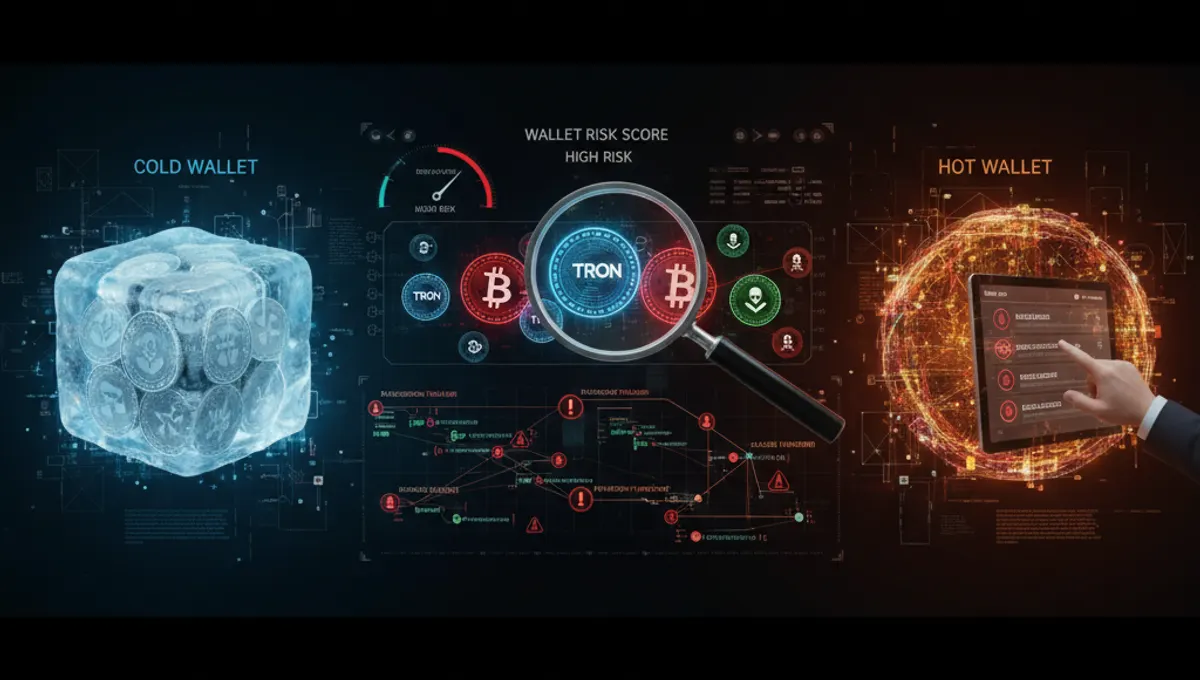
A crypto wallet is software or hardware that stores your private keys and lets you send, receive, and monitor cryptocurrency. Wallets come in several forms, each with different fee models. Hardware wallets (like Ledger or Trezor) have no transaction fees but charge an upfront purchase cost. Mobile wallets and desktop wallets typically charge network fees only, making them cheap for frequent traders. Exchange wallets (Coinbase, Kraken, Binance) charge withdrawal fees but offer convenience and built-in compliance tools. Paper wallets and brain wallets are free but require technical knowledge and carry security risks. For most users, a non-custodial mobile wallet offers the best balance of low fees and usability. However, regardless of wallet type, you should verify that incoming funds are not tainted before accepting them—this is where AML screening becomes essential to avoid receiving stolen or sanctioned cryptocurrency.
Why AML Screening Matters Before Receiving Crypto
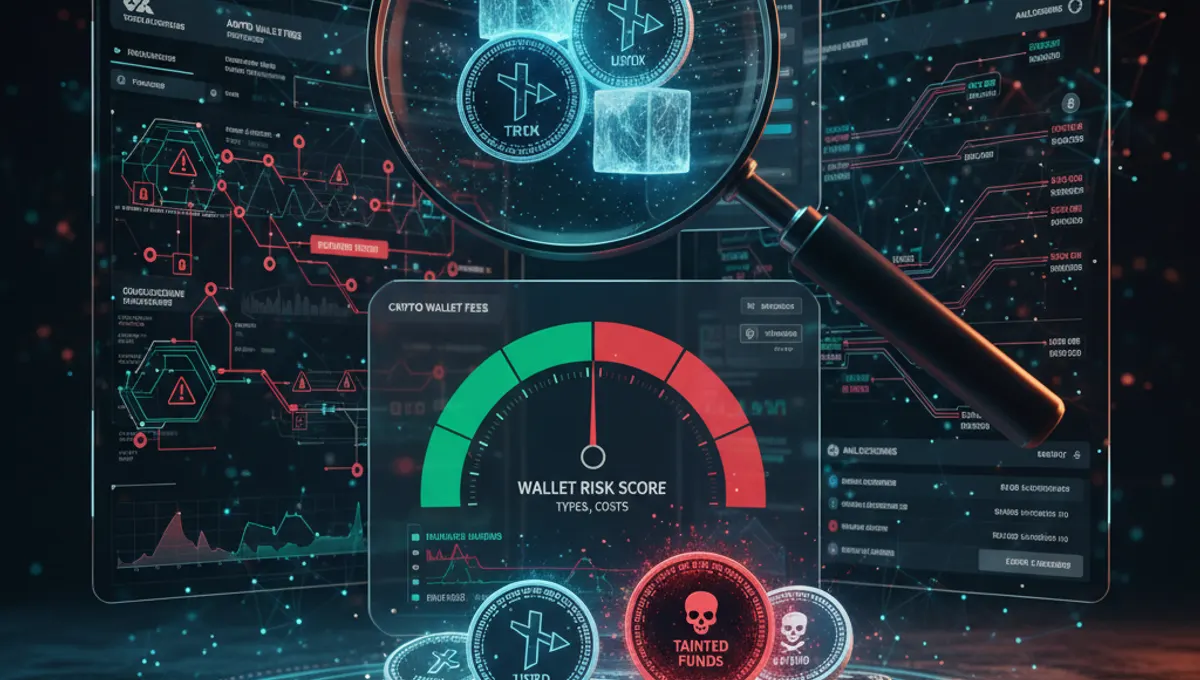
AML (Anti-Money Laundering) screening checks whether a wallet address or transaction has ties to illicit activity. Receiving tainted coins—cryptocurrency linked to theft, ransomware, darknet markets, or sanctions violations—can result in your exchange account being frozen, your funds being seized, or legal complications. Exchanges now perform mandatory KYT (Know Your Transaction) checks and will flag or block deposits from high-risk addresses. A crypto wallet risk score quantifies this danger on a scale, typically from 0 (clean) to 100 (high risk). Addresses connected to mixers, gambling platforms, or darknet markets receive elevated scores. Before sending large amounts to a new wallet address, run an AML check through a trusted service. This simple step prevents you from accidentally becoming complicit in money laundering and protects your access to regulated exchanges. Many users overlook this until their funds are frozen—by then, recovery is difficult.
How to Check a Crypto Wallet Before Sending or Receiving
Follow these steps to screen a wallet address for AML risk: First, copy the wallet address (Bitcoin, Tron, Ethereum, or USDT TRC20). Second, visit a reputable AML screening service—our curated list of verified AML services on this site includes tools designed specifically for this task. Third, paste the address into the checker and run the scan. Fourth, review the risk score and detailed report, which shows any connections to sanctions lists, darknet markets, stolen funds, or mixers. Fifth, decide whether to proceed based on the risk level. Most services categorize risk as low (0–20), medium (21–60), or high (61–100). If you receive a medium or high score, ask the sender for clarification or decline the transaction. For USDT on TRC20 or Tron addresses, the process is identical—paste the address and scan. This takes under a minute and can save you from serious compliance headaches. Always screen addresses from unknown sources or large transfers.
Understanding Crypto Wallet Risk Scores and What They Mean
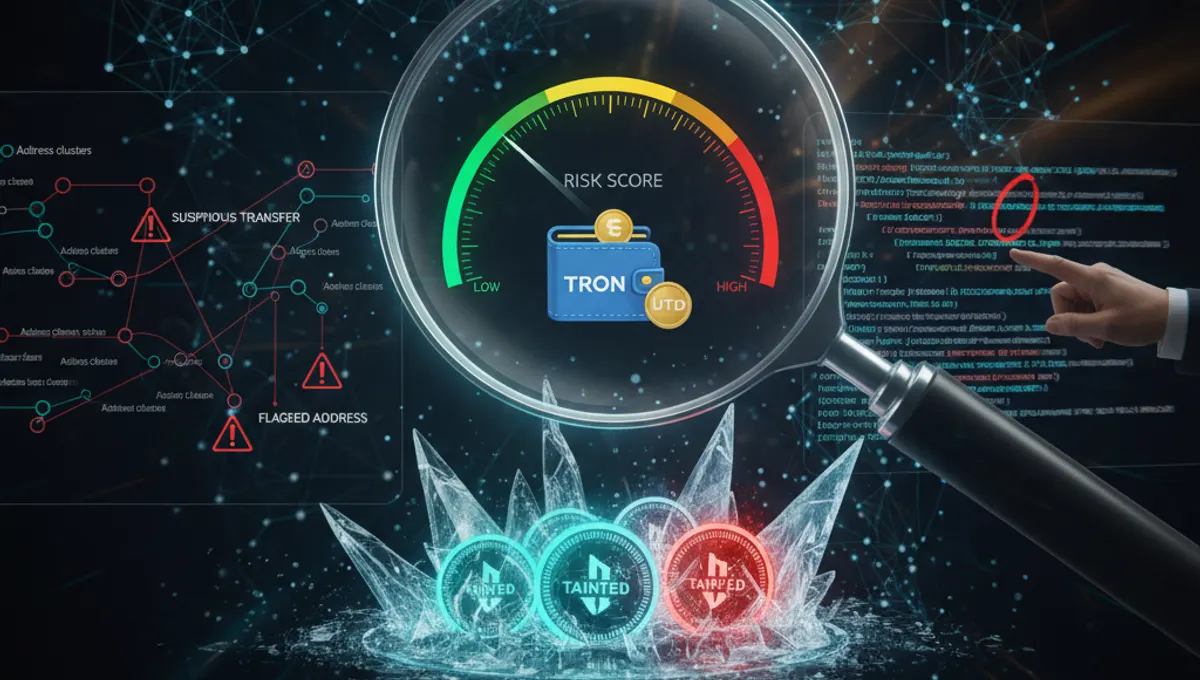
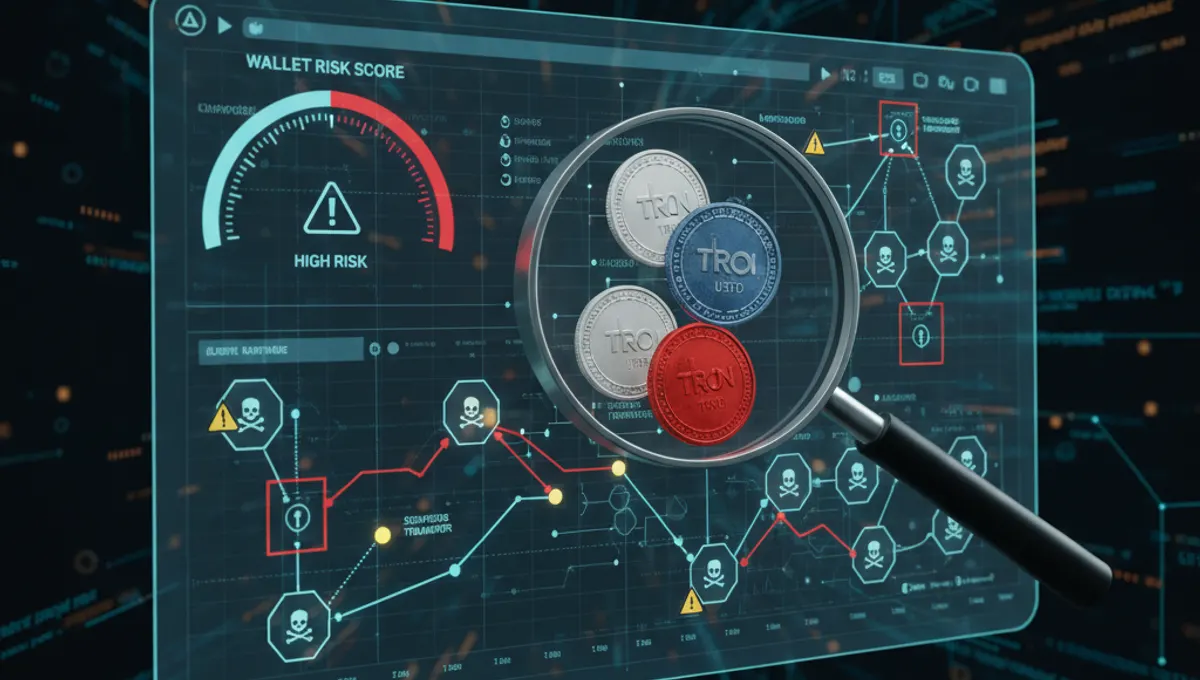
A crypto wallet risk score is a numerical rating that reflects the likelihood a wallet is involved in illicit activity. Scores typically range from 0 to 100, with 0 being completely clean and 100 indicating confirmed criminal association. Low-risk scores (0–20) mean the address has minimal or no history of suspicious activity. Medium-risk scores (21–60) suggest the address may have interacted with mixers, gambling platforms, or other gray-area services—not necessarily illegal, but flagged for caution. High-risk scores (61–100) indicate strong evidence of theft, ransomware, darknet exposure, or sanctions violations. Risk scores are calculated by blockchain analytics firms that track transaction patterns, wallet clustering, and known illicit addresses. A single transaction to a mixer can elevate a score, even if the wallet itself is legitimate. When evaluating whether to accept incoming crypto, treat medium and high scores as red flags. Exchange policies vary, but most will freeze accounts that repeatedly receive high-risk funds.
Crypto Wallet Number: Tracking Multiple Addresses and Risk
Many users maintain multiple wallet addresses across different blockchains—a Bitcoin address, a Tron address, an Ethereum address, and so on. Each address has its own transaction history and risk profile. When you receive crypto, you should track which address received it and screen that specific address number. Some wallets generate a new address for each transaction (hierarchical deterministic wallets), which can make tracking harder but improves privacy. If you operate multiple wallets, keep a record of their addresses and their most recent AML screening results. This is especially important for business users or traders who receive frequent transfers. A single compromised address can affect your entire portfolio if you consolidate funds into one exchange account. Before consolidating wallets, screen each address individually. If one address has a high risk score, consider leaving those funds separate or investigating the source. For USDT TRC20 wallets, Tron addresses, and Bitcoin addresses, the principle is the same—each address number should be screened independently.
Comparing Wallet Fees and AML Compliance: A Practical Guide
When choosing a wallet, balance fee structure with compliance features. Wallets with the lowest fees often lack built-in AML screening, leaving the burden on you. Custodial wallets (exchanges) charge higher fees but perform automatic compliance checks, reducing your risk. Non-custodial wallets offer lower fees but require you to manually screen addresses before transacting. For frequent traders, a non-custodial wallet paired with regular AML checks is cost-effective. For casual users, an exchange wallet with integrated compliance may be worth the higher fees for peace of mind. Never choose a wallet solely on fee structure—a 0.5% fee savings is worthless if your account gets frozen due to tainted funds. Our verified AML services list on this site includes tools that integrate with popular wallets, allowing you to screen addresses without leaving your app. Start there to find a service that matches your workflow. Combining a low-fee wallet with proactive AML screening gives you the best of both worlds: cheap transactions and clean compliance.
Frequently asked questions
What crypto wallet has the lowest fees?
Tron (TRX) and USDT on TRC20 have the lowest network fees, often under 1 cent. Non-custodial wallets like Trust Wallet or MetaMask charge only network fees, no service fees. Hardware wallets have zero per-transaction fees but require an upfront purchase. The cheapest option depends on your blockchain choice and transaction frequency.
Can I receive crypto without checking for AML risk?
Technically yes, but it's risky. If you receive tainted coins linked to theft or sanctions, exchanges may freeze your account when you try to withdraw. AML screening takes under a minute and prevents compliance issues. Always check wallet addresses before accepting large transfers, especially from unknown sources.
What does a high crypto wallet risk score mean?
A high risk score (61–100) indicates the wallet has strong ties to theft, ransomware, darknet markets, or sanctions violations. Exchanges will likely flag or block deposits from high-risk addresses. You should decline transactions from addresses with high scores unless you can verify the source and understand the risk.
How do I check if a Tron address or USDT TRC20 wallet is clean?
Copy the Tron address or USDT TRC20 wallet address and paste it into an AML screening tool. Use a verified service from our curated AML services list. The scan will return a risk score and report any connections to mixers, darknet markets, or stolen funds within seconds.
Do crypto wallets with no fees exist?
Non-custodial wallets charge zero service fees—you pay only network fees to the blockchain. However, no wallet is truly free if you trade or convert currencies; exchanges embed fees in spreads. Self-hosted wallets are the cheapest option for holding and transferring crypto, but they require you to manage security and compliance yourself.