What Is a Crypto Wallet and How Does It Store Information
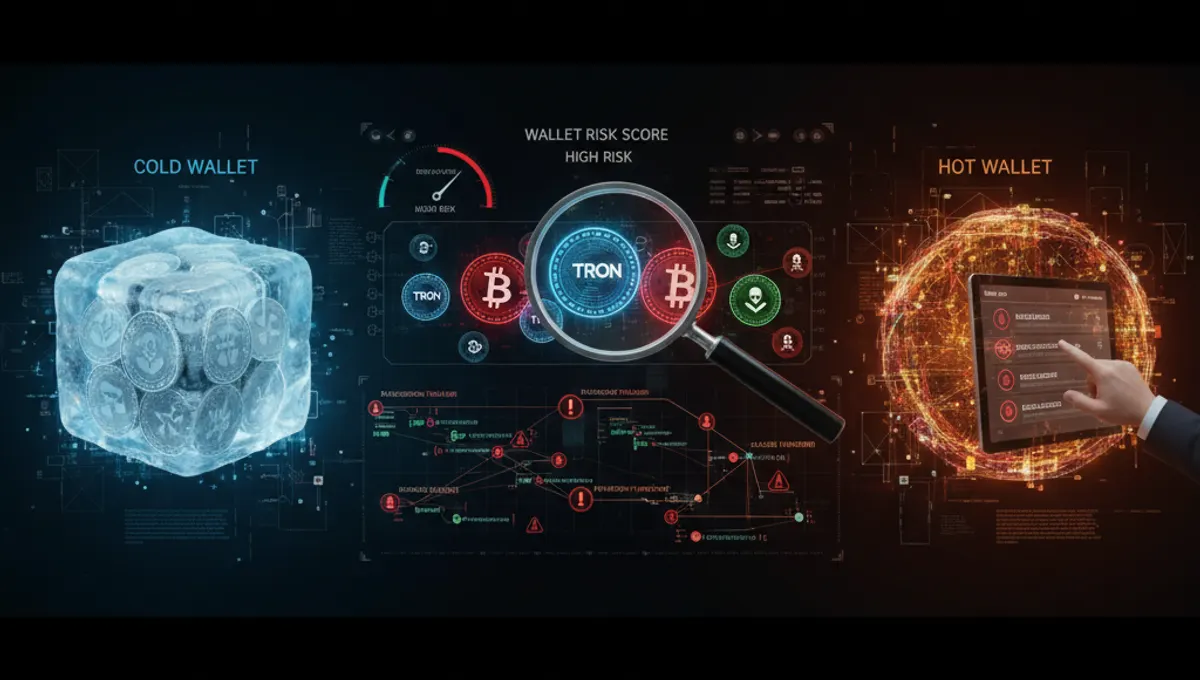
A crypto wallet is software or hardware that holds your private keys—the credentials needed to access and move cryptocurrency on a blockchain. A wallet does not store credit cards, bank account details, or personal payment information. When you buy crypto using a credit card, the card is processed by a payment processor (like a bank or exchange), and only the resulting cryptocurrency is deposited into your wallet address. The wallet itself contains only the public address (visible to everyone) and the private key (secret, known only to you). This separation means your credit card cannot be scanned from your crypto wallet because it was never stored there in the first place. Understanding this distinction is essential before you receive USDT TRC20 or Bitcoin, because what matters is the source and history of the coins, not how you paid for them.
Crypto Wallet Explained: Public Address vs. Private Key
Every crypto wallet has two components. The public address is a long string of characters (like a bank account number) that anyone can see and use to send you funds. The private key is a secret code that only you should know; it proves ownership and allows you to move your coins. When someone scans a wallet address using AML screening tools, they are analyzing the blockchain history of that address—what transactions have occurred, whether the coins came from known risk sources like mixers, darknet markets, or sanctioned entities. They are not accessing your credit card, personal identity, or payment methods. A crypto wallet example would be a Tron address starting with 'T' (for TRC20 tokens like USDT) or a Bitcoin address starting with '1', '3', or 'bc1'. Each address has a complete on-chain transaction history that can be reviewed for compliance and risk.
What Does an AML Wallet Scan Actually Check
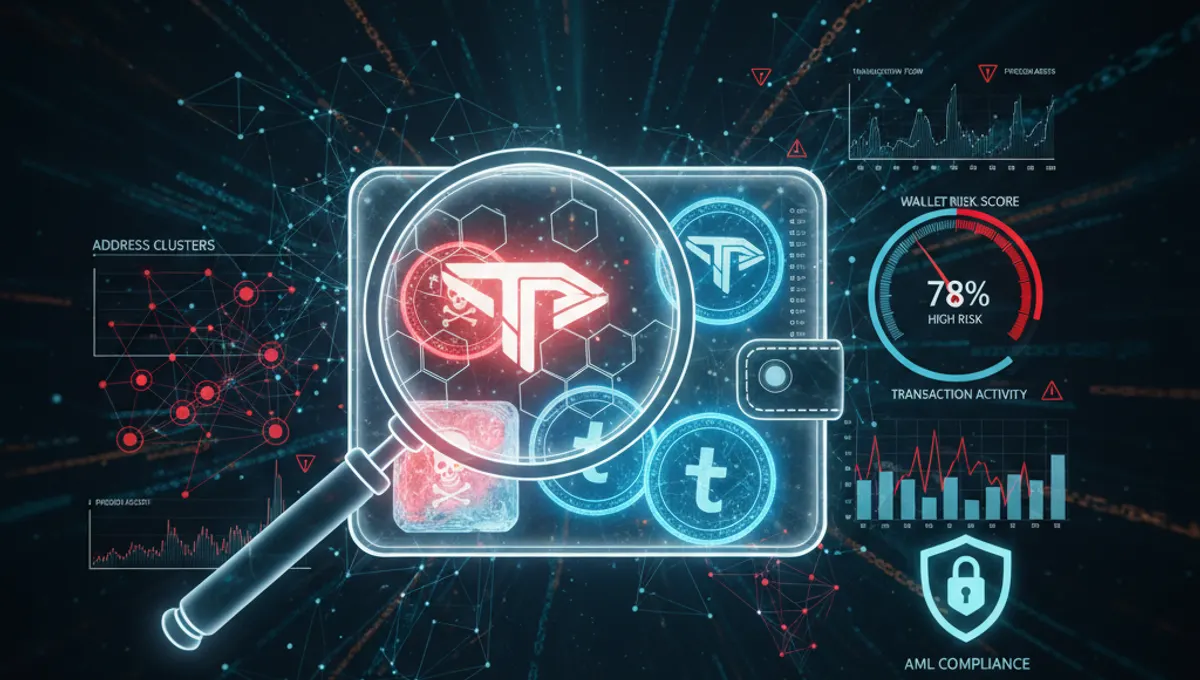
An AML (Anti-Money Laundering) wallet scan examines the blockchain history of a cryptocurrency address to assign a risk score and flag potential compliance issues. The scan looks for: (1) connections to known mixers or tumblers that obscure transaction origins, (2) transactions linked to darknet marketplaces, (3) stolen or ransomware funds, (4) addresses associated with sanctioned entities or individuals, (5) gambling or high-risk exchange activity, and (6) scam-related wallets. The scan does not check your credit card, bank account, or personal financial data. It only analyzes the immutable record on the blockchain. If you receive USDT or Bitcoin from an address flagged as high-risk, your own address may inherit that risk score, potentially triggering exchange freezes or account restrictions. This is why checking a wallet before receiving funds is critical for compliance-conscious users and businesses.
How to Check a Wallet Before Receiving Crypto
Before accepting Bitcoin, USDT TRC20, or any cryptocurrency, follow these steps: (1) Ask the sender for their wallet address. (2) Visit a trusted AML screening service (our curated list of verified AML services on this site provides safe, tested options). (3) Paste the sender's address into the screening tool. (4) Review the risk score and any flags for tainted coins, darknet exposure, or sanctions. (5) Decide whether the risk level is acceptable for your use case. Most exchanges and businesses accept addresses with low to medium risk scores; high-risk addresses often trigger account freezes or transaction blocks. Crypto wallet fees vary by service—some offer free basic checks with limited detail, while others charge per scan or require a subscription for detailed reports. The investment in a quick AML check before receiving large amounts is minimal compared to the cost of receiving frozen or flagged USDT.
Understanding Crypto Wallet Risk Scores and What They Mean
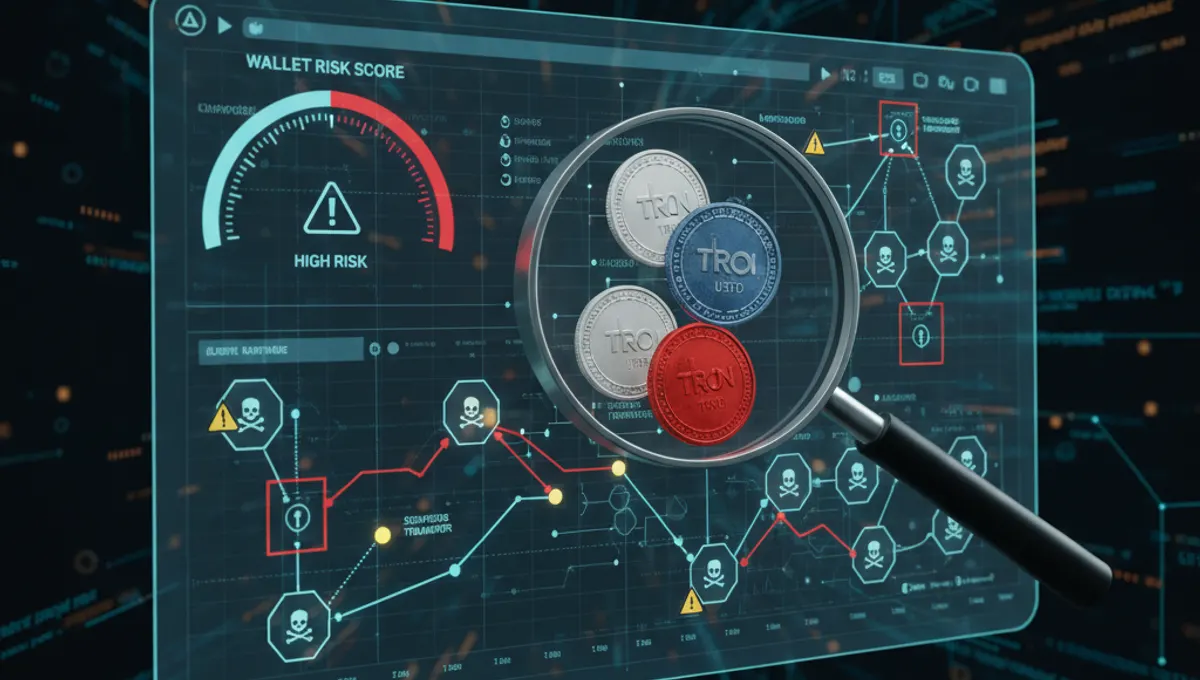
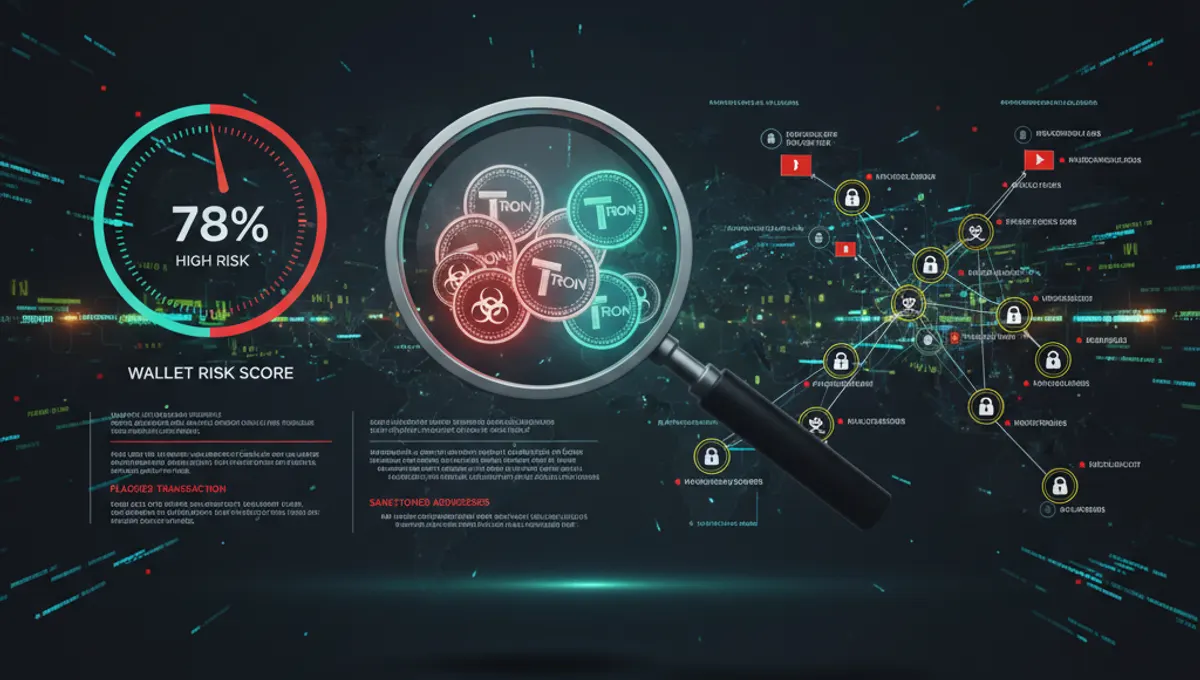
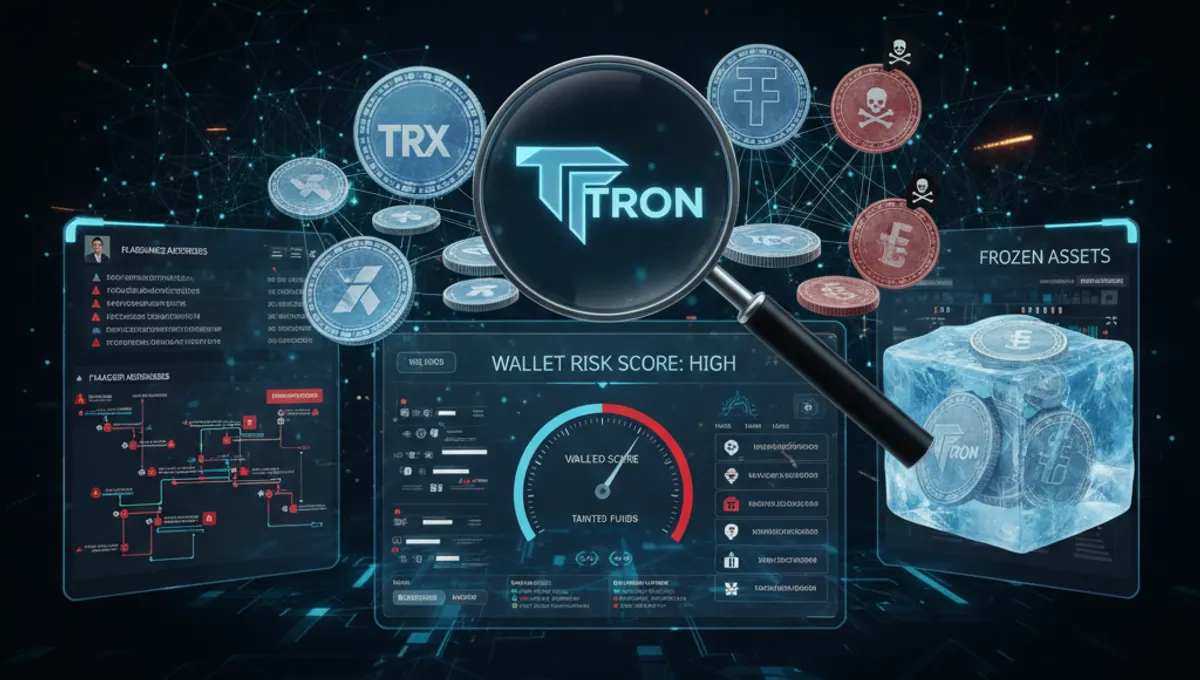
A risk score is a numerical rating assigned to a wallet address based on its blockchain history and connections. Scores typically range from 0 (very low risk) to 100 (very high risk), though some services use letter grades or percentage scales. Low-risk addresses (0–20) have clean transaction histories with no known connections to illicit activity. Medium-risk addresses (21–50) may have minor flags or indirect exposure but are generally acceptable for most transactions. High-risk addresses (51–100) show direct or strong indirect links to mixers, darknet markets, stolen funds, or sanctions. Exchanges and payment processors often freeze or reject transactions from high-risk addresses. When you receive crypto from a high-risk source, your address may also be flagged, affecting your ability to withdraw or trade on regulated platforms. Knowing the acceptable risk threshold for your business or personal use is essential before you receive any significant amount of cryptocurrency.
What Happens If Your Wallet Is Flagged as Tainted or Dirty
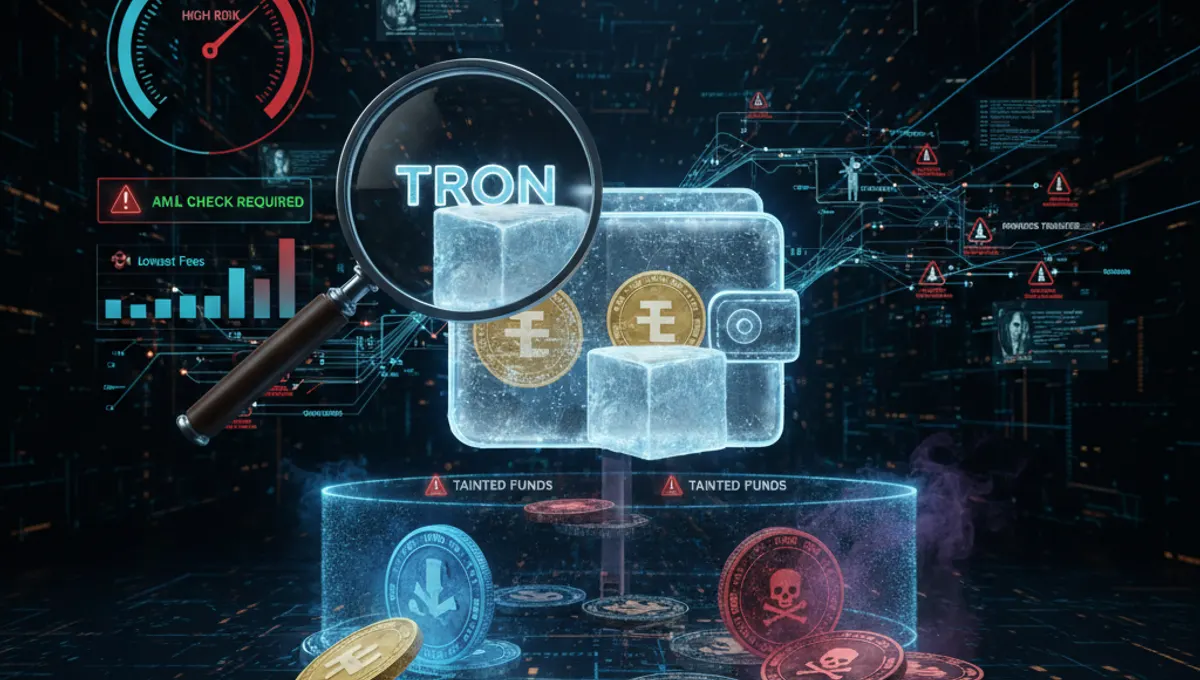
If your wallet address is flagged as containing tainted coins or dirty crypto, several consequences may follow. Exchanges may freeze your account or refuse to process withdrawals until you provide proof of the source of funds. Some platforms automatically delist or restrict trading of flagged addresses. In jurisdictions with strict AML/KYC (Know Your Customer) rules, regulators may investigate the source of the funds. You may be unable to convert the cryptocurrency back to fiat currency (traditional money) without extensive documentation. To avoid this, always screen incoming addresses before accepting large transfers. If you do receive flagged coins, contact the sender to verify the source and request a replacement transfer from a clean address. Our verified AML services list includes tools that can help you assess and document the legitimacy of received funds for compliance purposes.
Crypto Wallet Ranking and Choosing a Safe AML Screening Service
When selecting an AML screening service to check wallets, consider: (1) coverage of blockchain networks (Bitcoin, Tron, Ethereum, etc.), (2) accuracy and frequency of database updates, (3) transparency in methodology and risk scoring, (4) speed of results, (5) cost structure (free tier vs. paid), and (6) compliance with regulatory standards. Different services rank wallets differently based on their data sources and algorithms, so comparing results across multiple tools is wise for high-value transactions. Our site curates a list of verified AML services that meet industry standards for accuracy and compliance. Starting with one of these trusted services is the safest approach before you receive or send significant amounts of USDT TRC20, Bitcoin, or other cryptocurrencies. Free basic checks are available from many providers, though detailed reports and real-time monitoring often require a subscription or per-scan fee.
Frequently asked questions
Can someone remotely scan a credit card in my physical wallet
No. Physical credit cards cannot be scanned remotely from a wallet. RFID-enabled cards have limited range and require proximity. Crypto wallets do not store credit card data at all—only cryptocurrency and private keys. Your payment methods are processed separately by banks or payment processors, never stored in the blockchain.
What information does an AML wallet scan reveal
An AML scan reveals the blockchain history of a wallet address, including transaction patterns, connections to mixers or darknet markets, links to stolen funds, and sanctions exposure. It does not access personal identity, credit card details, or bank accounts. The scan assigns a risk score based on on-chain activity only.
How much do crypto wallet AML checks cost
Costs vary widely. Many services offer free basic checks with limited detail. Detailed reports, real-time monitoring, and bulk screening typically require paid subscriptions or per-scan fees. Our verified AML services list includes options at different price points to fit various compliance needs.
What should I do if I receive crypto from a high-risk wallet address
Contact the sender immediately to verify the source and request a replacement transfer from a clean address. Do not attempt to trade or withdraw the flagged funds until you resolve the issue. Use an AML screening service to document the risk assessment for compliance records and potential regulatory inquiries.
Can my wallet address be flagged if I receive tainted coins
Yes. If you receive cryptocurrency from a high-risk or flagged address, your wallet may inherit that risk score. Exchanges may freeze your account or restrict withdrawals. This is why screening incoming addresses before accepting large transfers is essential for avoiding compliance problems.