What Does a Crypto Wallet App Test Actually Check
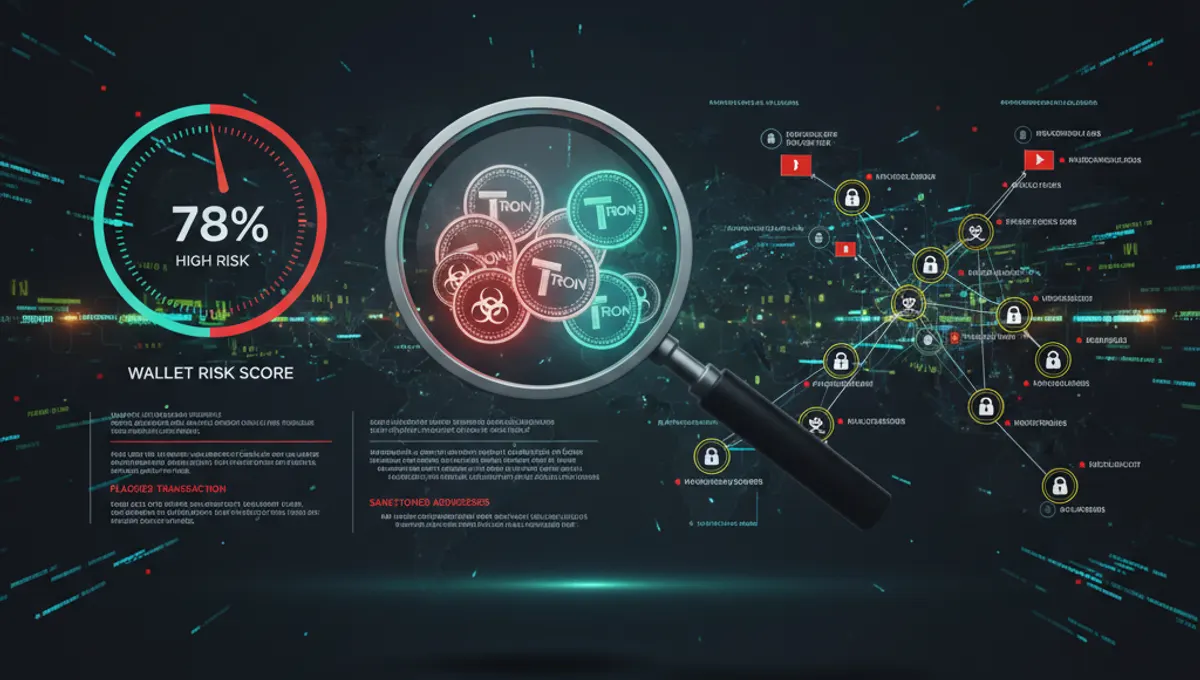
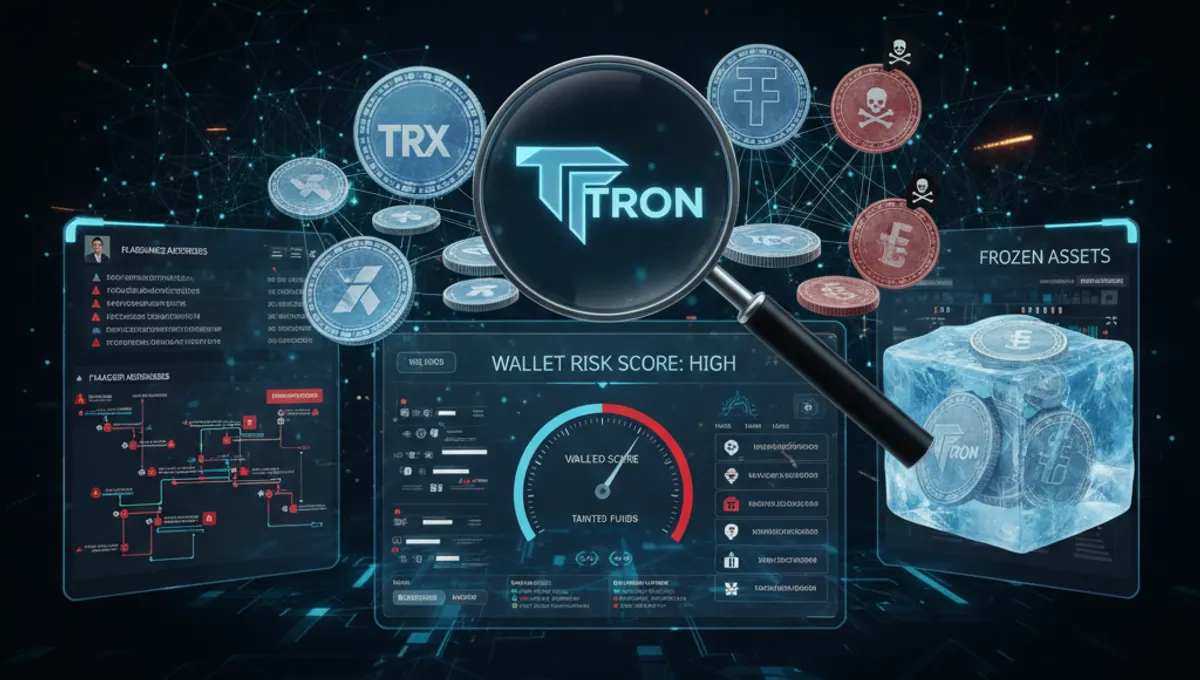
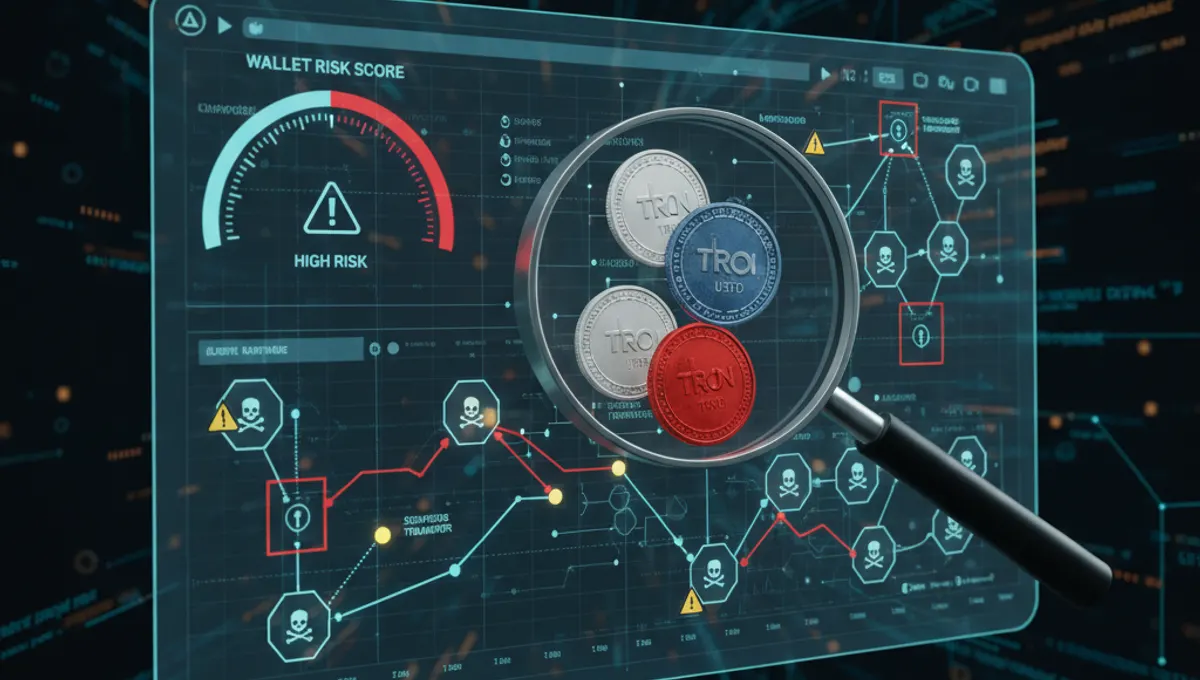
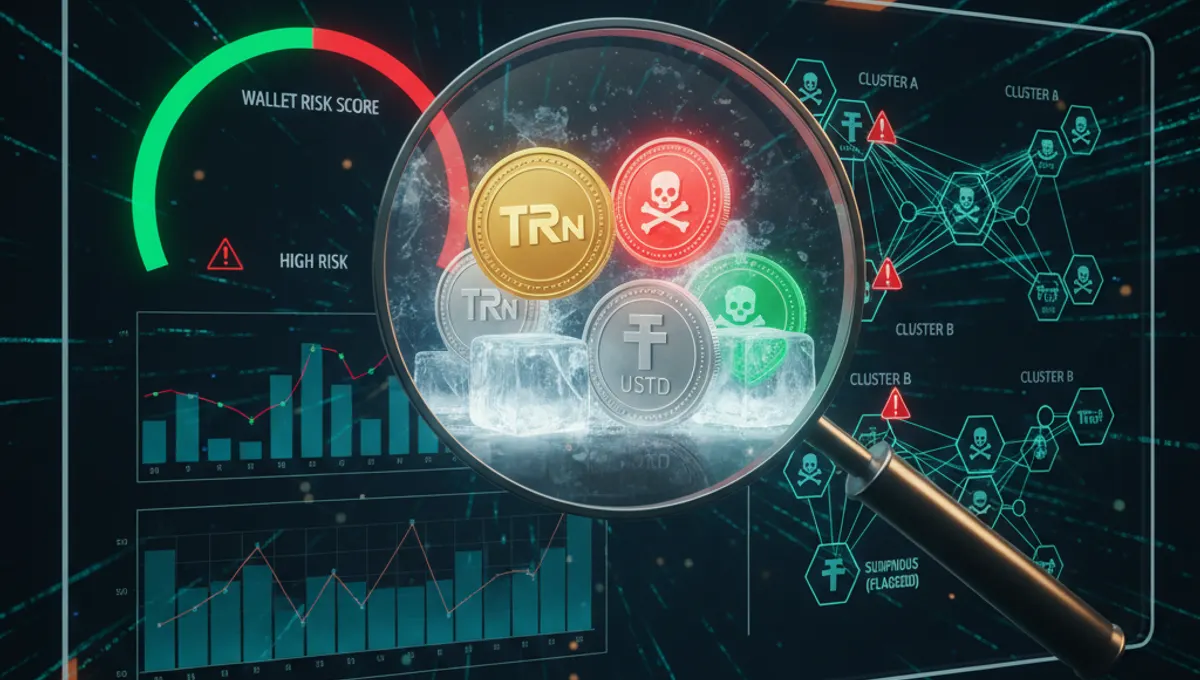
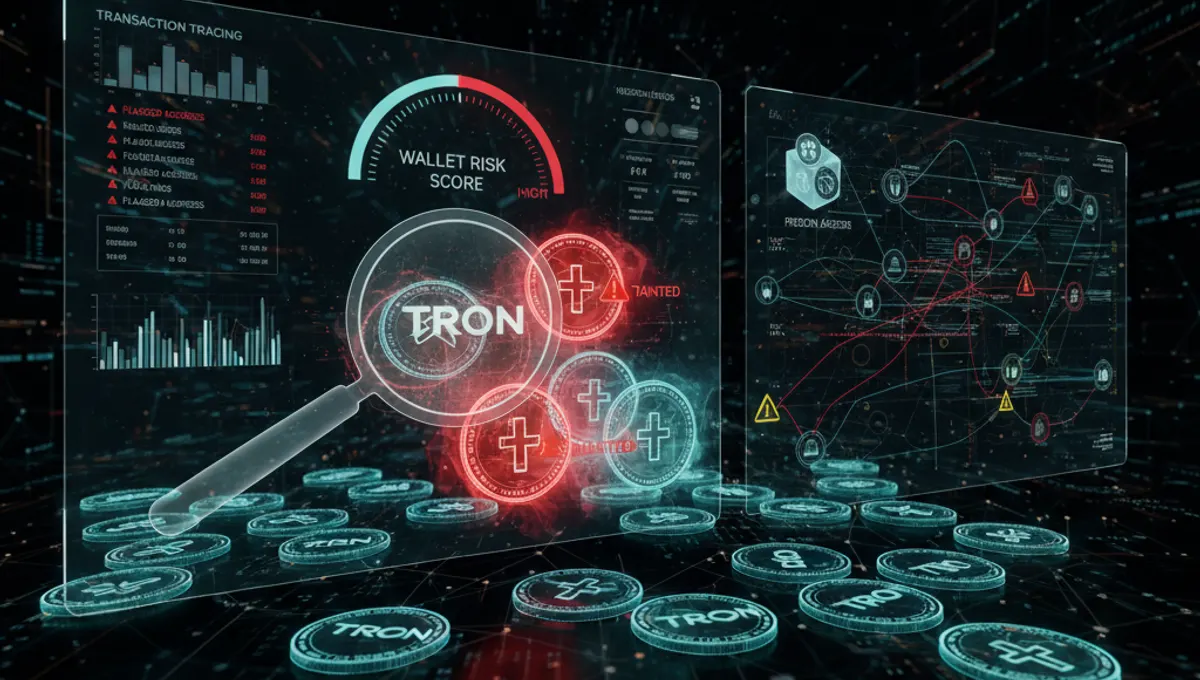
A crypto wallet app test scans a blockchain address (Bitcoin, Tron, Ethereum, USDT TRC20, or other networks) against multiple risk signals. The test looks for: transaction history with known darknet markets, gambling platforms, or scam addresses; links to stolen funds or hacks; presence on sanctions lists (OFAC, EU, UN); involvement with cryptocurrency mixers that obscure transaction trails; and connections to frozen or compromised wallets. The test does not access your private keys or passwords—it only analyzes the public blockchain record. Results come back as a risk score (low, medium, high) and a detailed report showing which transactions or entities triggered flags. This is different from a crypto wallet example or general wallet explanation; it's a compliance audit of a specific address.
How AML Risk Scoring Works for Wallet Apps
An AML risk score is a numerical or categorical rating that reflects how likely a wallet address is to cause compliance problems. Scoring systems typically use these categories: low risk (clean transaction history, no known associations with illicit activity); medium risk (some exposure to high-risk entities or mixing services, but no direct theft or sanctions links); high risk (direct connections to stolen funds, darknet markets, or sanctioned entities). The scoring engine weighs factors like the age of the wallet, transaction frequency, counterparty reputation, and geographic jurisdiction. A wallet that received funds from a mixer or sent to a gambling platform may score medium even if the sender's intent was legitimate. Risk scores help exchanges, custodians, and individual users decide whether to accept a deposit or proceed with a transaction. Checking your own wallet's risk score before sending to an exchange is a practical first step to avoid account freezes.
Step-by-Step: How to Test Your Wallet Address
1. Copy your wallet address (the public key, not your private key). For Tron and USDT TRC20, this is your TRX address; for Bitcoin, it's your BTC address.
2. Visit a trusted AML screening service listed on our verified AML Services page—these tools are designed specifically for wallet testing and comply with blockchain analytics standards.
3. Paste your address into the search field and select the correct blockchain network (Tron, Bitcoin, Ethereum, etc.).
4. Click 'Check' or 'Scan' and wait for the report to generate (usually 10–30 seconds).
5. Review your risk score and the detailed findings. Look for any flagged transactions, counterparties, or risk categories.
6. If your score is low, your wallet is safe to use for exchanges and transfers. If medium or high, investigate the flagged transactions before sending funds to a regulated exchange.
7. Document the report date and score for your records, especially if you're preparing for KYC (Know Your Customer) verification.
What Risk Score Levels Mean for Your Wallet
A low risk score means your wallet has no known associations with theft, sanctions, darknet markets, or mixing services. Exchanges and custodians accept low-risk deposits without delay. A medium risk score indicates some exposure to high-risk activities—for example, your wallet received funds from a mixer, or you sent to a gambling platform—but no direct evidence of crime. Medium-risk wallets may trigger additional scrutiny during exchange KYC, but they are not automatically rejected. A high risk score means your wallet is directly linked to stolen funds, a sanctioned entity, or a darknet marketplace. High-risk wallets will be rejected by regulated exchanges, and deposits may be frozen. If your wallet scores high, do not attempt to deposit to an exchange; instead, investigate the source of the flagged transactions. Understanding these thresholds helps you decide whether to use a wallet or seek an alternative address.
Common Reasons Wallets Fail AML Tests
Wallets fail AML tests for several reasons: receiving funds from a cryptocurrency mixer (a service designed to obscure transaction trails); receiving stolen crypto from a hack or scam; sending to or receiving from a darknet marketplace; holding USDT or other stablecoins that were frozen by an issuer; receiving sanctioned funds (crypto sent by an entity on OFAC or EU sanctions lists); or being associated with a gambling platform. Mixers are a frequent red flag because they are designed to break the link between sender and receiver, which regulators view as a compliance risk even if your use was innocent. Stolen funds carry permanent risk because they remain flagged on the blockchain. Sanctioned exposure is absolute—any transaction with a sanctioned entity triggers a high-risk rating. Gambling platforms are flagged because they operate in gray legal zones in many jurisdictions. Understanding these categories helps you avoid receiving tainted coins and maintain a clean wallet.
How to Avoid Receiving Tainted Crypto
Before accepting a deposit or transfer, ask the sender for their wallet address and run a quick AML test on it. If the sender's wallet scores high or medium, ask why before accepting funds. When receiving USDT TRC20 or other stablecoins, verify that the sender's address is not on a frozen list—frozen USDT cannot be moved and will strand your funds. Use a dedicated wallet for each counterparty when possible, so a single tainted transaction does not compromise your entire address history. Avoid receiving crypto from unknown sources, especially if offered at a discount or through unofficial channels. When withdrawing from an exchange, request a low-risk address from the exchange's withdrawal system rather than a custom address provided by a third party. If you receive unexpected crypto, do not move it immediately; instead, run an AML test first to understand the risk. These practices reduce the likelihood that your wallet will be flagged during compliance checks.
AML Wallet Testing vs. Crypto Wallet Fees and Features
AML wallet testing is separate from choosing a crypto wallet app based on fees or features. A crypto wallet explained in marketing terms focuses on ease of use, security, and transaction speed. Crypto wallet fees vary by platform and network—some wallets charge a percentage of each transaction, while others charge flat rates or nothing. Crypto wallet ranking typically compares user experience, supported coins, and fee structure. However, none of these factors matter if your wallet address is flagged for compliance risk. A wallet with low fees is worthless if an exchange freezes your deposit because the address scored high on an AML test. Before selecting a wallet app, test any address you plan to use for receiving or sending funds. This ensures that your choice of wallet does not create compliance problems downstream. Our AML Services page lists verified screening tools that work with all major wallet apps and blockchain networks.
Frequently asked questions
Can I test my crypto wallet app for free?
Yes. Many AML screening services offer free wallet tests with basic risk scoring. Free tests typically show your risk level and flagged categories but may limit detailed transaction history. Paid services provide deeper analysis and ongoing monitoring. Check our AML Services page for verified free and paid options.
How long does a crypto wallet app test take?
Most AML wallet tests complete in 10–30 seconds. The tool scans your address against blockchain databases and sanctions lists in real time. If the test takes longer than a minute, the service may be experiencing high traffic. Results are usually available immediately after the scan finishes.
What should I do if my wallet scores high on an AML test?
Do not deposit to a regulated exchange. Review the flagged transactions in your report to understand the risk source. If the flag is a mistake or old activity, contact the AML service for clarification. Consider using a different wallet address for future transactions. Do not attempt to hide or move the flagged funds, as this may trigger additional compliance alerts.
Does testing my wallet reveal my private key or balance?
No. AML wallet tests only analyze your public blockchain address and transaction history. They cannot access your private keys, passwords, or current balance. The test is a read-only scan of publicly available blockchain data.
Can I test a wallet that is not mine?
Yes. You can test any public blockchain address, whether you own it or not. This is useful for verifying the safety of a wallet address before sending funds to it, or for checking a counterparty's wallet before accepting a large transfer.