What Is a Hot Wallet vs a Cold Wallet?
A hot wallet is a cryptocurrency storage solution connected to the internet, typically hosted on an exchange, mobile app, or desktop software. It prioritizes convenience: you can send and receive funds instantly, trade on the fly, and access your balance anytime. Examples include MetaMask, Trust Wallet, and exchange-based wallets on Coinbase or Kraken.
A cold wallet is offline storage—usually a hardware device like a Ledger or Trezor, or paper wallet—that keeps your private keys completely disconnected from the internet. Cold wallets sacrifice speed for security: moving funds in or out requires deliberate steps and takes longer. They are ideal for long-term holding and large amounts you do not plan to move frequently.
The trade-off is straightforward: hot wallets are convenient but vulnerable to hacking, phishing, and malware. Cold wallets are secure but inconvenient for active trading or frequent transfers.
Security & Risk Profile: Hot Wallet vs Cold Wallet
Hot wallets face direct internet exposure. Hackers can target the service provider's servers, intercept your login credentials, or deploy malware on your device to steal private keys. Exchange-based hot wallets add counterparty risk: if the exchange is compromised or goes insolvent, your funds may be lost or frozen.
Cold wallets eliminate remote hacking because the private keys never touch the internet. However, they introduce physical risks: loss, theft, or damage to the hardware device, or loss of seed phrases written on paper. For most users, cold wallet risks are easier to manage through backups and secure storage.
From an AML perspective, both wallet types can receive tainted coins. A hot wallet on a regulated exchange may trigger automatic freezes if incoming funds are flagged as stolen or linked to sanctions. A cold wallet will accept any transaction, but moving those coins to an exchange later will likely be blocked. Screening sender addresses before accepting transfers—regardless of wallet type—is the practical defense.
Crypto Wallet Fees: Hot vs Cold Comparison
Hot wallets hosted on exchanges often charge no deposit fees but may charge withdrawal or trading fees. Mobile and desktop hot wallets typically charge no custody fees but may apply network fees (gas on Ethereum, miner fees on Bitcoin) that vary by congestion. Some hot wallets offer fee-free transfers between users on the same platform.
Cold wallets have no ongoing custody or transaction fees. You pay only the blockchain network fee when you move coins in or out. This makes cold wallets cheaper for long-term holders who rarely transact. However, the initial hardware cost (typically 50–150 USD) and potential replacement fees apply.
For frequent traders, hot wallets may be cheaper despite transaction fees because they avoid the friction of moving coins to and from cold storage. For passive holders, cold wallets eliminate recurring fees and reduce the risk of exchange account freezes due to compliance issues.
How to Screen Wallet Addresses Before Receiving Funds
Before accepting a transfer into either a hot or cold wallet, verify the sender's address for AML risk. Follow these steps:
1. Obtain the sender's wallet address and note the blockchain (Bitcoin, Ethereum, Tron, etc.).
2. Use a reputable AML screening service to check the address for tainted coins, sanctions exposure, and darknet links. Our curated list of verified AML services on this site provides trusted tools for Tron, USDT TRC20, and Bitcoin address checks.
3. Review the risk score. Acceptable thresholds vary by exchange and jurisdiction, but scores below 30–40 are generally considered low-risk; scores above 70 warrant caution or rejection.
4. Check the transaction history for red flags: mixer usage, gambling platform links, stolen fund reports, or sanctioned entity involvement.
5. If the risk score is high, ask the sender for clarification or decline the transfer.
This screening applies equally to hot and cold wallets. A cold wallet will not reject tainted coins, but moving them to an exchange later will trigger freezes.
Understanding Crypto Wallet Risk Scores & AML Ranking
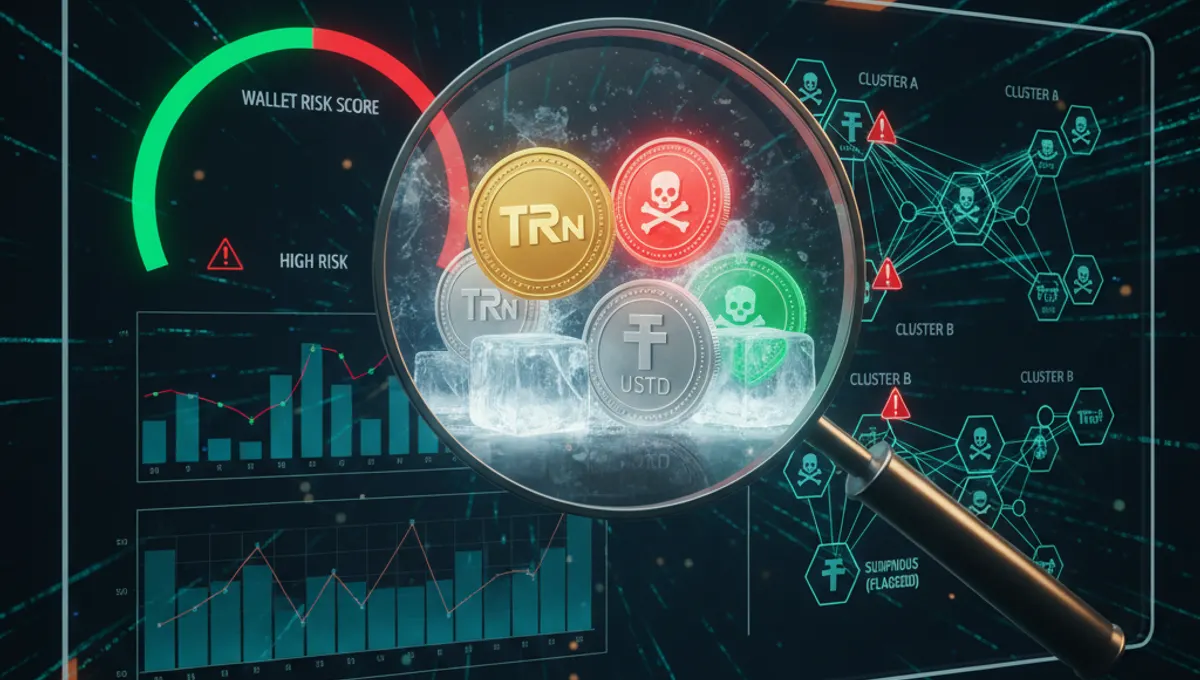
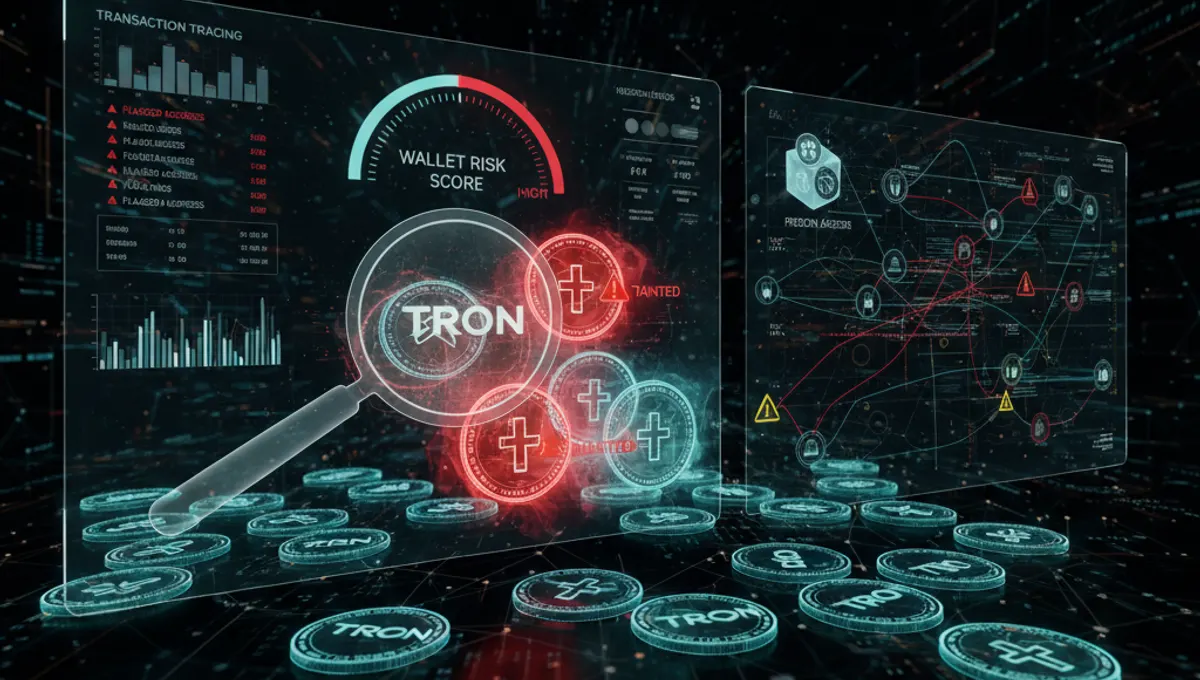
An AML risk score quantifies the likelihood that a wallet or transaction involves illicit activity. Scores typically range from 0–100, where 0 is clean and 100 is high-risk. Factors include:
- Mixer or tumbler usage (obfuscates transaction history)
- Darknet market exposure (Silk Road, AlphaBay, etc.)
- Stolen funds reports (from hacks or scams)
- Sanctioned entity involvement (OFAC lists, regional sanctions)
- Gambling platform links
- Ransomware or extortion proceeds
Exchanges and compliance teams use these scores to decide whether to accept deposits, freeze accounts, or report to authorities. A wallet ranking reflects cumulative risk across all historical transactions. Even a single high-risk transaction can elevate a wallet's score permanently.
For users, understanding your own wallet's risk score matters: if you receive tainted coins, your wallet's score rises, and future deposits to regulated exchanges may be rejected. Screening before accepting transfers is the only preventive measure.
What Happens If Your Wallet Is Flagged as Dirty Crypto?
If your wallet receives flagged coins—whether through negligence or fraud—several consequences follow:
1. Exchange deposit rejection: Most exchanges scan incoming deposits. Tainted coins will be blocked or the entire deposit will be frozen pending review.
2. Account suspension: The exchange may freeze your account while investigating the source of the funds.
3. Permanent wallet blacklisting: Your wallet address may be added to internal or industry-shared blocklists, making future transactions difficult.
4. Regulatory reporting: Exchanges report suspicious activity to financial authorities (FinCEN in the US, FCA in the UK, etc.).
5. Forced coin mixing or loss: Some exchanges may require you to prove the coins' legitimate origin or may permanently seize them.
Recovery is difficult. You cannot "clean" tainted coins by moving them between wallets. The risk score follows the coins, not the wallet. The only remedy is to prove the coins' legitimate source—often impossible if you received them unknowingly. This underscores the importance of screening sender addresses before accepting any transfer.
Choosing Between Hot and Cold Wallets: Practical Guidance
Choose a hot wallet if you trade frequently, need instant access, or hold small amounts. Use a regulated exchange hot wallet (Coinbase, Kraken, Gemini) for added compliance oversight—these platforms screen deposits and reduce your exposure to tainted coins. Accept the trade-off: lower security but built-in AML protection.
Choose a cold wallet if you hold large amounts long-term, want maximum security, or distrust centralized exchanges. Accept the trade-off: slower access and the responsibility to screen incoming transfers yourself before moving coins to an exchange later.
For most users, a hybrid approach works best: keep daily trading amounts in a hot wallet and long-term holdings in cold storage. Regardless of choice, always screen sender addresses through trusted AML services before accepting transfers. Our verified AML services list on this site provides reliable tools for checking Tron, USDT TRC20, and Bitcoin addresses—use them as your first line of defense against tainted coins and compliance risk.
Frequently asked questions
Can I move coins from a hot wallet to a cold wallet without paying fees?
You pay only the blockchain network fee (miner fee or gas), not a custody fee. The fee depends on network congestion and the blockchain used. Moving between your own wallets costs the same as any other transfer. Cold wallets themselves charge no fees; the cost is the initial hardware purchase.
What happens if I receive stolen crypto in my hot wallet?
If you deposit stolen coins to an exchange, the deposit will likely be frozen and your account suspended pending investigation. You cannot move or spend the coins. Recovery depends on proving you received them unknowingly and cooperating with the exchange and authorities. Screening sender addresses before accepting transfers is your only preventive measure.
Is a cold wallet safer than a hot wallet for holding USDT or TRX?
Yes, a cold wallet is safer from hacking and malware. However, both wallet types can receive tainted coins. The difference is that a cold wallet will not automatically reject them, but moving them to an exchange later will trigger freezes. Cold wallets shift security responsibility to you; exchanges provide built-in AML screening.
How do I check if a wallet address has a high AML risk score?
Use a reputable AML screening service to look up the address. Enter the wallet address and blockchain type (Bitcoin, Ethereum, Tron). The service returns a risk score, transaction history, and flags for mixer usage, darknet exposure, or stolen funds. Scores above 70 warrant caution; below 30–40 is generally acceptable.
Can I use a hot wallet on multiple exchanges without risk?
Yes, but each exchange screens deposits independently. If one exchange flags your wallet as high-risk, others may too. If you receive tainted coins through one exchange's hot wallet, moving those coins to another exchange will likely trigger the same freeze. Your wallet's risk score is permanent across the blockchain.