What Is a Crypto Wallet and How Does It Work
A crypto wallet stores your private keys and public addresses. Your public address is like a bank account number—anyone can send funds to it. Your private key is like a password—it proves you own the funds and authorizes transactions. Wallets exist in two forms: custodial (a third party like an exchange holds your keys) and non-custodial (you control your own keys). Non-custodial wallets include hardware wallets (physical devices like Ledger or Trezor), software wallets (apps or desktop programs), and paper wallets (printed keys). Custodial wallets are easier to use but expose you to exchange risk; non-custodial wallets give you full control but require you to manage security yourself. When you send crypto, the transaction is recorded on the blockchain and verified by the network. Each transaction has a unique hash and timestamp, making it permanently traceable.
Types of Crypto Wallets and Common Examples
Crypto wallet examples vary by use case. Hardware wallets like Ledger Nano S and Trezor Model T are offline, making them secure for long-term storage. Mobile wallets like Trust Wallet and MetaMask are convenient for daily transactions and DeFi interactions. Exchange wallets (Coinbase, Kraken, Binance) are custodial and fast for trading but centralized. Paper wallets are printed private keys, suitable only for cold storage. Web wallets run in browsers and are convenient but vulnerable to phishing. Each type has trade-offs: hardware wallets are secure but less convenient; mobile wallets are accessible but require careful key management; exchange wallets are user-friendly but subject to regulatory freezes. For receiving USDT on Tron (TRC20) or Bitcoin, choose a wallet that supports that blockchain and matches your security needs.
Understanding Crypto Wallet Fees
Crypto wallet fees depend on the blockchain and transaction type. Network fees (gas fees on Ethereum, miner fees on Bitcoin, energy fees on Tron) are paid to validators and vary with network congestion. Exchange wallets may charge deposit, withdrawal, or trading fees. Hardware wallet manufacturers charge upfront purchase costs but no ongoing fees. Software and mobile wallets are often free but may charge for premium features. Staking or lending features may have performance fees. Crypto wallet fees are lowest on Tron and other proof-of-stake blockchains, where transaction costs are typically under one cent. Bitcoin fees fluctuate based on mempool demand and can range from a few cents to several dollars per transaction. Ethereum fees are higher during network congestion. When comparing wallets, factor in both transaction costs and security features; the cheapest option is not always the safest.
What Is a Crypto Wallet Number and Address
A crypto wallet number is your public address—a unique string of characters that identifies your wallet on the blockchain. Bitcoin addresses start with 1, 3, or bc1. Ethereum and Tron addresses start with 0x. Each address is derived from your public key using cryptographic hashing. You can share your address freely; it does not expose your private key or funds. A crypto wallet number is not a single number but an alphanumeric code. For example, a Bitcoin address might be 1A1z7agoat7SfNUGA3P5Tn3P4nPLX7P5Lh. A Tron address (TRC20) looks like TR7NHqjeKQxGTCi8q8ZY4pL8otSzgjLj6t. You can have multiple addresses within one wallet, and many wallets generate a new address for each transaction to enhance privacy. Always verify the address before sending funds; sending to the wrong address results in permanent loss.
Why AML Screening and Wallet Risk Scoring Matter
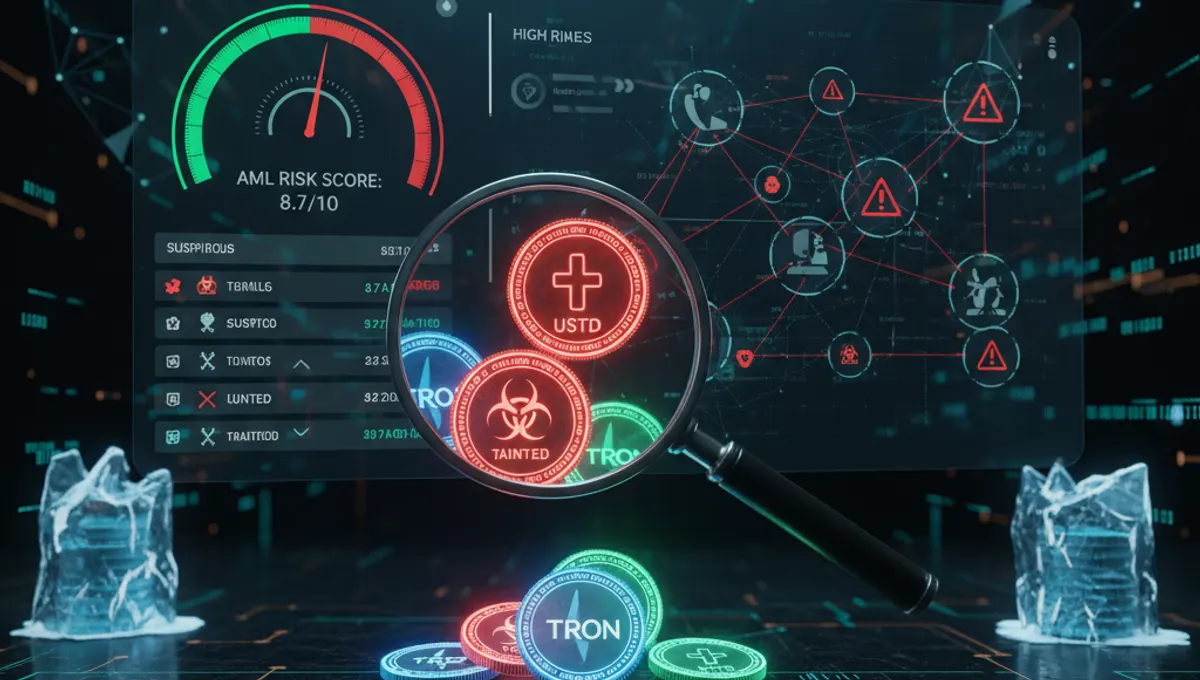
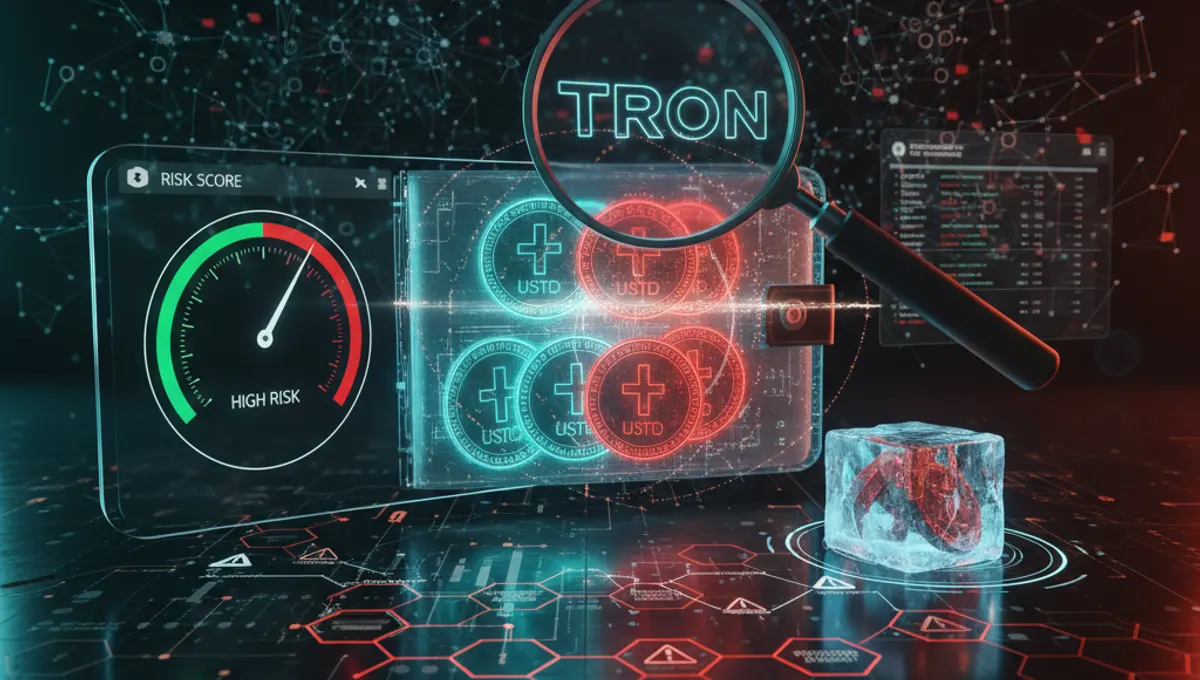
AML (Anti-Money Laundering) screening checks whether a wallet address or incoming funds are associated with illicit activity, sanctions lists, darknet markets, stolen funds, or scams. A crypto wallet risk score is a numerical rating (typically 0–100) that indicates the likelihood an address has been involved in suspicious activity. Risk scores are generated by blockchain analytics firms using transaction history, mixing patterns, and known blacklists. Receiving tainted coins can trigger exchange account freezes, compliance holds, or regulatory investigations. Sanctions screening ensures you do not transact with entities on OFAC or other government blacklists. Before receiving USDT, TRX, or Bitcoin, check the sender's wallet address through an AML screening service. This protects you from unwittingly receiving stolen funds or violating sanctions regulations. Many exchanges now require wallet screening before deposits; failing to screen increases your compliance risk.
How to Check a Wallet Before Receiving Funds
Step-by-step process to screen a crypto wallet: (1) Obtain the sender's wallet address. (2) Visit a trusted AML screening service from the verified list on this site's AML Services page. (3) Enter the address and select the blockchain (Bitcoin, Ethereum, Tron, etc.). (4) Review the risk score and detailed report. (5) Check for red flags: mixer exposure, darknet connections, stolen fund markers, or sanctions hits. (6) Interpret the risk score—typically, 0–20 is low risk, 21–50 is medium risk, 51–100 is high risk. (7) Decide whether to accept the transfer. If the risk score is above your threshold or flags appear, ask the sender for clarification or decline. For USDT on Tron (TRC20), ensure the address is a valid Tron address (starts with T). For Bitcoin, verify the address format. Screening takes seconds and prevents costly compliance issues. Use services listed on our AML Services page for the most accurate and up-to-date screening.
Crypto Wallet Ranking and Choosing a Safe Service
Crypto wallet ranking depends on security, fees, user experience, and compliance features. Hardware wallets rank highest for security but lowest for convenience. Exchange wallets rank high for ease of use but lower for decentralization. Non-custodial software wallets balance security and usability. When choosing a wallet, prioritize: (1) Security—does it support multi-signature, hardware integration, or biometric locks? (2) Compliance—does it screen incoming addresses or flag suspicious activity? (3) Fees—are network and service fees transparent and competitive? (4) Support—is customer service responsive? (5) Reputation—has it been audited or reviewed by security experts? For AML screening of incoming wallets, consult the curated list of verified AML services on this site's AML Services page. These services offer wallet screening, risk scoring, and compliance reporting. Combining a reputable wallet with regular AML screening of counterparties significantly reduces your risk of receiving tainted funds or triggering account freezes.
Frequently asked questions
What is the difference between a custodial and non-custodial crypto wallet?
A custodial wallet is managed by a third party (like an exchange) that holds your private keys. You trade faster but risk exchange hacks or freezes. A non-custodial wallet gives you full control of your private keys, making you responsible for security but immune to exchange failures. Non-custodial is more secure; custodial is more convenient.
How do I know if my crypto wallet address is safe to receive funds from?
Use an AML screening service to check the sender's wallet address before accepting funds. Enter the address, review the risk score, and look for red flags like mixer exposure, darknet connections, or sanctions hits. Risk scores below 20 are typically low-risk. Services on our AML Services page provide detailed reports and compliance documentation.
What happens if I receive tainted or stolen crypto?
Receiving tainted crypto can result in exchange account freezes, compliance holds, or regulatory investigation. Exchanges use blockchain analytics to flag suspicious deposits. You may be unable to withdraw or trade the funds. Screening wallets before receiving transfers prevents this. If you receive flagged funds, contact your exchange's compliance team immediately.
Are crypto wallet fees the same across all blockchains?
No. Bitcoin fees fluctuate based on network demand and can be several dollars per transaction. Ethereum fees are higher during congestion. Tron fees are typically under one cent. Staking or lending features may add percentage-based fees. Always check the current fee structure before sending large amounts.
Can I have multiple addresses in one crypto wallet?
Yes. Most wallets generate multiple addresses, and many create a new address for each transaction to enhance privacy. Each address is derived from your master private key. You can share any address to receive funds, but only your private key can authorize spending. All addresses within one wallet are controlled by you.