What Is a Crypto Wallet Number?
A crypto wallet number, also called a wallet address, is a string of characters that represents a specific location on a blockchain where cryptocurrency is stored. Bitcoin addresses typically start with 1, 3, or bc1 and are 26–35 characters long. Tron (TRX) and USDT TRC20 addresses begin with T and are 34 characters. Ethereum addresses start with 0x and are 42 characters. Each wallet number is derived from the wallet's public key using cryptographic hashing. The address itself is public and can be shared freely, but only the holder of the private key can access or move funds from that wallet. Unlike traditional bank accounts, wallet numbers are pseudonymous—they don't directly reveal the owner's identity, but blockchain analysis can link addresses to individuals, exchanges, and entities over time.
How Wallet Numbers Are Used in AML Screening
AML (Anti-Money Laundering) screening uses wallet numbers to trace transaction history and assess risk. When you receive cryptocurrency, the wallet number of the sender can be checked against known risk indicators: mixers, darknet markets, sanctioned entities, stolen funds, and scam wallets. Blockchain analytics platforms maintain databases of flagged addresses linked to illegal activity, exchange hacks, and regulatory violations. By screening a wallet number before accepting a payment, you reduce exposure to frozen USDT, exchange account bans, and regulatory penalties. AML screening also checks whether funds have passed through high-risk intermediaries. For example, if USDT on Tron (TRC20) originates from a mixer or darknet marketplace, the risk score increases. Compliance teams at exchanges and institutions use wallet number screening as part of Know Your Transaction (KYT) protocols to monitor incoming and outgoing transfers in real time.
Crypto Wallet Example: How to Identify and Check a Wallet Number
A Bitcoin wallet example: 1A1z7agoat7SFkd5KSQsqyQGVhriqrFM34. A Tron/USDT TRC20 wallet example: TQCz8aSwFG6SM6BBQ4gQXcV91qWdoV87Vt. An Ethereum wallet example: 0x742d35Cc6634C0532925a3b844Bc9e7595f42bE. To check a wallet number for AML risk, copy the address and enter it into a screening tool. The tool will return a risk score (typically 0–100 or low/medium/high), transaction history, and flagged indicators. Look for red flags: connections to mixers, darknet marketplaces, sanctioned jurisdictions, stolen fund reports, and gambling platforms. Cross-reference the wallet against public blacklists maintained by blockchain analytics firms and regulatory bodies. If the wallet shows medium or high risk, investigate further before accepting funds. Our AML Services page curates verified screening tools that provide detailed wallet analysis, risk scoring, and compliance reporting for Bitcoin, Tron, and Ethereum addresses.
Understanding Crypto Wallet Ranking and Risk Score Levels
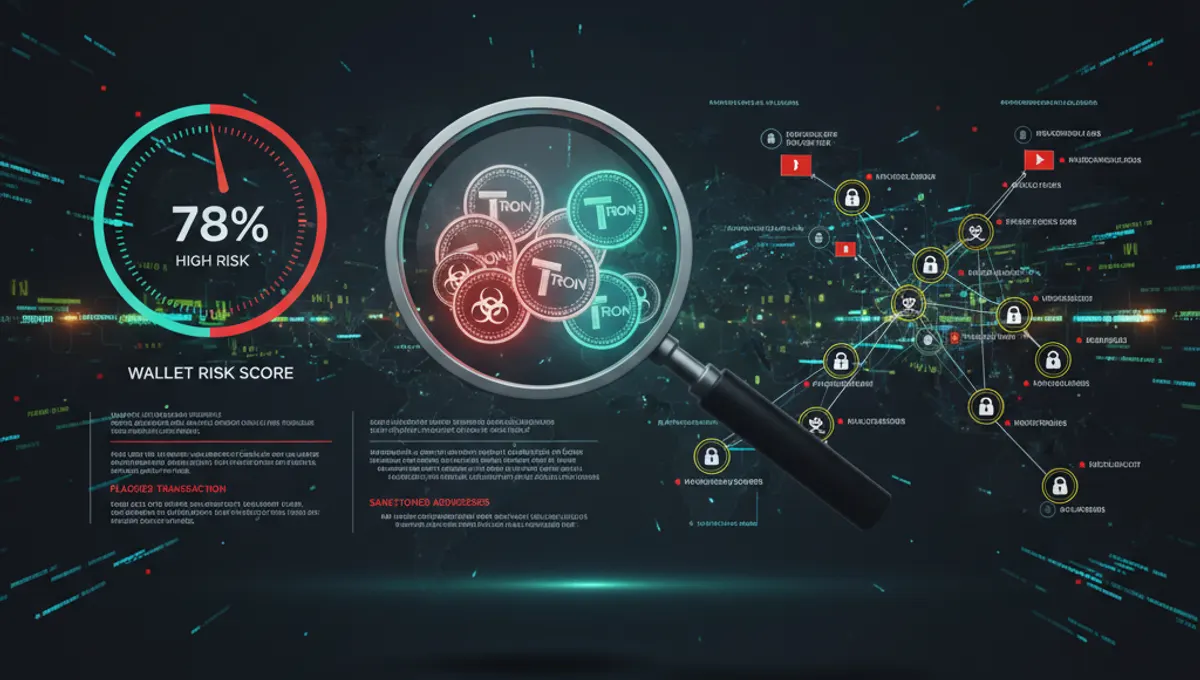
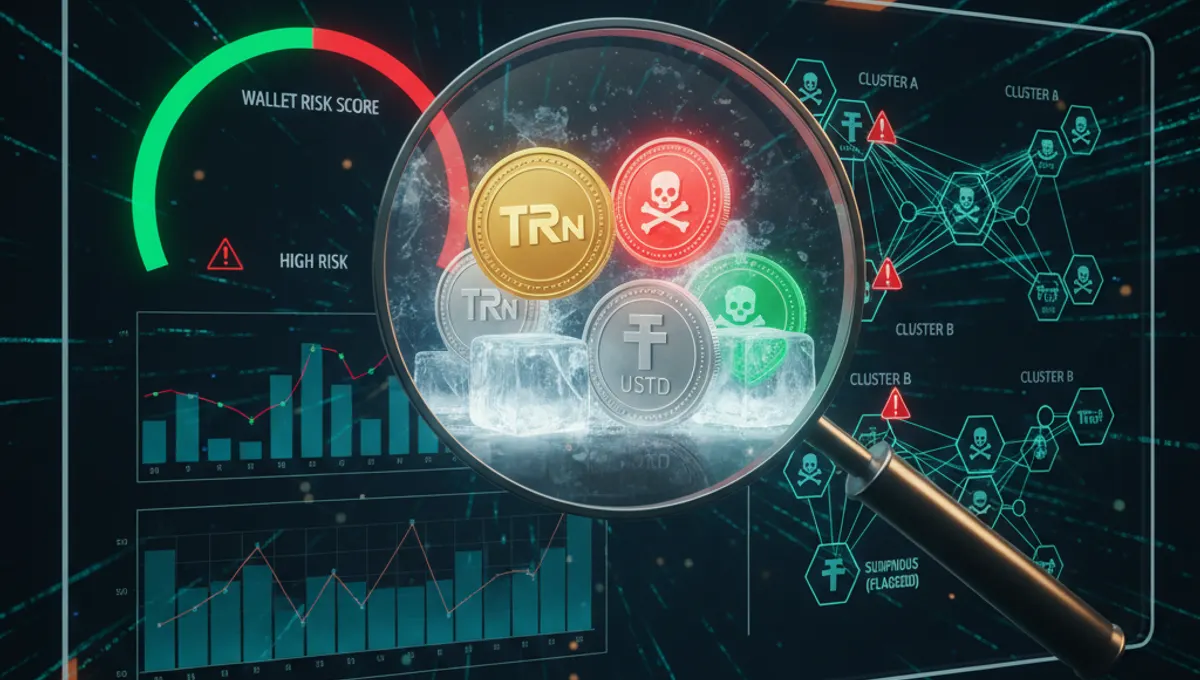
A crypto wallet ranking system assigns risk scores based on transaction patterns and historical associations. Low-risk wallets (score 0–30) typically have clean transaction histories, no mixer exposure, and no links to sanctioned entities or darknet activity. Medium-risk wallets (score 31–70) may have some exposure to high-risk services, unconfirmed theft reports, or connections to gambling platforms. High-risk wallets (score 71–100) show strong indicators of illegal activity, confirmed theft, sanctions violations, or direct mixer involvement. Risk scores are dynamic—a wallet's score can change as new transactions are recorded and analyzed. When evaluating crypto wallet fees and comparing services, consider that premium AML screening tools offer more granular risk scoring, historical tracking, and compliance documentation than free alternatives. Acceptable risk thresholds depend on your use case: exchanges typically reject wallets scoring above 50–70, while peer-to-peer traders may accept higher risk if they understand the implications.
How to Check a Wallet Number Before Receiving USDT or TRX
Before accepting a cryptocurrency payment, follow these steps: (1) Request the sender's wallet number and verify it matches the payment instruction. (2) Copy the wallet address into an AML screening tool. (3) Review the risk score, transaction history, and any flagged indicators. (4) Check for mixer exposure, darknet connections, and sanctioned entity links. (5) If risk is low to medium and acceptable for your threshold, proceed. (6) If risk is high, request an alternative payment method or ask the sender to clarify the wallet's history. (7) Document the screening result for compliance records. For USDT TRC20 on Tron, ensure the wallet number begins with T and verify it on a Tron block explorer. For Bitcoin, cross-check the address format and recent transaction volume. Avoid wallets with no transaction history if you cannot verify the sender's identity. Our curated AML Services page lists tools that specialize in Tron address screening, USDT TRC20 risk assessment, and Bitcoin wallet analysis—these are trusted starting points for compliance-grade checking.
What Happens When a Wallet Number Is Flagged as Dirty Crypto
If a wallet number is flagged as containing tainted coins or dirty crypto, several consequences may follow. Exchanges may freeze the account or reject deposits from that wallet. Regulatory authorities may investigate the transaction chain. Your own account could be suspended pending AML review if you receive flagged funds. Stolen funds, ransomware proceeds, and sanctions-linked assets are the most serious categories. If you discover your wallet number has been flagged, contact the exchange or platform immediately and provide documentation of the legitimate source of funds. Cooperate with any compliance investigation. In some jurisdictions, receiving stolen cryptocurrency knowingly is a criminal offense, even if you did not steal it yourself. Proactively screening wallet numbers before transactions is the most effective way to avoid this situation. Use the verified AML screening services listed on our AML Services page to check counterparty wallets and maintain a clean transaction record.
Crypto Wallet Fees and Screening Service Comparison
Crypto wallet fees vary by blockchain and service provider. Bitcoin network fees depend on congestion and are paid to miners. Tron (TRX) transactions are typically free or very low cost. Ethereum gas fees fluctuate based on network demand. When comparing AML screening services, consider cost structure: some offer free basic checks with limited data, while others charge per query or subscription fees for enterprise compliance. Free tools usually provide a risk score and basic transaction history. Paid services include detailed sanctions screening, mixer detection, darknet exposure analysis, and compliance reporting. For businesses handling USDT TRC20 or Bitcoin regularly, a subscription to a comprehensive AML service is more cost-effective than per-query pricing. Our AML Services page compares verified providers by feature set, pricing, and accuracy—use it as a starting point to find the screening solution that fits your compliance needs and budget.
Frequently asked questions
What is a crypto wallet number and how is it different from a private key?
A crypto wallet number (address) is a public identifier that anyone can see and use to send you funds. A private key is secret and grants access to move funds from the wallet. Never share your private key; only share your wallet number. The wallet number is derived from the private key using cryptography, but the private key cannot be reverse-engineered from the address.
Can I trace a crypto wallet number to find out who owns it?
Wallet numbers are pseudonymous, not anonymous. Blockchain analysis can link addresses to individuals, exchanges, and entities by examining transaction patterns and on-chain data. However, without additional information (like exchange KYC records), the true owner may remain unknown. Law enforcement and compliance teams use advanced analytics to trace wallet ownership when needed.
What does a high-risk crypto wallet number mean for me?
A high-risk wallet number indicates potential exposure to stolen funds, sanctions violations, mixers, or darknet activity. Receiving funds from a high-risk wallet may trigger exchange freezes, regulatory scrutiny, or account suspension. Before accepting payment from a flagged wallet, verify the sender's legitimacy and consider rejecting the transaction if you cannot confirm a clean source.
How often should I screen a crypto wallet number for AML compliance?
Screen wallet numbers before every significant transaction. For businesses, implement continuous transaction monitoring to flag high-risk activity in real time. One-time screening is insufficient because wallet risk can change as new transactions are recorded. Use the verified AML services on our AML Services page for ongoing compliance.
Are there free tools to check a crypto wallet number for AML risk?
Yes, some blockchain explorers and AML platforms offer free basic screening with limited data. Free tools typically show transaction history and basic risk indicators but lack detailed sanctions screening and mixer detection. For compliance-grade analysis, paid services are more reliable. Check our AML Services page for a curated list of both free and premium screening options.