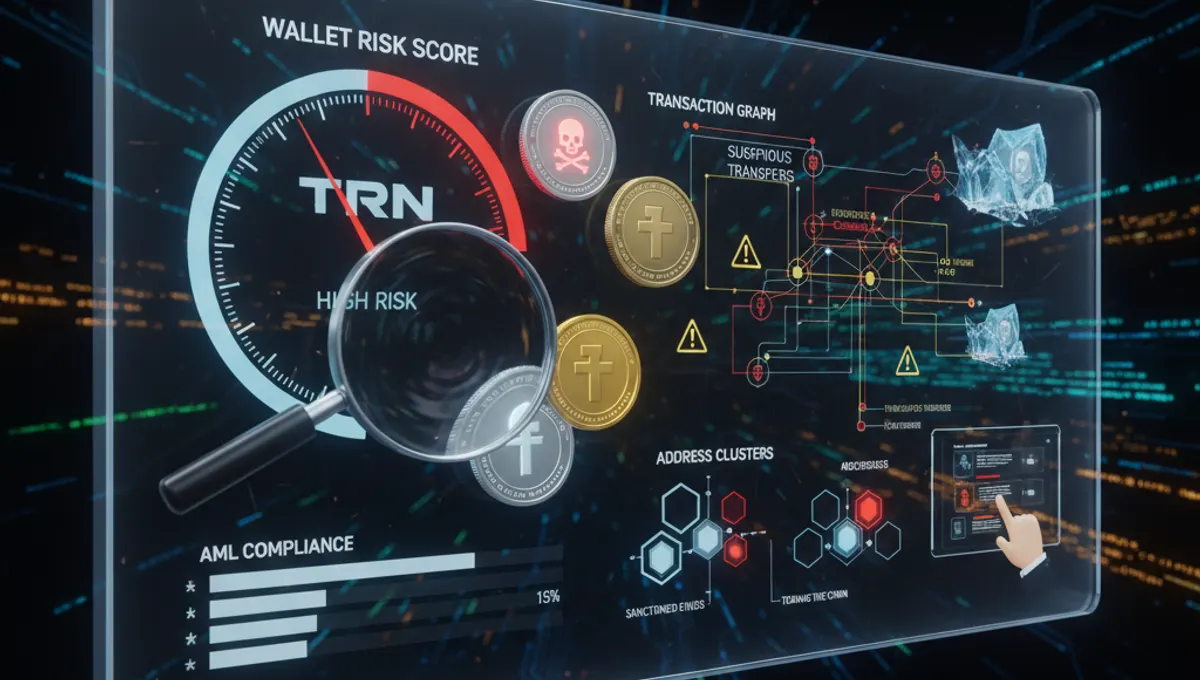
What Is a Safe Crypto Wallet and Why AML Matters
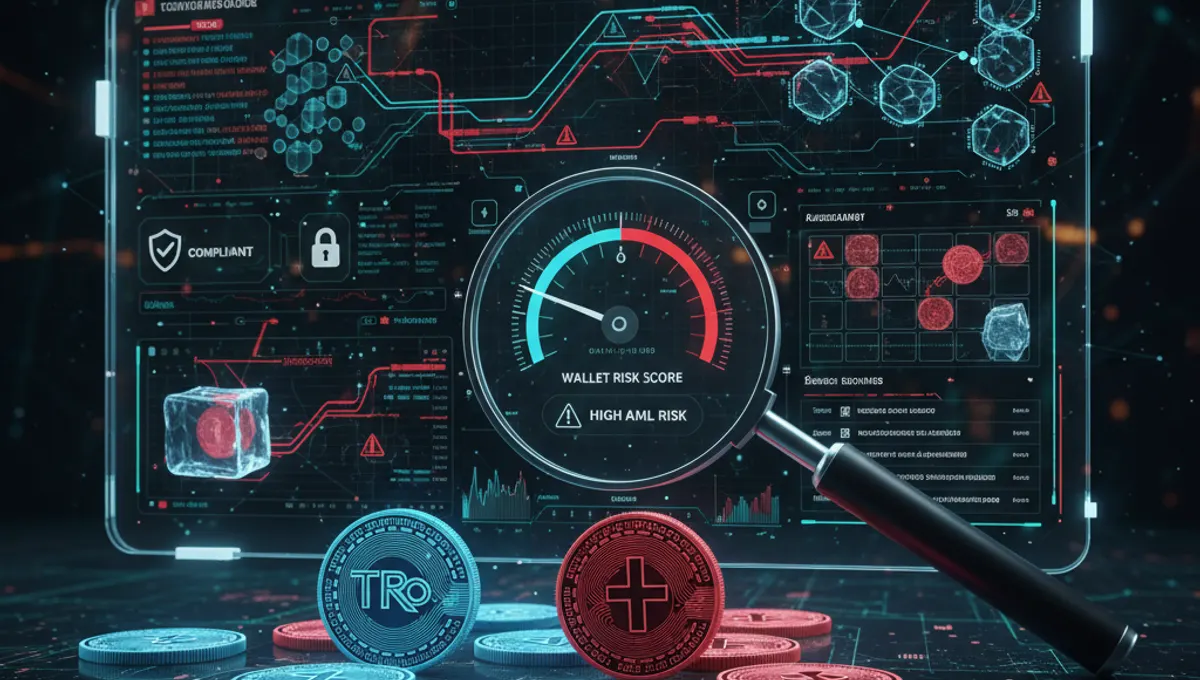
A safe crypto wallet protects both your private keys and your compliance standing. Technical security—encryption, key management, backup procedures—prevents theft. But AML compliance prevents a different risk: receiving frozen or tainted USDT, TRX, or Bitcoin that exchanges will reject or that could trigger account bans. When you receive crypto from an unknown source, that coin may carry a risk score tied to its transaction history. If it moved through a mixer, darknet market, or sanctioned entity, your exchange account could be frozen even if you didn't knowingly participate in illegal activity. A safe wallet lets you screen incoming addresses before accepting funds, check whether a wallet is legit by reviewing its AML risk profile, and understand what red flags in AML mean for your holdings.
What Is AML Crypto and How Does Risk Scoring Work
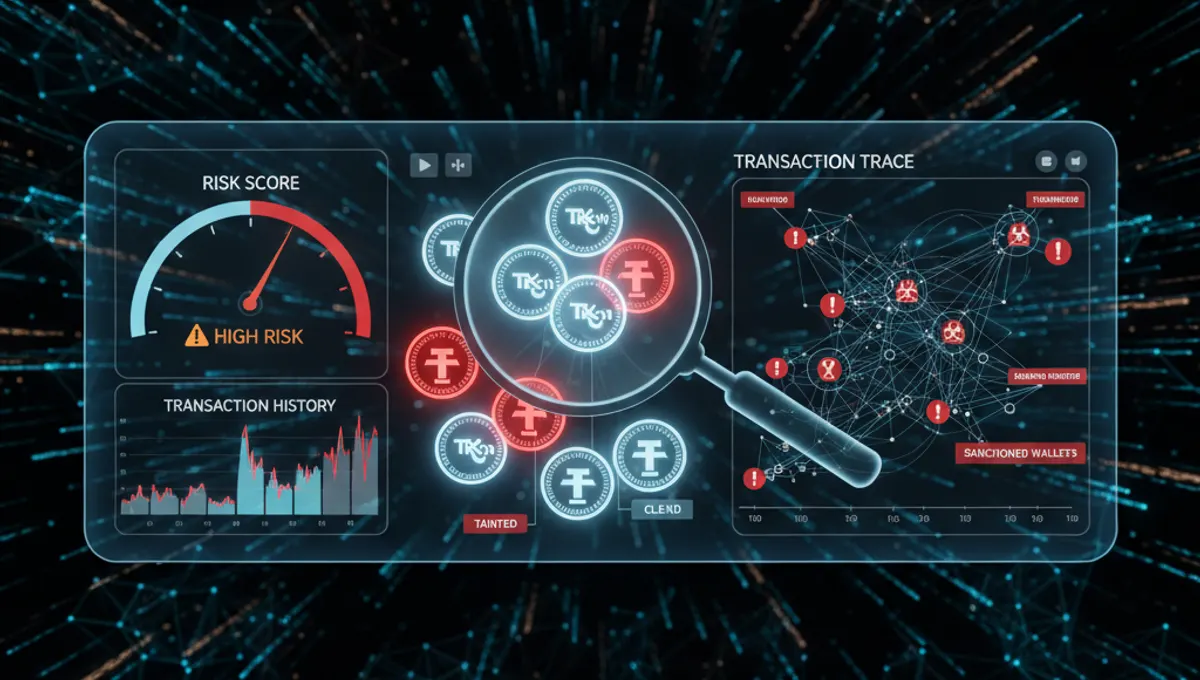
AML crypto refers to anti-money laundering compliance applied to blockchain transactions. Every wallet address and transaction can be assigned a risk score based on its history. Risk scoring examines whether an address has interacted with known mixers, gambling platforms, darknet markets, stolen-fund sources, or sanctioned entities. A low risk score means the address has a clean transaction history. A high risk score signals that coins may be tainted or frozen. Blockchain analytics firms track these patterns and share data with exchanges. When you deposit USDT TRC20 or Bitcoin into an exchange, the platform runs an AML check against your wallet address. If the risk score is too high, the exchange may freeze your account pending investigation or reject the deposit entirely. Understanding your wallet's risk score before moving funds helps you avoid compliance surprises.
How to Check if a Crypto Wallet Is Legit Before Receiving Funds
Before you accept a large transfer of USDT, TRX, or Bitcoin, verify the sender's wallet address for AML compliance. Follow these steps: First, obtain the full wallet address from the sender and confirm it matches their stated identity or business. Second, use a trusted AML screening service to run a risk assessment on that address. Third, review the risk score and any flagged categories—look for red flags in AML such as mixer activity, darknet exposure, or sanctions hits. Fourth, check the transaction history to see if the address has moved funds through high-risk platforms. If the risk score is low and no major red flags appear, the wallet is likely legit and safe to receive from. If the score is high or red flags are present, ask the sender to clarify the transaction history or decline the transfer. The safest approach is to use verified AML services listed on trusted compliance platforms before accepting any large deposit.
What Are Red Flags in AML Screening and How to Interpret Them
Red flags in AML screening indicate that a wallet or transaction carries elevated compliance risk. Common red flags include: interaction with known mixers or tumblers that obscure transaction origins; deposits from or transfers to darknet marketplace addresses; movement through gambling or high-risk exchange platforms; association with sanctioned entities or countries under international restrictions; and sudden large transfers from wallets with no prior history. A single red flag doesn't automatically mean funds are stolen, but it signals that the address warrants closer inspection. If you receive USDT or TRX from an address with mixer exposure, for example, your exchange may flag the deposit and request documentation of the source. Understanding these red flags helps you decide whether to accept a transfer or request clarification from the sender. Most exchanges maintain internal lists of high-risk patterns and will freeze accounts if deposits exceed their risk tolerance.
Comparing Wallet Types: Cold Storage, Hot Wallets, and AML Integration
Different wallet types offer varying levels of security and compliance features. Cold wallets (hardware wallets, paper wallets) store private keys offline and protect against hacking but typically lack built-in AML screening. Hot wallets (mobile apps, web-based wallets) offer convenience and sometimes integrate AML checks, but they remain connected to the internet and carry higher hacking risk. Custodial wallets (exchange wallets) provide AML compliance by default because exchanges run screening on all deposits and withdrawals, but you don't control private keys. Non-custodial wallets give you full control but require you to manually verify incoming addresses using external AML tools. The safest approach combines a cold wallet for long-term storage with access to AML screening before moving funds. If you regularly receive USDT TRC20 or other tokens, a non-custodial wallet paired with a trusted AML service offers both security and compliance visibility. Check the AML services directory on this site for verified screening tools that integrate with your wallet type.
Step-by-Step: How to Screen a Tron Address or USDT Wallet Before Accepting Funds
To check whether an incoming Tron address or USDT wallet is safe: First, ask the sender for their full wallet address and confirm it matches their identity. Second, copy the address into a trusted AML screening platform. Third, run a risk assessment and wait for results. Fourth, review the risk score (typically rated as low, medium, or high) and any flagged categories. Fifth, examine the transaction history for patterns—look for mixer interactions, darknet links, or sanctioned entity exposure. Sixth, if the risk score is acceptable and no major red flags appear, proceed with the transfer. Seventh, after receiving funds, monitor your exchange account for any compliance holds or freezes. If your exchange flags the deposit, contact support and provide documentation of the source. The entire screening process takes minutes and can prevent account freezes or rejected deposits. Use only verified AML services; many free tools provide limited data or outdated risk assessments. Refer to the curated list of trusted AML screening services on this site to find platforms that offer comprehensive Tron address checks and USDT wallet screening.
What Happens When Exchanges Freeze Accounts Due to Tainted Coins
When an exchange detects that you've deposited USDT or other tokens flagged as tainted or high-risk, it may freeze your account pending investigation. Frozen accounts cannot withdraw funds, trade, or access balances for days or weeks. The exchange will request documentation: proof of the source of funds, identity verification, and sometimes a written explanation of the transaction. If you can demonstrate that you received the coins unknowingly or that the risk assessment was a false positive, the exchange may unfreeze your account. However, if the coins are linked to theft, sanctions violations, or darknet activity, the exchange may permanently close your account and forfeit your balance. Freezes are costly in terms of time, access, and reputation. Screening addresses before accepting transfers prevents this scenario entirely. By checking a wallet's AML risk score and red flags before receiving funds, you avoid deposits that could trigger compliance holds. This is why understanding what is a safe crypto wallet and using AML screening tools is essential for anyone handling USDT, TRX, Bitcoin, or other major tokens.
Frequently asked questions
How do I know if my crypto wallet is legit and safe to use?
A legit wallet has transparent security practices, clear privacy policies, and a clean transaction history. Check whether the wallet provider publishes security audits or is regulated in major jurisdictions. Before accepting funds, run an AML screening on the sender's address to verify it has no mixer exposure, darknet links, or sanctions flags. If the wallet is custodial (exchange-based), the platform handles compliance. If non-custodial, verify incoming addresses manually using trusted AML services.
What is AML crypto and why should I care about my wallet's risk score?
AML crypto means anti-money laundering compliance applied to blockchain. Your wallet's risk score reflects whether its transaction history includes high-risk activity like mixer use, darknet exposure, or sanctions violations. Exchanges check risk scores when you deposit funds. A high score can trigger account freezes or deposit rejections, even if you didn't knowingly receive tainted coins. Monitoring your risk score prevents compliance surprises and account bans.
What is a red flag in AML screening and how do I avoid receiving flagged coins?
Red flags include mixer interactions, darknet marketplace links, gambling platform exposure, and sanctioned entity associations. To avoid flagged coins, always screen the sender's wallet address before accepting large transfers. Use a trusted AML service to check for these patterns. If red flags appear, ask the sender to clarify the transaction history or decline the transfer. This proactive screening prevents you from receiving tainted USDT or TRX that could freeze your exchange account.
Can I check a Tron address or USDT wallet for AML compliance before receiving funds?
Yes. Copy the Tron address or USDT wallet address into a trusted AML screening platform, run a risk assessment, and review the results within minutes. The report will show the risk score, flagged categories (mixer, darknet, sanctions), and transaction history. Use verified AML services listed on compliance directories for the most accurate and up-to-date screening. This step takes minimal time and prevents costly account freezes.
What happens if I receive tainted crypto and my exchange freezes my account?
Frozen accounts cannot withdraw, trade, or access funds while the exchange investigates. You'll need to provide proof of the source of funds and identity verification. If the coins are linked to theft or sanctions, the freeze may become permanent and your balance forfeited. Screening addresses before accepting transfers avoids this entirely. Always verify incoming wallets using AML tools before deposits.