What Is AML Crypto and Why It Matters
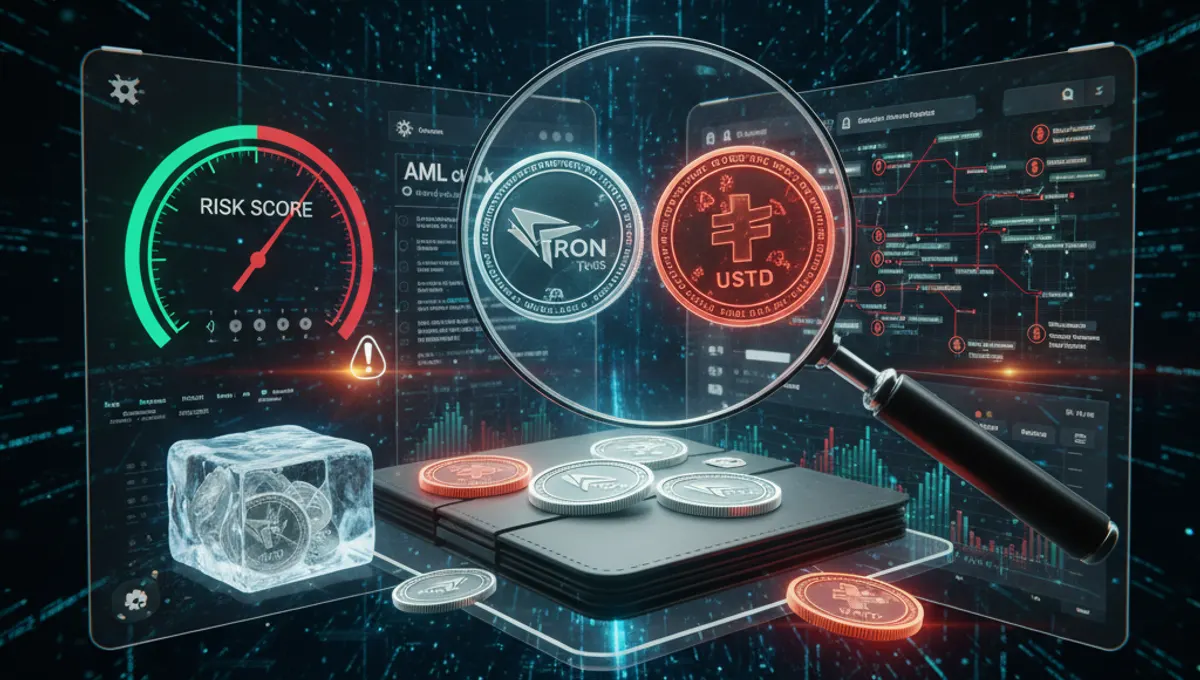
AML crypto combines blockchain analysis with traditional anti-money laundering principles to flag high-risk cryptocurrency addresses. When you receive USDT, Tron, Bitcoin, or other assets, the funds carry a transaction history embedded in the blockchain. AML screening tools trace this history backward to identify whether coins passed through mixers, darknet markets, ransomware wallets, or sanctioned entities. Exchanges and custodians use AML checks to comply with financial regulations and avoid processing stolen or tainted funds. A single transaction with flagged coins can trigger account freezes, delayed withdrawals, or permanent bans. This is why checking a wallet's AML status before accepting large transfers has become standard practice for businesses and serious traders.
How AML Risk Scoring Works for Crypto Wallets
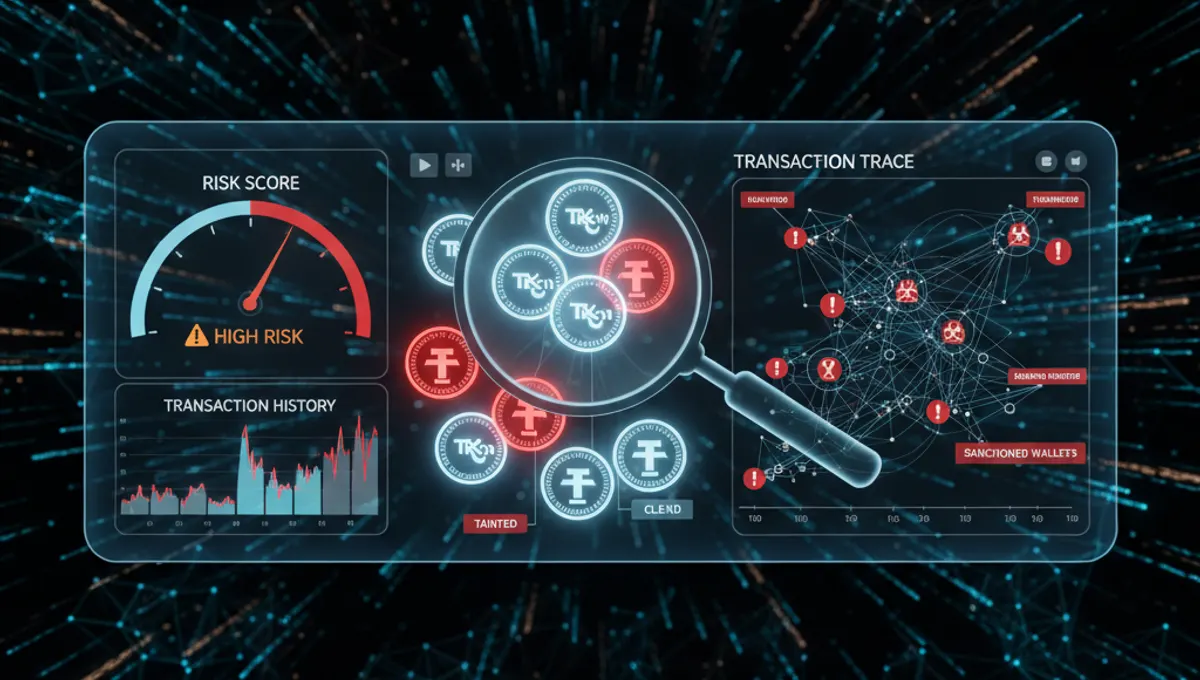
An AML risk score quantifies the likelihood that a wallet or transaction involves illicit activity. Scoring systems typically range from 0 to 100 or use categorical labels like low, medium, high, and critical. The score is calculated by analyzing multiple factors: the age of the wallet, transaction patterns, whether funds have touched known high-risk addresses, mixing activity, and connections to darknet markets or sanctioned entities. For example, a wallet that received coins directly from a known theft address will score higher than one with a clean, organic transaction history. Risk scores also consider velocity—rapid movement of large sums between exchanges and mixers raises suspicion. Most exchanges flag wallets scoring above 50 or 75 as requiring additional review. Understanding what a safe crypto wallet looks like means recognizing low-risk indicators: stable holding periods, direct peer-to-peer transfers, and no exposure to known illicit sources.
Red Flags in AML Crypto Screening
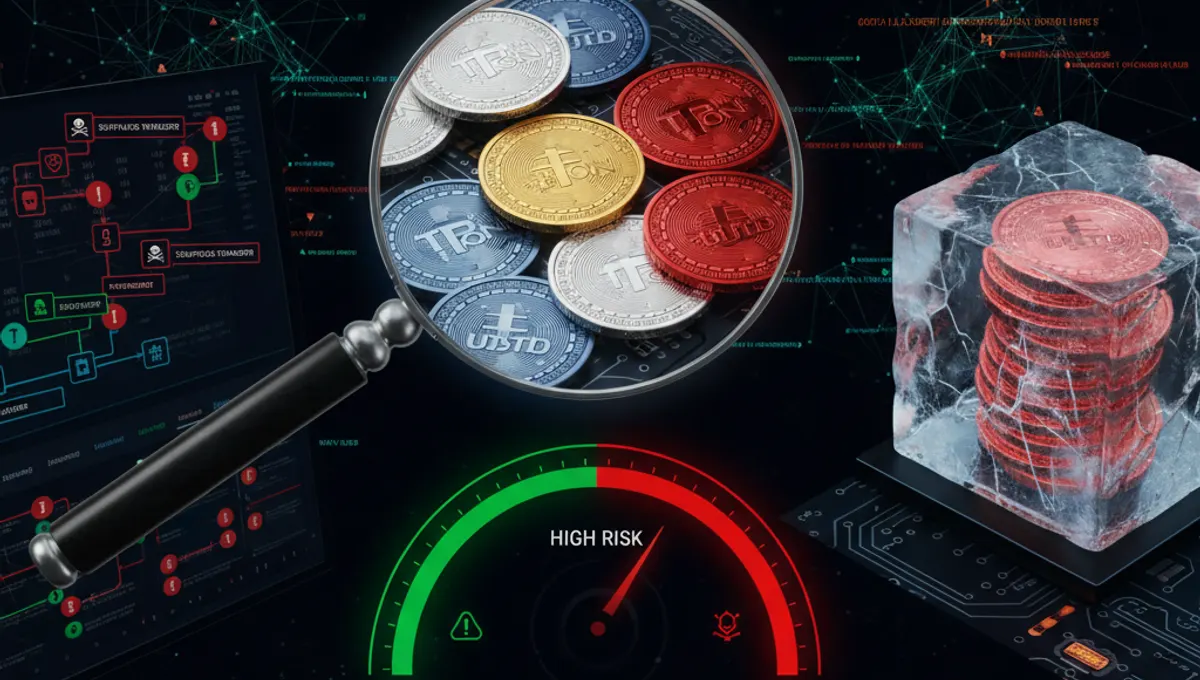
Certain transaction patterns and wallet behaviors trigger red flags during AML checks. Common warning signs include: funds originating from known theft or ransomware addresses, recent activity on darknet marketplaces, use of privacy mixers or tumblers, rapid consolidation of small amounts into large transfers, and connections to sanctioned jurisdictions or entities. Gambling platforms and unregulated exchanges are also flagged as higher-risk sources. A wallet that received coins from a mixer and then immediately moved them to an exchange will score higher than one with a direct, traceable path. Stolen funds detection relies on identifying wallets that received outputs from confirmed theft incidents—these are permanently marked as tainted. If you receive coins and later discover they're flagged, you face the risk of exchange account restrictions or frozen USDT. This is why checking a wallet's AML status before accepting transfers is a practical safeguard.
How to Check a Tron Address and USDT TRC20 Wallet
Checking a Tron address or USDT TRC20 wallet for AML risk involves querying blockchain analytics services. Start by copying the wallet address (it begins with T for Tron mainnet). Use a trusted AML screening service—our curated list of verified AML services provides access to tools that analyze Tron addresses against sanctions lists, theft databases, and darknet exposure. Enter the address and review the risk score, flagged transaction history, and any sanctions matches. For USDT on Tron (TRC20), the process is identical since both use the same blockchain. The report will show if the address has received coins from known illicit sources, mixed funds, or touched sanctioned entities. A low-risk score (typically under 25) indicates the wallet is safe to receive from. If the score is medium or high, investigate further: check the transaction breakdown to see which specific transfers raised concerns. Many services also provide a transaction monitoring feature, allowing you to track ongoing activity for compliance purposes.
What Is a Safe Crypto Wallet and Acceptable Risk Thresholds
A safe crypto wallet demonstrates clean transaction history, stable holding patterns, and no exposure to known illicit sources. The safest crypto wallets typically score below 20 on a 0–100 risk scale and show direct, verifiable sources of funds. Acceptable risk thresholds vary by use case: personal traders may tolerate scores up to 30, while regulated exchanges typically reject anything above 50. For businesses handling customer deposits, zero-tolerance policies are common—any flagged coins are rejected outright. When evaluating wallet safety, consider the source: coins from peer-to-peer transfers between known parties are lower-risk than coins from anonymous exchange withdrawals. Avoid wallets that show rapid mixing activity, frequent consolidation of small amounts, or any connection to darknet markets. If you're receiving a large transfer, request the sender's wallet address and run an AML check before accepting. This simple step prevents you from inheriting tainted coins and protects your exchange account from freezes.
What Happens When Crypto Coins Are Flagged as Dirty
When coins are flagged as tainted or dirty, exchanges and custodians impose restrictions. The most common outcome is a frozen USDT or Bitcoin balance—you can see the funds in your account but cannot withdraw or trade them. Some exchanges implement a temporary hold pending manual review; others permanently ban the account if the flagged amount exceeds a threshold. Exchanges freeze funds to comply with financial regulations and avoid processing proceeds of crime. If your coins are flagged, you have limited recourse: you can contact the exchange's compliance team with proof of legitimate acquisition (e.g., a receipt from a known seller), but reversal is rare unless the flag was a false positive. In some jurisdictions, receiving stolen funds unknowingly may not trigger legal liability, but the practical consequence—account restrictions—remains. To avoid this scenario, always check a wallet's AML status before accepting transfers. If you discover you've received flagged coins, report the incident to your exchange immediately and do not attempt to move the funds, as this may worsen your compliance standing.
Choosing a Trusted AML Check Service
Multiple AML screening services exist, each with different coverage, speed, and pricing models. When selecting a tool, verify that it covers the blockchains you use (Bitcoin, Ethereum, Tron, etc.), maintains up-to-date sanctions lists, and provides detailed risk reports. Our site curates a list of verified AML services that meet these standards—starting there ensures you're using tools with proven accuracy and compliance credibility. Key features to compare include: real-time risk scoring, transaction history breakdown, sanctions matching against OFAC and other regulatory lists, and API access for automated screening. Some services offer free basic checks with limited detail; others charge per query or require subscription for high-volume screening. For occasional wallet checks, free or pay-per-query options suffice. For businesses processing multiple deposits daily, subscription-based services with API integration are more practical. Regardless of which service you choose, the process is straightforward: enter the wallet address, review the risk score and flagged transactions, and make an informed decision about whether to accept the transfer. Combining multiple AML checks for high-value transfers adds an extra layer of confidence.
Frequently asked questions
What is a red flag in AML crypto screening?
Red flags include funds from known theft addresses, darknet marketplace activity, use of mixers, rapid consolidation of small amounts, and connections to sanctioned entities. Gambling platforms and unregulated exchanges also raise suspicion. Any wallet showing these patterns will score higher on AML risk assessments and may trigger exchange account freezes.
What is the safest crypto wallet to receive funds into?
The safest crypto wallet has a low AML risk score (below 20), clean transaction history, and no exposure to illicit sources. Wallets funded through direct peer-to-peer transfers from known parties are safer than those receiving from anonymous exchanges. Always check the sender's wallet address before accepting large transfers to verify it's not flagged.
What is a Tron address and how do I check it for AML risk?
A Tron address is a wallet on the Tron blockchain, starting with the letter T. To check it for AML risk, copy the address and enter it into a trusted AML screening service. The tool will return a risk score, flagged transaction history, and any sanctions matches. Low scores (under 25) indicate the address is safe to receive from.
What happens if I receive tainted crypto coins?
If you receive flagged coins, exchanges may freeze your account or balance pending review. You cannot withdraw or trade the funds. Reversal is rare unless you can prove legitimate acquisition. To avoid this, always run an AML check on incoming transfers before accepting them, especially for large amounts.
How do I know if a crypto wallet is safe before sending money?
Request the recipient's wallet address and run it through an AML check service. Look for a low risk score, no sanctions matches, and no flagged transaction history. Avoid wallets showing recent mixer activity, darknet connections, or rapid consolidation patterns. If the score is medium or high, ask the recipient for clarification before proceeding.