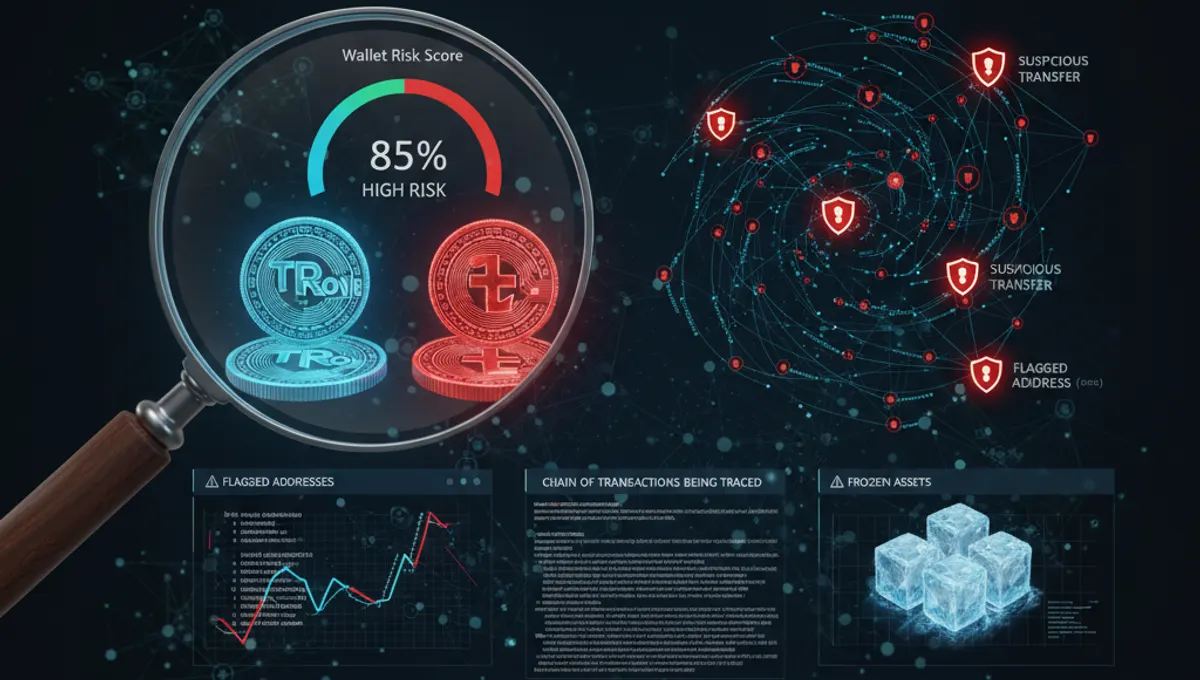
What Are Cryptocurrency AML Red Flags?
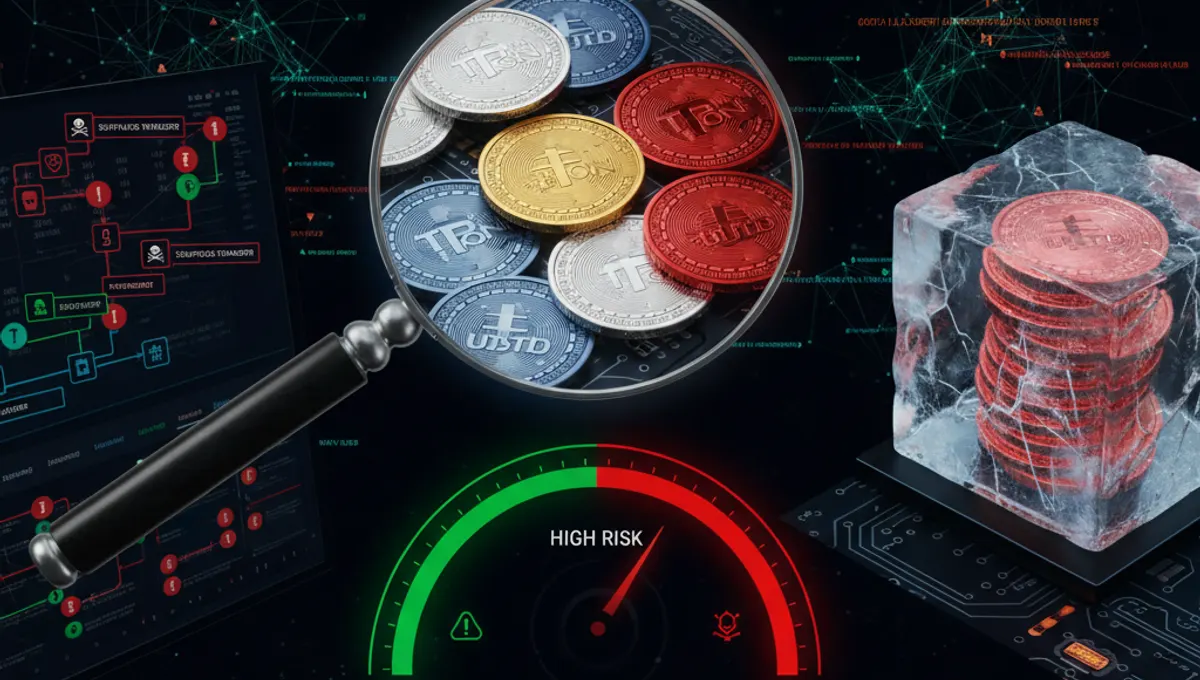
Cryptocurrency AML red flags are specific behaviors and transaction patterns that compliance teams and blockchain analysts use to identify money laundering activity. Unlike traditional banking, where transaction monitoring relies on account history and identity verification, cryptocurrency red flags focus on on-chain activity: wallet age, transaction velocity, mixing service use, and links to known illicit addresses.
Common red flags include:
- Rapid transfers through multiple wallets in short timeframes
- Deposits from addresses associated with darknet markets or gambling sites
- Transactions involving known mixer services that obscure fund origins
- Sudden large transfers to or from a previously dormant wallet
- Activity linked to sanctioned entities or individuals
- Stolen funds traced back to exchange hacks or ransomware campaigns
These patterns don't always indicate guilt, but they trigger deeper investigation. A wallet receiving funds from a mixer, for example, may have a legitimate reason, but the transaction monitoring flag alerts exchanges and compliance officers to review the activity before processing withdrawals or transfers.
How Does Cryptocurrency Transaction Monitoring Work?
Cryptocurrency transaction monitoring uses blockchain analytics to track fund movement across addresses and identify suspicious patterns. Unlike traditional banking, where transactions are private, all blockchain transactions are public and immutable, making them auditable by compliance software.
Transaction monitoring systems work by:
1. Scanning the blockchain in real time for transactions involving flagged addresses
2. Mapping wallet clusters to identify related accounts controlled by the same entity
3. Comparing transaction patterns against known illicit activity databases
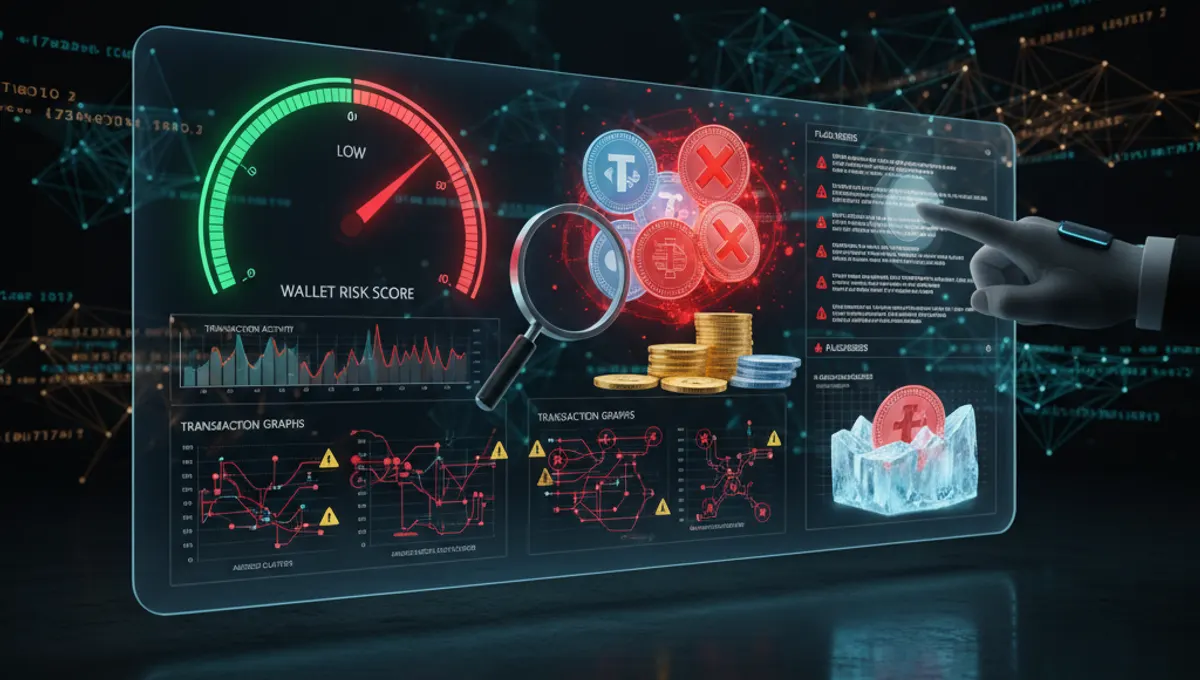
4. Assigning risk scores based on the number and severity of red flags detected
5. Alerting exchanges and custodians when high-risk funds arrive
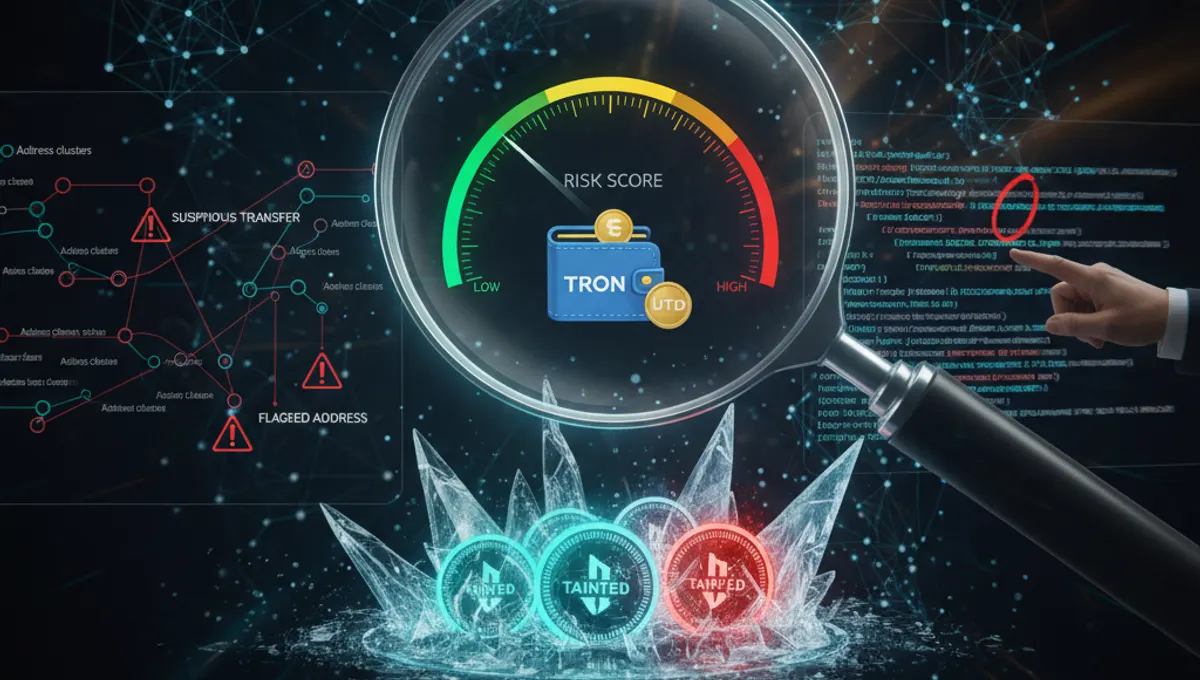
When you send USDT TRC20 or Bitcoin to an exchange, the platform's transaction monitoring system checks whether the source address has connections to mixers, darknet markets, or sanctioned entities. If red flags appear, the exchange may freeze the deposit pending manual review. This is why understanding what triggers these systems matters: receiving tainted coins can lock your funds for weeks or result in permanent account suspension.
Key Risk Categories in Cryptocurrency AML Screening
Blockchain analysts categorize red flags into distinct risk types. Understanding these categories helps you recognize what makes a wallet risky:
**Mixer and Tumbler Use**: Funds routed through mixing services are flagged because mixers deliberately obscure transaction history. A wallet that receives funds from a mixer is considered higher risk, even if the original source was legitimate.
**Darknet Market Exposure**: Addresses linked to known darknet marketplaces carry severe red flags. These include wallets that received payments for illegal goods or services.
**Stolen Funds**: Cryptocurrency stolen from exchange hacks, ransomware attacks, or phishing scams is tracked and flagged. Receiving stolen crypto can result in permanent account bans at regulated exchanges.
**Sanctions Screening**: Wallets belonging to sanctioned individuals, organizations, or countries trigger compliance holds. Transacting with sanctioned addresses violates international law in most jurisdictions.
**Gambling and High-Risk Services**: Some compliance frameworks flag gambling site wallets as higher risk due to money laundering potential, though this varies by jurisdiction and exchange policy.
**Scam and Fraud Proceeds**: Wallets receiving funds from known scams or Ponzi schemes are flagged as tainted coins.
How to Check a Wallet for Money Laundering Red Flags
Before accepting a significant crypto transfer, screening the source wallet is practical and straightforward. Here's how:
**Step 1: Obtain the Full Wallet Address**
Get the complete address from the sender. Partial addresses or screenshots are not sufficient for accurate screening.
**Step 2: Use an AML Screening Service**
Visit a trusted blockchain analytics platform to run the address through their database. Our curated list of verified AML services on this site includes tools that check Tron addresses, USDT TRC20 wallets, Bitcoin addresses, and Ethereum accounts against known risk indicators. These services provide a risk score and detailed flag breakdown.
**Step 3: Review the Risk Score**
Most services return a score from 0–100 or a risk level (low, medium, high). Scores above 50 typically warrant caution; above 75 suggests avoiding the transaction entirely.
**Step 4: Check the Flag Details**
Read the specific red flags returned. A wallet flagged for mixer use is different from one flagged for darknet exposure. Understand what triggered the alert before deciding.
**Step 5: Decide Based on Context**
If the sender is known and trustworthy, a moderate flag may be acceptable. If the sender is unknown, high-risk flags should prompt you to decline or request an alternative source.
What Risk Score Levels Mean for Your Crypto
Risk scores quantify the likelihood that a wallet is involved in illicit activity. Different exchanges and compliance frameworks use different thresholds, but general guidelines apply:
**0–20 (Low Risk)**: The wallet shows minimal or no red flags. Transactions are typically processed without delay.
**21–50 (Medium Risk)**: The wallet has some concerning patterns, such as mixer use or infrequent large transfers. Exchanges may process the transaction but flag it for monitoring. Withdrawal delays of hours to days are common.
**51–75 (High Risk)**: Multiple red flags are present, such as darknet links or rapid mixing. Exchanges often freeze deposits pending manual review. Withdrawals may be delayed or denied.
**76–100 (Critical Risk)**: The wallet is strongly associated with illegal activity, stolen funds, or sanctions violations. Most regulated exchanges will reject the transaction or permanently freeze the account.
Acceptable thresholds depend on your risk tolerance and jurisdiction. Regulated exchanges typically reject anything above 50–60. If you're receiving funds from a business partner, a score below 30 is standard. For peer-to-peer transfers from known individuals, scores below 50 are often acceptable, though this varies.
What Happens When Tainted Crypto Reaches an Exchange?
When you deposit cryptocurrency flagged as tainted or high-risk to an exchange, several outcomes are possible:
**Immediate Hold**: The exchange's transaction monitoring system flags the deposit. Your funds arrive in your wallet but are frozen pending review.
**Manual Compliance Review**: A compliance officer investigates the source address, your account history, and the transaction context. This process typically takes 24–72 hours but can extend longer.
**Account Suspension**: If the exchange determines the funds are stolen or linked to sanctions violations, your account may be suspended. Frozen USDT or Bitcoin may be held indefinitely or returned to the source address.
**Permanent Ban**: Repeated deposits of high-risk funds can result in permanent account closure and blacklisting across affiliated exchanges.
**Regulatory Reporting**: Exchanges report suspicious activity to financial authorities. This doesn't necessarily mean you're guilty, but it creates a compliance record.
To avoid this, always screen incoming transfers before depositing to an exchange. If you receive funds from an unknown source, verify the sender's identity and the transaction's legitimacy before moving the crypto. Using the AML services listed on our verified services page is the safest starting point for wallet screening.
How to Avoid Receiving Tainted Cryptocurrency
Protecting yourself from tainted coins requires vigilance and clear practices:
**Verify Sender Identity**: Before accepting a large transfer, confirm the sender's identity through a separate channel. Scammers often pose as legitimate businesses or acquaintances.
**Request Transaction Details**: Ask the sender for the wallet address they're sending from and run it through an AML check yourself. Legitimate senders will provide this information.
**Use Escrow for Large Transactions**: For significant amounts, use a third-party escrow service that screens both parties' addresses before releasing funds.
**Avoid Peer-to-Peer Mixing**: Never accept crypto from someone who admits to using mixers or tumbling services to obscure the source. This is a major red flag.
**Check Exchange Deposit Policies**: Different exchanges have different risk thresholds. Depositing to a stricter exchange first (which will reject high-risk funds) protects you from account freezes at your preferred platform.
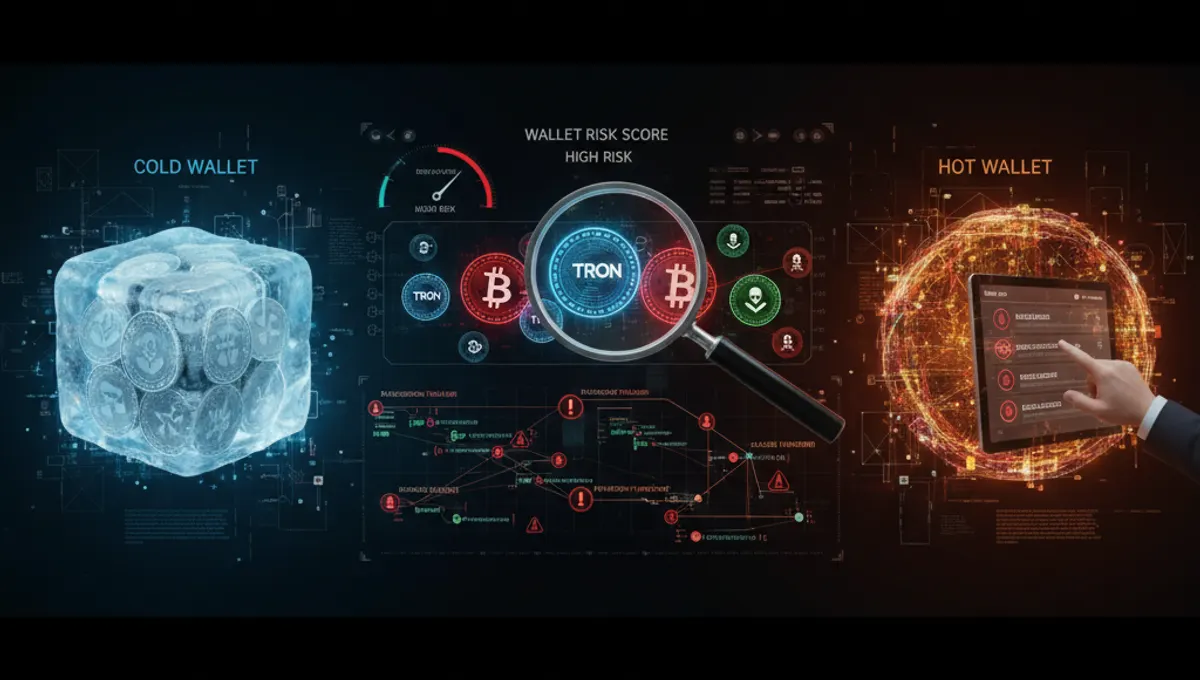
**Monitor Your Wallet**: If you hold crypto in a personal wallet, periodically check your address against AML databases to ensure no unexpected flags have appeared.
**Document Everything**: Keep records of who sent you funds, when, and why. This documentation helps during compliance reviews and protects you if questions arise.
Frequently asked questions
What is a red flag in AML for cryptocurrency?
A red flag in AML is any transaction pattern or wallet behavior that suggests potential money laundering. Common crypto red flags include mixer use, darknet market links, stolen funds, sanctioned entity involvement, and rapid transfers between wallets. These patterns trigger compliance reviews and may result in frozen accounts or transaction delays.
How does cryptocurrency transaction monitoring differ from real money monitoring?
Cryptocurrency transaction monitoring is public and permanent—all blockchain transactions are visible and immutable. Real money monitoring relies on bank records and identity verification. Crypto monitoring uses address clustering and blockchain analytics to track fund movement across wallets, while traditional banking relies on account history and KYC data.
Can I receive cryptocurrency from a high-risk wallet?
You can receive it, but your exchange may freeze the deposit. Most regulated platforms reject or hold funds from wallets with risk scores above 50–75. If you receive high-risk crypto, disclose the source during compliance review. Legitimate reasons (like receiving payment from a business) may allow the transaction to proceed after investigation.
What should I do if my cryptocurrency is flagged as tainted?
Contact your exchange's compliance team immediately. Provide documentation of the transaction's legitimacy: invoices, contracts, or correspondence with the sender. If the funds are genuinely yours and the source is legitimate, the exchange will likely clear the hold. If the funds are truly stolen or linked to illegal activity, the exchange will freeze them permanently.
How long does a cryptocurrency AML check take?
Most AML screening services return results instantly or within seconds. However, if an exchange flags your deposit, manual compliance review typically takes 24–72 hours. Complex cases involving multiple red flags or large amounts may take longer. Using verified AML services from our curated list before depositing ensures faster processing.