What Is a Red Flag in AML and Why It Matters for Crypto
A red flag in AML (anti-money laundering) is any pattern, transaction characteristic, or behavioral indicator that suggests potential financial crime. In cryptocurrency, red flags differ from traditional banking because transactions are pseudonymous and permanent on the blockchain. A red flag might be a wallet receiving funds from a known mixer service, a sudden spike in transaction volume, or an address linked to a sanctioned entity. These indicators trigger compliance reviews at exchanges and can result in account restrictions, frozen USDT balances, or transaction blocks. For individuals, recognizing red flags before accepting crypto payments protects you from receiving dirty crypto that exchanges will later refuse to process or freeze entirely.
Common Cryptocurrency Money Laundering Red Flags
Cryptocurrency money laundering red flags fall into several categories. Mixer usage is a primary indicator: funds routed through tumblers or mixing services to obscure origin are flagged by blockchain analytics. Darknet market connections show when a wallet has received or sent funds to known illegal marketplaces. Rapid layering involves moving funds quickly through multiple wallets to break the transaction trail. Sanctioned entity exposure occurs when a wallet receives funds from addresses linked to OFAC-designated individuals or countries. Stolen fund indicators appear when coins are traced back to exchange hacks or wallet compromises. Gambling platform exposure, while not always illegal, is tracked because gambling sites are common money laundering vectors. Sudden large transfers without clear business justification, especially to new or inactive wallets, also raise compliance concerns.
How AML Risk Scoring Works for Crypto Wallets
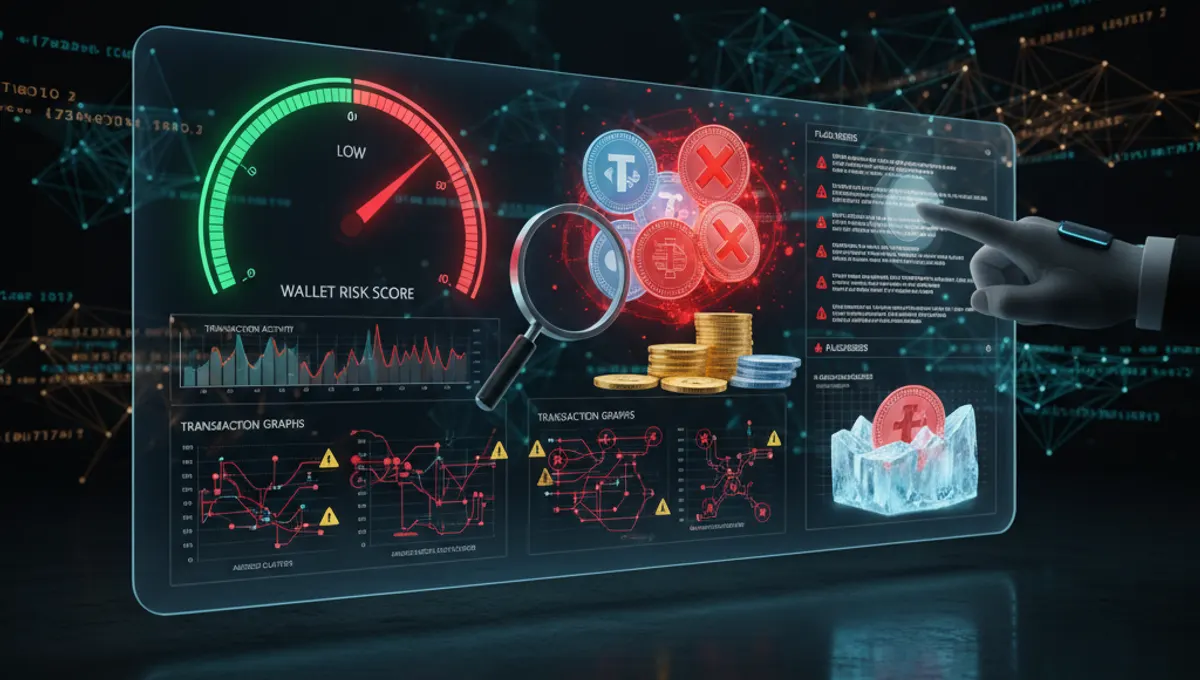
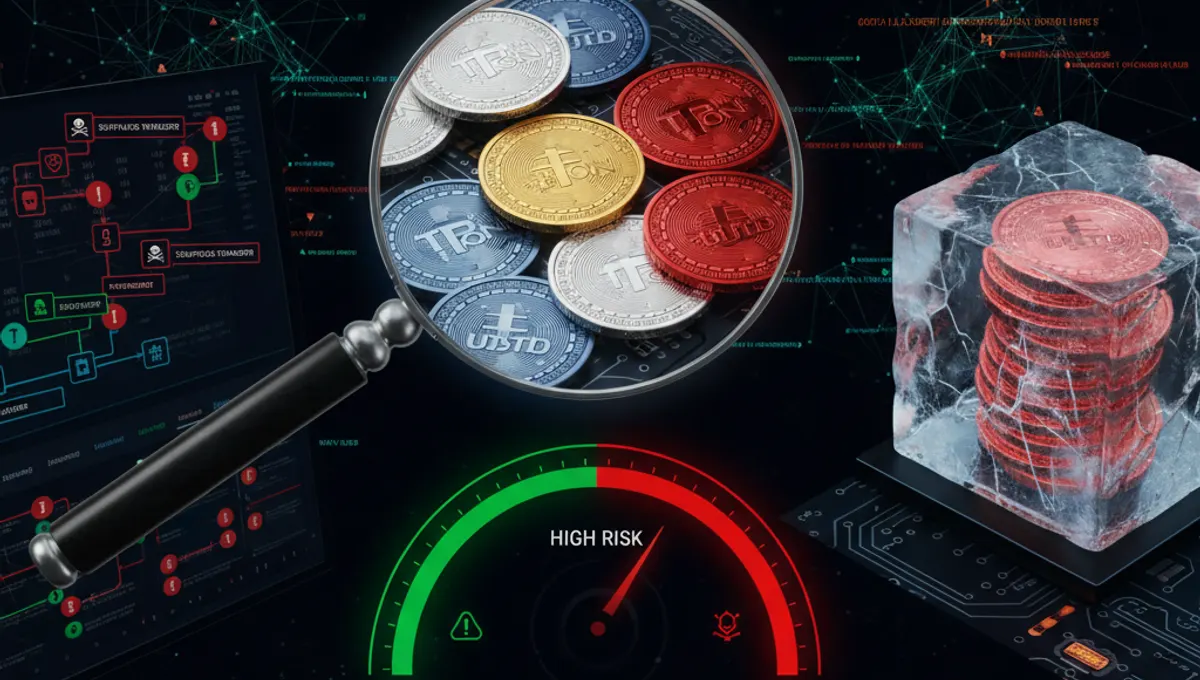
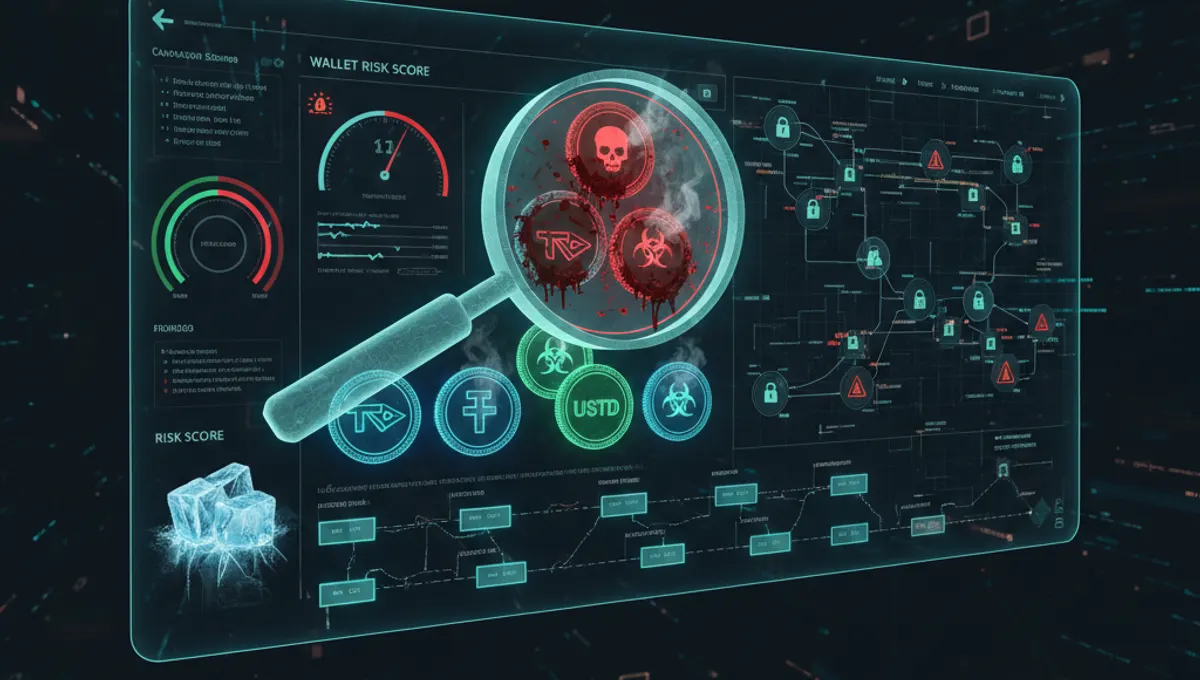
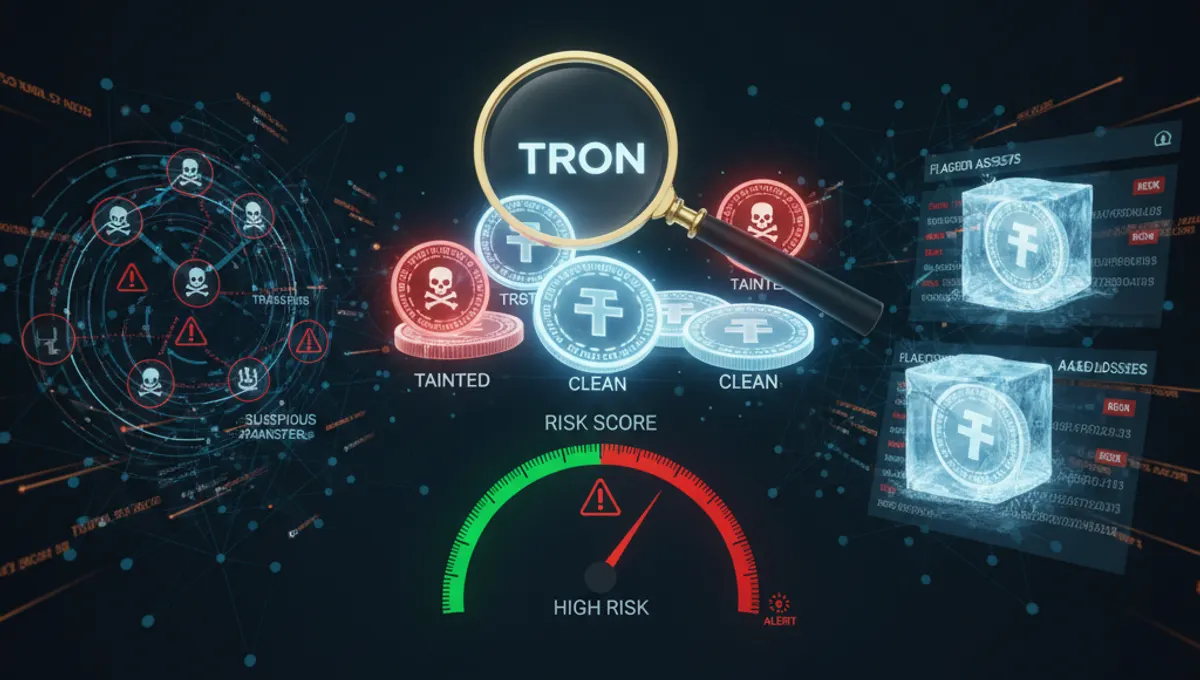
AML risk scoring assigns a numerical or categorical rating to a wallet based on transaction history, fund sources, and behavioral patterns. Blockchain analytics platforms analyze on-chain data to trace fund origins and destinations, then apply risk models. A low-risk score typically indicates clean fund sources, minimal mixer exposure, and no sanctions list matches. Medium-risk scores reflect some concerning activity—perhaps a small mixer transaction or connection to a gambling platform—but not necessarily illegal. High-risk scores suggest multiple red flags: mixer usage, darknet connections, stolen fund traces, or sanctions violations. Risk scores are not binary judgments of legality but rather compliance indicators that exchanges and financial institutions use to decide whether to process transactions. When checking a wallet before receiving USDT or TRX, a risk score provides a quick snapshot of potential compliance issues.
How to Check a Crypto Wallet for Red Flags Before Receiving Funds
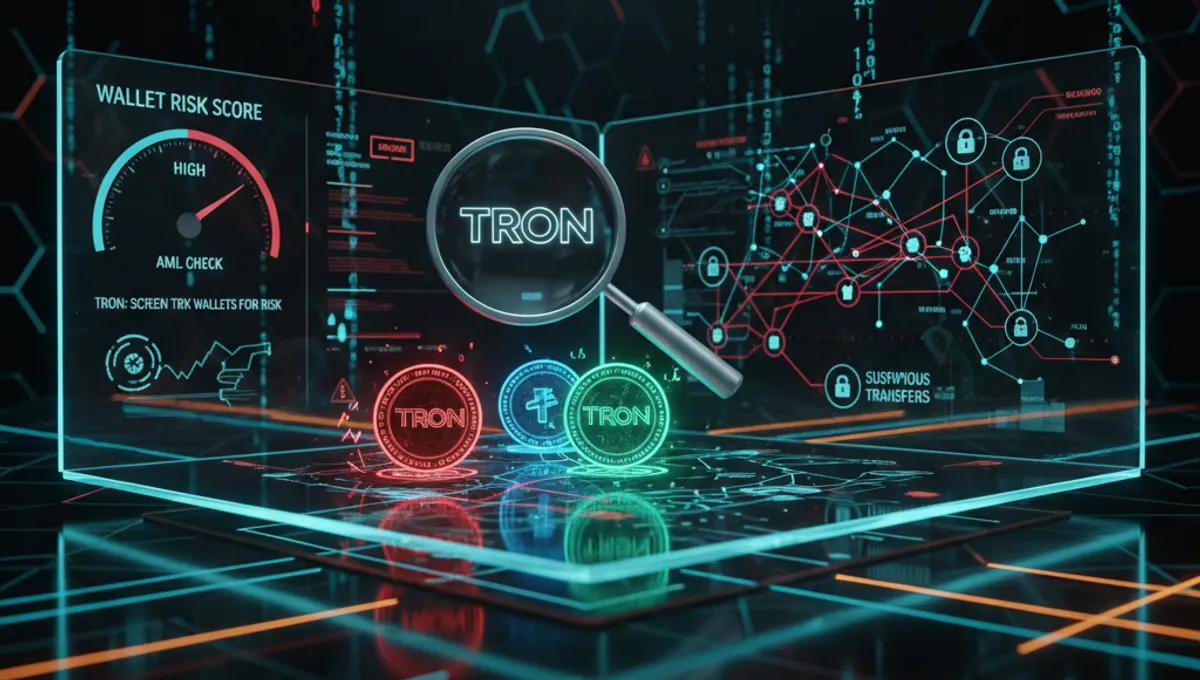
Before accepting a cryptocurrency payment, follow these steps to screen the sending wallet: First, obtain the full wallet address from the sender. Second, use a blockchain analytics tool to run an AML check on that address—services listed on our verified AML Services page offer this functionality for Tron (TRX), USDT TRC20, Bitcoin, and Ethereum addresses. Third, review the risk score and any flagged indicators. Fourth, examine the transaction history: look for mixer usage, darknet connections, or rapid fund movement patterns. Fifth, cross-reference the address against known sanctions lists if the service provides this data. If the wallet shows a high-risk score or multiple red flags, request an alternative payment method or ask the sender to clarify the fund source. This simple screening prevents you from receiving tainted coins that could be frozen at an exchange or trigger compliance holds on your account.
What Risk Score Levels Mean and When to Reject a Payment
Risk score thresholds vary by service, but general guidance applies across platforms. Scores of 0–20 are typically considered low-risk and safe to accept. Scores of 21–50 indicate medium risk: some concerning activity exists, but it may not be disqualifying depending on your risk tolerance and use case. Scores of 51–100 represent high risk and warrant caution or rejection. Specific red flags matter more than the score alone: a wallet with mixer exposure but no other issues might score 35, while a wallet with stolen fund traces should be rejected regardless of score. For business transactions, many companies set a threshold of 30 or lower. For personal use, you might accept medium-risk funds if you understand the source. The key is knowing your own compliance requirements and risk appetite before receiving crypto.
What Happens When Your Crypto Is Flagged as Tainted or Dirty
If you receive or hold cryptocurrency flagged as tainted—meaning it has red flags like mixer usage, theft traces, or sanctions connections—several consequences can follow. Exchanges may freeze your account or specific USDT/TRX balances pending compliance review. Withdrawal requests can be blocked indefinitely. In some cases, exchanges require you to provide proof of legitimate fund source or complete enhanced KYC verification. If the coins are traced to a sanctioned entity or stolen funds, your account may be permanently closed and funds seized. For individuals, this means lost access to your holdings. For businesses, it can mean regulatory investigation and reputational damage. The best defense is screening wallets before accepting payments and avoiding mixing services or darknet-connected addresses entirely. If you already hold flagged crypto, contact the exchange's compliance team to understand your options, though recovery is rarely guaranteed.
Practical Steps to Avoid Receiving Tainted Cryptocurrency
Implement these practices to minimize exposure to dirty crypto. Always request payment from established, verified sources with clear business relationships. Use the AML check services listed on our verified AML Services page to screen any wallet before accepting significant payments. Set a personal risk score threshold—many individuals use 25–30 as a cutoff. For business transactions, require senders to provide documentation of fund source if their wallet shows any medium-risk indicators. Educate your team on red flags: mixer usage, rapid fund movement, and darknet connections. Maintain records of your screening process for compliance purposes. If you operate an exchange or payment processor, implement mandatory AML checks on all deposits and withdrawals. Never accept payments from wallets with known sanctions list matches or confirmed stolen fund traces. These steps require minimal effort but significantly reduce the risk of account freezes and compliance headaches.
Frequently asked questions
What are the main cryptocurrency money laundering red flags I should know about?
Key red flags include mixer or tumbler usage, darknet market connections, rapid fund movement through multiple wallets, sanctions list matches, stolen fund traces, and gambling platform exposure. Sudden large transfers without clear business justification also warrant scrutiny. Blockchain analytics tools flag these patterns automatically during AML checks.
How much does an AML check fee cost for crypto wallets?
AML check fees vary by service and transaction volume. Many providers offer free basic checks with limited detail, while comprehensive reports with full transaction history and risk scoring typically cost between $5–$50 per address. Some services charge monthly subscriptions for unlimited checks. Compare pricing on our verified AML Services page to find options matching your needs.
Can I get my frozen USDT back if it was flagged as tainted?
Recovery depends on the reason for the freeze and your exchange's policies. If funds are frozen due to compliance review, contact the exchange's support team with documentation of legitimate source. If coins are confirmed stolen or sanctions-linked, recovery is unlikely. Prevention through pre-transaction screening is far more effective than attempting recovery after a freeze.
What risk score should I accept when receiving cryptocurrency?
Low-risk scores (0–20) are safe for most transactions. Medium-risk (21–50) depends on your risk tolerance and the specific red flags present. High-risk (51–100) should generally be rejected unless you have strong reason to trust the source. For business use, many set a threshold of 30 or lower to maintain compliance.
How do I check a Tron TRX or USDT TRC20 address for AML red flags?
Use a blockchain analytics platform that supports Tron addresses. Enter the wallet address, and the tool will return a risk score, transaction history, and flagged indicators like mixer exposure or sanctions connections. Services on our verified AML Services page offer this for TRX, USDT TRC20, Bitcoin, and Ethereum addresses.