What Is an AML Check and Why It Matters
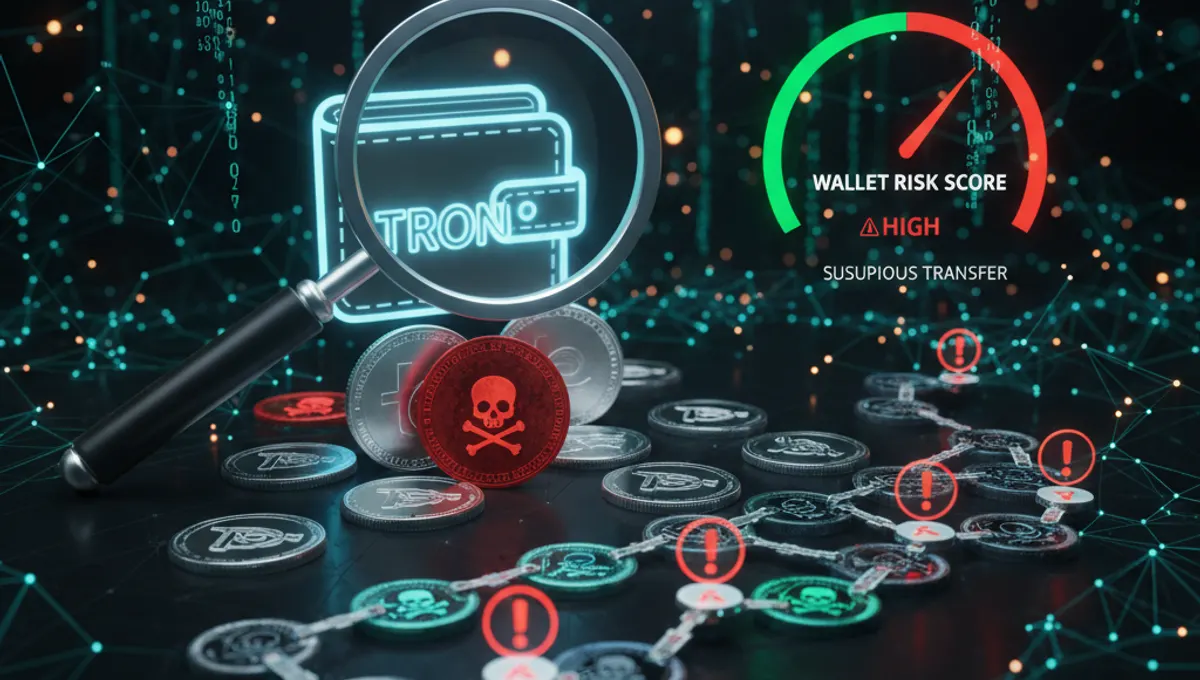
An AML (Anti-Money Laundering) check is a compliance screening that examines a crypto wallet's transaction history and fund sources. It identifies whether coins have been involved in illegal activity, sanctions violations, or high-risk behavior. Exchanges, custodians, and compliance teams use AML checks to meet regulatory requirements and prevent frozen accounts. When you receive USDT, TRX, BTC, or ETH, an AML check reveals whether those coins carry compliance risk. If flagged as tainted, your exchange may freeze the deposit or ban your account. This is why checking a wallet before receiving funds is essential—it protects both your assets and your access to trading platforms.
How AML Risk Scoring Works
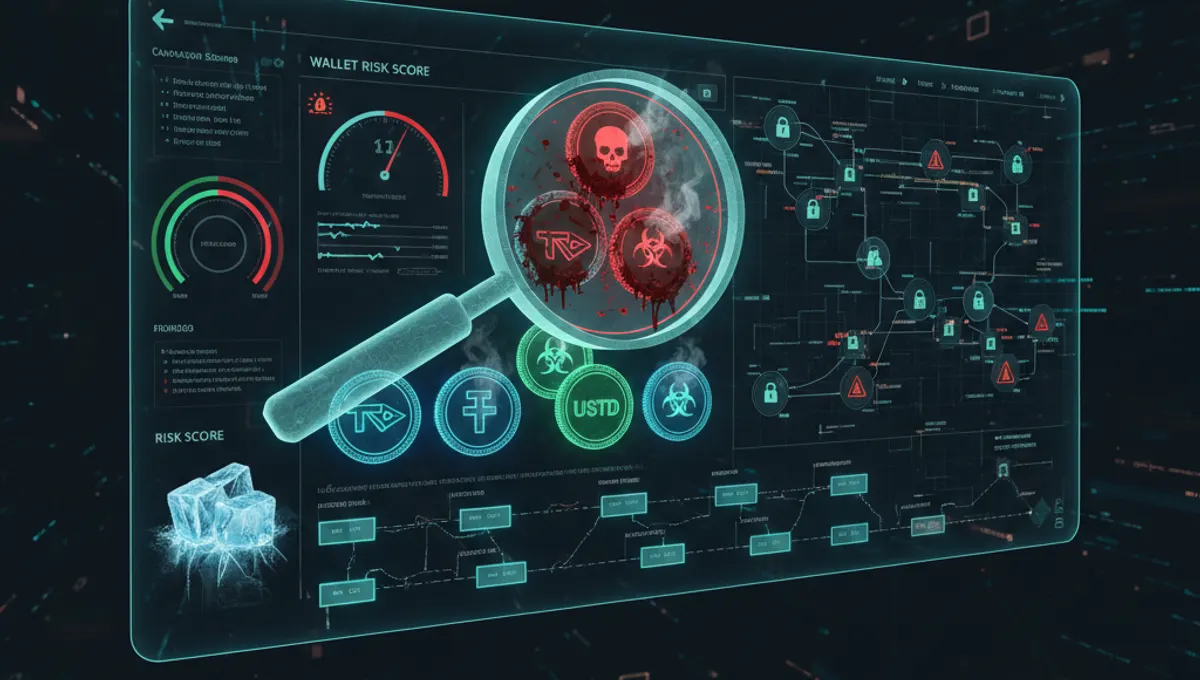
AML screening assigns a risk score based on wallet behavior and transaction patterns. The scoring process examines: transaction history depth (how far back the coins can be traced), exposure to known risk categories (mixers, darknet markets, gambling platforms, scams), and connections to sanctioned entities or stolen fund incidents. Higher scores indicate greater compliance risk. Most services use a numerical scale or risk level (low, medium, high, critical). A wallet that directly received coins from a mixer or darknet market typically scores higher than one with clean, traceable transaction history. The scoring algorithm weighs recency—recent risky activity carries more weight than old transactions. Understanding your wallet's score helps you decide whether to accept incoming funds or request alternative payment methods.
Step-by-Step: How to Do AML Checks on a Crypto Address
To check a wallet address for AML risk, follow these steps:
1. Obtain the wallet address (TRX, USDT TRC20, BTC, or ETH format).
2. Visit a trusted AML screening service—our curated list of verified AML services on this site provides reliable options with transparent reporting.
3. Enter the address in the search field.
4. Review the risk score and detailed findings: transaction sources, mixer exposure, darknet connections, and sanctions matches.
5. Examine the transaction graph to trace fund origins.
6. Check for frozen USDT incidents or exchange bans linked to the address.
7. Decide whether to proceed with the transaction or request alternative payment.
The entire process takes seconds to minutes. Most services provide a detailed report showing which transactions triggered risk flags and why. This transparency lets you make an informed decision before receiving funds.
What Risk Score Levels Mean
Risk scores translate blockchain activity into actionable compliance categories:
**Low Risk (0–25%):** Clean transaction history, no mixer or darknet exposure, no sanctions matches. Safe to receive and hold.
**Medium Risk (26–50%):** Some indirect exposure to risky addresses or minor mixer activity. Acceptable for most use cases, though some exchanges may flag it.
**High Risk (51–75%):** Direct mixer usage, gambling platform connections, or multiple transactions with flagged wallets. Many exchanges will freeze deposits or require additional verification.
**Critical Risk (76–100%):** Confirmed stolen funds, darknet market proceeds, sanctioned entity involvement, or active scam participation. Exchanges will almost certainly freeze or reject the deposit.
Thresholds vary by exchange and jurisdiction. Some accept medium-risk coins; others reject anything above low risk. Check your exchange's policy before receiving funds, and use an AML check service to confirm the score before accepting a transaction.
How Exchanges Detect and Freeze Tainted Crypto
Exchanges use transaction monitoring and AML screening to detect tainted coins at deposit time. When you deposit USDT or TRX, the exchange runs the address through its compliance system, which compares it against known risk lists and blockchain analytics. If the coins match a theft report, sanctions list, or mixer output, the deposit is flagged. The exchange may freeze your account, reverse the deposit, or require additional documentation. In severe cases (sanctioned entity involvement or confirmed stolen funds), the account is permanently closed. Frozen USDT cannot be withdrawn or traded. This is why checking a wallet before sending funds is critical—once flagged, recovery is difficult and time-consuming. Proactive AML checks prevent this scenario entirely.
Common Risk Categories in AML Checks
AML screening identifies specific risk behaviors:
**Mixers:** Services that obscure transaction trails by combining and splitting funds. Mixer output is flagged as high-risk because it indicates intent to hide fund sources.
**Darknet Markets:** Wallets connected to known darknet marketplaces (drug sales, weapons, stolen data). These carry critical risk.
**Stolen Funds:** Coins traced to confirmed theft incidents or hacks. Exchanges freeze these immediately.
**Scam Proceeds:** Funds from Ponzi schemes, rug pulls, or phishing attacks. Often flagged as medium to high risk.
**Sanctioned Entities:** Wallets linked to individuals or organizations on government sanctions lists. Possession is illegal in many jurisdictions.
**Gambling Platforms:** Some compliance frameworks flag gambling exposure as medium risk, though policies vary.
Understanding these categories helps you interpret your AML check results and decide whether to proceed with a transaction.
How to Avoid Receiving Tainted Crypto
Protect yourself by implementing these practices:
1. **Request AML checks before accepting large transfers.** Ask the sender to provide the wallet address in advance, then screen it yourself using a trusted service.
2. **Use verified AML services.** Our directory of verified AML services on this site lists screening tools with transparent reporting and reliable risk scoring.
3. **Set an acceptable risk threshold.** Decide in advance whether you'll accept medium-risk coins or only low-risk transfers. Communicate this to senders.
4. **Check both sender and recipient wallets.** Screen the source wallet and your own receiving address to ensure your exchange won't flag the deposit.
5. **Document your due diligence.** Keep AML check reports showing you screened funds before receipt. This protects you if regulators later question the transaction.
6. **Avoid peer-to-peer trades with unknown parties.** Use exchanges or verified counterparties with established compliance programs.
These steps significantly reduce the risk of frozen accounts or compliance issues.
Frequently asked questions
How long does an AML check take?
Most AML checks complete in seconds to a few minutes. The screening system queries blockchain data and risk databases in real-time, then generates a report instantly. Some detailed investigations may take longer, but standard wallet screening is immediate. This speed lets you verify addresses before accepting transfers.
What does it cost to do an AML check?
AML check costs vary by service. Many offer free basic screening with limited detail, while premium reports with full transaction graphs and risk analysis cost between a few dollars and hundreds per check, depending on depth and volume. Our verified AML services directory lists options with transparent pricing so you can choose based on your needs and budget.
Can I check a Tron address or USDT TRC20 wallet for AML risk?
Yes. AML screening works on Tron addresses and USDT TRC20 wallets just like Bitcoin or Ethereum. The process is identical: enter the address, receive a risk score, and review transaction history. Tron's blockchain is publicly auditable, so AML tools can trace USDT TRC20 transfers and detect mixer or darknet exposure the same way.
What happens if my wallet is flagged as high-risk?
If your wallet receives a high-risk score, exchanges may freeze deposits, require additional verification, or reject the transaction. You can request a review, provide documentation of legitimate fund sources, or wait for the risk score to age. Some exchanges have appeal processes. Proactive AML checks before receiving funds prevent this situation entirely.
Do I need to pay an AML fee every time I receive crypto?
No. AML checks are optional and performed at your discretion or your exchange's requirement. You only pay if you use a screening service directly. Exchanges typically run AML checks internally at no extra charge to you. For large or unfamiliar transfers, paying for a third-party AML check is cheap insurance against frozen accounts.