What Is an AML Check and Why It Matters
An AML (Anti-Money Laundering) check examines a blockchain address to identify whether funds have been associated with illegal activity, sanctions lists, darknet markets, or theft. The check compares transaction history against known risk indicators: mixer usage, scam wallets, stolen funds, gambling platforms, and sanctioned entities. For crypto users, an AML check cost is typically low or free for basic screening, though detailed reports may require a fee. Running an AML check crypto before accepting a payment protects you from receiving dirty coins that exchanges may later freeze or flag, causing your account to be restricted or closed. Compliance teams at exchanges use AML checks to meet regulatory requirements; individual users benefit by knowing the risk profile of incoming funds.
How Do AML Checks Work: The Screening Process
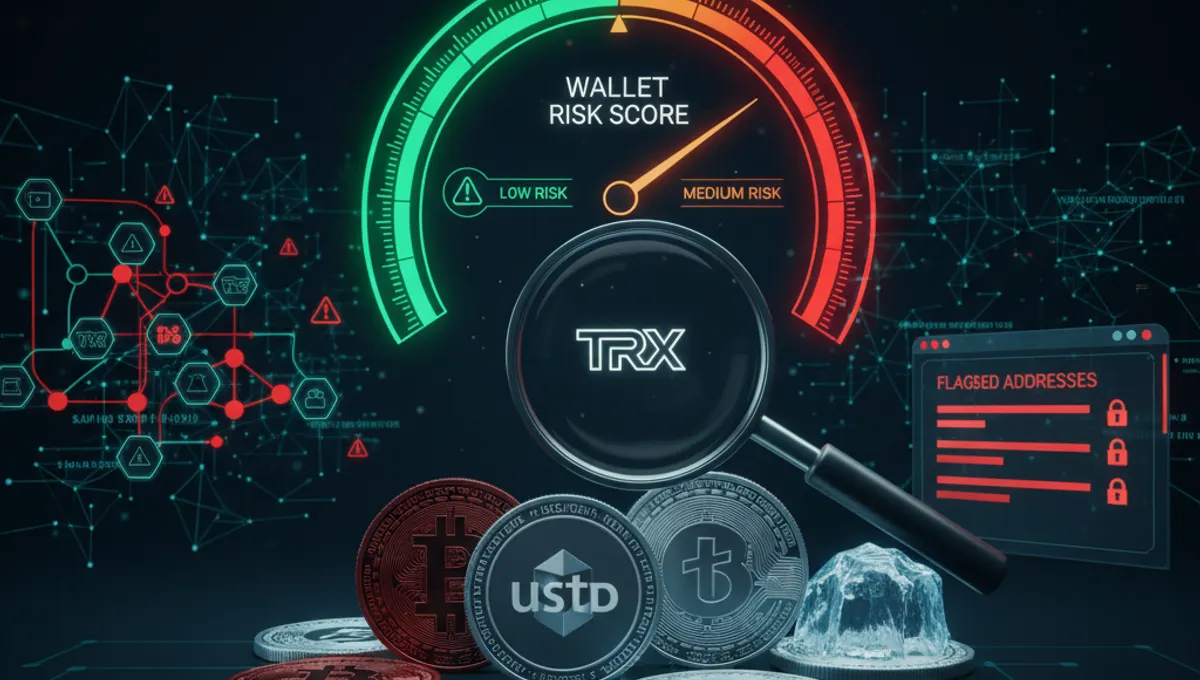
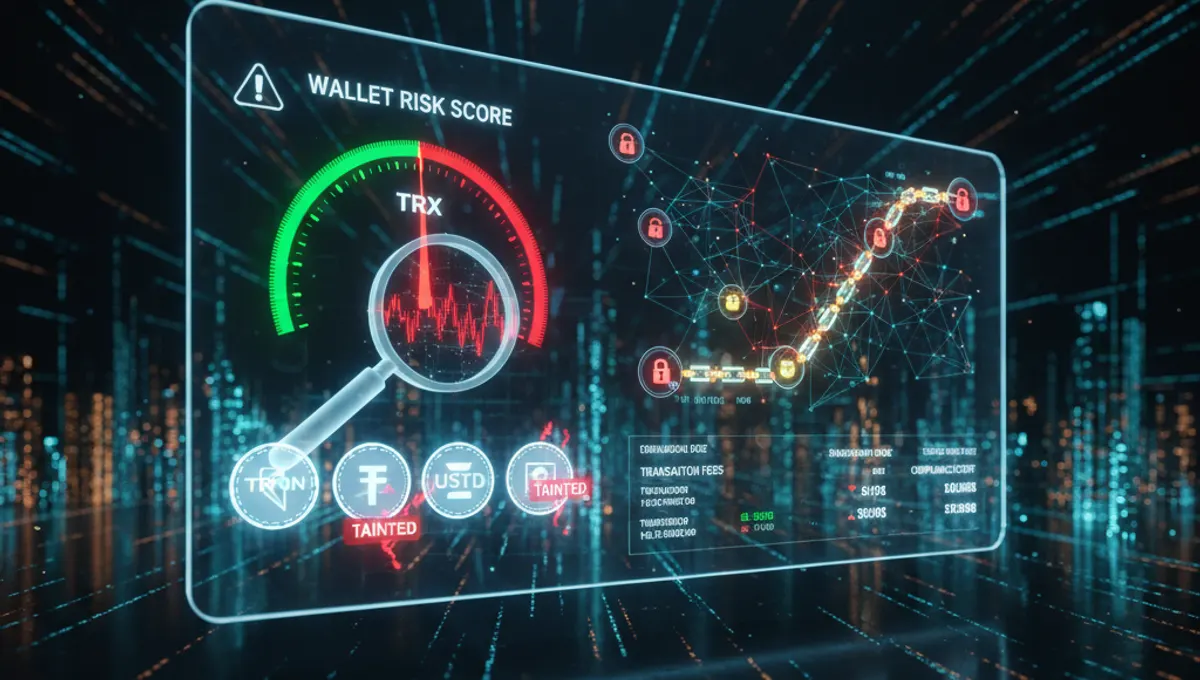
AML checks work by analyzing the complete transaction history of a wallet address on the blockchain. The process follows these steps: (1) the tool retrieves all incoming and outgoing transactions linked to the address; (2) it traces funds backward to identify their origin and forward to their destination; (3) it cross-references the address and connected wallets against risk databases covering mixers, darknet markets, scams, stolen funds, and sanctions lists; (4) it assigns a risk score based on exposure to these categories. The risk score typically ranges from low (clean funds, minimal risk) to high (strong indicators of illicit activity). Some services also flag specific risk categories separately—for example, a wallet might show low overall risk but have exposure to gambling platforms. The entire screening usually completes in seconds to minutes, depending on transaction volume.
Step-by-Step: How to Check a Crypto Wallet Address
To perform an AML check on a wallet address, follow these steps: (1) Obtain the wallet address you want to screen—it should be a valid Bitcoin, Ethereum, Tron, or other blockchain address. (2) Visit a trusted AML screening service (our AML Services directory lists verified providers). (3) Paste the address into the search field. (4) Select the blockchain network if the tool supports multiple chains (Bitcoin, Ethereum, Tron, etc.). (5) Click 'Check' or 'Scan' to initiate the screening. (6) Review the results, which typically display a risk score, risk categories, and transaction summary. (7) If the address shows high risk, investigate the flagged categories—for example, if it's linked to a mixer, the funds may be considered tainted. (8) Decide whether to accept or reject the transaction based on your risk tolerance and compliance requirements. For USDT TRC20 and Tron addresses, ensure the tool supports Tron blockchain screening, as not all services cover all networks.
Understanding AML Risk Scores and Categories
An AML risk score is a numerical or categorical rating that summarizes the likelihood a wallet has been involved in illicit activity. Most services use a scale from 0–100 or low/medium/high/critical. A low risk score (typically 0–20) indicates the address has minimal exposure to known risk factors and is generally safe to transact with. A medium score (20–50) suggests some exposure—for example, the address may have received funds from a gambling platform or a wallet with mixed origins. A high score (50–80) indicates significant red flags, such as direct links to darknet markets or stolen funds. A critical score (80–100) means the address is strongly associated with illegal activity and should be avoided. Beyond the overall score, AML checks break down risk by category: mixer exposure (funds passed through privacy mixers), darknet exposure (connection to known darknet markets), scam exposure (linked to known scam wallets), stolen funds (flagged as proceeds of theft), sanctions exposure (linked to sanctioned entities), and gambling exposure (received from gambling platforms). Understanding these categories helps you make informed decisions about whether to accept funds.
AML Check Cost and Fee Comparison
AML check fees vary widely depending on the service and depth of screening. Many services offer a free tier that provides a basic risk score and limited transaction history for a single address check per day or month. A free AML check crypto is useful for quick screening before receiving a payment, though it may not include detailed category breakdowns or historical analysis. Paid plans typically range from a few dollars per check to monthly subscriptions for unlimited checks, usually between $10–$100 per month depending on features. Enterprise services for compliance teams may charge higher fees based on volume and custom reporting. When comparing aml check fee options, consider what you need: a casual user might use free checks, while a business receiving frequent crypto payments should invest in a subscription. Some services charge per API call for automated screening, making them cost-effective for high-volume users. Our AML Services page compares verified providers and their pricing models, helping you choose the right tool for your needs.
What to Do If Your Wallet Shows High Risk
If an AML check reveals a high risk score on your wallet or incoming funds, take these steps: (1) Review the specific risk categories flagged—understand whether the issue is mixer exposure, darknet links, or another factor. (2) Trace the transaction history to identify where the flagged activity occurred. (3) If you received funds unknowingly from a risky source, consider not accepting them or moving them to a new address. (4) If you are the wallet owner and the flag is incorrect, contact the AML service to request a review or dispute. (5) Before depositing flagged funds to an exchange, run a check through that exchange's internal screening—some exchanges may reject deposits from high-risk addresses, freezing your account. (6) If you need to move funds, use a compliant exchange or service that accepts higher-risk addresses, though this is rare. (7) Document the AML check result for your records in case of future regulatory inquiries. Frozen USDT and account bans often result from depositing tainted coins without prior screening, so proactive checking prevents these problems.
Best Practices for Avoiding Tainted Coins
To minimize the risk of receiving dirty crypto and facing frozen funds or account restrictions, follow these practices: (1) Always run an AML check before accepting large payments or deposits from unknown sources. (2) Request the sender's wallet address in advance and screen it before the transaction. (3) Use only trusted exchanges and wallets that perform their own AML screening on deposits. (4) Avoid receiving funds from addresses flagged for mixer usage, darknet exposure, or sanctions links unless you have a specific compliance reason. (5) Keep records of all AML checks you perform, including results and dates, for audit purposes. (6) If you operate a business, implement a policy requiring AML screening for all incoming crypto payments above a certain threshold. (7) Educate yourself on how AML checks work so you can interpret results accurately. (8) Use the verified AML services listed on our AML Services directory—these tools are designed for accuracy and compliance. By screening wallets proactively, you protect yourself from regulatory penalties and account freezes.
Frequently asked questions
How long does an AML check take?
Most AML checks complete in seconds to a few minutes. The time depends on the wallet's transaction history size and the service's processing speed. A wallet with thousands of transactions may take longer to analyze than a new address with few transactions. Real-time screening is typical for standard checks.
Can I do a free AML check on a crypto wallet?
Yes, many AML screening services offer free basic checks with limited features. Free checks usually provide a risk score and overview but may not include detailed category breakdowns or full transaction history. Paid subscriptions unlock more detailed reports and unlimited checks. Check our AML Services directory for free options.
What does a high AML risk score mean for my funds?
A high risk score indicates the wallet has exposure to illicit activity indicators such as mixers, darknet markets, scams, or stolen funds. Exchanges may freeze deposits from high-risk addresses or close your account. Before depositing to an exchange, screen the address to avoid account restrictions.
How do I check if USDT TRC20 or Tron addresses are safe?
Use an AML screening service that supports Tron blockchain. Paste the Tron address (starting with T) into the tool and select Tron as the network. The service will scan the address for risk exposure on the Tron network, including USDT TRC20 transfers. Not all AML tools support Tron, so verify before checking.
Will an AML check reveal my identity or wallet owner?
No. An AML check only analyzes the public blockchain address and its transaction history. It does not reveal the owner's identity unless that information is already public or linked to the address through other means. The check is purely technical screening of on-chain activity.