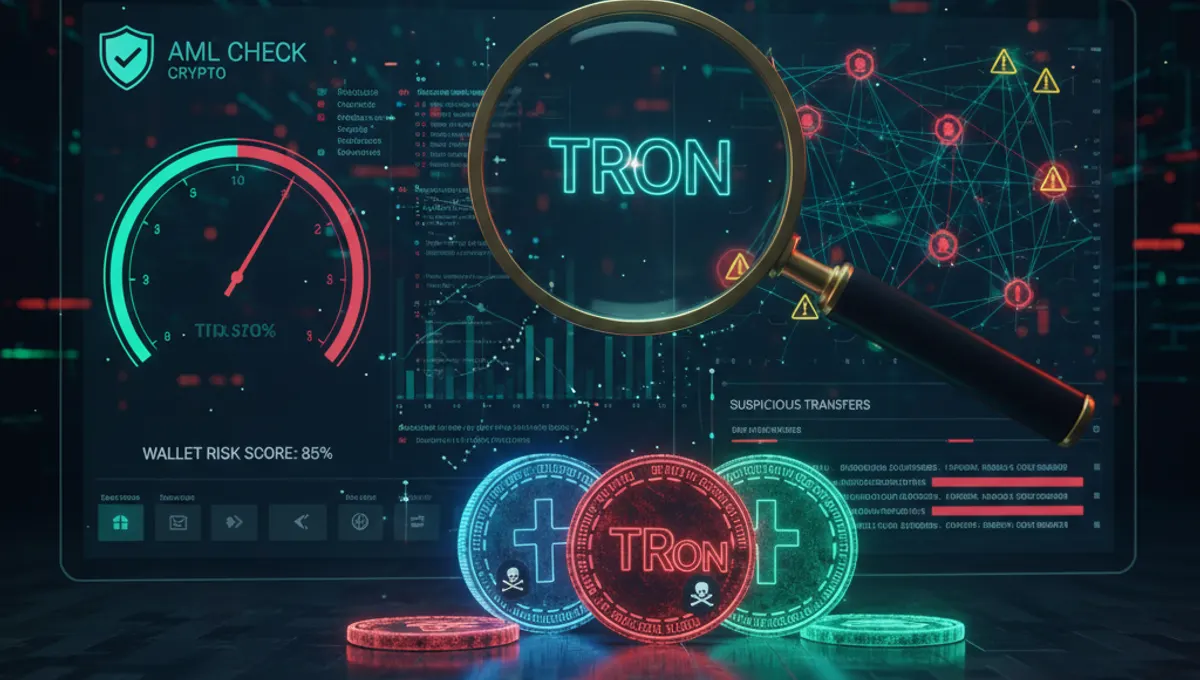
What Is a Crypto AML Check and Why It Matters
An AML (Anti-Money Laundering) check on a crypto wallet examines its transaction history and associations to flag risk. When you receive cryptocurrency from an unknown source, that wallet's past activity—including links to stolen funds, sanctions lists, or darknet markets—can taint your coins. Exchanges and custodians monitor incoming deposits; if your wallet receives flagged funds, your account may be frozen or your transaction reversed. A crypto AML check online lets you verify a wallet's reputation before accepting payment, protecting both your compliance standing and your ability to move funds later. This is especially critical for USDT (Tron and Ethereum), Bitcoin, and other high-volume assets.
How AML Risk Scoring Works for Crypto Wallets
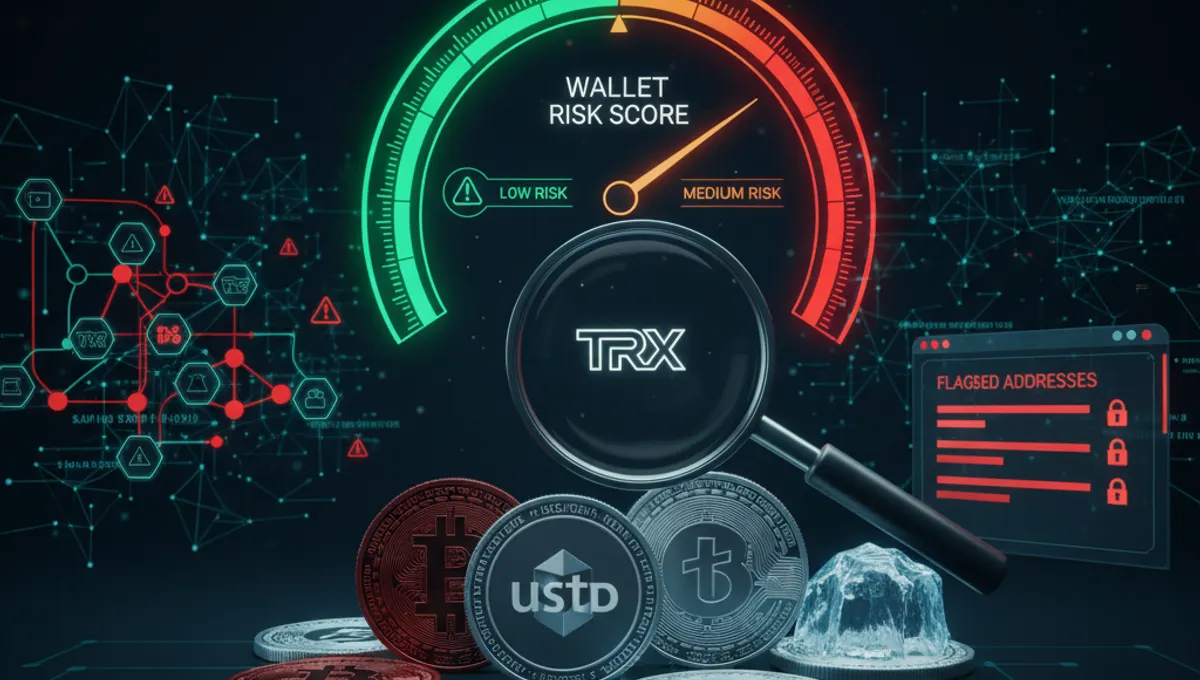
An AML risk score is a numerical rating (typically 0–100 or low/medium/high) that reflects the likelihood a wallet has been involved in illicit activity. The score is calculated by analyzing: transaction patterns (frequency, size, timing), wallet age and activity duration, connections to known mixers or tumblers, links to darknet marketplaces, presence on sanctions lists, and clustering with other flagged addresses. A low risk score (0–20) suggests clean transaction history and no known illicit associations. A medium score (21–70) indicates some suspicious activity or unconfirmed links. A high score (71–100) signals strong indicators of stolen funds, mixer usage, or sanctions exposure. Risk scores are not permanent; they reflect historical data and may change as new transactions are recorded on the blockchain.
Step-by-Step: How to Check a Crypto Wallet Before Receiving Funds
Follow these steps to run an AML check on a wallet address online:
1. Obtain the wallet address from the sender (Bitcoin, Tron, Ethereum, or other blockchain).
2. Visit a trusted AML screening service—check the verified AML services listed on our directory for options with transparent methodology and real-time blockchain data.
3. Paste the wallet address into the search field.
4. Review the risk score, flagged categories (if any), and transaction summary.
5. Check for specific red flags: mixer or tumbler usage, darknet market connections, stolen fund warnings, or sanctions list matches.
6. If the risk is low or acceptable for your use case, proceed. If risk is high, ask the sender for an alternative address or decline the transaction.
7. Document the check result for compliance records if required by your exchange or employer.
This process typically takes under one minute and provides immediate, actionable intelligence.
Understanding Risk Score Levels and What They Mean
Risk score interpretation varies by service, but common thresholds are:
- Low (0–25): Minimal illicit indicators. Safe for most transactions and exchange deposits.
- Medium (26–60): Some suspicious patterns or unconfirmed associations. Use caution; verify the sender's legitimacy.
- High (61–100): Strong indicators of mixer usage, darknet activity, stolen funds, or sanctions exposure. Most exchanges will flag or freeze these deposits.
Acceptable thresholds depend on your context. A business receiving customer payments should reject anything above 25. A trader receiving peer-to-peer funds might accept up to 40 if they trust the sender. Exchanges typically auto-flag deposits above 50–70 for manual review or rejection. Always err on the side of caution: a frozen account is costlier than a delayed transaction. If you receive a high-risk deposit, contact your exchange immediately to report it and avoid account suspension.
Common Red Flags: Mixers, Darknet, Stolen Funds, and Sanctions
When you run an AML check online, watch for these specific risk indicators:
- Mixer or tumbler usage: The wallet has sent funds through a mixing service designed to obscure transaction trails. This is a major compliance red flag.
- Darknet marketplace links: The address has received funds from or sent to known darknet markets (e.g., illegal goods, services).
- Stolen funds: The wallet is flagged as receiving cryptocurrency from a confirmed theft, hack, or scam.
- Sanctions exposure: The address is linked to a sanctioned entity, country, or individual on government lists.
- Gambling or high-risk activity: Frequent transactions with gambling platforms or other high-risk services.
- Scam or fraud reports: Multiple users have reported the address as part of a scam scheme.
Each red flag carries different compliance weight. Sanctions exposure is typically a hard stop; most regulated exchanges will freeze any transaction. Mixer usage is a strong warning but not always a dealbreaker. Stolen funds are critical: accepting them can result in account closure and legal liability.
Free vs. Paid AML Crypto Checks: What You Get
Free AML checks typically provide basic risk scoring and limited transaction history. They may flag obvious red flags (sanctions, known theft) but lack depth on mixer detection or behavioral analysis. Paid services offer comprehensive screening, real-time monitoring, detailed transaction graphs, and API access for automated checks. For a one-time wallet verification before receiving a payment, a free AML check is often sufficient. For businesses, exchanges, or frequent traders, paid services provide the accuracy and documentation needed for compliance audits. Our directory of verified AML services includes both free and premium options with transparent pricing and methodology. Start there to compare features and find the right fit for your needs.
What to Do If Your Wallet Is Flagged as High Risk
If you receive a high-risk AML score on your own wallet, take these steps:
1. Review your transaction history: Identify any legitimate transactions that may have triggered the flag (e.g., a large peer-to-peer payment, a withdrawal from a less-known exchange).
2. Check for unauthorized activity: Ensure your wallet has not been compromised or used without your knowledge.
3. Document your activity: Keep records of all transactions, especially large or unusual ones, to explain them to exchanges or regulators if needed.
4. Contact your exchange: If you plan to deposit flagged funds, notify your exchange in advance and provide context. Some exchanges will accept the deposit with additional verification.
5. Consider a new address: For future transactions, use a fresh wallet address to avoid inherited risk from past activity.
6. Avoid mixers: Do not attempt to hide the flag by using a mixing service; this will only increase compliance risk and may trigger legal scrutiny.
A high-risk score is not permanent. Over time, as your wallet accumulates clean transactions, the risk profile will improve.
Frequently asked questions
Can I run a free AML check on a crypto wallet online?
Yes. Many AML screening services offer free basic checks that flag obvious risks like sanctions exposure and known theft. Free checks typically provide a risk score and transaction summary but lack the depth of paid services. For a quick verification before receiving funds, free checks are usually sufficient. Paid services add real-time monitoring, mixer detection, and detailed compliance reports.
What does a high AML risk score mean for my Bitcoin or USDT address?
A high risk score (typically 70+) indicates the wallet has strong associations with illicit activity: mixer usage, darknet connections, stolen funds, or sanctions exposure. Most exchanges will flag or freeze deposits from high-risk addresses. If your own address is flagged, review your transaction history, contact your exchange, and avoid using mixing services. Over time, clean transactions will improve your score.
How long does an online AML check take?
Most AML checks complete in under one minute. The service scans the blockchain, cross-references the address against known databases (sanctions lists, theft reports, mixer clusters), and assigns a risk score. Results are typically instant. Some advanced checks may take a few minutes if they perform deeper behavioral analysis or transaction graph mapping.
Will an AML check detect if a wallet received stolen cryptocurrency?
Yes, if the stolen funds have been reported to blockchain analytics firms or exchanges. AML checks cross-reference addresses against known theft incidents, exchange hack databases, and law enforcement reports. However, if a theft is very recent or not yet reported, the check may not flag it immediately. Always verify the sender's legitimacy independently, especially for large transactions.
Can I check a Tron (TRX) or USDT TRC20 address for AML risk?
Yes. Most AML screening services support Tron addresses and USDT on TRC20. The process is identical to Bitcoin or Ethereum: paste the address, review the risk score, and check for red flags. Tron addresses are increasingly targeted by scams and mixer usage, so AML checks are especially valuable for TRC20 transactions. Verify the service supports Tron before running your check.