What Is the HackerRank Crypto Market Transaction Monitoring Problem
The HackerRank crypto market transaction monitoring challenge requires writing SQL queries to analyze transaction records and identify anomalies. The problem typically provides a dataset of transactions with fields like sender address, receiver address, amount, timestamp, and transaction hash. Participants must write queries to detect patterns such as rapid fund transfers, unusually large amounts, repeated transactions to flagged addresses, or activity linked to known risk categories like mixers or darknet markets. This mirrors how real compliance teams screen Tron (TRX), USDT TRC20, Bitcoin, and Ethereum addresses for AML purposes. The solution demonstrates core database skills needed in blockchain analytics and KYT (Know Your Transaction) platforms.
SQL Query Structure for Transaction Monitoring
A typical crypto market transactions monitoring hackerrank solution SQL query uses JOIN operations to correlate sender and receiver addresses against risk lists, GROUP BY clauses to aggregate transaction volumes, and WHERE conditions to filter by risk thresholds. The query might count transactions per address within a time window, calculate total amounts transferred, or identify addresses that appear in both sender and receiver roles within suspicious timeframes. Common patterns include: (1) joining transaction tables with a sanctions or stolen-funds list, (2) grouping by address to sum transaction volumes, (3) filtering results where total amount exceeds a threshold or transaction count is abnormally high, (4) ordering by risk score or transaction count to prioritize review. This structure directly applies to production AML systems that screen wallets before users deposit or withdraw funds.
How to Approach the HackerRank Crypto Market Transaction Monitoring Solution
Start by understanding the schema: identify which columns represent sender, receiver, amount, and timestamp. Read the problem statement carefully to determine what constitutes a suspicious transaction. Write a basic SELECT query to explore the data, then incrementally add WHERE clauses and JOINs. For the crypto market transaction monitoring hackerrank solution, test with sample data to verify your logic before submitting. Common mistakes include missing NULL values, incorrect date filtering, or failing to account for transactions in both directions (A sends to B and B sends to A). Use CASE statements to assign risk scores or flags based on multiple conditions. Test edge cases like zero-amount transactions, self-transfers, or addresses with no history. Document your assumptions about what constitutes high risk, as real AML screening requires clear thresholds for tainted coins, stolen funds, and sanctions exposure.
Applying HackerRank Solutions to Real AML Wallet Screening
The crypto market transactions monitoring hackerrank solution github repositories often contain working code that illustrates how to structure queries for production use. While HackerRank examples are simplified, the principles transfer directly to checking actual Tron addresses, USDT TRC20 wallets, and Bitcoin addresses before accepting deposits. Real AML platforms use similar SQL logic to cross-reference transaction histories against known risk categories: mixers (which obscure fund origins), darknet market addresses, stolen-funds databases, and sanctioned entity lists. When you receive crypto, your exchange or wallet provider runs these queries to assign a risk score. A high-risk score may trigger frozen USDT, account restrictions, or mandatory KYC review. Understanding the SQL behind these checks helps you recognize why certain transactions get flagged and how to avoid receiving tainted coins. For practical wallet screening, use the verified AML services listed on our curated AML Services page, which implement these monitoring principles with real blockchain data.
Risk Score Thresholds in Transaction Monitoring
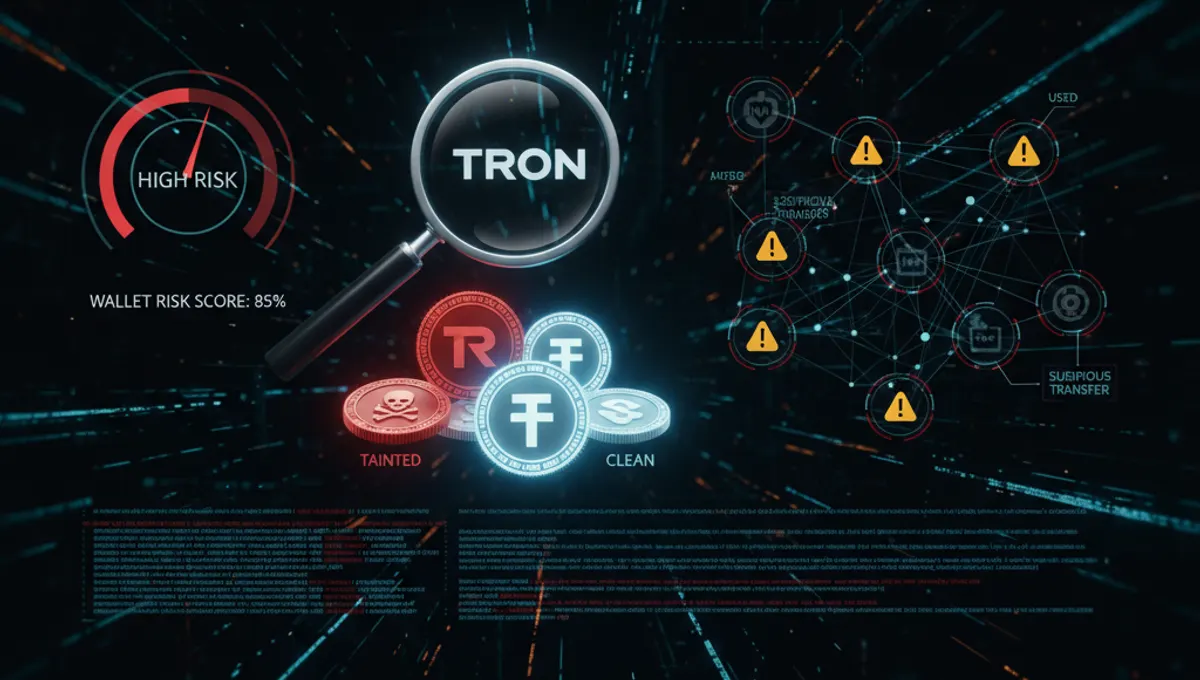
Transaction monitoring systems assign risk scores based on query results. A low-risk score (0–30) typically indicates normal activity: few transactions, small amounts, no known risk addresses. Medium risk (31–70) suggests caution: moderate transaction volume, some exposure to mixers or less-regulated exchanges, or activity in jurisdictions with weaker AML controls. High risk (71–100) flags serious concerns: direct links to stolen funds, sanctioned entities, darknet markets, or rapid fund churning through multiple addresses. The crypto market transaction monitoring solution must define these thresholds clearly. In practice, exchanges freeze USDT and other stablecoins if a wallet's risk score exceeds their internal threshold, often around 70–80. Understanding these bands helps you assess whether your own wallet or a counterparty's address is likely to face restrictions. Check your wallet's risk score before sending large amounts; a high score may indicate previous exposure to tainted coins, even if you acquired the funds legitimately.
Common SQL Patterns in Crypto Market Monitoring
Effective crypto market transaction monitoring hackerrank solution queries use several standard patterns. The first is the address-clustering query: GROUP BY sender_address, then SUM(amount) and COUNT(*) to identify prolific or high-volume addresses. The second is the time-window filter: WHERE transaction_date BETWEEN start_date AND end_date to detect sudden spikes. The third is the list-matching join: INNER JOIN with a known-risk table to flag transactions involving sanctioned addresses or stolen-funds addresses. The fourth is the chain-of-custody query: trace a coin's path through multiple transactions using recursive CTEs or multiple JOINs to identify if it passed through a mixer or darknet market. The fifth is the anomaly detection query: compare current transaction patterns to historical averages and flag deviations. These patterns form the backbone of KYT systems. When you use an AML check service to screen a Tron address or Bitcoin wallet, these queries run behind the scenes to generate your risk report.
What to Do If Your Wallet Is Flagged as High Risk
If your wallet receives a high-risk score from transaction monitoring, first understand why: check your transaction history for any deposits from known-risk sources like mixers, gambling platforms, or darknet-linked addresses. If you received tainted coins unknowingly, document the source and contact the sending party for clarification. Do not attempt to hide the transaction or move funds rapidly to other addresses, as this triggers additional red flags and may result in frozen USDT or account suspension. Instead, gather evidence of the transaction's legitimacy: invoices, receipts, or correspondence with the sender. Report the issue to your exchange or wallet provider's compliance team. Many platforms allow you to submit a dispute or provide context. Avoid future high-risk exposure by checking counterparty addresses before accepting large transfers. Use the AML services listed on our verified AML Services page to screen wallets before conducting transactions; this proactive approach prevents frozen funds and compliance headaches.
Frequently asked questions
What is the main goal of the crypto market transaction monitoring HackerRank problem
The goal is to write SQL queries that identify suspicious transaction patterns in blockchain data. You analyze sender-receiver pairs, transaction amounts, and timestamps to flag high-risk activity like rapid transfers, unusually large amounts, or links to known-risk addresses such as mixers or stolen-funds sources. This mirrors real AML screening systems used by exchanges to detect tainted coins and prevent frozen USDT.
How does the HackerRank solution apply to checking real crypto wallets
The SQL logic in HackerRank solutions directly mirrors production AML platforms. When you check a Tron address or Bitcoin wallet, the service runs similar queries to cross-reference your transaction history against risk lists, calculate transaction volumes, and assign a risk score. Understanding the HackerRank approach helps you recognize why certain wallets are flagged and how to avoid receiving tainted coins before they trigger account restrictions.
What SQL techniques are most important for crypto transaction monitoring
Key techniques include GROUP BY to aggregate transactions by address, JOINs to match addresses against risk lists, WHERE clauses to filter by amount or date, and CASE statements to assign risk scores. Time-window queries detect sudden spikes, and chain-of-custody queries trace coins through multiple hops. These patterns form the foundation of KYT (Know Your Transaction) systems used by compliance teams.
What risk score threshold should I worry about for my wallet
Scores 0–30 are typically low risk and safe. Scores 31–70 indicate caution but usually allow normal activity. Scores above 70 are high risk and may trigger frozen USDT, account restrictions, or mandatory KYC review by exchanges. Check your wallet's risk score before sending large amounts using verified AML services to avoid unexpected account freezes or compliance holds.
Can I dispute a high-risk score on my wallet
Yes. If flagged, contact your exchange or wallet provider's compliance team with evidence of the transaction's legitimacy: invoices, receipts, or correspondence with the sender. Do not move funds rapidly or attempt to hide the transaction, as this increases red flags. Many platforms allow disputes if you can prove the source of funds is legitimate and not linked to stolen crypto or sanctions.