What Is the HackerRank Crypto Market Transactions Monitoring Problem
The HackerRank crypto market transactions monitoring challenge requires you to build a system that processes transaction records and identifies patterns in blockchain activity. You receive datasets containing wallet addresses, transaction amounts, timestamps, and transaction types, then write queries to extract meaningful insights. The problem mirrors real AML transaction monitoring workflows where compliance teams screen crypto wallets for risk indicators. Unlike theoretical exercises, this problem reflects actual compliance needs: detecting multiple transactions from the same wallet within short timeframes, identifying high-value transfers, and flagging unusual patterns. The solution typically involves SQL joins, aggregation functions, and conditional logic to categorize transactions by risk level or behavior type.
SQL and MySQL Approaches to the Solution
The HackerRank solution uses SQL SELECT statements with WHERE clauses, GROUP BY aggregations, and JOIN operations to correlate transaction data. A typical MySQL approach involves creating a transactions table with columns for sender_wallet, receiver_wallet, amount, timestamp, and transaction_status. You then write queries to sum transaction volumes per wallet, count transaction frequency, and identify outliers. For example, filtering transactions above a threshold amount or grouping by wallet to find repeat offenders. The GitHub repositories containing these solutions often show multiple implementations: some use window functions like ROW_NUMBER() to rank transactions chronologically, others use subqueries to identify wallets exceeding velocity thresholds. Real AML systems apply similar logic to detect structuring (multiple small transactions to avoid reporting), rapid movement of funds, and circular transfers that suggest money laundering.
How to Implement the HackerRank Solution Step by Step
Start by understanding the input schema: typically a transactions table with wallet addresses and amounts. Step 1: Write a basic SELECT query to retrieve all transactions. Step 2: Add filtering conditions to isolate specific wallet addresses or date ranges. Step 3: Use GROUP BY to aggregate transaction counts and totals per wallet. Step 4: Apply HAVING clauses to filter groups meeting risk criteria (e.g., total > 100 BTC or count > 50 transactions). Step 5: Join the transactions table with itself or a reference table to identify repeat patterns. Step 6: Order results by risk score or transaction volume. Many GitHub solutions include comments explaining each clause. The MySQL implementation requires attention to data types: DECIMAL for amounts (to avoid floating-point errors), DATETIME for timestamps, and VARCHAR for wallet addresses. Test your queries incrementally on sample data before submitting.
GitHub Solutions and Code Examples
GitHub repositories hosting HackerRank solutions typically organize code by language and problem difficulty. Search for 'hackerrank crypto market transactions monitoring' to find repositories with SQL solutions, often in folders labeled 'databases' or 'sql-challenges'. Most solutions include a README explaining the problem statement, sample input/output, and the reasoning behind each query. Common patterns across solutions: using CASE statements to classify transactions as high-risk or low-risk, employing UNION to combine multiple query results, and leveraging indexes on wallet address columns for performance. Some repositories include PDF documentation or markdown files breaking down the algorithm complexity. When reviewing GitHub code, verify that solutions handle edge cases: null values in amount fields, duplicate transactions, and timezone inconsistencies in timestamps. Cross-reference multiple solutions to understand different approaches—some prioritize readability, others optimize for query execution speed.
Connecting HackerRank Solutions to Real AML Transaction Monitoring
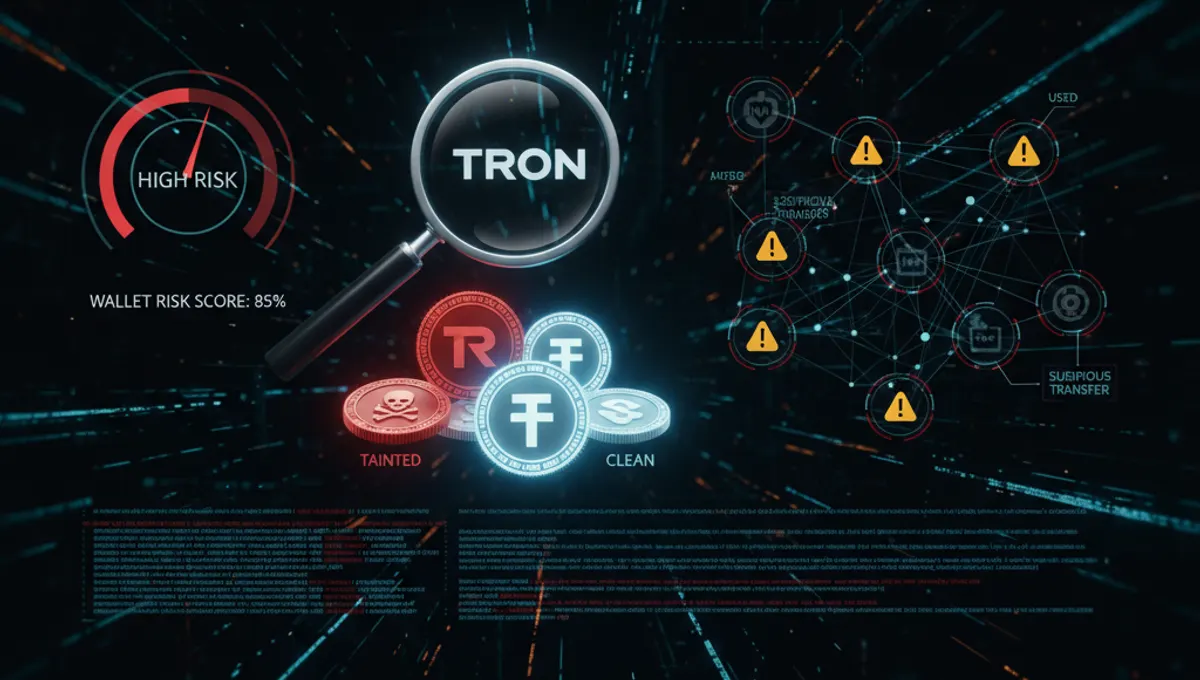
The HackerRank problem teaches query logic used in production AML systems that monitor crypto wallets for compliance. Real transaction monitoring screens for risk indicators: multiple rapid transfers (velocity checks), transactions from sanctioned addresses, mixing service usage, and darknet marketplace exposure. The SQL skills you develop solving HackerRank translate directly to writing queries that flag tainted coins, detect stolen funds, and identify wallets linked to scams or gambling platforms. Compliance teams use similar aggregation logic to generate risk scores for wallets and transactions. When you encounter a real crypto wallet before sending USDT or TRX, the underlying system queries transaction history using techniques from this HackerRank problem. Understanding how to filter and aggregate blockchain data helps you recognize why certain wallets receive frozen USDT or exchange account bans—the same queries that identify suspicious patterns trigger compliance holds.
PDF Resources and Documentation for the Solution
HackerRank solution PDFs are often shared on coding forums and GitHub as downloadable guides. These documents typically include the problem statement, constraints, sample test cases, and annotated code with line-by-line explanations. A well-written PDF solution breaks down the algorithm: what data structures are needed, why certain SQL clauses are necessary, and how to optimize for large datasets. When downloading PDFs, verify the source is a reputable coding community or official HackerRank documentation to avoid outdated or incorrect solutions. Some PDFs include complexity analysis (time and space), helping you understand scalability—important when applying these techniques to monitor thousands of crypto wallets in real time. Look for PDFs that explain not just the syntax but the business logic: why you aggregate by wallet, what thresholds indicate risk, and how to interpret results for compliance decisions.
Best Practices for Crypto Transaction Monitoring After Solving HackerRank
Once you understand the HackerRank solution, apply those skills to screen real crypto wallets before receiving funds. Use the transaction monitoring principles to check USDT TRC20 and Bitcoin addresses for risk: query transaction history, identify patterns, and assess whether the wallet shows signs of tainted coins or sanctions exposure. When evaluating a wallet's risk score, look for red flags the HackerRank problem teaches you to detect: high transaction velocity, large round-number amounts, and clustering around specific time periods. Before sending crypto, verify the receiving wallet through trusted AML services listed on our AML Services page—these platforms apply SQL-based transaction monitoring similar to the HackerRank challenge to calculate risk scores and flag stolen or sanctioned funds. Acceptable risk score thresholds typically range from 0–20 (low risk) to 80–100 (high risk); avoid wallets scoring above 70 unless you have verified the funds' legitimacy. Understanding the technical foundation of transaction monitoring helps you make informed decisions about which wallets are safe to transact with.
Frequently asked questions
What is the main goal of the HackerRank crypto market transactions monitoring problem
The problem asks you to write SQL queries that process blockchain transaction data and identify patterns, such as high-volume wallets, rapid transfers, or repeat offenders. It tests your ability to aggregate, filter, and analyze transaction records—skills used in real AML systems that screen crypto wallets for compliance risk and detect tainted funds.
How do I find the HackerRank crypto market transactions monitoring solution on GitHub
Search GitHub for 'hackerrank crypto market transactions monitoring' or browse coding challenge repositories organized by problem difficulty. Look for folders labeled 'databases' or 'sql-challenges'. Verify solutions include explanations and handle edge cases like null values and duplicate transactions before using them as reference.
What SQL techniques are essential for solving this HackerRank problem
Key techniques include SELECT with WHERE filters, GROUP BY aggregations, HAVING clauses to filter groups, JOIN operations to correlate data, and CASE statements for classification. Window functions like ROW_NUMBER() and subqueries help identify outliers. These same techniques power real AML transaction monitoring systems that flag suspicious wallet activity.
How does the HackerRank solution relate to checking real crypto wallets for AML risk
The HackerRank problem teaches query logic used in production AML systems. Real transaction monitoring screens wallets for velocity, sanctioned addresses, mixing service usage, and darknet exposure. Before sending USDT or TRX, use trusted AML services on our AML Services page to screen wallets using similar transaction analysis techniques.
What risk score thresholds should I use when monitoring crypto transactions
Acceptable thresholds typically range from 0–20 (low risk) to 80–100 (high risk). Avoid wallets scoring above 70 unless you verify the funds' legitimacy. Real AML systems calculate risk scores by aggregating transaction patterns—the same logic the HackerRank problem teaches—to detect tainted coins and stolen funds before they reach your wallet.