What Is Crypto Market Transactions Monitoring?
Crypto market transactions monitoring is the systematic tracking and analysis of blockchain transactions to detect anomalies, illicit activity, and compliance violations. Unlike traditional finance, blockchain transactions are immutable and publicly visible, making monitoring both easier and more complex. Monitoring systems analyze transaction patterns, wallet behavior, transaction volume, and address clustering to identify risk factors. This includes detecting transactions involving mixers, darknet markets, sanctioned entities, and stolen funds. Exchanges, custodians, and compliance teams use transaction monitoring to flag suspicious activity before processing deposits or withdrawals. The goal is to prevent money laundering, terrorist financing, and sanctions violations while maintaining operational efficiency. Real-time monitoring systems process thousands of transactions per second across multiple blockchains, correlating data from public ledgers with internal risk databases.
How HackerRank Solutions Approach Transaction Analysis
HackerRank problems on crypto market transactions monitoring teach developers to build scalable systems using SQL queries, algorithmic pattern recognition, and data structure optimization. Common HackerRank solutions involve writing SQL queries to aggregate transaction data, calculate risk scores based on transaction history, and identify address clusters linked to illicit activity. GitHub repositories containing HackerRank solutions demonstrate how to parse blockchain data, normalize transaction records, and implement efficient filtering algorithms. These solutions typically use MySQL or similar databases to store transaction metadata, timestamps, sender/receiver addresses, and amounts. Developers learn to write queries that detect circular transactions, rapid fund movements, and connections to known risk addresses. PDF solutions often include explanations of time complexity, database indexing strategies, and how to handle large-scale transaction datasets. The algorithmic approach teaches pattern matching, graph traversal for address clustering, and statistical anomaly detection methods used in production AML systems.
SQL and MySQL Approaches to Transaction Monitoring
SQL-based transaction monitoring systems store blockchain data in relational databases where transactions can be queried, aggregated, and analyzed efficiently. MySQL implementations typically include tables for transactions, addresses, wallets, risk scores, and flagged entities. A basic schema includes transaction ID, timestamp, sender address, receiver address, amount, blockchain, and transaction hash. Queries can calculate the number of transactions per address, total volume moved, transaction frequency, and connections to known risk addresses. Advanced queries use window functions to detect rapid fund movements, identify circular patterns, and calculate risk scores based on transaction history. MySQL solutions implement indexes on address columns and timestamps to handle millions of records without performance degradation. Developers write queries to join transaction tables with risk databases, identifying when funds flow from flagged addresses to new wallets. This approach enables compliance teams to generate reports, audit trails, and alerts for suspicious activity. The HackerRank solutions teach optimization techniques to handle real-time queries on large datasets.
Building Risk Scoring Systems for Transactions
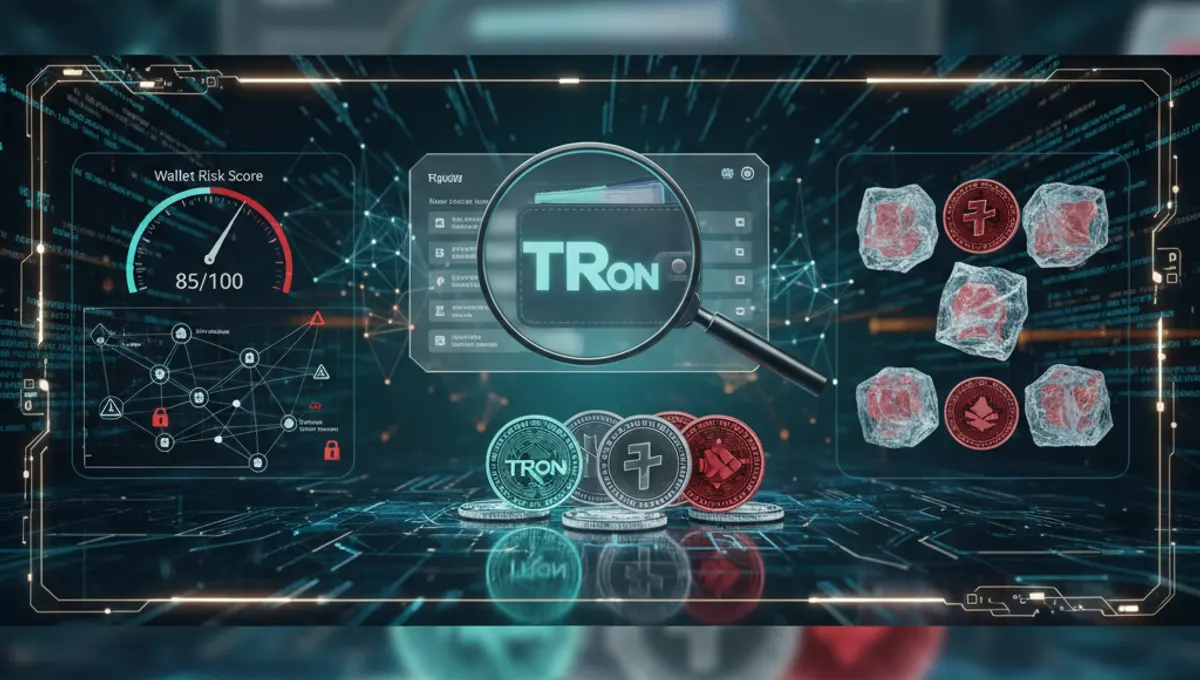
Risk scoring in crypto transactions combines multiple factors to assign a numerical score indicating the likelihood of illicit activity or compliance violation. Factors include transaction size relative to wallet history, frequency of transactions, connections to known risk addresses, use of mixers, and time-based patterns. A transaction from a wallet with no prior activity sending large amounts to multiple addresses receives a higher risk score than routine transfers. Transactions involving addresses linked to darknet markets, sanctions lists, or stolen funds receive automatic risk flags. Time-based scoring detects unusual activity outside normal patterns, such as sudden large transfers after months of inactivity. HackerRank solutions teach developers to implement weighted scoring models where different risk factors contribute different percentages to the final score. For example, a transaction to a sanctioned address might add 50 points, while a mixer interaction adds 30 points. Risk scores typically range from 0 to 100, with thresholds determining whether transactions are blocked, reviewed, or approved. The scoring system must balance sensitivity to catch illicit activity while avoiding false positives that disrupt legitimate users.
Detecting Tainted Coins and Stolen Funds
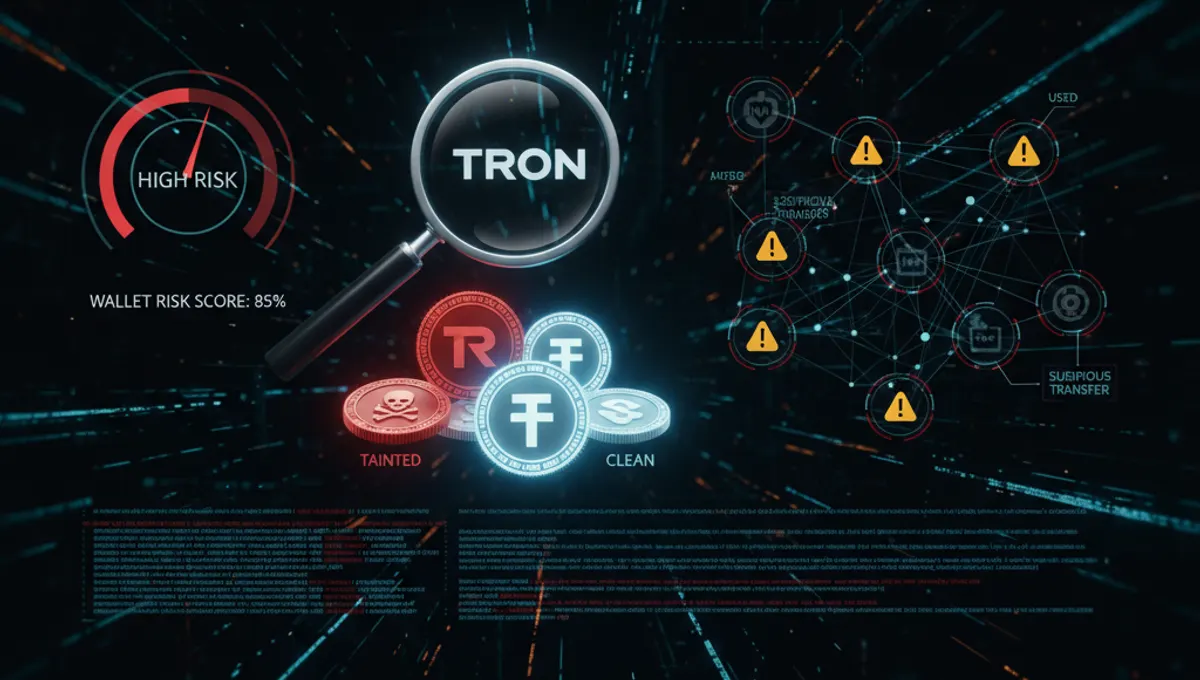
Tainted coins are cryptocurrency that has been involved in illicit activity, theft, or sanctions violations. Detecting tainted funds requires tracing transaction history backward and forward through the blockchain to identify the source and current holders. When stolen funds are reported, compliance systems add the associated addresses to risk databases. Subsequent transactions involving those addresses are flagged as potentially tainted. Mixing services complicate detection by breaking the transaction chain, but advanced monitoring systems can identify mixer interactions and flag the output addresses as higher risk. HackerRank solutions teach graph-based algorithms to trace fund flows through multiple hops, identifying when tainted coins move through intermediary wallets. The challenge is that tainted coins become progressively less certain to identify after multiple transactions. A transaction receiving funds from a mixer that previously received stolen coins is riskier than a direct transfer from a known theft address. Compliance teams use risk scoring to assign probability levels rather than binary tainted/clean classifications. When users attempt to deposit tainted coins to exchanges, the transaction is typically blocked and the account may be frozen pending investigation.
Implementing Real-Time Monitoring Systems
Real-time crypto market transactions monitoring requires systems that process blockchain data as transactions are confirmed and immediately flag suspicious activity. These systems connect to blockchain nodes, parse incoming transactions, and compare them against risk databases within seconds. The architecture typically includes data ingestion layers that normalize transactions from multiple blockchains, processing engines that apply risk rules and scoring algorithms, and alert systems that notify compliance teams. HackerRank solutions teach developers to optimize query performance and implement caching strategies to handle high transaction volumes. Real-time systems must balance accuracy with speed, flagging high-risk transactions quickly while minimizing false positives. Database design is critical, with proper indexing on address fields, timestamps, and risk categories. The system maintains updated lists of sanctioned addresses, known theft addresses, and darknet market wallets. When a transaction matches these lists or triggers risk scoring thresholds, automated alerts are generated. Compliance teams can then review the transaction, investigate the wallet, and decide whether to block, delay, or approve the transaction. Integration with exchange APIs enables automatic blocking of high-risk deposits.
Practical Steps to Check Transactions Before Receiving Crypto
Before receiving USDT, TRX, Bitcoin, or other cryptocurrency, verify that the sending address is not flagged for illicit activity or sanctions violations. Step 1: Obtain the sender's wallet address and confirm it matches the expected source. Step 2: Use an AML screening service to check the address against risk databases, including sanctions lists, stolen funds databases, and darknet market addresses. Step 3: Review the risk score provided by the screening service, typically ranging from low (0-20), medium (20-50), high (50-80), to critical (80-100). Step 4: Check the transaction history of the sending address to identify patterns of rapid fund movement, mixer usage, or connections to flagged addresses. Step 5: If the risk score is above your acceptable threshold, contact the sender to clarify the source of funds. Step 6: For high-risk transactions, consider requesting additional documentation or declining the transfer. Our curated list of verified AML services on this site provides trusted screening tools that integrate with your wallet or exchange to automate this process. Using these services before receiving funds prevents your account from being frozen due to tainted coin deposits.
Frequently asked questions
What is a risk score in crypto transactions?
A risk score is a numerical rating (typically 0-100) assigned to a cryptocurrency transaction or wallet based on factors like transaction history, connections to illicit addresses, mixer usage, and sanctions list matches. Higher scores indicate greater compliance risk. Scores above 50-70 typically trigger manual review or automatic blocking by exchanges.
How do HackerRank solutions help with transaction monitoring?
HackerRank problems teach developers to build transaction analysis systems using SQL queries, algorithmic pattern recognition, and database optimization. Solutions demonstrate how to aggregate blockchain data, calculate risk scores, detect address clustering, and identify suspicious patterns. GitHub repositories and PDF solutions provide code examples for implementing these techniques in production systems.
Can I detect tainted coins before receiving them?
Yes. Before receiving cryptocurrency, use an AML screening service to check the sender's address against risk databases including stolen funds lists, sanctions lists, and darknet market addresses. If the address shows high risk or tainted coin history, decline the transfer or request clarification from the sender. This prevents your account from being frozen.
What happens if I receive stolen cryptocurrency?
If you receive stolen cryptocurrency, exchanges will typically freeze your account when the funds are deposited and flagged by their monitoring systems. You may be unable to withdraw the funds pending investigation. The account may be permanently closed if compliance teams determine you knowingly received tainted coins. Checking addresses before receiving funds prevents this situation.
How do SQL queries detect suspicious transaction patterns?
SQL queries aggregate transaction data to identify patterns like rapid fund movements between addresses, circular transactions, connections to known risk addresses, and unusual volume spikes. Window functions calculate metrics per address over time. Queries join transaction tables with risk databases to flag when funds flow from sanctioned or stolen addresses to new wallets.