What Are OFAC Sanctions Screening Requirements?
OFAC sanctions screening requirements mandate that financial institutions and crypto service providers screen customers, beneficiaries, and transaction counterparties against multiple sanctions lists maintained by the U.S. Treasury Department. The primary list is the Specially Designated Nationals (SDN) list, which identifies individuals, entities, and vessels subject to comprehensive sanctions. Additional lists include the Consolidated Non-SDN List, the Foreign Sanctions Evaders List, and sector-specific sanctions programs. For cryptocurrency, this means checking wallet addresses, transaction recipients, and user identities before processing deposits, withdrawals, or transfers. Crypto exchanges and wallet providers must screen both incoming and outgoing transactions to prevent sanctions evasion. The requirement applies regardless of transaction size or customer jurisdiction, though enforcement intensity varies by regulatory context.
Types of Sanctions Screening in Crypto Compliance
Sanctions screening in crypto involves multiple overlapping checks. Primary sanctions screening matches customer names and wallet addresses directly against OFAC lists. Secondary screening identifies beneficial owners and control persons behind corporate entities or complex wallet structures. Transaction screening monitors blockchain activity for patterns consistent with sanctioned jurisdictions or entities. Enhanced due diligence (EDD) applies heightened scrutiny to high-risk customers, including those from OFAC-designated countries like Iran, Syria, North Korea, and Cuba. Negative news screening flags individuals and entities involved in corruption, terrorism financing, or money laundering. For blockchain-specific compliance, wallet screening examines transaction history to detect connections to darknet markets, mixers, stolen funds, or scams. AML check requirements often combine these methods to produce a composite risk score. Services listed on our AML Services page offer integrated screening combining OFAC, sanctions, and blockchain analytics in a single check.
How OFAC Sanctions Screening Works for Wallet Addresses
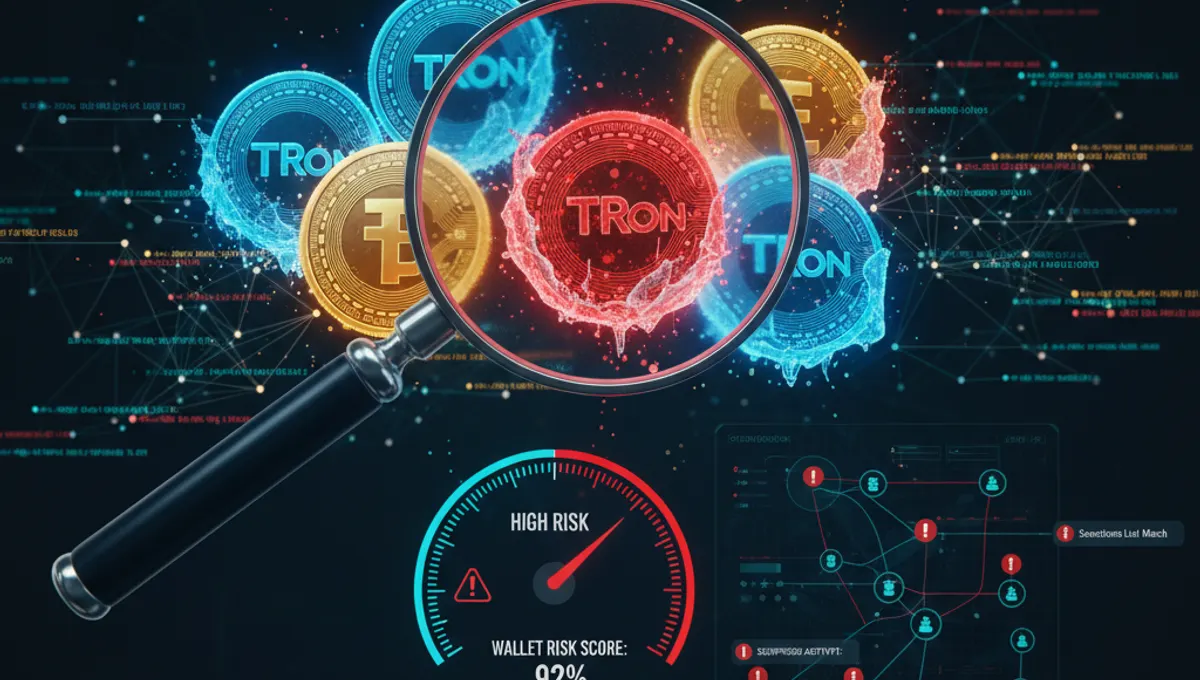
OFAC sanctions screening for crypto wallets operates through name-matching algorithms and blockchain transaction analysis. When a user deposits or withdraws funds, the platform extracts the wallet address and associated metadata. The system queries the address against OFAC's SDN list and related sanctions databases using fuzzy matching to catch misspellings and aliases. Simultaneously, blockchain analytics tools trace the wallet's transaction history to identify connections to sanctioned entities or high-risk sources. If a wallet has received funds from a mixer, darknet market, or known theft, the screening tool flags it as higher risk. The system generates a risk score reflecting the probability that the wallet is controlled by or connected to a sanctioned entity. Transactions flagged as high-risk are typically blocked pending manual review. Crypto wallet screening services integrate these checks into real-time workflows, allowing compliance teams to make rapid allow/block decisions without disrupting legitimate users.
AML Check Requirements and Sanctions Screening Integration
AML check requirements encompass sanctions screening as a mandatory component. Know Your Customer (KYC) procedures must include sanctions screening at account opening and periodically thereafter. Ongoing transaction monitoring must flag transactions with sanctioned counterparties. Customer Due Diligence (CDD) requires collecting sufficient information to screen customers against sanctions lists. Enhanced Due Diligence (EDD) applies to higher-risk customers and involves deeper investigation of beneficial ownership and source of funds. For crypto, AML check requirements extend to fake crypto wallet screening—verifying that wallet addresses are legitimate and not spoofed or controlled by bad actors. Compliance programs must document all screening results, maintain audit trails, and report suspicious activity to FinCEN. The integration of sanctions screening into AML workflows ensures that compliance teams catch both money laundering and sanctions evasion simultaneously. Many crypto platforms use unified AML and sanctions screening tools to meet these overlapping requirements efficiently.
Risk Score Thresholds and Sanctions Screening Decisions
Risk scores from sanctions and AML screening typically range from 0 (lowest risk) to 100 (highest risk), though some systems use percentage scales or categorical ratings. A score below 20 generally indicates minimal sanctions or AML risk and transactions are typically approved automatically. Scores between 20 and 50 warrant manual review—compliance teams investigate the wallet's transaction history, ownership, and source of funds before deciding to allow or block. Scores above 50 usually trigger enhanced due diligence or transaction blocking pending customer response. Scores above 75 often result in immediate blocking and potential reporting to authorities. Acceptable risk score thresholds vary by organization and regulatory jurisdiction; some exchanges accept scores up to 40, while others maintain stricter limits at 30. Fake crypto wallet screening and transaction history analysis are critical inputs to these scores. Organizations should establish clear risk appetite policies and document their thresholds in compliance procedures. Consulting the verified AML services on our AML Services page helps ensure your screening thresholds align with industry standards and regulatory expectations.
What to Do If Your Wallet Is Flagged by Sanctions Screening
If your wallet receives a high-risk flag from sanctions or AML screening, the first step is to contact the platform's compliance team and request details about the flag. Provide documentation explaining the source of funds, the business purpose of the transaction, and any relevant contracts or invoices. If the flag results from a false positive—such as a name match with a sanctioned individual but different identity—submit identity verification documents and request a manual review. If your wallet received funds from a mixer or darknet source unknowingly, document when you received the funds and from whom, then request the platform investigate the source. Some platforms allow you to quarantine flagged funds pending resolution. Do not attempt to move flagged funds to another wallet to evade screening; this typically triggers additional compliance holds and reporting. If your account is frozen, respond promptly to compliance inquiries and provide all requested documentation. In severe cases involving confirmed sanctions violations, funds may be permanently blocked and reported to OFAC. Proactive wallet screening before receiving funds helps avoid these situations—check addresses through trusted services before accepting large transfers.
Implementing Sanctions Screening in Your Compliance Program
Effective sanctions screening requires a documented compliance program with clear policies, trained staff, and appropriate technology. Establish a sanctions screening policy defining which transactions trigger screening, acceptable risk thresholds, and escalation procedures. Select screening tools that cover OFAC SDN lists, related sanctions databases, and blockchain transaction history. Integrate screening into your transaction workflow so all deposits, withdrawals, and transfers are screened before settlement. Conduct initial screening at account opening and periodic re-screening of existing customers. Train compliance staff to interpret screening results, distinguish false positives from genuine risks, and document decisions. Maintain audit trails showing all screening results, manual reviews, and decisions. File Suspicious Activity Reports (SARs) with FinCEN for transactions involving sanctioned entities or patterns consistent with sanctions evasion. Conduct annual compliance audits to verify screening effectiveness and identify gaps. Many organizations use third-party AML services to supplement internal screening—our AML Services page lists verified providers offering comprehensive sanctions and AML screening for crypto wallets and transactions.
Frequently asked questions
What is the difference between OFAC screening and AML screening?
OFAC screening specifically checks for sanctioned entities, countries, and individuals on U.S. Treasury lists. AML screening is broader, detecting money laundering patterns, suspicious activity, and financial crime. Both are required; OFAC screening focuses on sanctions compliance while AML screening addresses financial crime more generally. Many platforms combine both into integrated checks.
Do I need to screen crypto wallets if I'm not a regulated exchange?
If you handle customer funds or process transactions on behalf of others, you likely qualify as a money services business (MSB) and must comply with OFAC and AML requirements. This includes wallet providers, custodians, and platforms. Even peer-to-peer transactions involving large amounts may trigger reporting obligations. Consult legal counsel about your specific obligations.
How often should I re-screen existing customers for sanctions?
Regulations require ongoing monitoring, not just initial screening. Most compliance programs re-screen customers annually or when they initiate new transaction types. High-risk customers may be re-screened quarterly or continuously. Blockchain-based monitoring can flag changes in wallet activity in real-time, triggering immediate review if new sanctions risks emerge.
What happens if I miss a sanctions violation?
Failure to detect and block sanctioned transactions can result in civil penalties up to $250,000 per violation, criminal prosecution, and loss of operating licenses. OFAC publishes enforcement actions showing penalties for missed screening. Maintaining documented, effective screening procedures is your primary defense against liability.
Can blockchain analytics detect all sanctioned wallet activity?
Blockchain analytics can identify many sanctioned transactions through address clustering and transaction tracing, but sophisticated actors use mixers, privacy coins, and cross-chain bridges to obscure activity. Effective screening combines blockchain analysis with name-matching, customer due diligence, and transaction monitoring to catch both obvious and obfuscated sanctions violations.