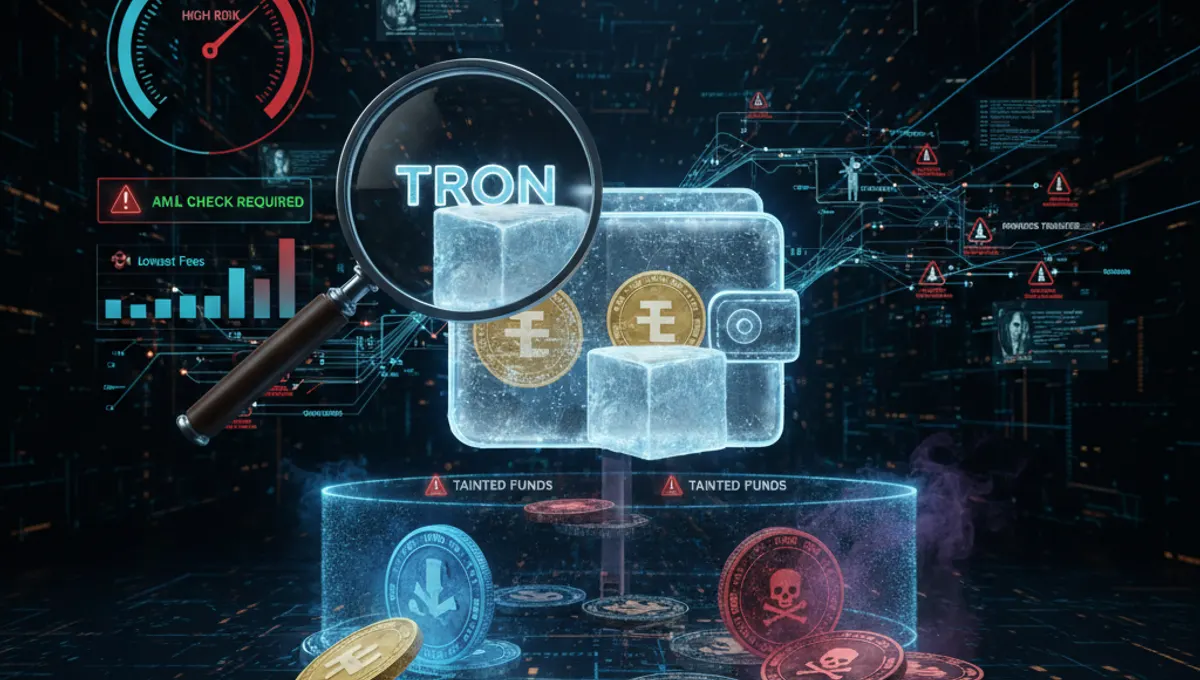
What Is a Fake Crypto Wallet and Why Does It Matter
A fake crypto wallet is an address created to deceive users or facilitate illegal activity. Unlike legitimate wallets, fake ones may be controlled by scammers, theft rings, or entities under sanctions. They often appear legitimate on the surface but are linked to phishing schemes, rug pulls, or money laundering operations. Screening for fake wallets protects you from sending funds to criminals or receiving stolen cryptocurrency that exchanges may later freeze. When you receive USDT or TRX from an unknown source, the wallet's history matters: if it's connected to a mixer, darknet market, or theft, your coins become tainted. Exchanges monitor incoming deposits and may flag or freeze accounts that receive funds from high-risk wallets. A crypto wallet screening reveals these connections before the transaction settles.
How Crypto Wallet Screening Detects Fake and Fraudulent Addresses
Crypto wallet screening works by analyzing the transaction history and metadata of an address against known risk databases. The process checks whether a wallet has received or sent funds to mixers, darknet markets, scam addresses, or sanctioned entities. Blockchain analytics tools trace the flow of coins through the ledger, identifying patterns that suggest fraud or money laundering. A screening report assigns a risk score based on factors like transaction frequency, cluster associations, and temporal patterns. For example, if a wallet received coins directly from a known theft address, it will be flagged as tainted. Sanctions screening cross-references wallet addresses against OFAC and other regulatory lists. The result is a risk profile that shows whether the wallet is clean, medium-risk, or high-risk. Most legitimate wallets score low because they have minimal exposure to illicit activity. Fake wallets often score high due to direct links to criminal infrastructure.
Red Flags That Indicate a Fake or High-Risk Crypto Wallet
Several warning signs suggest a wallet is fake or fraudulent. First, check the wallet's age: brand-new addresses with immediate large transactions are suspicious. Second, look for mixer exposure: if the wallet has sent or received funds through a coin mixer, the coins are likely being obscured for illegal purposes. Third, examine darknet connections: wallets linked to darknet markets or illegal marketplaces are inherently high-risk. Fourth, watch for rapid fund movement: legitimate users typically hold coins for periods; scammers move funds quickly to exchanges or mixers. Fifth, check for sanctions hits: if the wallet matches a sanctioned entity or individual, it is illegal to transact with it. Sixth, look for cluster associations: if the wallet is part of a cluster known for theft or fraud, assume it is compromised. Seventh, verify the sending address: if someone claims to represent a legitimate service but the wallet differs from official sources, it is likely fake. Running a crypto wallet screening before accepting a deposit reveals these red flags automatically.
Step-by-Step: How to Screen a Crypto Wallet Before Receiving Funds
Follow these steps to screen a wallet before accepting USDT, TRX, BTC, or other assets. First, obtain the full wallet address from the sender and verify it independently through official channels if possible. Second, visit a trusted AML screening service listed on our verified AML Services page. Third, enter the wallet address and select the blockchain (Tron for TRX, Bitcoin for BTC, Ethereum for ETH). Fourth, run the screening and wait for the risk report. Fifth, review the risk score: scores below 30 are generally acceptable, 30–70 warrant caution, and above 70 indicate high risk. Sixth, examine the detailed findings: check for mixer exposure, darknet links, theft flags, and sanctions hits. Seventh, if the wallet is flagged, ask the sender for an alternative address or decline the transaction. Eighth, if the wallet is clean, proceed with the transaction. Document the screening result for compliance records, especially if you operate an exchange or handle large volumes. This process takes minutes and prevents receiving tainted coins that could freeze your account later.
Understanding Crypto Wallet Risk Scores and What They Mean
A crypto wallet risk score is a numerical rating that reflects the likelihood a wallet is involved in illicit activity. Scores typically range from 0 to 100, with lower scores indicating cleaner wallets. A score of 0–20 means the wallet has minimal exposure to known risk factors and is safe to transact with. A score of 20–50 suggests the wallet has some exposure to mixers, gambling, or other medium-risk activities but is not directly linked to theft or sanctions. A score of 50–80 indicates significant red flags such as darknet connections, multiple mixer interactions, or cluster associations with known fraud. A score of 80–100 means the wallet is highly likely to be involved in theft, sanctions violations, or money laundering and should be avoided. Risk scores are not absolute judgments but probabilistic assessments based on blockchain data. A wallet's score can change if new transactions add risk factors. When screening a wallet, focus on the specific risk categories flagged, not just the number: a wallet with a 60 score due to gambling exposure is different from one with a 60 score due to theft.
What to Do If Your Wallet Is Flagged as Fake or High-Risk
If your wallet receives a high-risk screening result, take immediate action. First, review the detailed report to understand which risk factors triggered the flag. If the flag is due to a false positive or outdated data, contact the screening service for clarification or dispute. If the flag is legitimate and you received tainted coins, do not send them to an exchange immediately; exchanges monitor deposits and may freeze your account. Instead, consult a compliance specialist or legal advisor about your options. Some jurisdictions allow you to report stolen funds to authorities and request guidance. If you are a business, document the screening result and the risk factors for your compliance file. If you suspect the wallet belongs to a scammer, report it to the blockchain platform and relevant authorities. For future transactions, always screen wallets before accepting deposits. If you operate an exchange or payment processor, implement mandatory wallet screening for all incoming deposits to protect your platform from sanctions violations and frozen USDT incidents. Our AML Services page lists verified screening tools that integrate with your workflow.
Comparing Crypto Wallet Screening Services and Choosing the Right One
Multiple AML screening services offer crypto wallet screening, each with different coverage, speed, and pricing. Some services focus on specific blockchains like Tron (TRX and USDT TRC20) while others cover Bitcoin, Ethereum, and others. Key factors to compare include coverage (which blockchains and assets), update frequency (how often risk data is refreshed), sanctions screening (OFAC and other lists), and API availability (for automated checks). Free screening tools often provide basic risk scores but limited detail. Paid services offer comprehensive reports, historical analysis, and integration options. For businesses, consider whether the service provides batch screening, API access, and compliance reporting. Check the service's data sources: reputable providers use blockchain analytics, law enforcement databases, and exchange reports. Visit our curated AML Services page to review verified screening providers that meet compliance standards. Each service has strengths; choose based on your blockchain focus, transaction volume, and budget. For one-off checks, free tools suffice; for ongoing compliance, a paid subscription is more reliable.
Frequently asked questions
How can I tell if a crypto wallet is fake or scam
Check the wallet's transaction history using a blockchain explorer or AML screening tool. Look for red flags: brand-new address, rapid fund movement, mixer exposure, darknet connections, or sanctions hits. Verify the wallet address independently through official sources. If the sender cannot provide a legitimate reason for the wallet's history, assume it is fake.
What does a high risk score mean for a crypto wallet
A high risk score (typically 70+) indicates the wallet is likely involved in theft, money laundering, sanctions violations, or darknet activity. Do not send funds to or accept deposits from high-risk wallets. A high score does not prove guilt but reflects significant exposure to illicit activity based on blockchain data.
Can I receive USDT from a wallet flagged as high-risk
Technically yes, but it is risky. If you receive USDT from a high-risk wallet, exchanges may flag your account during deposit. Your coins could be frozen pending investigation. Always screen wallets before accepting deposits to avoid receiving tainted USDT that could compromise your account.
How often should I screen crypto wallets for compliance
Screen every wallet before accepting a deposit, especially for large transactions. If you operate an exchange or payment processor, implement mandatory screening for all incoming deposits. For ongoing monitoring, use transaction monitoring services that flag high-risk activity in real time.
What is the difference between a fake wallet and a compromised wallet
A fake wallet is created intentionally for fraud or scams. A compromised wallet is legitimate but has been hacked or stolen. Both pose risk, but fake wallets are designed for deception while compromised wallets may have been misused by attackers. Screening reveals both types through transaction history analysis.