What Is a Tron Address and Why AML Screening Matters
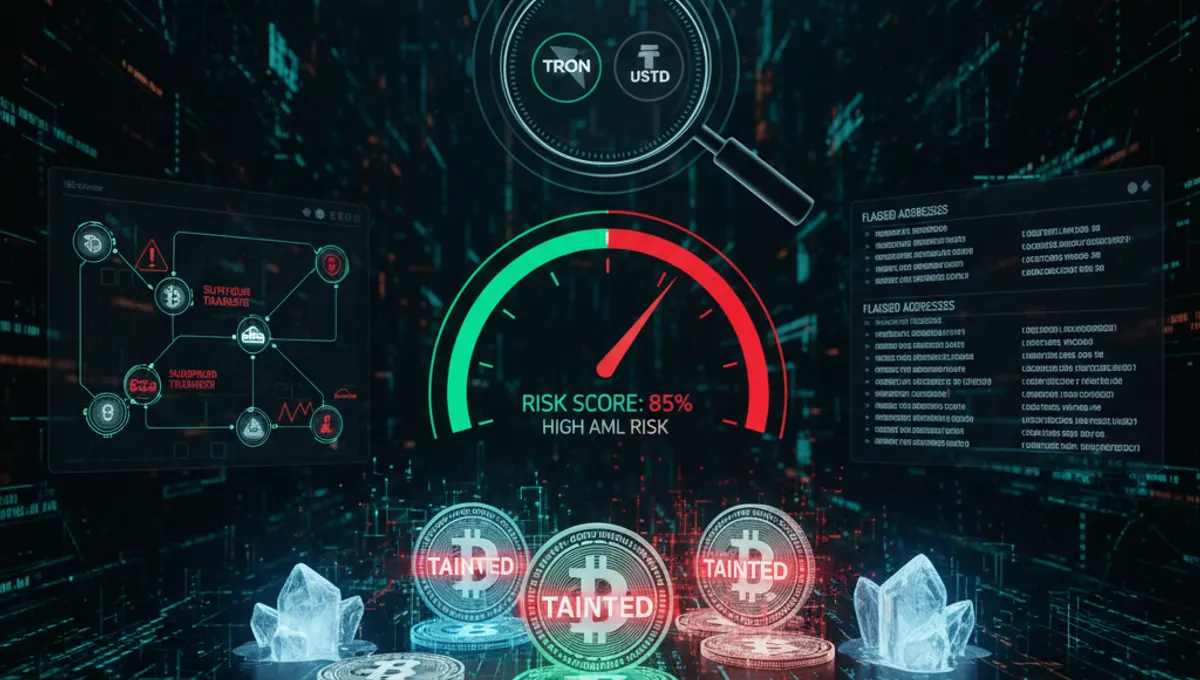
A Tron address is a 34-character alphanumeric string starting with 'T', derived from a public key on the Tron network. It functions like a bank account number but operates on a decentralized blockchain. Every transaction to and from a Tron address is recorded permanently on the ledger, making transaction history traceable. AML screening of Tron addresses is critical because receiving funds from high-risk sources can trigger exchange freezes, compliance violations, and legal exposure. Exchanges, payment processors, and custodians now routinely screen incoming Tron wallets. A single deposit from a flagged address can result in account suspension or asset seizure. Checking a Tron address before receiving funds is a basic compliance step that protects both individuals and institutions.
How to Check a Tron Address: Step-by-Step Guide
To check a Tron address for AML risk, follow these steps:
1. Obtain the Tron address you want to screen (it begins with 'T').
2. Visit a trusted AML screening service listed on our verified AML Services directory.
3. Enter the Tron address into the wallet checker tool.
4. Review the risk score and detailed report, which typically includes:
- Overall AML risk rating (low, medium, high, critical)
- Transaction history and counterparty analysis
- Exposure to known risk categories (mixers, darknet, stolen funds, sanctions)
- Taint percentage (how much of the wallet's balance is linked to risky activity)
5. Examine the transaction timeline to understand the wallet's behavior.
6. Cross-reference any flagged activity with your own records.
7. Decide whether to accept the transaction based on your risk tolerance and compliance policy.
Most AML check services provide results instantly. Some offer free basic checks with limited detail; premium reports include deeper forensics and historical data.
Understanding Tron Address Risk Scores and What They Mean
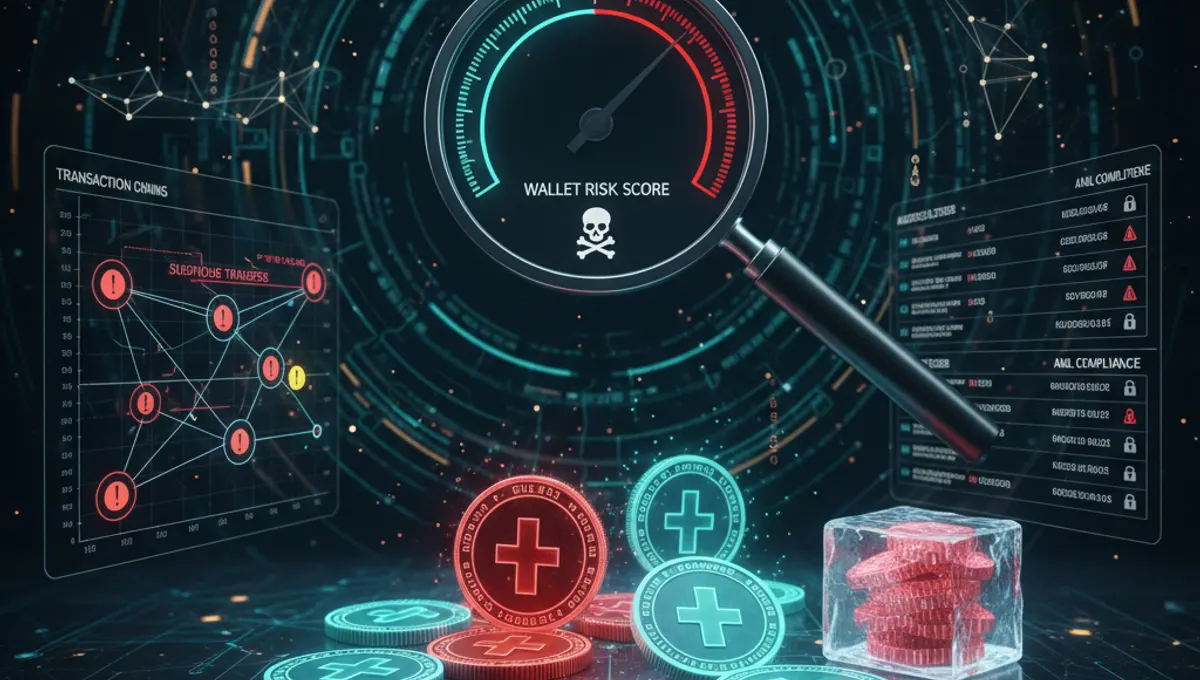
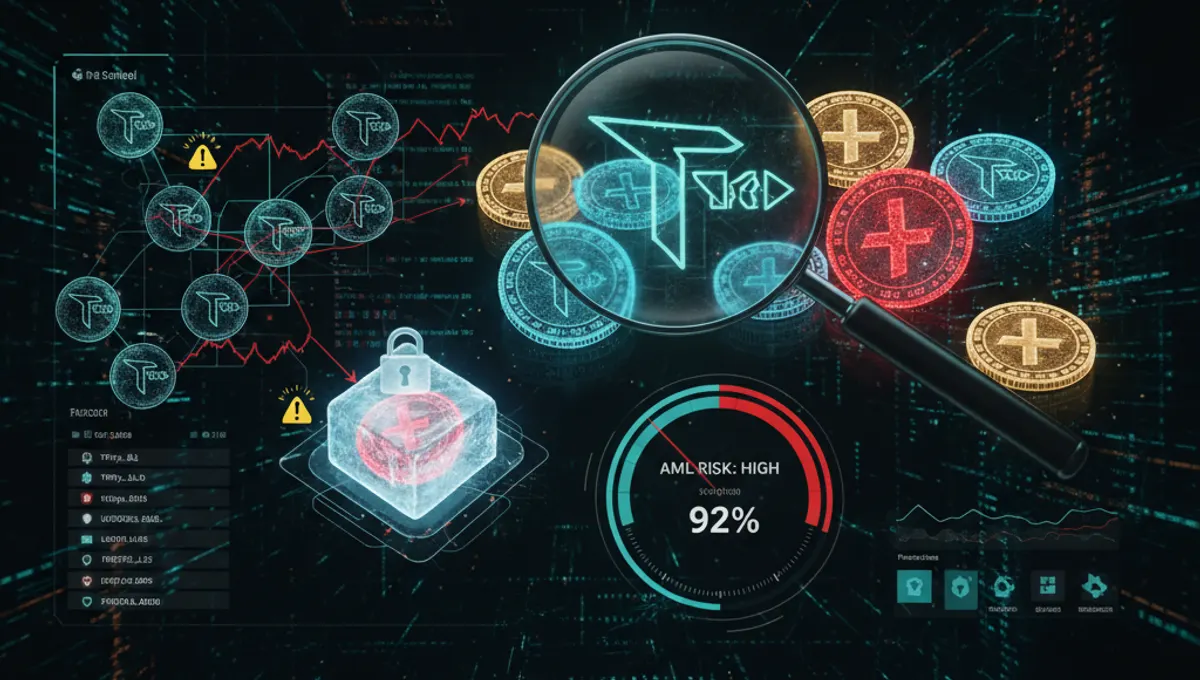
An AML risk score for a Tron address is a numerical or categorical rating that reflects the likelihood of illicit activity. Risk scores typically range from 0–100 or are labeled as low, medium, high, or critical. A low score (0–20) indicates minimal exposure to known risk factors and is generally safe to accept. A medium score (21–50) suggests some historical exposure to risky activity but may be acceptable depending on your compliance threshold. A high score (51–80) signals significant red flags such as mixer interaction, darknet marketplace links, or stolen fund traces. A critical score (81–100) indicates direct or recent involvement with sanctions lists, active scams, or major theft incidents. Most institutional policies set acceptable thresholds at low to medium risk. The score is derived from blockchain forensics, which traces coin provenance and identifies patterns associated with illicit use. Tron address checkers update their risk assessments as new transaction data becomes available.
Common Risk Categories Found in Tron Address Screening
When you check a Tron address, screening tools flag exposure to several risk categories:
- Mixers and tumblers: Services that obscure transaction trails by pooling and redistributing funds.
- Darknet markets: Wallets linked to illegal marketplaces on Tor networks.
- Stolen funds: Coins traced to theft, hacking, or unauthorized access incidents.
- Sanctioned entities: Addresses controlled by individuals or organizations on government sanctions lists (OFAC, EU, UN).
- Scam and fraud: Wallets associated with Ponzi schemes, rug pulls, or phishing campaigns.
- Gambling platforms: High-volume gambling services that may carry compliance risk in certain jurisdictions.
- Ransomware: Addresses that received payments from ransomware attacks.
A single Tron address may have exposure to multiple categories. The AML check report breaks down each exposure type and shows the transaction paths that led to the flagged activity. This granularity helps you assess whether the risk is acceptable for your use case.
What Happens If Your Tron Address Is Flagged as High Risk
If your Tron address receives a high or critical AML risk score, several consequences may follow:
- Exchange deposits may be rejected or delayed pending manual review.
- Your exchange account may be frozen or suspended while compliance teams investigate.
- Funds may be held in escrow or seized if they are linked to criminal activity.
- You may be required to provide documentation proving the source of funds (source of funds declaration).
- Your account may be permanently closed if the risk cannot be mitigated.
- Regulatory authorities may be notified, depending on the jurisdiction and severity.
If you receive a high-risk flag, contact the exchange or service immediately and provide a clear explanation of the transaction. If the funds are legitimately yours, you can request a manual review. Document your source of funds and any relevant transaction records. In some cases, the flagged activity may be from a previous owner of the address, not your own conduct. However, once funds are received at a flagged address, they inherit that risk status. To avoid this, always check a Tron address before accepting incoming transfers.
Best Practices for Screening Tron Addresses Before Receiving Funds
Implement these practices to minimize AML risk when working with Tron addresses:
- Always check a Tron address before accepting significant transfers. Use the verified AML services listed on our directory for consistent, reliable screening.
- Set a risk threshold for your organization (e.g., accept only low-risk addresses, or low and medium with approval).
- Request the sender's wallet address in advance and screen it before the transaction is initiated.
- For high-value transactions, request additional documentation such as proof of identity or source of funds.
- Monitor your own Tron address regularly to detect unexpected inbound transfers from risky sources.
- Use a dedicated receiving address for each counterparty when possible, so you can track and screen each source independently.
- Maintain records of all AML checks performed, including timestamps and risk scores, for audit trails.
- If you operate an exchange or custodial service, integrate automated AML screening into your deposit workflow.
- Update your screening tools regularly, as new risk data is added to blockchain forensics databases continuously.
- Train staff on how to interpret risk reports and escalate high-risk transactions appropriately.
Comparing AML Check Services for Tron Address Screening
Several AML screening services support Tron address checking, each with different features and pricing models. Free tools often provide basic risk scoring but limited transaction history or forensic detail. Paid services typically offer comprehensive reports, API access for automated screening, and ongoing monitoring. When choosing a service, consider:
- Coverage: Does it screen Tron addresses and USDT TRC20 wallets specifically?
- Update frequency: How often is the risk database refreshed?
- Report depth: Does it show transaction paths, counterparty analysis, and risk category breakdowns?
- Speed: Are results instant or delayed?
- Integration: Can you connect it to your exchange, wallet, or compliance system via API?
- Compliance support: Does the vendor provide documentation suitable for regulatory audits?
Our curated directory of verified AML services includes tools that specialize in Tron screening. Start there to compare options that meet your compliance needs and budget. Most services offer a trial or free tier so you can test them before committing.
Frequently asked questions
How do I check a Tron address for AML risk?
Enter the Tron address (starting with 'T') into an AML screening tool from our verified services directory. The tool will analyze the address's transaction history and return a risk score within seconds. Review the report for exposure to mixers, darknet, stolen funds, or sanctions. Most services are free for basic checks; premium reports offer deeper forensics.
What does a high AML risk score on a Tron address mean?
A high risk score (typically 51–80) indicates the Tron address has significant exposure to illicit activity such as mixer interaction, darknet marketplace links, or stolen fund traces. Receiving funds at a high-risk address may trigger exchange freezes or account suspension. Critical scores (81–100) suggest direct involvement with sanctions or active scams and should be avoided.
Can I receive USDT TRC20 from a flagged Tron address?
Technically yes, but it carries compliance risk. If you deposit USDT TRC20 from a flagged address to an exchange, your account may be frozen pending review. Most exchanges reject or hold deposits from high-risk Tron addresses. Always check the sender's address before accepting the transfer to avoid asset seizure or account closure.
What are the main risk categories in Tron address screening?
Common risk categories include mixers, darknet markets, stolen funds, sanctioned entities, scams, gambling platforms, and ransomware. A Tron address may have exposure to multiple categories. AML reports break down each type and show the transaction paths linking the address to risky activity, helping you assess the severity.
How often should I check Tron addresses for AML compliance?
Check every Tron address before accepting incoming funds, especially for high-value transactions. If you operate an exchange or custodial service, implement automated AML screening on all deposits. Monitor your own Tron address regularly to detect unexpected inbound transfers from risky sources. Update screening tools frequently as new risk data is added to forensics databases.