What Factors Influence Tron's Price Potential
Tron's price trajectory depends on several technical and market factors. Network adoption—measured by active addresses and transaction volume—directly affects demand. Staking rewards and DeFi ecosystem growth on Tron incentivize holding. Regulatory clarity in major markets influences institutional participation. Macroeconomic conditions, Bitcoin dominance, and broader crypto sentiment also play roles. No analyst can predict with certainty whether TRX will reach $1, but historical price cycles show Tron has recovered from downturns multiple times. Before speculating on price, however, ensure any TRX you receive or hold is clean and compliant.
Why You Need to Check Tron Addresses for AML Risk
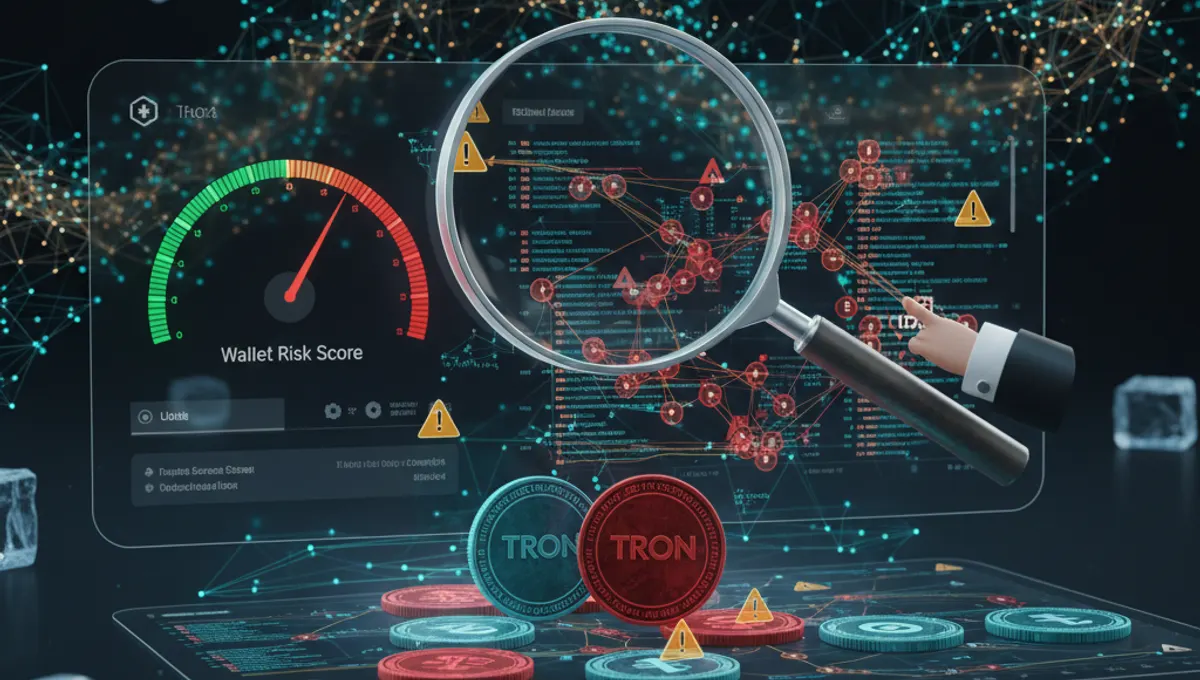
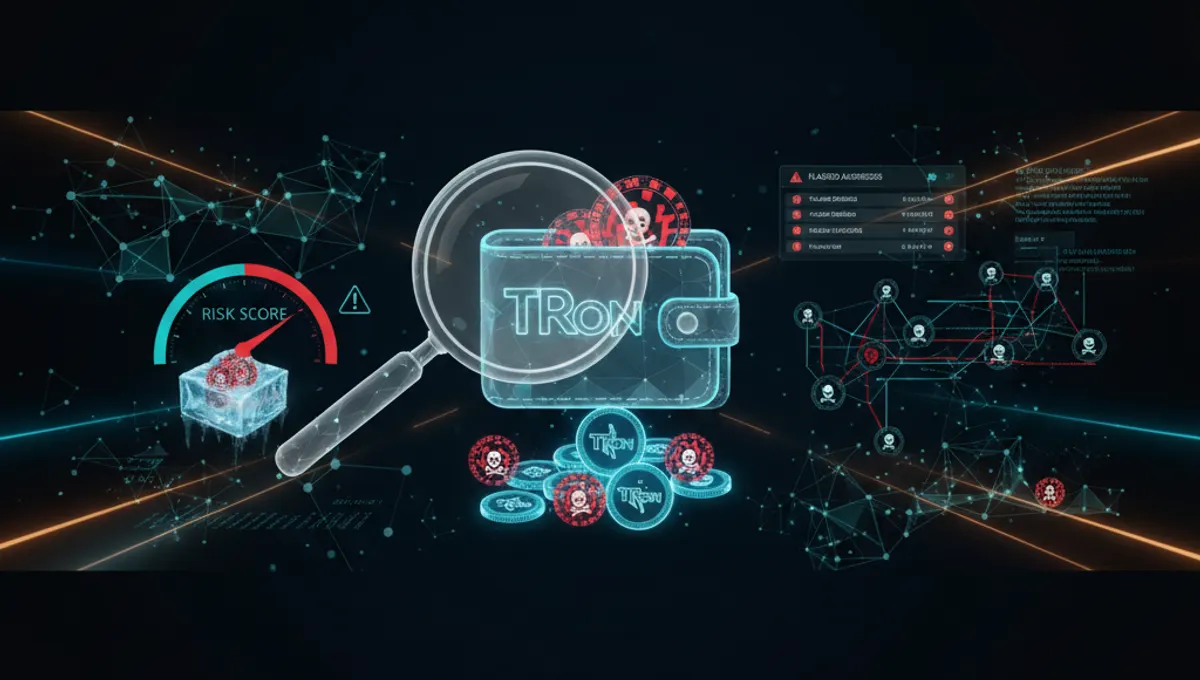
Receiving tainted TRX—coins linked to theft, mixers, darknet markets, or sanctioned entities—exposes you to exchange account freezes and regulatory scrutiny. Exchanges perform automated AML screening on deposits; if your TRX fails compliance checks, your funds may be locked pending investigation. Stolen or mixed coins carry higher risk scores and can trigger transaction monitoring alerts. By checking a Tron address before accepting or holding TRX, you avoid receiving dirty crypto and protect your trading account. AML check services scan blockchain history, identify high-risk transaction patterns, and flag sanctions exposure.
How to Check a Tron Address for AML Risk
To check a Tron address for AML risk, follow these steps:
1. Obtain the TRX address you want to screen (begins with 'T' on Tron mainnet).
2. Visit a trusted AML screening service from our curated AML Services list on this site.
3. Enter the Tron address in the wallet checker tool.
4. Review the risk score (typically low, medium, high, or critical).
5. Examine the transaction history summary and any flagged activity (mixer usage, darknet links, stolen fund markers).
6. Check for sanctions list matches and known scam addresses.
7. Decide whether to accept or reject the transfer based on risk tolerance.
Most AML services provide instant results and detailed reports showing transaction patterns, associated addresses, and risk categories. Use services listed on our verified AML screening directory for the most reliable Tron address checks.
Understanding Tron Address Risk Scores and Categories
AML risk scores typically range from 0–100 or use categorical labels: low, medium, high, and critical. A low risk score indicates the address has clean transaction history, no mixer or darknet exposure, and no sanctions matches. Medium risk may indicate some unusual activity but no direct illegal links. High risk suggests mixer usage, multiple rapid transfers, or associations with flagged addresses. Critical risk means direct ties to theft, sanctions lists, or confirmed scams. For Tron addresses, also check the age of the address, transaction frequency, and whether it has interacted with known risky protocols. Exchanges typically reject deposits from critical-risk addresses and may flag medium-to-high risk transfers for manual review.
How to Check Tron Transaction History and Patterns
To check a Tron transaction, use a blockchain explorer or AML service to trace fund movement. Look for these red flags: rapid transfers to multiple addresses (possible mixing), deposits from darknet-linked wallets, interaction with sanctioned entities, or sudden large inflows followed by immediate outflows. Legitimate Tron addresses typically show consistent, identifiable transaction patterns—staking rewards, regular trades, or DeFi interactions. Suspicious patterns include frequent address-hopping, round-number transfers, or activity during known scam campaigns. AML check services automate this analysis and flag high-risk transaction sequences. Before accepting a large TRX transfer, always check the sending address's transaction history to confirm it's not a stolen or mixed wallet.
What to Do If Your Tron Address Is Flagged as High Risk
If your Tron address receives a high or critical risk score, take these steps:
1. Do not deposit the flagged TRX to an exchange immediately.
2. Review the AML report to understand which activity triggered the flag (mixer use, sanctions match, theft marker).
3. If you received the TRX from a known source, contact them to verify legitimacy.
4. If the coins are yours and the flag is a false positive, document your transaction history and contact the exchange's compliance team before depositing.
5. Consider moving the TRX through a compliant service or waiting for the address history to age if the risk is historical.
6. For future transfers, use only verified, low-risk Tron addresses.
Exchanges may freeze accounts or reject deposits from flagged addresses, so proactive screening prevents account locks and withdrawal delays.
Best Practices for Screening Tron Addresses Before Trading
Adopt these habits to minimize AML risk when trading TRX:
- Always check a Tron address before accepting a transfer, especially from unknown sources.
- Use the AML services listed on our verified directory for consistent, reliable screening.
- Set a personal risk threshold (e.g., reject anything above medium risk).
- Request low-risk addresses from counterparties in peer-to-peer trades.
- Monitor your own address activity and ensure it remains compliant.
- Avoid mixing services, darknet markets, and high-risk protocols if you plan to deposit TRX to regulated exchanges.
- Keep records of AML checks performed, especially for large transactions.
- If you're a business accepting TRX, implement mandatory AML screening for all incoming deposits.
Regular address screening is the simplest way to protect your trading account and ensure your TRX holdings remain exchange-compliant.
Frequently asked questions
Can I check if a Tron address is clean before receiving TRX?
Yes. Use an AML screening service to check the Tron address for risk score, transaction history, and sanctions exposure. Enter the TRX address (starting with 'T') into a wallet checker tool. Most services provide instant results showing whether the address has ties to theft, mixers, darknet markets, or sanctioned entities. Always screen before accepting large transfers.
What happens if I receive tainted TRX on an exchange?
Exchanges perform automated AML checks on deposits. If your TRX fails compliance screening, the exchange may freeze your account, reject the deposit, or lock your funds pending investigation. Tainted coins linked to theft or sanctions can trigger regulatory holds lasting weeks or months. This is why checking the source address before deposit is critical.
How do I know if my Tron address is flagged?
Run your Tron address through an AML check service from our verified directory. The report will show your risk score, transaction history summary, and any flags (mixer usage, sanctions matches, theft markers). If flagged, review the specific activity that triggered it. Contact your exchange's compliance team if you believe the flag is incorrect.
Is checking a Tron address for AML risk free?
Many AML services offer free basic checks with limited detail. Comprehensive reports with full transaction analysis and risk scoring typically require a paid subscription. Check our AML Services page for trusted providers offering free trials or tiered pricing. Free checks are sufficient for quick screening; paid reports provide deeper compliance due diligence.
What risk score should I accept for Tron addresses?
Most traders and businesses accept low-risk addresses without hesitation. Medium-risk addresses warrant review of the specific activity before deciding. High and critical risk addresses should be rejected unless you have verified the source and understand the flagged activity. Your exchange may also have minimum risk thresholds—check their deposit policies.