What Is a Tron Address Check and Why It Matters
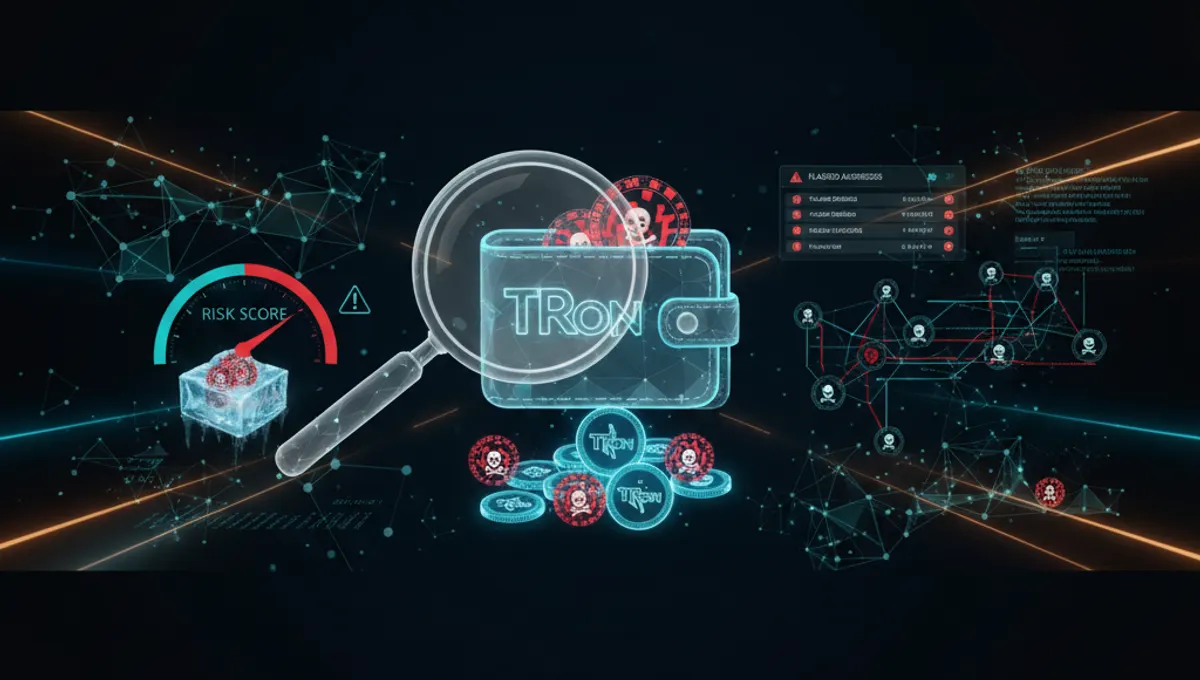
A Tron address check is a blockchain lookup that flags whether a wallet has received or sent funds linked to known illicit sources. Tron (TRX) and tokens on the Tron network—especially USDT TRC20—are common targets for scammers, ransomware operators, and sanctioned entities because transaction fees are low and the network is widely adopted.
When you check a Tron wallet address, an AML screening tool compares its transaction history against databases of known compromised addresses, darknet market wallets, stolen funds, and sanctioned entities. If a wallet has received coins from a mixer, a ransomware payment address, or a frozen exchange account, that history remains visible on the blockchain forever. Receiving tainted coins can result in your own exchange account being frozen or flagged for manual review, even if you were unaware of the source.
Checking a Tron address before accepting payment protects you from compliance risk and potential loss of access to trading platforms.
How AML Risk Scoring Works for Tron Wallets
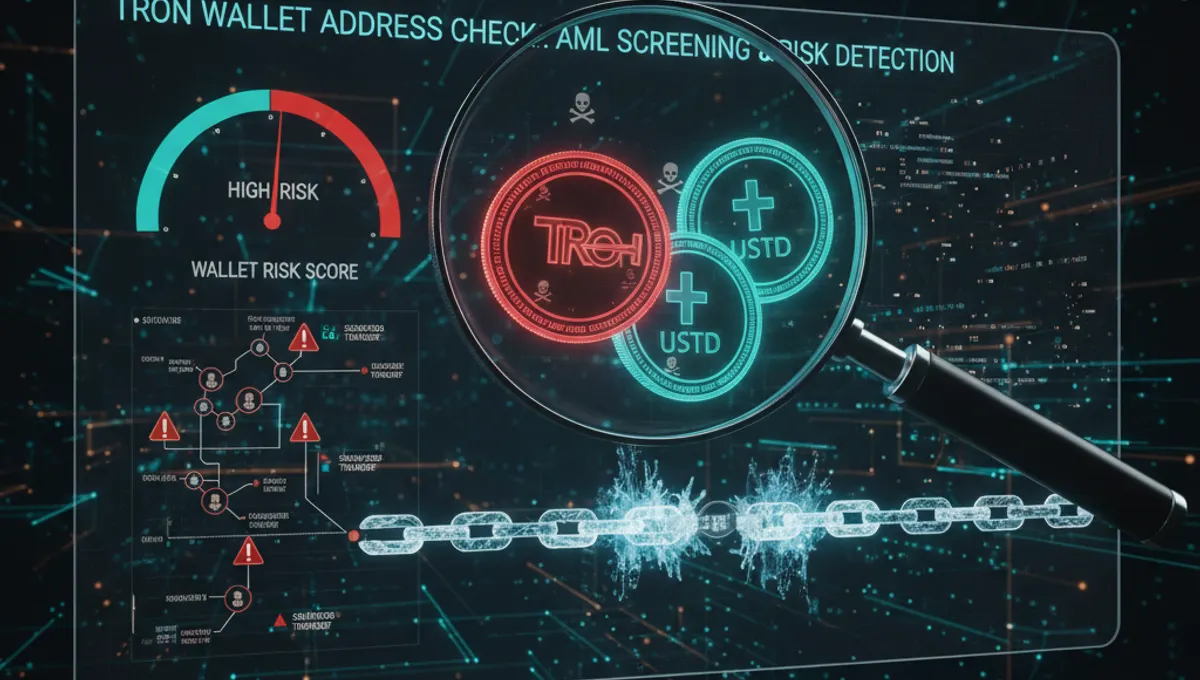
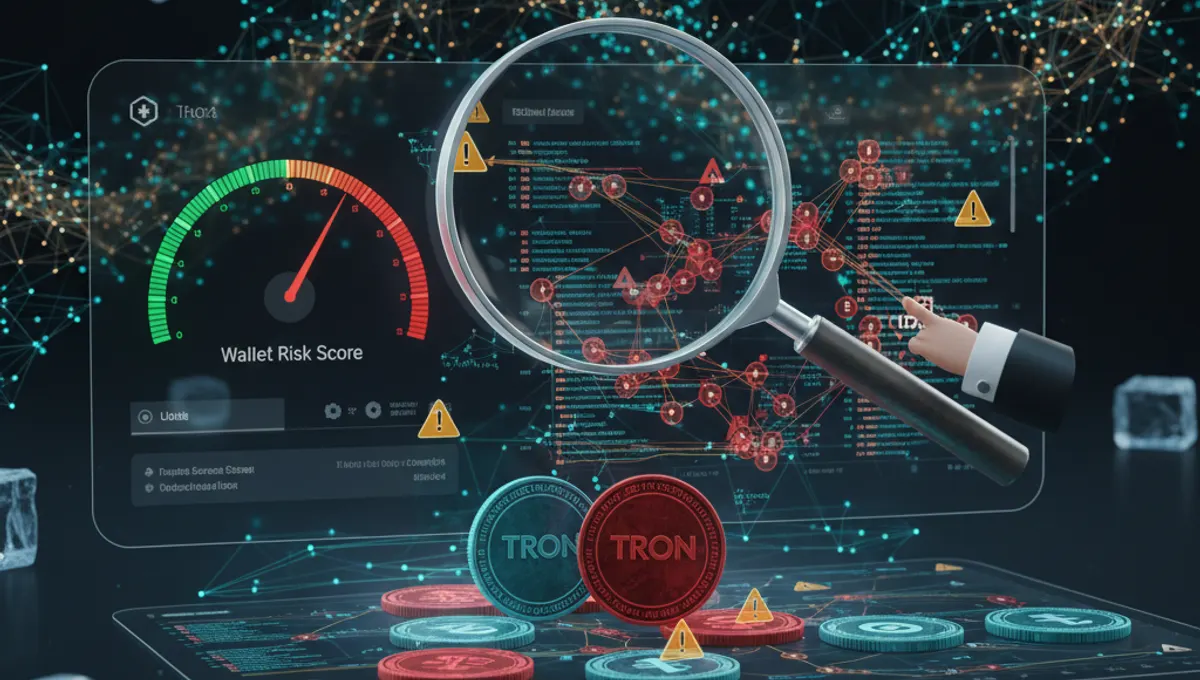
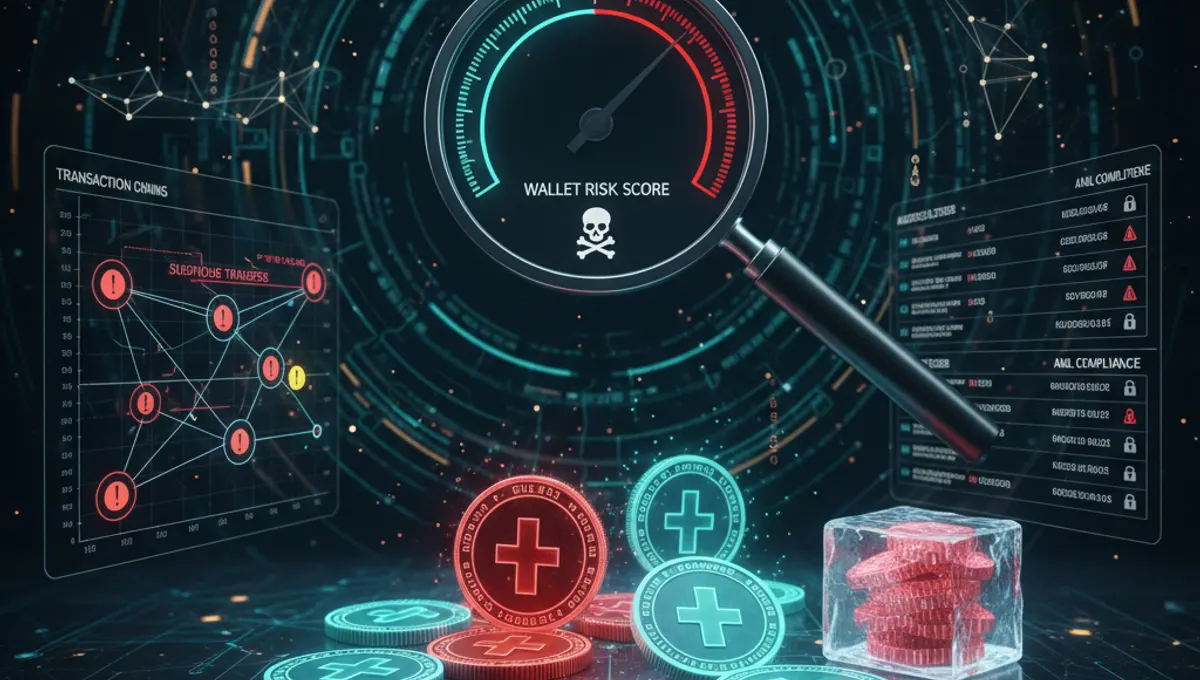
An AML risk score for a Tron address is a numerical rating—typically 0–100 or Low/Medium/High—that reflects the likelihood the wallet has been involved in illicit activity. The score is calculated by analyzing:
1. **Transaction history**: Whether the address has sent or received funds from known bad actors, mixers, or darknet markets.
2. **Cluster analysis**: Whether the wallet is linked to other suspicious addresses through common transaction patterns.
3. **Sanctions screening**: Whether the address appears on OFAC or other regulatory watchlists.
4. **Exchange freezes**: Whether the wallet has received coins from a frozen or compromised exchange account.
5. **Scam and theft reports**: Whether the address is flagged in public databases of stolen funds or fraud reports.
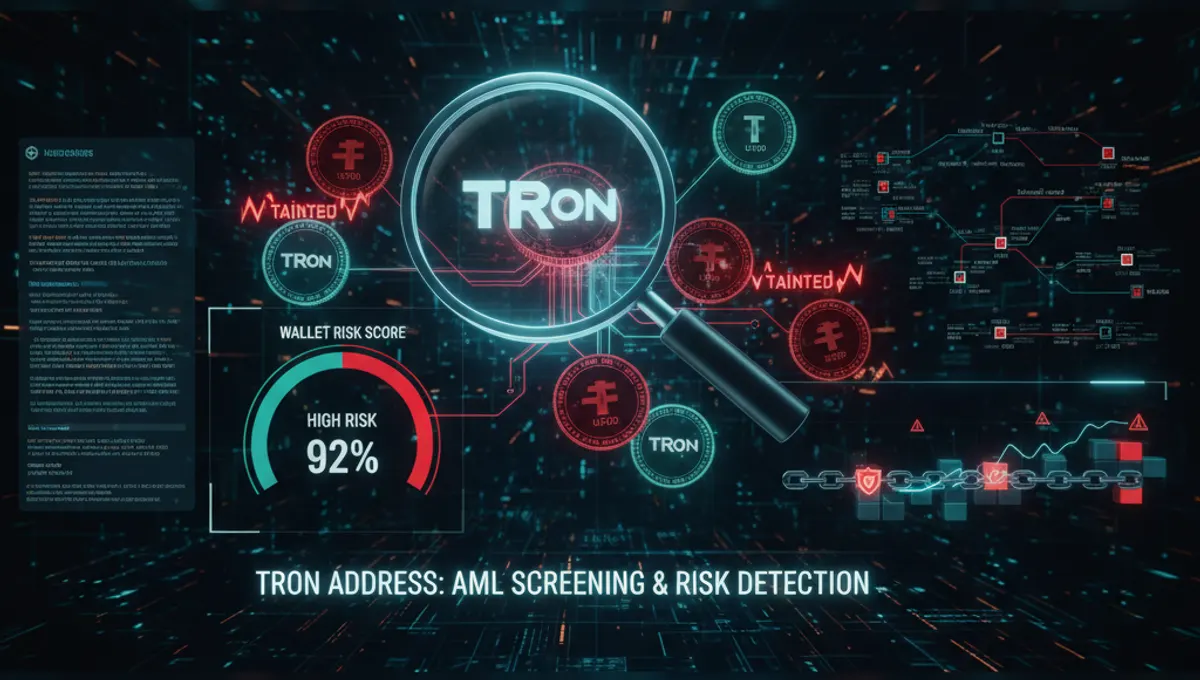
A low risk score (typically 0–20) means the wallet shows no obvious illicit connections. A medium score (21–50) suggests some exposure to risky activity but not direct involvement. A high score (51–100) indicates the wallet has received or sent funds tied to known illegal sources and should be avoided.
Risk scores are not perfect—a legitimate user might receive coins from a compromised wallet without knowing it—but they provide a fast, objective baseline for deciding whether to accept a transaction.
Step-by-Step: How to Check a Tron Address
Follow these steps to check a Tron wallet address for AML risk:
1. **Copy the Tron address**: Obtain the full wallet address (starts with 'T' and is 34 characters long).
2. **Visit a verified AML screening service**: Use one of the trusted services listed on our AML Services page—these tools are designed specifically for Tron address checks and provide detailed risk reports.
3. **Paste the address into the search field**: Enter the Tron address exactly as provided; even one character error will return no results.
4. **Review the risk score**: Check the overall AML risk rating and the breakdown by category (sanctions, darknet, stolen funds, etc.).
5. **Examine the transaction history**: Look at which addresses have sent or received funds to/from the wallet and whether any are flagged as high-risk.
6. **Check for exchange freeze flags**: See if the wallet has received coins from a known frozen or compromised exchange account.
7. **Make your decision**: If the risk score is low and no major red flags appear, the address is likely safe. If the score is high or multiple risk categories are flagged, avoid the transaction.
Most AML checks complete in under 10 seconds. Some services offer free basic checks; others charge a small fee for detailed reports.
What Risk Levels Mean and When to Reject a Transaction
Understanding risk levels helps you decide whether to accept a Tron TRC20 payment:
**Low Risk (0–20)**: The wallet shows no obvious illicit connections. Safe to accept in most cases.
**Medium Risk (21–50)**: The wallet has some exposure to risky activity—for example, it received coins from a mixer or a wallet with a history of scam reports. Review the specific flags before deciding. If you are a regulated business or exchange, consider rejecting medium-risk wallets.
**High Risk (51–100)**: The wallet has received or sent funds tied to known illegal sources, sanctioned entities, darknet markets, or stolen funds. Reject the transaction. Accepting high-risk coins can trigger your own exchange account freeze or regulatory investigation.
**Critical flags to always reject**:
- Sanctions screening match (OFAC or other regulatory list)
- Ransomware payment address
- Confirmed stolen funds
- Active darknet market wallet
- Frozen exchange account
If you receive a payment from a high-risk address, do not spend or move the coins. Contact your exchange or a compliance officer for guidance. Holding tainted coins does not make you liable, but moving them can trigger automated compliance blocks.
Common Risk Categories: What to Watch For
When you check a Tron address, look for these specific risk categories:
**Mixers and Tumblers**: Services that obscure transaction trails by combining and splitting coins. Receiving coins from a mixer does not prove guilt, but it signals an attempt to hide the source.
**Darknet Markets**: Wallets known to be associated with illegal marketplaces. Any transaction from a confirmed darknet address is a major red flag.
**Ransomware Payments**: Addresses that have received funds from ransomware attacks. These coins are stolen and highly likely to be frozen or seized.
**Stolen Funds**: Wallets flagged in public theft reports or by exchanges as containing stolen cryptocurrency.
**Scam Addresses**: Wallets linked to Ponzi schemes, rug pulls, or other fraud.
**Sanctioned Entities**: Wallets belonging to individuals or organizations on OFAC or other government sanctions lists.
**Gambling Sites**: Some compliance frameworks flag coins from gambling platforms as higher-risk, though this varies by jurisdiction and exchange policy.
Each category carries different compliance weight. A sanctions match is a hard stop; a gambling flag may be acceptable depending on your exchange's policy.
What to Do If Your Tron Address Is Flagged as High-Risk
If you check your own Tron wallet and discover a high AML risk score, here's what to do:
1. **Identify the source**: Review your transaction history to see which deposits or transfers caused the flag. Use a blockchain explorer like Tronscan to trace incoming coins.
2. **Determine if you knowingly received tainted coins**: If you accepted a payment without checking the address first, you may have received stolen or illicit funds without realizing it.
3. **Do not spend or move the coins**: Transferring flagged coins can trigger automated freezes on your exchange account.
4. **Contact your exchange**: Inform them of the situation. Many exchanges have compliance teams that can review the specific transaction and may allow you to keep the coins if you can prove you received them unknowingly.
5. **Consider reporting to authorities**: If you believe you received ransomware payments or stolen funds, you can report the transaction to your local financial crime unit or the FBI's IC3 (Internet Crime Complaint Center).
6. **Use the AML Services page**: Consult the verified screening services listed on our site for detailed analysis and guidance on next steps.
In most cases, holding flagged coins is not illegal, but spending them can result in account freezes or regulatory scrutiny.
Best Practices: Checking Tron Addresses Before Receiving Payments
Adopt these habits to avoid compliance risk:
**Always check before accepting large payments**: If someone sends you a Tron address to receive USDT or TRX, run an AML check first. It takes 30 seconds and can save you from frozen funds.
**Use the same service consistently**: Stick with one or two verified AML screening tools so you become familiar with how they present risk data and can spot patterns.
**Set a personal risk threshold**: Decide in advance what risk score you will accept. Many businesses reject anything above 30; others accept up to 50 if the specific flags are low-severity.
**Document your checks**: Keep records of which addresses you screened and what the results were. This creates an audit trail if your exchange later questions a transaction.
**Educate your team**: If you run a business that receives crypto, train employees to check addresses before accepting payment.
**Combine with other due diligence**: An AML check is one layer. Also verify the sender's identity, the reason for the payment, and whether the amount is reasonable for the transaction.
**Review our AML Services page**: The trusted services listed there are vetted for accuracy and compliance. Starting with one of those tools is the safest approach.
Frequently asked questions
Can I check a Tron address for free?
Yes. Many AML screening services offer free basic checks for Tron addresses, though they may limit results or require an account. Paid services typically provide more detailed transaction history and risk breakdowns. Check our AML Services page for options that fit your needs.
What does a high AML risk score mean for a Tron wallet?
A high score (typically 51–100) indicates the wallet has received or sent funds linked to known illegal sources, mixers, ransomware, or sanctioned entities. Avoid accepting payments from high-risk addresses. If you already hold coins from a flagged wallet, do not spend them without consulting your exchange.
How long does a Tron address AML check take?
Most checks complete in under 10 seconds. The tool queries the blockchain and compares the address against known risk databases in real time. Detailed reports with full transaction history may take a few seconds longer but are still nearly instant.
If I receive USDT TRC20 from a flagged address, will my exchange account be frozen?
Not automatically. Holding flagged coins is not illegal. However, if you try to spend or withdraw them, your exchange may freeze the transaction for manual review. Some exchanges allow you to keep the coins if you can prove you received them unknowingly. Contact your exchange's compliance team for guidance.
What is the difference between checking a Tron address and checking a Bitcoin address?
The process is identical: you paste the address into an AML screening tool and receive a risk score. The difference is the blockchain and token type. Tron addresses start with 'T' and hold TRX or TRC20 tokens like USDT. Bitcoin addresses use different formats. Use the correct tool for each blockchain.